Introduction
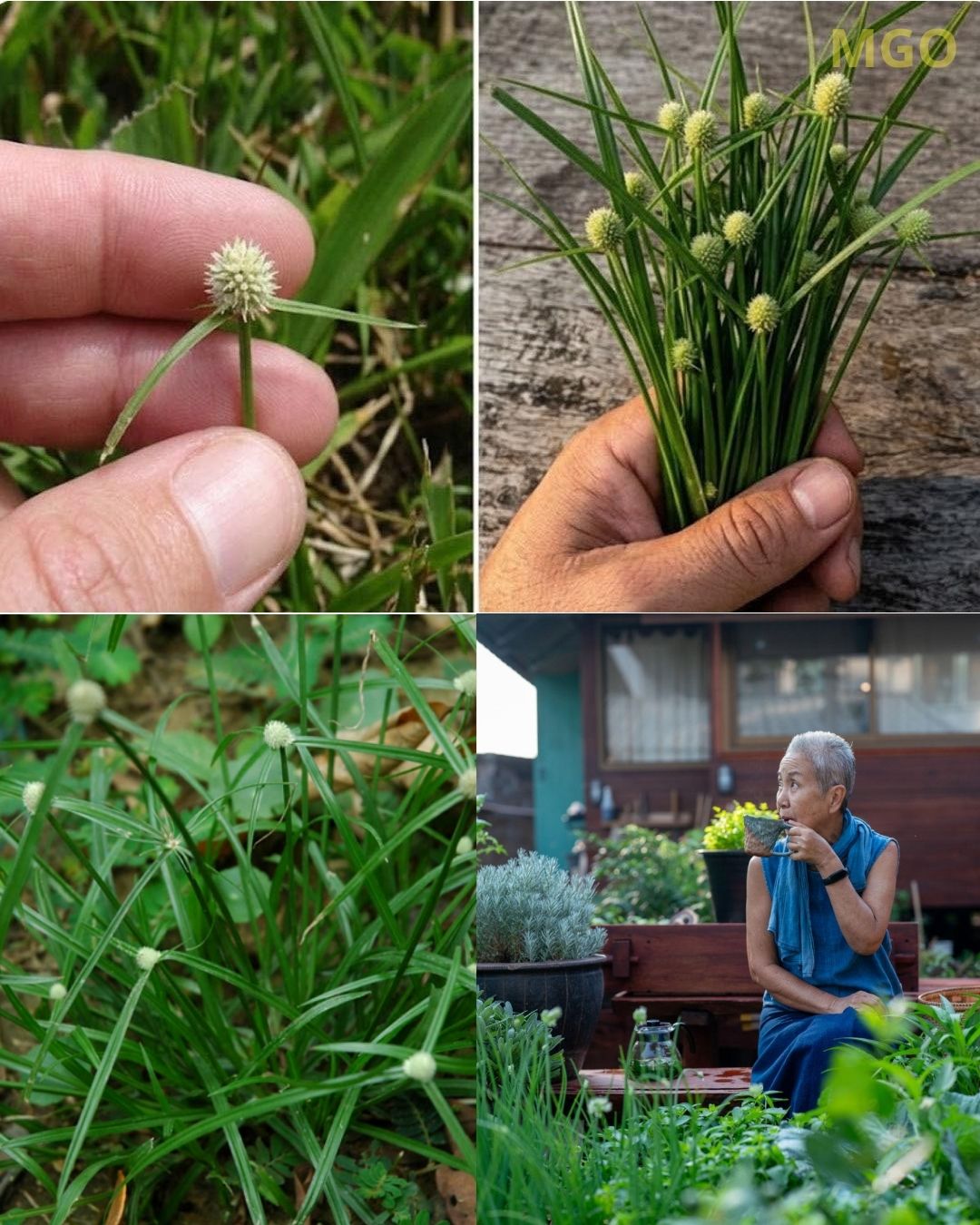
For centuries, traditional wellness systems such as Ayurveda and Traditional Chinese Medicine have used a plant called Cyperus rotundus — also known as nutgrass or Nagarmotha — in a variety of herbal preparations.
Although many people consider it a common weed, herbal practitioners have long valued its underground rhizomes for their natural plant compounds and traditional wellness uses.
Today, interest in herbal routines and natural wellness practices is growing again, especially among older adults looking for gentle ways to support digestion, relaxation, and overall well-being.
While research on Cyperus rotundus is still ongoing, early studies and traditional practices suggest the plant contains antioxidants and naturally occurring compounds that may support several aspects of health when used responsibly.

What Is Cyperus Rotundus?
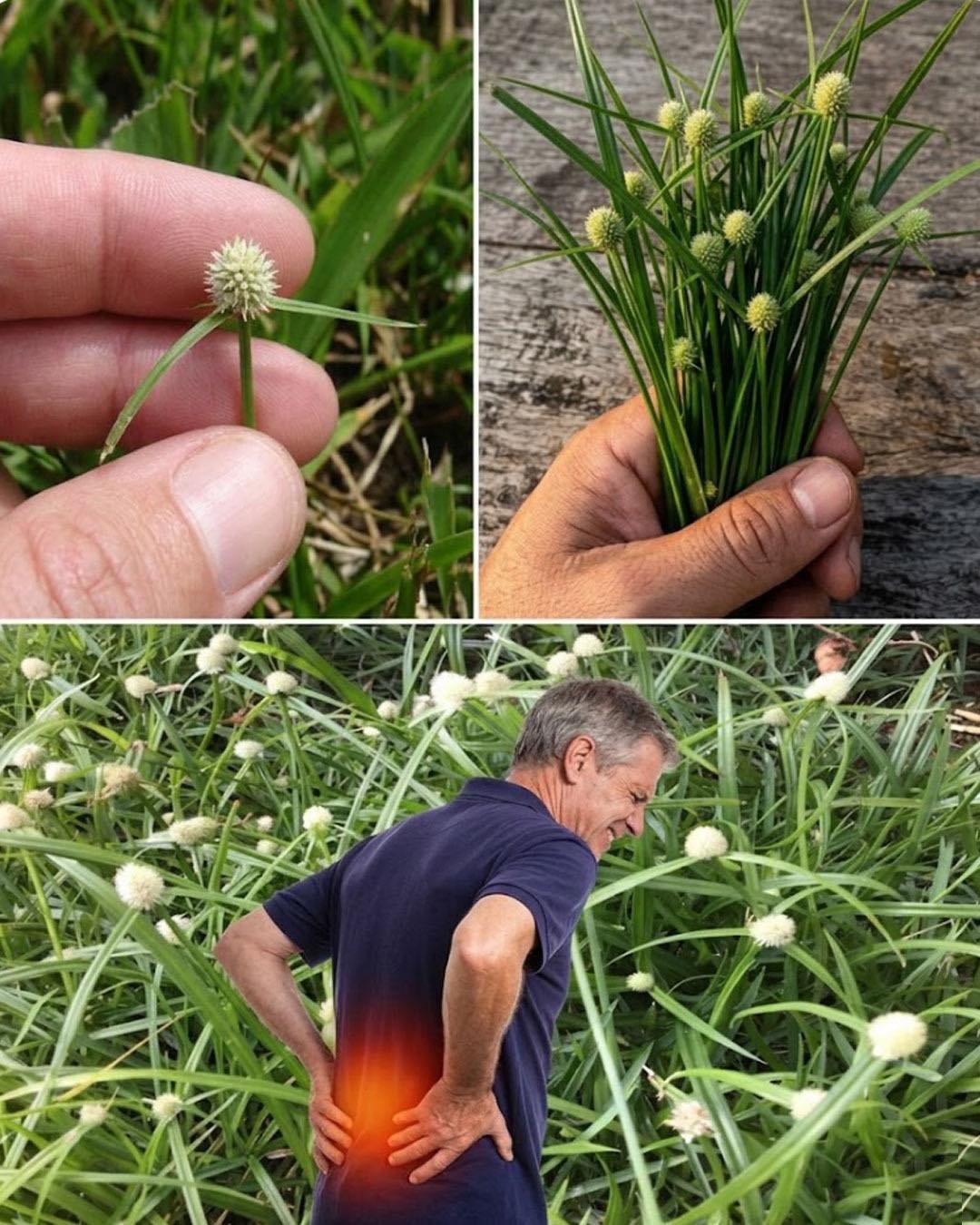
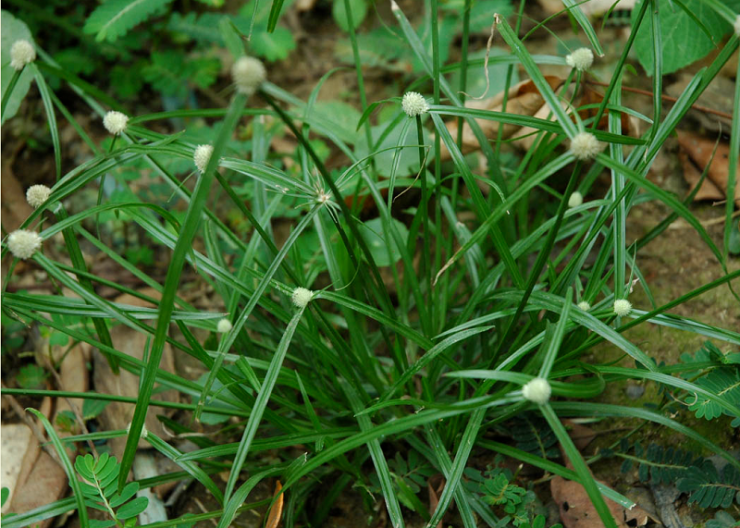
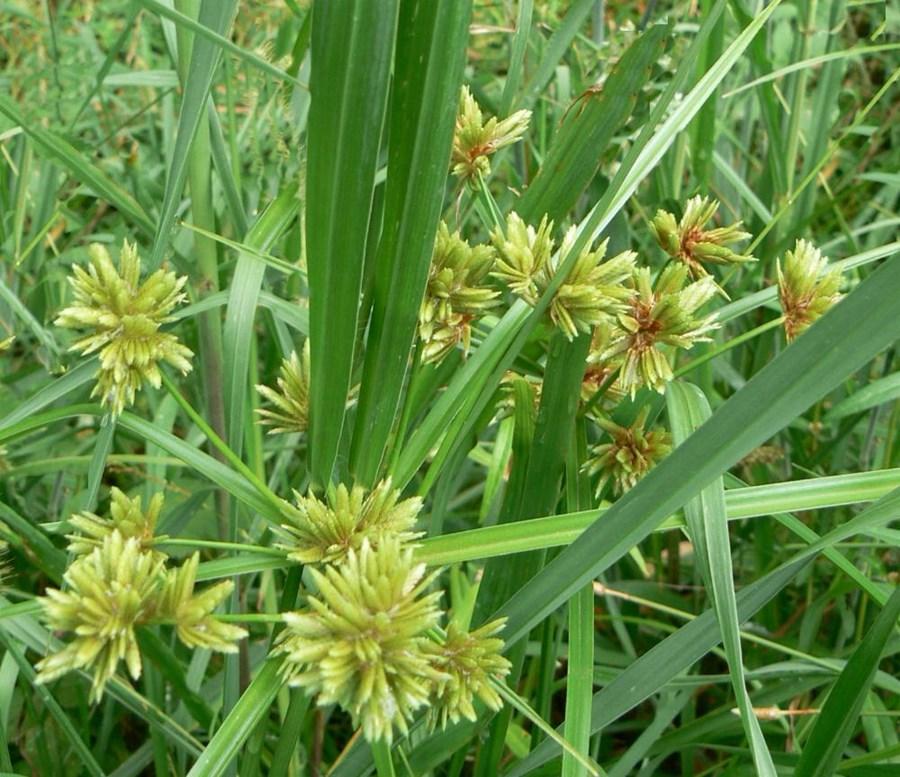
Cyperus rotundus is a grass-like plant that grows in warm regions around the world.
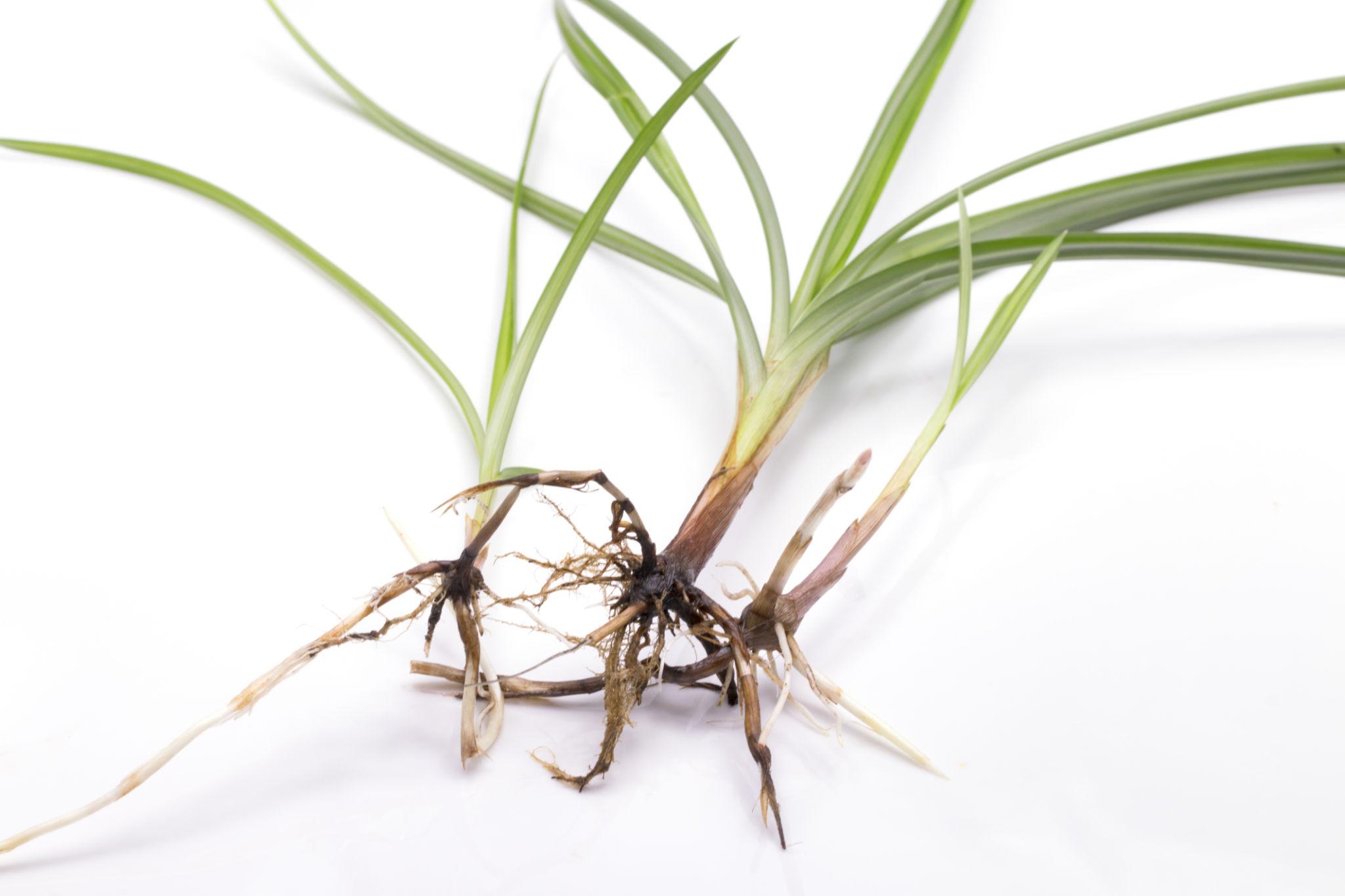
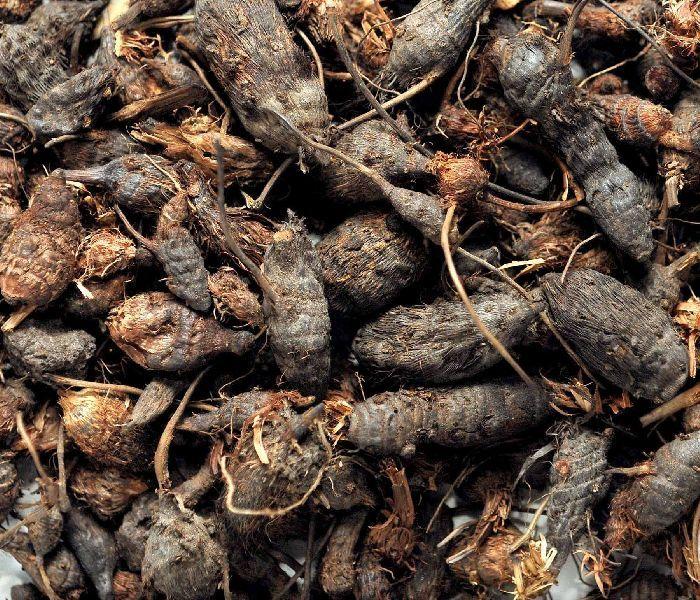
Its underground rhizomes are the part most commonly used in traditional herbal preparations. These rhizomes contain naturally occurring plant compounds including:
- Flavonoids
- Polyphenols
- Essential oils
- Alkaloids
Researchers continue studying how these compounds may contribute to wellness and traditional herbal use.
Traditional Uses That Continue to Interest Researchers
1. Digestive Comfort Support
Many traditional herbal systems have used Cyperus rotundus to support digestion and stomach comfort.
Some people use it in teas or herbal blends intended to help with:
- occasional bloating,
- feelings of heaviness after meals,
- and digestive sluggishness.
Its traditional use as a calming digestive herb remains one of its best-known applications.
2. Support for Relaxation and Stress Balance
Some herbal practitioners describe Cyperus rotundus as a calming plant traditionally used during periods of stress or tension.
Although more research is needed, certain compounds found in the plant are currently being studied for their possible effects on relaxation and nervous system balance.
Many people prefer drinking mild herbal teas in the evening as part of a calming nighttime routine.
3. Antioxidant Properties
Like many herbs used in traditional wellness practices, Cyperus rotundus contains antioxidants.
Antioxidants help protect cells from oxidative stress caused by everyday environmental factors and normal aging processes.
This is one reason antioxidant-rich herbs continue to attract attention in wellness communities.
4. Traditional Women’s Wellness Uses
In Ayurveda, Cyperus rotundus has historically been included in herbal blends intended to support women’s wellness and monthly balance.
However, experts recommend speaking with a healthcare professional before using herbal products for hormone-related concerns.
5. Skin and External Wellness Applications
Some traditional practices also use oils or herbal preparations containing Cyperus rotundus externally for skin comfort and massage routines.
Its naturally aromatic properties have made it popular in certain herbal oils and wellness blends.
Why Older Adults Are Interested in Gentle Herbal Wellness
Many older adults today are becoming more interested in simple wellness habits that feel calming, natural, and easy to maintain.
Rather than looking for “miracle cures,” many people are focusing on:
- healthy sleep,
- hydration,
- balanced nutrition,
- light movement,
- and traditional herbal routines that support overall wellness.
Herbs like Cyperus rotundus are often discussed within this broader lifestyle approach.
Common Traditional Ways the Herb Is Used
Herbal Tea or Decoction
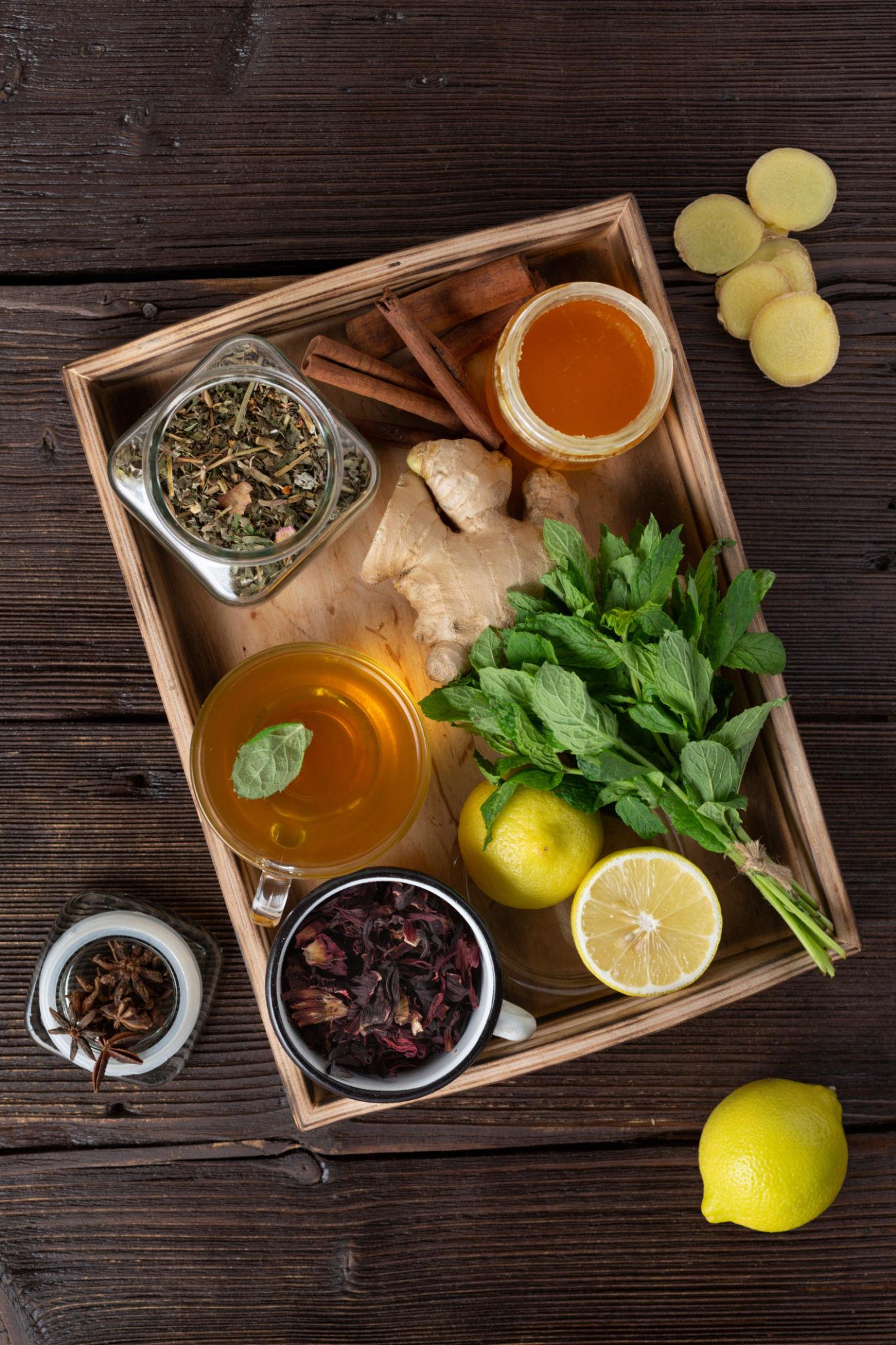
The dried rhizomes are sometimes boiled in water to create a mild herbal tea.
Powdered Herbal Preparations
In some traditions, powdered forms are mixed with warm water or honey.
Essential Oils
Certain wellness products use the plant in aromatic oils for massage or relaxation practices.
Because herbal products can vary widely in quality and concentration, it is important to use products from trusted sources.
Important Safety Considerations
Even natural herbs should be used thoughtfully.
People should speak with a healthcare professional before trying herbal supplements, especially if they:
- are pregnant or breastfeeding,
- take prescription medications,
- have chronic health conditions,
- or are managing hormone-related concerns.
Herbal products are not intended to replace professional medical treatment.
Final Thoughts
Cyperus rotundus may look like an ordinary weed, but its long history in traditional wellness practices continues to attract interest today.
While modern research is still exploring its full potential, many people appreciate the plant as part of a balanced lifestyle focused on digestion, relaxation, and healthy aging.
As with many traditional herbs, the most important approach is moderation, realistic expectations, and guidance from qualified healthcare professionals.
Disclaimer
This article is for informational and educational purposes only and does not constitute medical advice. Always consult a qualified healthcare professional before using herbal products or supplements.