At 5:30 on a cold Sunday morning in November 1981, searchers found a small dinghy drifting near California’s Catalina Island.
The engine was off.
The boat was empty.
Natalie Wood was nowhere inside it.
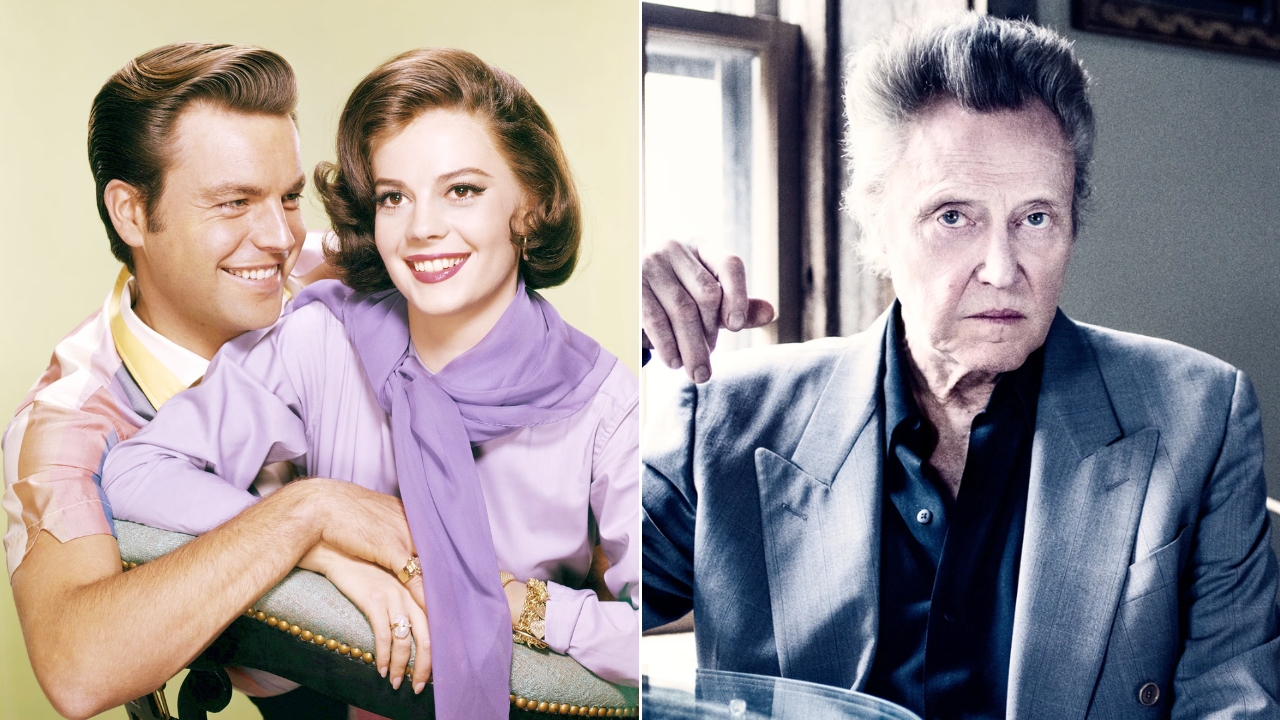
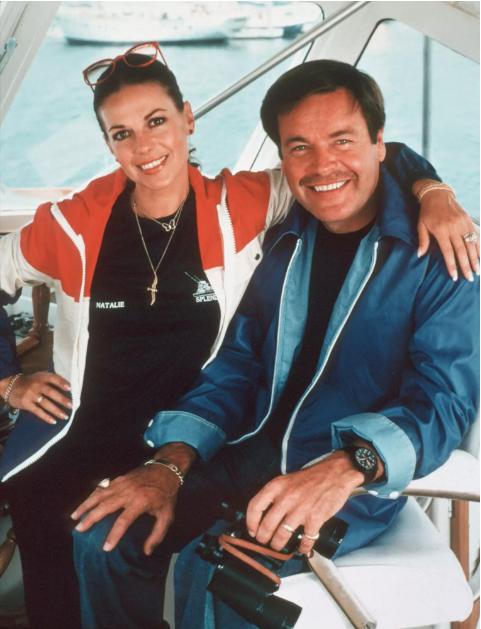
A few hours earlier, the 43-year-old actress had been aboard the Splendour, a 60-foot yacht she shared with her husband, actor Robert Wagner. Also on board were Christopher Walken, her costar in the movie Brainstorm, and the yacht’s captain, Dennis Davern.
By sunrise, Natalie was missing.
Roughly two hours after the dinghy was discovered, searchers found her body floating in the water about a mile from the yacht.
She was still wearing a nightgown beneath a red down jacket.
For millions of Americans who had watched Natalie grow from a child star into one of Hollywood’s most recognizable actresses, the news was almost impossible to believe.
The first official answer sounded tragically simple.
Natalie Wood had accidentally drowned.
But the questions never disappeared.
Thirty years later, investigators reopened the case.
Her death certificate was changed.
Witnesses gave new accounts.
The captain said he had not told the full truth in 1981.
And detectives publicly acknowledged that they still could not determine exactly how Natalie ended up in the dark water that night.
More than four decades later, that remains the question at the center of one of Hollywood’s most enduring mysteries.
1. Before the Mystery, America Knew Her Face
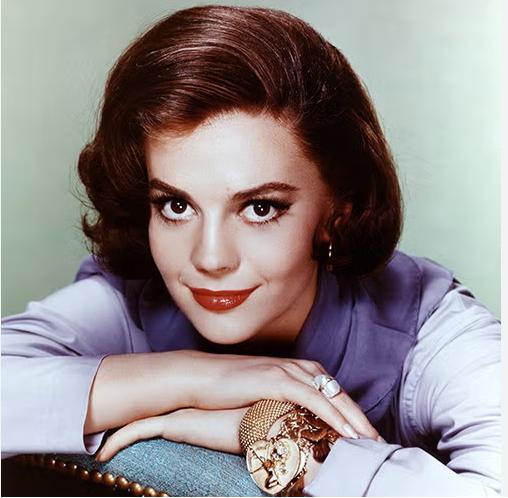
Long before people argued about Natalie Wood’s final night, generations of moviegoers knew her simply as Natalie.
She had grown up on screen.
Born Natalia Nikolaevna Zakharenko in San Francisco in 1938, she began acting as a child and became a familiar face before she was old enough to understand what celebrity meant.
At only eight, she appeared in Miracle on 34th Street, the Christmas classic that would continue playing in American homes for decades.
Then she survived the transition that destroys many child actors’ careers.
She grew up.
And audiences stayed with her.
In 1955, Natalie appeared opposite James Dean in Rebel Without a Cause. She was still a teenager, but the role helped establish her as something more than a former child star.
Then came Splendor in the Grass.
And West Side Story.
By her early twenties, Natalie had become one of the defining actresses of her generation.
She received three Academy Award nominations before turning 25.
To older Americans today, her films belong to a particular Hollywood memory: movie palaces, glamorous premieres, James Dean, Warren Beatty, musicals, studio portraits and stars whose private lives seemed to exist behind a curtain.
Natalie also had one of Hollywood’s most closely watched romances.
She married Robert Wagner in 1957 when she was 19 and he was 27.
The marriage ended in divorce five years later.
Both went on with their lives.
Then, against the odds, they found each other again.
Natalie married producer Richard Gregson and had a daughter, Natasha. Wagner married actress Marion Marshall and had a daughter, Katie.
But in the early 1970s, Natalie and Robert reconciled.
They remarried in 1972.
Their daughter Courtney was born two years later.
To the public, it looked like one of those rare Hollywood stories in which two people got a second chance and somehow made it work.
Nine years later, Natalie was dead.
And Robert Wagner would spend much of the rest of his life answering questions about the final hours of the woman he had married twice.
2. Thanksgiving Weekend on the Splendour
It was Thanksgiving weekend, 1981.
Natalie was nearing the end of work on Brainstorm, a science-fiction film costarring Christopher Walken.
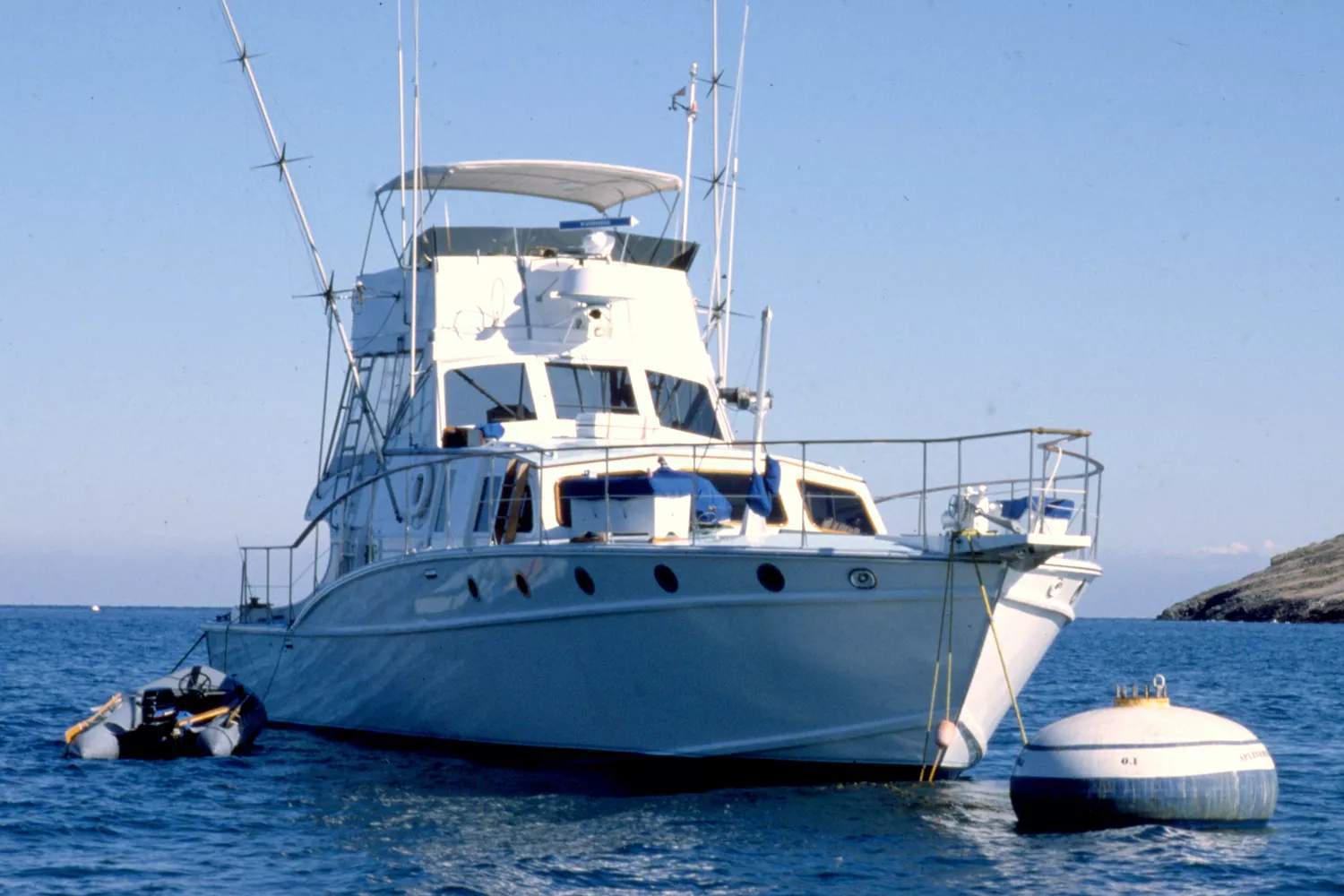
She, Wagner and Walken traveled to Catalina Island aboard the Splendour. Dennis Davern, the longtime skipper, was also on board.
At some point on Saturday, November 28, the group went ashore for dinner and drinks.
What happened after they returned to the yacht has been reconstructed many times.
But there has never been one version accepted by everyone involved.
In his 2008 memoir, Wagner acknowledged that he and Walken argued that night.
According to Wagner, the conversation turned to Natalie’s career. Walken believed she should devote more attention to her work. Wagner became angry.
At one point, Wagner wrote, he smashed a wine bottle.
Natalie had already gone to bed, according to his account.
Later, Wagner said he went to the cabin and discovered that she was gone.
The small dinghy tied to the Splendour was missing too.
That detail initially offered a possible explanation.
Perhaps Natalie had become upset by the argument and taken the dinghy ashore.
It would have been an unusual thing for her to do late at night, but it gave the men on the yacht something to believe while they tried to understand where she had gone.
Eventually, the search became urgent.
According to accounts later published about that night, Davern radioed a private shore patrol around 1:30 a.m.
The Coast Guard was contacted later.
By then, Natalie had been missing for hours.
Search crews moved through the dark waters surrounding Catalina.
Then came the first discovery.
The dinghy.
Empty.
And several hours after Natalie’s disappearance, the search ended in the worst possible way.
Her body was found in the water.
She was 43 years old.
3. The Red Jacket
Certain details from that morning would remain fixed in the public imagination.
The nightgown.
The red down jacket.
The empty dinghy.
The dark Pacific water.
Investigators also found bruises on Natalie’s arms and legs and an abrasion on her face.
Her blood alcohol level was measured at 0.14 percent.
The Los Angeles County coroner initially concluded that Natalie’s death had been an accidental drowning.
Dr. Thomas Noguchi developed a possible explanation.
Natalie may have gone outside because the dinghy was banging against the yacht. She may have tried to secure it or climb into it, slipped into the water, and then struggled to get herself back aboard.
Scratch marks on the dinghy were interpreted as possible evidence that she had tried to hold on.
The heavy down jacket that might initially have helped keep her warm could have become waterlogged.
Exhaustion and hypothermia would eventually have made survival impossible.
It was a plausible reconstruction.
But it was still a reconstruction.
Nobody said they had actually seen Natalie enter the water.
Christopher Walken would later say that he believed she had slipped and fallen.
Wagner also maintained that her death was an accident.
In his memoir, he wrote that nobody truly knew what happened.
For years, that was essentially where the official story remained.
A terrible accident.
A famous woman gone too soon.
A family devastated.
But outside the official record, another story never entirely disappeared.
It came from the man who had been responsible for the Splendour that night.
Dennis Davern.
4. The Captain Changed His Story
In the days after Natalie’s death, Davern had supported the conclusion that what happened was an accident.
Decades later, he said he hadn’t told investigators everything.
That admission changed the case.
Davern described heavy drinking and arguments aboard the yacht.
More importantly, he later alleged that Natalie and Wagner had been arguing before she disappeared.
He also claimed there had been a delay in calling for help.
Davern eventually became convinced that Natalie’s death had not happened the way investigators originally believed.
Wagner strongly denied having anything to do with his wife’s death.
For years, Davern’s account existed largely as part of the public speculation surrounding the case.
Then, in 2011, shortly before the 30th anniversary of Natalie’s death, the Los Angeles County Sheriff’s Department made an announcement few people expected.
The investigation was being reopened.
Davern’s new statements were part of the reason.
Thirty years after the search boats had moved through the waters around Catalina Island, detectives began asking questions again.
They examined old evidence.
They interviewed witnesses.
They inspected the Splendour.
And the more they looked, the less certain the original conclusion appeared.
In 2012, the official death certificate was amended.
Natalie’s death was no longer described simply as an accidental drowning.
The wording became:
“Drowning and other undetermined factors.”
The document also stated that the circumstances of how she entered the water were “not clearly established.”
A year later, a coroner’s addendum raised another uncomfortable question.
Some of the bruises found on Natalie’s body appeared fresh and could have occurred before she entered the water.
But medical examiners could not determine with certainty exactly when or how all of the injuries occurred.
That distinction matters.
The report did not prove that another person caused Natalie’s death.
It did something more limited, but still significant.
It made clear that investigators could no longer confidently explain all the evidence as a simple accidental fall.
5. Voices in the Darkness
As investigators revisited the case, old witnesses also returned to public attention.
One of the most haunting accounts came from a woman named Marilyn Wayne.
Wayne said she had been aboard another boat anchored near the Splendour on the night Natalie disappeared.
Years later, she told investigators that she had heard a woman calling for help from the darkness.
She claimed the cries continued for several minutes.
The story was chilling.
But it also illustrates why the Natalie Wood case is so difficult to tell responsibly.
No one could conclusively establish that the woman Wayne said she heard was Natalie.
And during the renewed investigation, one sheriff’s investigator told CBS that he believed Wayne may have been mistaken.
Other witnesses who came forward after the case was reopened described something different.
Investigators said witnesses reported hearing arguing aboard the Splendour. Some said they believed they heard Wagner and Natalie arguing near the rear of the yacht.
According to detectives discussing the renewed investigation in 2018, those statements appeared consistent in certain respects with parts of Davern’s later account.
Then the arguing stopped.
No witness told investigators that they had actually seen Natalie go into the water.
No one reported hearing a definitive splash.
And that blank space—the interval between the argument described by witnesses and Natalie’s disappearance—is where certainty ends.
What happened during those minutes?
Did Natalie leave the cabin alone?
Did she go outside to deal with the dinghy?
Did she try to leave the yacht?
Did she slip?
Did the bruises happen aboard the boat or as she struggled in the water?
Investigators could examine possibilities.
They could not go back to 1981.
The sea had taken away much of what might have answered those questions.
6. Robert Wagner Became Part of the Investigation Again
For decades, Robert Wagner maintained that he did not cause Natalie’s death.
He acknowledged arguing with Christopher Walken.
He acknowledged being angry that night.
He also wrote about the guilt that comes from imagining what he might have done differently.
But he denied involvement in her drowning.
When investigators reopened the case, Wagner was not immediately named a suspect.
Years passed.
Then, in 2018, Los Angeles County Sheriff’s investigators publicly said Wagner had become “more of a person of interest” in their inquiry.
The phrase triggered headlines around the world.
But investigators also made an important distinction.
They described the matter as a suspicious-death investigation, not a murder investigation.
They said they did not have enough evidence to make an arrest.
No criminal charges were filed against Wagner.
He continued to deny responsibility.
Christopher Walken, meanwhile, had said years earlier that he believed Natalie’s death was an accident. He has generally avoided lengthy public discussions about the night.
That left investigators with aging memories, conflicting accounts and physical evidence gathered under standards from another era.
By 2022, authorities had reached another turning point.
Los Angeles County Sheriff’s Department Lt. Hugo Reynaga said all existing leads had been exhausted.
Reporting at the time described Wagner as having been cleared of involvement.
But the Natalie Wood file itself was not officially given a final explanation.
Authorities said the case remained open and unsolved and could be reassigned if genuinely new information emerged.
More than forty years of investigation had ended not with a dramatic revelation, but with something far more frustrating.
No answer.
7. Even Natalie Wood’s Family Does Not Agree
Perhaps nothing captures the complexity of the case better than what happened inside Natalie’s own family.
Her daughter Natasha Gregson Wagner believes her mother’s death was an accident.
Natasha was only 11 when Natalie died.
One of her last memories of her mother was simple and painfully ordinary.
Natalie was preparing to leave for the trip.
Natasha hugged her goodbye.
She remembered the softness of her mother’s sweater.
She did not know it would be the last time she would touch her.
As an adult, Natasha became increasingly frustrated by the way her mother’s entire life seemed to have been reduced to one mysterious night.
In the 2020 documentary Natalie Wood: What Remains Behind, she defended Wagner, who had helped raise her after Natalie’s death.
Natasha said she did not believe he was responsible.
Her sister Courtney has also defended her father and spoken about the pain caused by public accusations against him.
But Natalie’s younger sister, Lana Wood, reached a very different conclusion.
Lana has openly questioned the accident theory for years.
She supported continued investigation and has said she wants the full truth about what happened aboard the Splendour.
Two parts of the same family.
Two very different understandings of the same night.
And neither can produce the missing piece that would settle the case.
8. What Natalie Feared
One detail has become especially powerful in the retelling of Natalie’s story.
She was known to fear dark water.
That fact has often been used to argue that she would never voluntarily have taken a small dinghy into the ocean alone at night.
But even that cannot tell us what happened.
Fear does not make human behavior predictable.
People do things under stress, after arguments or under the influence of alcohol that they would not normally do.
What Natalie’s fear does accomplish is something else.
It makes the final image harder to forget.
A woman who was reportedly deeply uncomfortable around dark water ended up alone in the Pacific in the middle of the night.
How?
That one word has survived every investigation.
How?
Not who.
Not why.
How did Natalie Wood leave a yacht carrying four people and end up in the water without anyone giving investigators a definitive account of the moment it happened?
That is the question the original 1981 investigation believed it could answer.
It is also the question later investigators were forced to reopen.
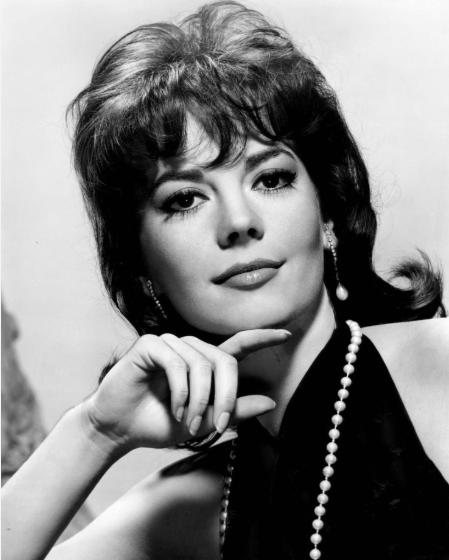
9. The Actress Lost Behind the Mystery
There is a sad irony in what happened after Natalie’s death.
The mystery became so famous that, for younger generations, it sometimes became more recognizable than the woman herself.
Natalie Wood turned into “the actress who drowned.”
Her daughter Natasha has spent years trying to push back against that.
Because before the Splendour, there were more than three decades of life.
There was the little girl in Miracle on 34th Street.
The teenager standing beside James Dean.
The young woman in Splendor in the Grass.
Maria in West Side Story.
There were Academy Award nominations, marriages, motherhood, friendships and the difficult experience of growing up under the gaze of Hollywood.
When Natalie died, she was not a forgotten star whose career had ended years earlier.
She was 43.
She was a mother.
And she was still working.
Brainstorm was unfinished when she died. The production was eventually completed and released in 1983, dedicated to her memory.
For the people who loved her, that is the Natalie they want remembered.
Not simply the body in the water.
Not the bruises.
Not the dinghy.
Not four decades of theories.
A person.
An actress.
A mother whose daughters lost her suddenly one November weekend.
10. The Part No Investigation Could Recover
Hollywood mysteries usually become simpler with time.
Witnesses talk.
Documents are found.
Technology improves.
Someone finally admits what happened.
The Natalie Wood case moved in the opposite direction.
Time created more questions.
The official ruling changed.
The captain changed his account.
Additional witnesses came forward.
Investigators reconsidered the bruises.
Robert Wagner was publicly described as a person of interest during the renewed investigation, yet no charges followed, and reporting in 2022 said he had been cleared.
Natalie’s daughters defended him.
Natalie’s sister did not.
And authorities eventually announced that every available lead had been exhausted.
There may never be another piece of evidence strong enough to change that.
Dennis Davern has given his version.
Robert Wagner has given his.
Christopher Walken has spoken only sparingly.
Witnesses have described what they believe they heard.
Medical examiners have studied injuries recorded more than forty years ago.
But there is one moment none of them can reconstruct.
Natalie Wood was aboard the Splendour.
Then she wasn’t.
Somewhere between those two facts lies the answer.
The ocean did not give it back.
And perhaps that is why people who remember Natalie Wood have never completely been able to let the story go.
Not because investigators proved a secret murder.
They didn’t.
Not because one witness finally explained everything.
No one did.
But because the official record itself eventually acknowledged what the public had sensed for decades:
The simple explanation was no longer enough.
Natalie Wood drowned in the waters off Catalina Island on November 29, 1981.
Exactly how she entered those waters remains undetermined.
Her case remains open.
And more than four decades after that empty dinghy was found drifting in the early morning darkness, the most important minutes of Natalie Wood’s final night are still missing.


