Linda Ronstadt never needed an enemies list.
Her real memories were more interesting than that.
She helped two struggling musicians become founding members of the Eagles.
She spent nights watching Jim Morrison and the Doors before “Light My Fire” had made them superstars—and came away with a surprisingly blunt opinion about Morrison himself.
She stood beside Neil Young in a Nashville studio while one of the most famous songs of the 1970s was being created.
She recorded the songs of Elvis Costello even after he publicly described her versions in language brutal enough to make headlines.
She sang with Paul Simon on one of the most celebrated—and politically controversial—albums of the 1980s.
And she spent decades making music with Dolly Parton, a woman Linda and Emmylou Harris had admired before they ever really knew her.
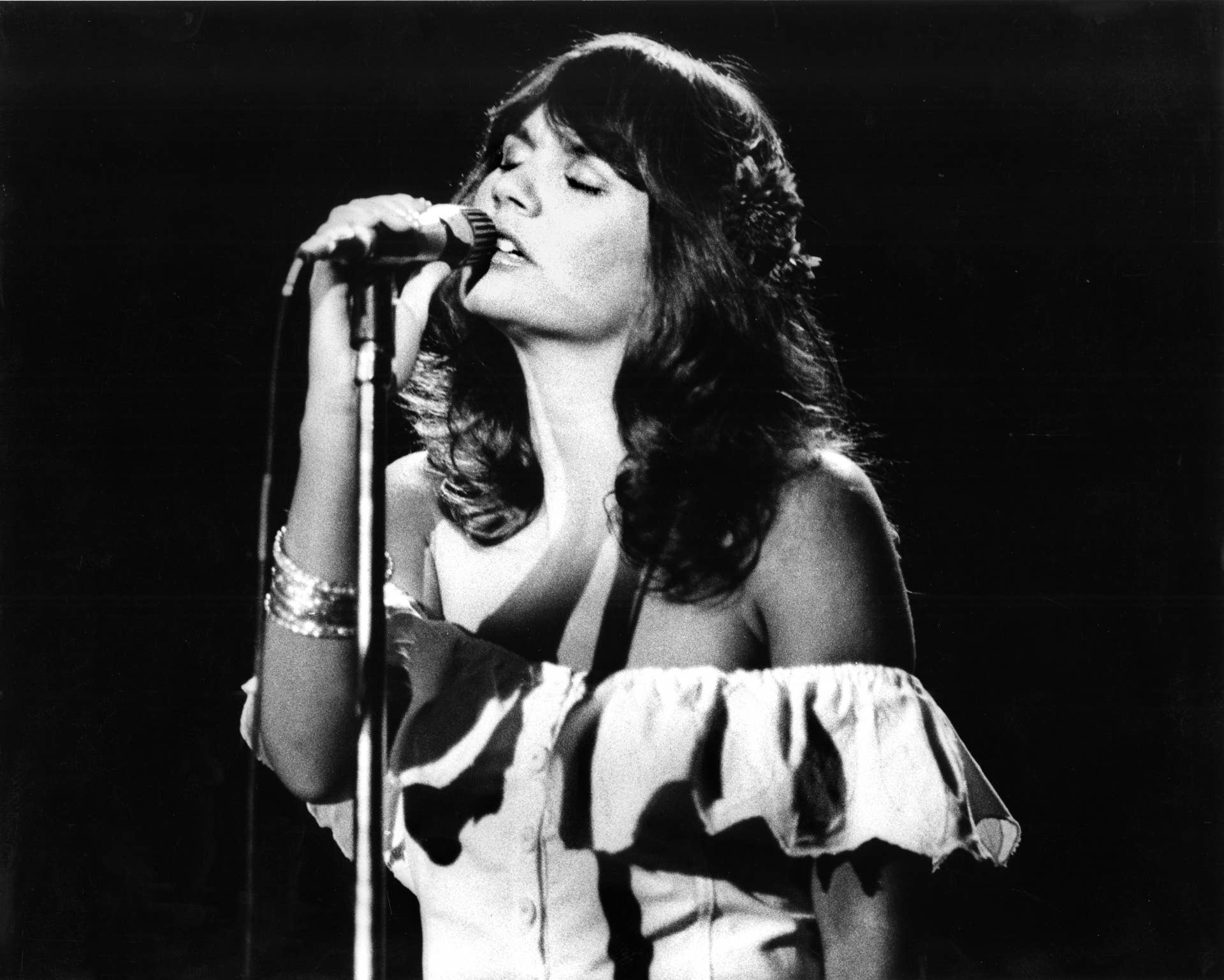
Linda turned 80 on July 15, 2026.
By then, the woman once called the First Lady of Rock had outlived many of the people who inhabited the musical world around her.
Some were friends.
Some were collaborators.
Some were complicated.
One genuinely frightened her.
One publicly insulted her work and later seemed embarrassed by the arrogance of his younger self.
But the truth does not support the idea that Linda Ronstadt spent her life quietly hating seven famous musicians.
Her own words tell a much better story.
It is the story of a woman who moved through one of the richest periods in American music with an unusually sharp ear—and very few illusions about the famous people around her.
## 1. Before the Stadiums, Linda Ronstadt Was in the Middle of Everything
It is difficult now to understand just how interconnected the Los Angeles music scene of the late 1960s and early 1970s really was.
Linda was not standing outside that world watching famous people pass by.
She was inside it.
The Troubadour.
Laurel Canyon.
Producers.
Songwriters.
Young musicians sleeping on couches and waiting for their first break.
Joni Mitchell.
Jackson Browne.
Neil Young.
James Taylor.
David Crosby.
J.D. Souther.
Glenn Frey.
Don Henley.
Some already had reputations.
Others were barely known outside a few clubs.
Linda had arrived in Los Angeles from Tucson as a teenager and found early success with the Stone Poneys.
“Different Drum” gave the group a hit.
But Linda quickly became the person people remembered.
By the early 1970s she was trying to build a solo career while searching constantly for songs, musicians and sounds that fit her voice.
She would eventually become one of the biggest recording stars in America.
Before that happened, however, she accidentally helped create another band that would become even bigger.
The Eagles.
And the story is almost the opposite of the feud sometimes described online.
# 7. Don Henley — The Drummer Linda Helped Put on the Road
Before “Hotel California,” before “Desperado,” before stadiums and decades of Eagles mythology, Don Henley was a young drummer from Texas looking for a way into the Los Angeles music business.
Linda Ronstadt needed musicians.
Henley got the job.
He was not alone.
Glenn Frey was there too.
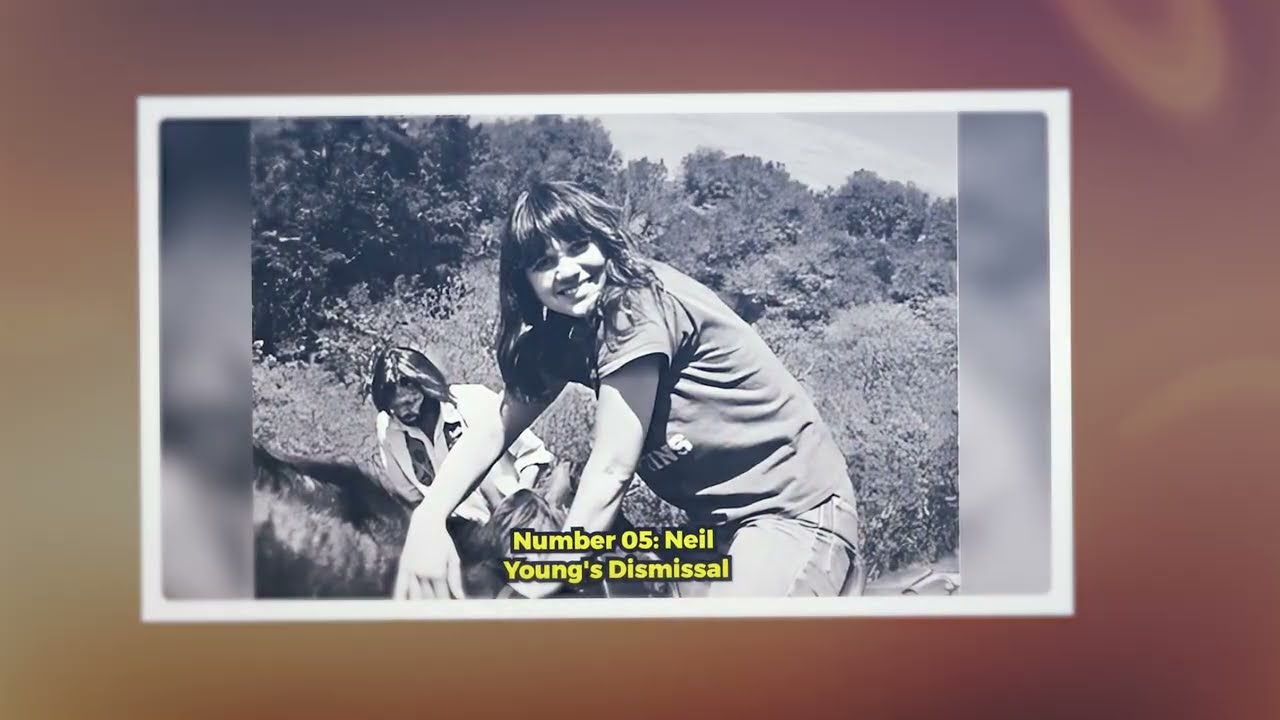
Linda’s manager and producer John Boylan was trying to assemble a flexible country-rock backing group around her.
Henley could drum and sing.
Frey could play guitar and sing.
Bernie Leadon and Randy Meisner eventually entered the picture as well.
For a brief moment, the four men who would become the original Eagles were essentially standing behind Linda Ronstadt.
They were being paid to help make her sound good.
Then something happened.
Henley and Frey realized they wanted a band of their own.
### Linda Could Have Tried to Stop Them
This is where the story becomes important.
Linda was building her career.
Good backing musicians were valuable.
A star could easily have viewed the ambitions of two employees as disloyal.
Linda didn’t.
Neither did Boylan.
According to Glenn Frey’s later account, he and Henley were honest about wanting to form their own group.
Instead of becoming angry, the people around Linda helped them.
Linda suggested Bernie Leadon.
Boylan suggested Randy Meisner.
The combination became the Eagles.
Henley later remembered Linda warmly as a good leader and frontwoman.
That is very different from the story that fame caused Henley to betray Linda and that she eventually banned him from her shows.
There is no strong documentary foundation for that dramatic version.
The documented story is better.
Linda Ronstadt helped give Don Henley one of the environments in which he could find Glenn Frey, test himself professionally and begin imagining a band of his own.
### Linda Never Seemed Obsessed With Taking Credit
This is one of the most revealing things about her relationship with the Eagles.
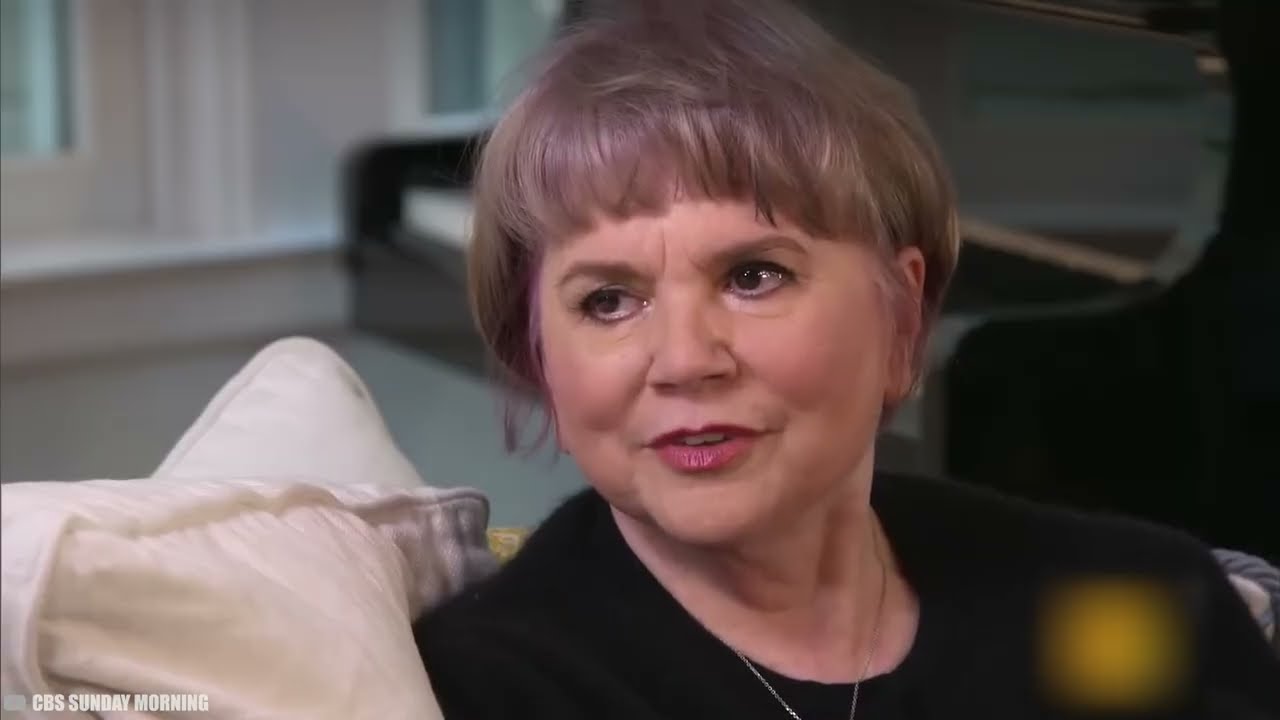
Linda did not spend later interviews complaining:
I made those guys.
She didn’t need to.
The people involved knew what had happened.
At Linda’s 2014 Rock and Roll Hall of Fame induction, Glenn Frey publicly acknowledged the role she played in bringing the Eagles together.
The history had come full circle.
Linda had become a superstar.
The Eagles had become one of the biggest bands in history.
There was enough success to go around.
And that tells us something important about Linda Ronstadt.
She could recognize talent without needing to own it.
That quality would appear again and again throughout her career.
# 6. Glenn Frey — The Friend She Remembered With Affection, Not Resentment
Glenn Frey deserves his own place in the story because his connection to Linda was more personal than a simple employee relationship.
They came out of the same musical ecosystem.
They played together.
They talked music.
They knew the same people.
And Linda watched Glenn develop from an ambitious young musician into one of the central creative personalities of the Eagles.
When Glenn died in January 2016, Linda did not describe a man who had abandoned or betrayed her.
She remembered his nerve.
His instincts.
His determination.
She recalled that he knew when to make a move—and had enough talent to justify the confidence.
That distinction mattered in the competitive Los Angeles scene.
Everybody wanted to be noticed.
Not everybody had the songs to back up the ambition.
Linda believed Glenn did.
### There Was One Night at Disneyland
The Eagles origin story contains a detail that sounds almost too perfect.
At a Disneyland performance in 1971, the four future founding members—Frey, Henley, Leadon and Meisner—played together behind Linda.
It became an important early intersection.
Nobody in the audience could have known what they were looking at.
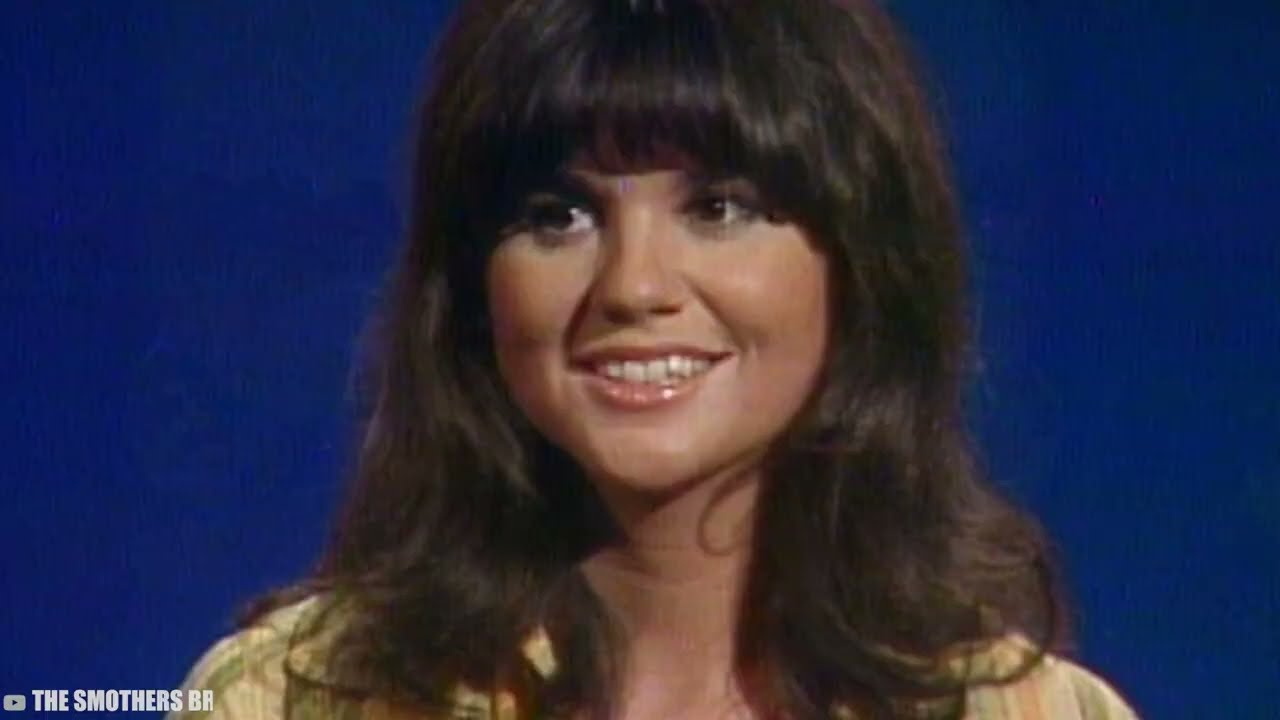
They had come to hear Linda Ronstadt.
Standing behind her were musicians who would soon create another piece of 1970s American history.
Linda later joked about those early days and remembered Glenn’s personality with warmth.
She didn’t describe herself as the victim of the Eagles’ success.
If anything, she seemed proud that the musical community around her had produced something so large.
### Linda Was Never Afraid of Other People’s Talent
That may be one reason so many extraordinary musicians passed through her records and touring bands.
Linda was not a songwriter in the traditional singer-songwriter sense.
Her great gift was interpretation.
She needed good material.
Good arrangements.
Good players.
Good harmony singers.
That required something many superstars struggle with:
the ability to let another person’s talent become visible.
Linda understood that great musicians made her better.
Glenn Frey and Don Henley benefited from her.
She benefited from them too.
Then everyone kept moving.
That was how the Los Angeles scene worked.
But not every famous musician Linda encountered left her with such warm memories.
Jim Morrison was different.
Very different.
# 5. Jim Morrison — Linda Admired the Doors but Was Frightened by What Alcohol Did to Him
Long before Linda Ronstadt became America’s biggest female rock star, the Stone Poneys crossed paths with the Doors.
Jim Morrison was already becoming one of the most magnetic young frontmen in rock.
Linda watched him closely.
And years later, she remembered two almost contradictory things.
She thought the Doors were an extraordinary band.
She was much less impressed with Morrison as a singer.
Even more striking was what she remembered about him personally.
When sober, Linda recalled Morrison as quiet, soft-spoken and moody.
Then he would drink.
And something changed.
Linda was young.
She had not grown accustomed to heavy drinking or the dramatic personality shifts it could produce.
Watching Morrison transform frightened her.
That memory stayed with her for decades.
### Linda Didn’t Romanticize the “Wild Rock Star”
This is significant because later generations turned Morrison into mythology.
The leather pants.
The poetry.
The danger.
The arrests.
The drinking.
The self-destruction.
For some fans, all of it became part of the romantic image.
Linda had seen a version of it up close.
She did not find it romantic.
She found it scary.
That doesn’t mean she dismissed the Doors.
Quite the opposite.
She thought the band itself was terrific.
She watched them night after night and understood they were going to become important.
But she was startlingly candid about Morrison’s vocals.
Her view was essentially:
Great band.
Not the singer she would have chosen.
For anyone familiar with the almost sacred reputation Morrison developed after his death, that is a wonderfully Ronstadt opinion.
She wasn’t trying to tear down a legend.
She simply trusted her ears.
### The Mythical Onstage Assault Story Is Not Needed
Later retellings have sometimes transformed Linda’s unease around Morrison into much more dramatic stories involving public humiliation, an unwanted onstage kiss and a radio attack against her.
Those details are difficult to trace to reliable contemporary evidence.
Linda’s actual memory is compelling enough.
She saw a charismatic young man change frighteningly fast when he drank.
She admired his band.
She wasn’t crazy about his singing.
And she kept her distance.
Morrison died in Paris in 1971 at only 27.
Linda went on singing for decades.
Her memory of him was not hatred.
It was caution.
The next musician on the list brings an even bigger reversal.
Because Neil Young was supposedly another artist who dismissed Linda’s polished sound.
The actual record tells almost the opposite story.
# 4. Neil Young — The Man Who Put Linda on “Heart of Gold”
Neil Young and Linda Ronstadt came out of overlapping musical worlds.
Both understood country music.
Both understood folk.
Both were willing to let those traditions bleed into rock.
Their voices were very different.
So were their personalities.
But the idea that Neil Young considered Linda too polished to be useful collapses when you listen to one of the most famous recordings of his career.
“Heart of Gold.”
Linda is on it.
So is James Taylor.
### It Happened Almost by Accident
In 1971, Linda, James Taylor and Neil Young were in Nashville around the time of an appearance connected with *The Johnny Cash Show*.
Neil was recording.
He invited Linda and James along.
The session stretched deep into the night.
They added backing vocals.
Linda would later remember coming out of the studio near dawn and discovering that snow had begun to fall.
The songs they worked on included:
“Old Man.”
And “Heart of Gold.”
“Heart of Gold” became Neil Young’s only No. 1 single on the Billboard Hot 100.
Linda Ronstadt’s voice is part of it.
That alone makes the idea of a permanent artistic rift between them difficult to sustain.
### Then Linda Opened for Neil
A couple of years later, Linda joined Neil Young’s 1973 *Time Fades Away* tour as an opening act.
She was nervous.
Her world was still largely clubs.
Neil was playing enormous venues.
Madison Square Garden meant thousands upon thousands of people.
Linda worried her club-oriented band would disappear inside those rooms.
She later remembered being afraid the audience might simply demand Neil and ignore her.
Instead, the tour helped her.
It pushed her into larger spaces.
It exposed her to bigger audiences.
And she survived.
Again, this is not the story of Neil Young humiliating Linda at a political benefit and forcing her to prove her worth.
The genuine connection was musical.
Linda sang on one of his greatest songs.
Then she faced his crowds before becoming a stadium-level attraction herself.
### Linda Didn’t Need Neil to Validate Her
By the middle of the decade, Linda no longer needed anyone’s permission.
*Heart Like a Wheel* went to No. 1.
“You’re No Good” went to No. 1.
Her records sold in huge numbers.
Her concerts became major events.
The nervous young woman opening for Neil Young had become one of America’s dominant recording stars.
And because Linda interpreted songs rather than building her reputation primarily as a songwriter, she remained constantly hungry for material from other people.
That hunger led directly to the one relationship on this list where the public criticism really was brutal.
Elvis Costello.
# 3. Elvis Costello — The Musician Who Really Did Publicly Trash Linda’s Recordings
If you want an authentic Linda Ronstadt rock feud, this is the place to look.
By the late 1970s, Linda was one of America’s most successful singers.
But she was restless.
Country rock had made her famous.
She didn’t want to repeat herself forever.
New wave and punk were changing the musical atmosphere.
Then she heard Elvis Costello.
Linda recognized what mattered most to her:
songs.
Good ones.
Costello was writing them.
Linda began recording his work.
“Alison.”
Then more of his songs appeared on her 1980 album *Mad Love*.
Costello was not impressed.
In fact, he was savage.
He described some of her interpretations as “sheer torture” and a “total waste of vinyl.”
For an artist of Linda’s stature, that was not a subtle criticism.
### Linda Could Have Declared War
She didn’t.
This is where her personality becomes interesting.
Linda was not pretending Costello had praised her.
She knew he disliked what she had done.
But she continued to respect his songwriting.
In a 1980 interview, she called him one of the best writers producing new rock material at the time.
She even joked about the financial reality.
If he disliked her versions but enjoyed the royalties, send her more songs.
She would keep recording them.
That is a much sharper response than a celebrity feud.
### The Conflict Was Really About Ownership of a Song
Linda believed that once a songwriter releases a song into the world, other singers are going to change it.
They change gender.
Phrasing.
Tempo.
Emotion.
Arrangement.
That is what interpreters do.
Costello was a young artist with a particularly strong sense of identity.
Linda later suggested that hearing a mainstream superstar reshape his songs may have felt threatening to him.
She understood why.
She also didn’t stop.
### Costello’s View Changed With Age
This is where the story becomes much more satisfying than a permanent hatred narrative.
As Costello grew older, his attitude toward Linda softened considerably.
He later wrote with obvious admiration about the artistic courage of her career.
He praised her willingness to abandon commercial formulas.
Think about what Linda did after becoming one of America’s safest-selling stars.
Gilbert and Sullivan.
Nelson Riddle.
Traditional Mexican music.
Projects no record executive would automatically choose for a platinum rock singer.
Costello eventually recognized the nerve that required.
When he watched the documentary *Linda Ronstadt: The Sound of My Voice*, he described becoming deeply emotional.
He even referred to his earlier attitude as part of his “less generous youth.”
That phrase tells you almost everything.
The young Elvis Costello saw Linda Ronstadt as the establishment.
The older Elvis Costello saw an artist who had taken extraordinary risks.
Linda, meanwhile, had never stopped recognizing the quality of his songs.
Of all seven relationships, this one comes closest to a genuine public clash.
And it ended not with revenge—
but perspective.
# 2. Paul Simon — Their Beautiful Duet Came With a Political Problem Neither Could Ignore
If the original story about Paul Simon and Linda Ronstadt were true, their collaboration supposedly collapsed in the early 1980s and Linda vowed never to work with him again.
There is one enormous problem with that story.
In 1986, Linda Ronstadt sang with Paul Simon on *Graceland*.
The song was “Under African Skies.”
It remains one of the album’s most beautiful vocal performances.
And Paul did not merely hire Linda to sing a generic harmony.
Part of the song was built around her.
### Paul Called Linda in Tucson Looking for an Idea
Linda later recalled that Paul was struggling with lyrics.
He telephoned while she was staying at her father’s house in Tucson.
He asked her to tell him about the landscape.
The landmarks.
The things she associated with childhood.
Linda talked about Mission San Xavier del Bac.
She talked about growing up singing harmony naturally with her brother and sister.
Those memories found their way into “Under African Skies.”
Paul’s lyrics reference Tucson, Arizona.
Linda’s own childhood became part of the song she sang.
That is not what a failed collaboration looks like.
But there was a very real controversy surrounding her presence on *Graceland*.
And it involved South Africa.
### Linda Had Made a Decision in 1983 That Followed Her for Years
In 1983, Linda performed at Sun City in South Africa.
At the time, apartheid still ruled the country.
International opposition had produced a cultural boycott designed to isolate the South African regime.
Artists who performed at Sun City faced fierce criticism.
Linda went anyway.
Contemporary reporting shows that the decision troubled her even while she was there.
She questioned people about whether going had been a mistake.
She opposed apartheid, but argued at the time against shutting down artistic exchange.
Many activists rejected that reasoning.
To them, performing at Sun City helped normalize a system that needed isolation.
The decision became one of the most controversial episodes of Linda’s career.
### Then Paul Simon Put Her on *Graceland*
Paul Simon’s decision to record *Graceland* in South Africa created another enormous argument about the cultural boycott.
Then he added Linda Ronstadt to the album.
Critics noticed immediately.
Why feature a singer who had already been condemned for performing at Sun City?
Simon defended her.
He said he knew Linda’s politics and did not believe she supported apartheid.
He regarded the Sun City trip as a mistake rather than proof that she supported the regime.
Linda sang “Under African Skies.”
The controversy remained.
So did the recording.
Forty years later, *Graceland* remains both celebrated and debated.
That is a much richer story than an imaginary studio feud.
Paul Simon and Linda Ronstadt did not need to hate each other to become part of one of the most complicated cultural arguments in 1980s popular music.
### Linda Was Rarely Easy to Categorize Politically or Musically
This was true throughout her life.
People wanted Linda to stay in boxes.
Country singer.
Rock singer.
Pop star.
Mexican-American artist.
Traditionalist.
Mainstream superstar.
She kept escaping them.
The same independence could make her decisions complicated.
Sometimes she was right.
Sometimes she later had to live with choices that remained controversial.
But she usually made them herself.
That independence is one reason her final relationship on this list matters so much.
Dolly Parton did not need Linda to be one thing.
Neither did Emmylou Harris.
Together, they created something that sounded almost impossible.
# 1. Dolly Parton — The Woman Linda Admired Before They Had Even Met
Long before *Trio* became one of the most beloved vocal collaborations in country music, Linda Ronstadt and Emmylou Harris discovered something about each other.
They had the same favorite female singer.
Dolly Parton.
Linda and Emmylou met in the early 1970s and became fast friends.
They talked about singers.
Songs.
Harmony.
At some point, the obvious question came up.
Who is your favorite girl singer?
Both gave the same answer.
Dolly.
The irony is wonderful.
Linda Ronstadt was becoming one of the biggest female singers in America.
Emmylou Harris was developing one of the most distinctive careers in country music.
And the woman they wanted to meet was Dolly Parton.
### Then Dolly Came Over
Emmylou eventually got the opportunity.
Dolly was going to visit.
Linda came too.
They started singing.
There was no elaborate production.
No marketing concept.
Three voices simply found one another.
Dolly later remembered that something almost eerie happened.
The harmonies locked together with the closeness normally associated with members of the same family.
Everyone in the room could hear it.
They had to make a record.
There was only one problem.
They were all becoming too successful.
### The Album Took Years to Happen
Their schedules were brutal.
Record labels had their own priorities.
Each woman had a separate career operating at a very high level.
The first attempt at creating a full trio project did not come together as planned.
But the friendship and musical connection remained.
Songs and harmonies spilled onto their individual projects.
Eventually, the timing worked.
In 1987, *Trio* arrived.
It was worth the wait.
The album went to No. 1 on Billboard’s country album chart and became a major commercial and critical success.
“To Know Him Is to Love Him.”
“Those Memories of You.”
“Telling Me Lies.”
Their voices did not compete.
They nested.
Linda could produce enormous power.
Emmylou could float above a melody with a haunting delicacy.
Dolly had one of the most instantly recognizable voices in American music.
Together, those differences became the reason the blend worked.
### They Came Back Again
*Trio II* followed in 1999.
Years later, additional recordings were gathered for *The Complete Trio Collection*.
The friendship lasted far beyond the chart cycle.
And unlike so many famous collaborations, the story was not built around two stars fighting for control.
They laughed.
They admired one another.
They loved singing together.
In interviews, their affection was obvious.
That makes what happened in August 2026 especially painful.
## Linda Had Just Turned 80 When Her Old Friend Died
Linda celebrated her 80th birthday on July 15, 2026.
A little more than a month later, on August 25, Dolly Parton died at 80.
The loss reverberated far beyond country music.
But for Linda, Dolly was not simply a legend whose records belonged in the same historical conversation.
She was an old friend.
A voice Linda had admired before they met.
A woman she had sat beside and harmonized with for decades.
Linda responded publicly with a simple sentence:
“The world is a poorer place without her.”
There was no need for anything more elaborate.
## The Seven Names Reveal Something About Linda More Than About Them
Don Henley.
Glenn Frey.
Jim Morrison.
Neil Young.
Elvis Costello.
Paul Simon.
Dolly Parton.
Put those seven names together and you could tell almost the entire story of American popular music from the late 1960s through the 1980s.
Country rock.
Laurel Canyon.
The Eagles.
The Doors.
Singer-songwriters.
New wave.
Global pop.
Traditional country.
Linda Ronstadt moved through all of it.
What is striking is how rarely she seemed intimidated by reputation.
Jim Morrison became one of rock’s most worshipped frontmen.
Linda could still say she thought the Doors would have sounded better with another singer.
Elvis Costello became one of rock’s most respected songwriters.
Linda could admire the songs while refusing to treat his criticism as a command.
Neil Young could make enormous, unpredictable artistic choices.
Linda simply walked into a Nashville studio and sang beside him.
Paul Simon could build a record around sounds from another continent.
When he needed an image for Tucson, he called Linda.
Don Henley and Glenn Frey could become the Eagles.
Linda did not seem threatened that two members of her backing band wanted something bigger.
And Dolly Parton could become one of the most famous women on earth without Linda ever losing the admiration she had felt before they became friends.
That is not a list of enemies.
It is a musical map.
## Linda Was Much Harder on Herself Than Most of These People
Perhaps the biggest clue that the “seven musicians she hated” idea never quite fits Linda is the way she talks about her own records.
Linda could be astonishingly critical of herself.
She has said she doesn’t particularly like many of her albums.
Even enormous hits did not necessarily satisfy her.
“You’re No Good” became a No. 1 single.
Linda later complained about her own vocal performance.
She remembered being tired.
She disliked aspects of her phrasing.
Commercial success did not automatically convince her something was artistically successful.
That kind of self-criticism explains why her opinions of other singers could sound harsh.
Linda listened like a musician.
Not like a fan protecting a legend.
If she thought something worked, she said so.
If she didn’t, she often said that too.
## Her Career Makes More Sense Once You Understand That
Why would America’s biggest female rock singer suddenly make records with Nelson Riddle?
Because Linda heard songs she wanted to sing.
Why record traditional Mexican music when radio programmers wanted more pop hits?
Because that music belonged to her family and childhood.
Why do Gilbert and Sullivan?
Because she wanted to.
Why record Elvis Costello when his audience represented almost the opposite of the polished California sound associated with her?
Because the songs were good.
Why sing with Aaron Neville?
Because she loved his voice.
Why spend years trying to make a record with Dolly and Emmylou?
Because their voices together produced something none of them could make alone.
Linda’s career was not a straight climb toward a single brand.
It was a series of exits.
Every time people became comfortable with one version of Linda Ronstadt, she moved.
## That Also Explains Why She Was So Important to Other Musicians
Linda’s greatest historical influence may not be contained in one song.
It may be in the connections around her.
She recognized writers.
She hired musicians.
She recorded songs that exposed writers to huge audiences.
She moved between genres before “crossover” became standard marketing language.
Her records included extraordinary players.
And her success created room for other people.
The Eagles connection is the most obvious example.
But it is not the only one.
Linda had an instinct for musical usefulness.
Not:
Is this person fashionable?
But:
Can they play?
Can they write?
Can they sing?
Can this song carry emotion?
That is why an artist could insult her versions of his work and Linda could still insist he was a terrific songwriter.
The song mattered more than the ego.
## The Elvis Costello Episode May Tell Us the Most
Costello had every reason to dislike what Linda represented when he was young.
She was rich.
Famous.
Mainstream.
Her records were polished.
She was precisely the kind of established American superstar a young new-wave provocateur might want to reject.
So he rejected her interpretations loudly.
Linda kept singing the songs.
Then time did what it often does.
It stripped away the pose.
Decades later, Costello could look at Linda’s career and recognize that the allegedly safe mainstream star had taken artistic risks many rebellious musicians never attempted.
Linda had nothing to prove by then.
She had simply lived long enough for the story to turn.
## The Same Thing Happened With Jim Morrison in a Different Way
Morrison died young.
That froze him in mythology.
He would never become an old man who could reconsider the dangerous behavior of his twenties.
Linda did.
She could look backward without needing to worship the memory.
She remembered the Doors as powerful.
She remembered Jim’s drinking as frightening.
Both could be true.
This is one of Linda Ronstadt’s most appealing qualities as a storyteller.
She rarely needs everyone to become either hero or villain.
People can be talented and difficult.
Brilliant and frightening.
Generous and arrogant.
Wrong at 25 and wiser at 65.
That is how real musical history works.
## And Sometimes the Story Is Simply Gratitude
The internet loves grudges.
Gratitude is harder to turn into a sensational headline.
But listen to how the Eagles remembered Linda.
Listen to how Linda remembered Glenn.
Listen to Dolly and Emmylou talk about singing together.
Listen to Aaron Neville describe the excitement of recording with Linda.
There was competition in that generation.
There were drugs.
Egos.
Money.
Broken bands.
Divorces.
Terrible contracts.
Public insults.
But there was also an extraordinary amount of musicians helping other musicians.
Linda Ronstadt’s career is full of those moments.
## At 80, the Names Around Linda Are Becoming History
That may be the saddest change.
Glenn Frey is gone.
Jim Morrison has been gone for more than half a century.
Dolly Parton is now gone too.
Other voices from the era have disappeared one by one.
Linda herself can no longer perform the way she once did.
But the recordings remain strangely young.
Put on “Heart of Gold.”
Linda is still standing near Neil Young and James Taylor in that Nashville studio.
Put on early footage from her touring years.
Henley and Frey are still young men trying to figure out what comes next.
Put on *Mad Love.*
Elvis Costello’s songs are still being reshaped by the singer he once criticized for reshaping them.
Put on “Under African Skies.”
Paul Simon is still singing beside a voice carrying memories of Tucson.
Put on *Trio.*
Linda, Dolly and Emmylou are still finding that impossible family harmony.
Records preserve people in a way life cannot.
## Linda Ronstadt Never Needed Seven Enemies
A list of musicians Linda Ronstadt supposedly hated promises an easy story.
Seven grudges.
Seven betrayals.
Seven villains.
Her actual life refuses to cooperate.
Don Henley was part of a band she helped create.
Glenn Frey remained someone she remembered with affection and respect.
Jim Morrison frightened her when alcohol changed his behavior, even while she admired the Doors.
Neil Young trusted her voice enough to put it on “Heart of Gold” and “Old Man.”
Elvis Costello genuinely despised some of her interpretations, but Linda respected his writing—and years later he expressed deep respect for her.
Paul Simon invited her onto *Graceland*, creating a beautiful song and placing both musicians inside a political controversy that remains debated decades later.
And Dolly Parton became something much more important than a professional collaborator.
She became part of Linda’s musical family.
The real stories are messier.
Less predictable.
And far more human.
Linda Ronstadt did not survive five decades in music by keeping a secret blacklist.
She survived because she listened.
To old Mexican songs from her childhood.
To country singers.
To rock bands.
To punk songwriters.
To jazz standards.
To opera.
To the musicians standing behind her before anyone knew their names.
And when she heard something she believed in, she followed it—even when record executives, critics or other musicians thought she was making a mistake.
That may be the thread connecting all seven people.
Linda did not need them to like every choice she made.
She did not need to like every choice they made either.
She only needed the music to be worth hearing.
And after all the fame, arguments, criticism, friendships and losses, that may be the most revealing thing Linda Ronstadt ever told us about herself.
“`