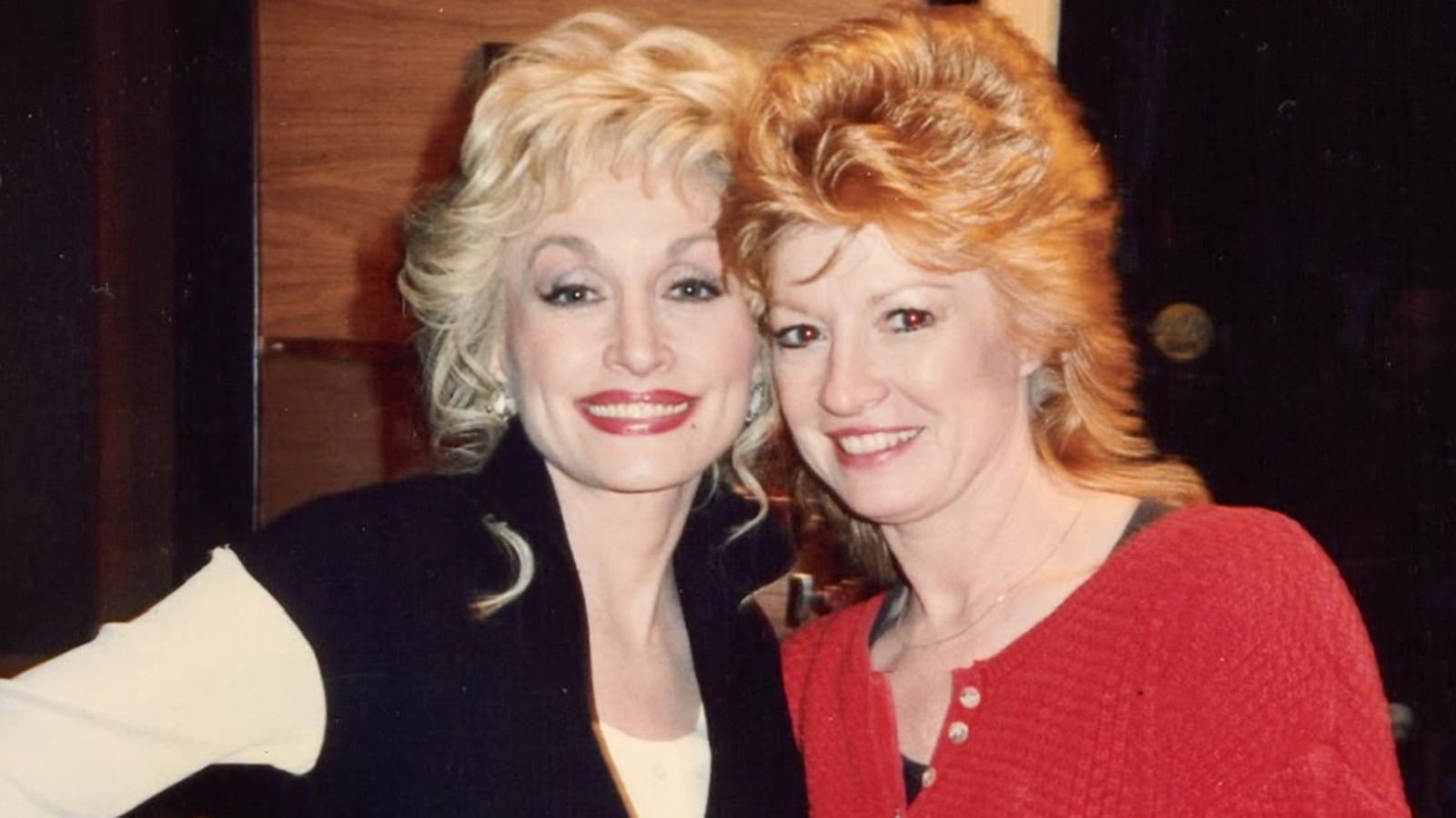
On June 8, 2026, Dolly Parton posted an old photograph of herself beside a woman most casual fans could not have named.
The woman was Judy Ogle.
No rhinestone gowns.
No red carpet.
No celebrity duet partner.
Just Dolly and the friend who had known her since they were Tennessee schoolgirls.
It was National Best Friends Day, and Dolly used the occasion to say something unusually personal.
Judy, she explained, had traveled with her, worked as her assistant, shared years of adventures and laughter, and remained there whenever Dolly needed her.
Then came the line that now carries a weight nobody could have predicted:
“I can’t imagine my years on the road (or my life) without her.”
Less than three months later, Dolly Parton was dead.
She died on August 25, 2026, at age 80 after a brief battle with cancer.
Tributes immediately poured in from singers, actors, politicians, friends and family.
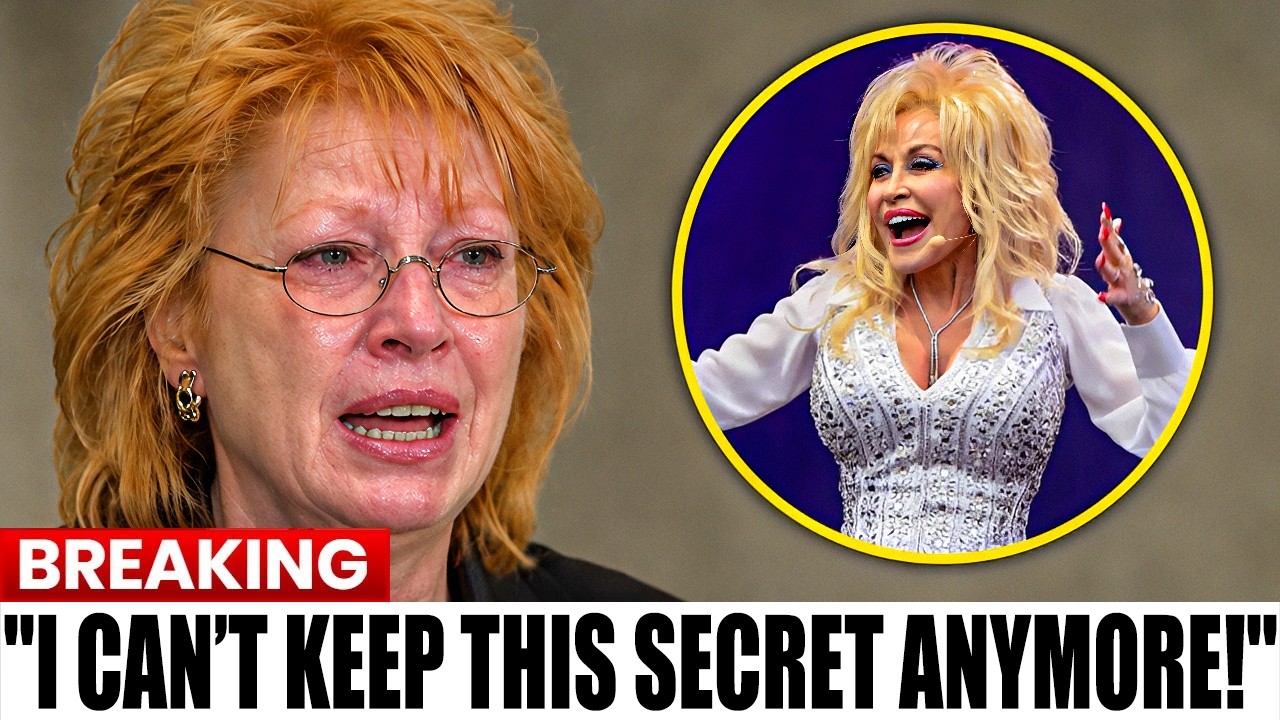
And almost as quickly, stories began spreading online claiming that Judy Ogle had finally “broken her silence,” supposedly revealing secret conversations, dramatic final moments and intimate last words from Dolly’s bedside.
There is a problem.
No reliable public record currently supports those sensational post-death statements attributed to Judy.
But the real story of Judy Ogle and Dolly Parton does not need an invented final confession.
Dolly had already spent decades telling us exactly what Judy meant to her.
And what she said reveals something far more interesting than a last-minute Hollywood secret.
It reveals the woman who knew Dolly before Nashville, before “Jolene,” before Dollywood, before the wigs became famous—and who remained one of the few constants in Dolly’s life for more than seven decades.
1. Judy Knew Dolly Before There Was a “Dolly Parton”
Long before the world knew the towering hair, rhinestones and exaggerated curves, Dolly Rebecca Parton was a child growing up in East Tennessee.
She was one of 12 children.
Her family had little money.
Music was everywhere.
Church.
Home.
Radio.
Family gatherings.
Dolly stood out early.
She loved attention.
She loved singing.
She loved dreaming bigger than the mountains around her.
Judy Ogle was different.
Quiet.
Reserved.
Soft-spoken.
Years later, Dolly described the contrast between them very simply.
Judy was quiet.
Dolly was outgoing.
That difference, Dolly believed, was exactly why they worked.
2. They Met When They Were Still Children
In a 2019 interview, Dolly said she and Judy had already been friends for 64 years.
That placed the beginning of their friendship back in the 1950s, when both were still children.
Dolly later said they had been best friends since around the third or fourth grade.
They went through school together.
At the time, Judy was not befriending a future global superstar.
She was befriending another Tennessee girl.
That distinction matters.
Almost everyone who entered Dolly’s life later knew something about what she had become.
Judy knew who she had been before any of it existed.
3. Dolly Called Them “Like Sisters”
As Dolly grew older, she repeatedly used family language to describe Judy.
They were “like sisters.”
It made sense.
A friendship that begins in childhood and survives into old age eventually becomes something larger than ordinary friendship.
The people who knew you at nine remember versions of you nobody else can access.
They remember before the money.
Before the disappointments.
Before the public image becomes fixed.
Judy could look at the most famous country singer in America and still remember the schoolgirl.
For Dolly, that became increasingly rare.
## 4. Then Dolly Left for Nashville
After graduating from high school in 1964, Dolly headed for Nashville.
She was 18.
She wanted to write songs.
Sing.
Make records.
Become famous.
There was no guarantee any of it would happen.
Nashville was filled with young people carrying guitars and ambitions.
Dolly had something unusual, however.
She possessed enormous confidence in the future version of herself.
She behaved as though the life she imagined was already waiting somewhere ahead.
Eventually, it was.
## 5. The World Around Dolly Began Changing Quickly
By the late 1960s, Dolly had joined Porter Wagoner’s television show.
Her face entered homes across America.
Her songs climbed the country charts.
Her clothes became brighter.
Her hair became bigger.
Her schedule became harder.
Success brought people.
Managers.
Musicians.
Publicists.
Promoters.
Fans.
Reporters.
Almost everybody wanted something from Dolly Parton.
That made the people who had wanted nothing from her before fame increasingly valuable.
Judy was one of them.
## 6. Judy Eventually Became Part of Dolly’s Professional Life
Judy did not remain simply an old friend Dolly called occasionally from the road.
She became part of the machinery surrounding Dolly’s career.
She traveled with her.
She worked as a personal assistant.
She helped Dolly manage the endless practical details that follow a successful entertainer from city to city.
Photographs over the years often show Judy slightly behind Dolly.
Nearby.
Watching.
Helping.
Rarely demanding the camera.
It was exactly the position that suited her personality.
Dolly occupied the spotlight.
Judy helped make the life around that spotlight manageable.
## 7. Judy Saw the Part of Fame Audiences Never Did
Fans saw the finished performance.
Judy saw what came before and after.
The travel.
The exhaustion.
The changing clothes.
The preparation.
The waiting.
The endless movement.
The nights when everybody wanted another photograph.
Another interview.
Another song.
Another smile.
Dolly built her public identity around humor and apparently endless energy.
But no human being is “on” every hour of every day.
People like Judy existed in the space after Dolly Parton stopped performing Dolly Parton.
8. Even Reporters Noticed Judy Was Always Close
In a 2014 interview with The Guardian, the writer noticed a woman constantly circling Dolly during the day.
She stayed close.
She helped manage Dolly’s hair.
She watched the details.
That woman was Judy Ogle.
By then, Judy had been part of Dolly’s world for so long that her presence required little explanation inside the organization.
She was simply there.
To outsiders, however, that closeness repeatedly generated questions.
## 9. Fame Had One Question It Would Not Stop Asking
Dolly Parton married Carl Dean in 1966.
Their marriage lasted until Carl’s death in March 2025.
Yet Carl almost completely avoided public life.
He rarely appeared beside Dolly.
He disliked entertainment-industry events.
He did not become a celebrity husband.
Judy, meanwhile, was frequently around Dolly professionally.
The combination fascinated tabloids.
If Dolly’s husband was rarely seen and Judy was often nearby, some people decided there must be another explanation.
The rumors continued for decades.
10. Dolly Answered Them Again and Again
Dolly did not pretend she had never heard the speculation.
She addressed it directly.
In 1993, she said of Judy:
“We have done everything together, but not that.”
She rejected the idea that their friendship was romantic.
But what bothered Dolly seemed to be larger than the specific rumor.
She could not understand why people felt compelled to turn an unusually deep friendship into something scandalous.
“Why is it that they have to dirty every beautiful thing?” she asked.
That sentence says much about how Dolly viewed Judy.
11. Dolly Was Not Embarrassed by the Depth of Their Bond
Almost two decades later, Dolly addressed the same subject again.
She compared the rumors about herself and Judy to similar speculation involving Oprah Winfrey and Gayle King.
People, she said, seemed unable to believe two women could simply be that close.
Dolly said Judy had been her best friend since childhood.
She also made something else clear:
“I love her as much as I love anybody in the whole world.”
Then she again denied that the relationship was romantic.
There was no shame in how much she loved Judy.
Only frustration that outsiders insisted on defining that love for her.
12. She Eventually Called It “A Precious Friendship”
By 2014, Dolly had lived with the rumors for decades.
Her answer became almost beautifully simple.
She called what she shared with Judy:
“A precious friendship.”
No elaborate explanation.
No scandal.
No apology.
No need to convince anyone.
Two words were enough.
13. Then Dolly Said Something Even More Revealing
During the same period, a journalist suggested that Carl Dean must have been the stabilizing “rock” in Dolly’s life.
Dolly corrected the idea.
Yes, Carl mattered enormously.
But he was not the only one.
Dolly said God had given her Carl Dean.
And God had given her Judy Ogle.
Then she said:
“Those two people actually have been the rock.”
That is one of the clearest descriptions Dolly ever gave of her private emotional world.
Carl and Judy occupied different roles.
One was her husband.
One was her lifelong best friend.
But together they represented stability in a life defined by constant movement.
14. The Two Least Famous People Around Dolly May Have Known Her Best
Think about the contrast.
Dolly Parton spent decades surrounded by famous people.
Kenny Rogers.
Willie Nelson.
Reba McEntire.
Jane Fonda.
Lily Tomlin.
Whitney Houston.
Emmylou Harris.
Linda Ronstadt.
Miley Cyrus.
The list seems endless.
Yet when she talked about the people who kept her grounded, she did not name another superstar.
She named Carl Dean.
And Judy Ogle.
Two people who generally preferred not to be famous.
Perhaps that was not a coincidence.
15. Judy’s Quietness Became a Form of Protection
Celebrity friendships can be unstable.
People write books.
Sell stories.
Give interviews.
Turn private conversations into public currency.
Judy built almost the opposite reputation.
She rarely spoke publicly about Dolly.
That silence is sometimes misunderstood now as though Judy spent decades hiding a dramatic secret.
There is another interpretation.
Privacy itself may have been part of the friendship.
Dolly lived a public life.
Judy did not need to.
And Dolly could trust a person who understood the difference.
16. But Their Friendship Was Not Perfect
This is where the story becomes more interesting.
Long friendships are often turned into mythology after one person dies.
Every year becomes happy.
Every disagreement disappears.
Every difficult period gets erased.
Dolly and Judy did have a serious rupture.
It happened in the 1970s, while Dolly’s career was accelerating.
And even the people who were there later disagreed about exactly what caused it.
17. In 1977, Judy Abruptly Left the Road
Judy had been helping keep Dolly’s professional life organized.
Then, in 1977, she returned home.
Members of Dolly’s band remembered the departure differently.
Some believed Judy had simply become tired of road life.
Others thought new management may have changed the need for her position.
There was also speculation that management had concerns about how close the two women appeared.
But none of those explanations can safely be treated as the single established truth.
Another person who worked closely with Dolly remembered something more personal.
18. A Guitarist Said Judy Cared Too Much
Guitarist Don Roth later described Judy as quiet, intelligent and deeply protective of Dolly.
According to his account, Judy absorbed the pressures surrounding her friend.
If band members complained, Judy took it personally.
If Dolly had a difficult time, Judy worried.
Road life could already be exhausting.
For Judy, the emotional burden of watching her best friend endure it may have made the job even harder.
Roth believed Dolly eventually decided the arrangement was hurting Judy more than helping her.
19. Dolly May Have Been Protecting the Friendship by Ending the Job
Roth remembered Dolly essentially deciding that Judy needed to leave the road.
Not because she no longer loved her.
But because being both employee and fiercely protective lifelong friend had become too difficult.
That is a very different story from the later claim that Dolly fired Judy because scandalous rumors were threatening her career.
Could management concerns have played some role?
Some people around the operation wondered about it.
But there is not enough evidence to state that as fact.
The safer truth is also the more human one:
Working together placed enormous pressure on a friendship that had begun long before either woman had imagined celebrity logistics.
20. And For a Time, They Apparently Stopped Speaking
Another musician, Tom Rutledge, later remembered that Dolly and Judy had a falling out.
The separation lasted for months.
By the spring of 1978, he said, they had spoken again for the first time in roughly a year.
The friendship had survived.
The working arrangement had changed.
That distinction became important.
Sometimes keeping someone in your life means no longer trying to work with them in the same way.
21. The Rupture Could Have Ended Everything
Many friendships do not survive a professional breakup.
Money complicates things.
Authority complicates things.
Being someone’s boss changes the emotional balance.
Add fame, exhaustion and an entire touring organization and the pressure becomes even greater.
Dolly and Judy could have walked away permanently.
They did not.
Whatever anger existed eventually passed.
The friendship outlived the job.
22. Judy Returned to Dolly’s World in a Different Way
Over the decades that followed, Judy remained part of Dolly’s private and professional orbit.
She traveled with her.
Stayed close.
Helped behind the scenes.
And eventually performed another task whose importance only became clear much later.
She saved things.
Clothes.
Photographs.
Memorabilia.
Pieces of Dolly Parton history.
At the time, nobody could know how valuable that work would become.
23. Judy Helped Build the Archive That Preserved Dolly’s Visual History
Dolly’s clothing became almost as recognizable as her music.
The rhinestones.
The wigs.
The stage gowns.
The exaggerated silhouettes.
The boots.
The costumes from movies, tours and awards shows.
Those objects could easily have disappeared.
Instead, Judy began preserving them.
Dolly later credited her directly for helping assemble the clothing archive.
In *Behind the Seams: My Life in Rhinestones*, Dolly explained that Judy had saved and cared for her things from early in her career.
Without Judy, Dolly said, many of the clothes and photographs would no longer exist.
24. That Work Became a Legacy of Its Own
Today, Dolly’s wardrobe is not merely old stage clothing.
It is cultural history.
Exhibitions.
Museum displays.
Books.
Archives.
Costumes that document changing decades of American entertainment.
Later archivists, including Dolly’s niece Rebecca Seaver, built on what Judy had started.
So Judy did more than help Dolly survive life on the road.
She helped preserve the physical evidence of that life.
The quiet friend became one of the keepers of the loudest wardrobe in country music.
25. Dolly Trusted Judy With the Difference Between Costume and Identity
People sometimes misunderstood Dolly’s artificial appearance.
She did not.
Dolly repeatedly explained that the hair, makeup and exaggerated clothes were not an attempt to fool anyone.
They were creative expression.
She famously joked that it cost a lot of money to look so cheap.
Judy understood that joke from the inside.
She knew the costumes.
She knew the woman underneath them.
And apparently neither version threatened the other.
26. One Famous Story Captured That Difference Perfectly
Dolly often explained that she preferred to keep herself somewhat made up even at night.
The reason was partly comic and partly practical.
What if there was a fire?
A tornado?
An earthquake?
She did not want to rush outside looking completely unlike the Dolly people expected to see.
Stories circulated about emergencies in which Dolly still worried about her appearance.
They became part of her legend.
But people like Judy understood the machinery behind the joke.
Dolly could laugh at the image because she controlled it.
27. Judy Was There When Dolly Wasn’t Performing for an Audience
This may be the most important part of their relationship.
Millions knew the stage voice.
The interview laugh.
The one-liners.
The glamorous dresses.
Judy knew the hours between them.
Long drives.
Hotels.
Early mornings.
Private meals.
Unflattering light.
Exhaustion.
Ordinary conversation.
A celebrity can have millions of admirers and very few witnesses to ordinary life.
Judy was one of Dolly’s witnesses.
28. Carl Dean and Judy Represented Two Different Kinds of Home
Carl built a life outside show business.
Judy could travel within Dolly’s professional world while still carrying the memory of Tennessee before fame.
That gave Dolly two different forms of stability.
Carl represented the private home Dolly could return to.
Judy represented home moving with her.
This helps explain why Dolly grouped them together when she talked about her “rock.”
They were not interchangeable.
They were complementary.
## 29. Dolly Never Needed Judy to Become Famous
This may also explain why the relationship lasted.
Judy could have spent decades turning proximity to Dolly into celebrity.
She did not.
She rarely placed herself at the center of public attention.
Even now, after Dolly’s death, the strongest documented accounts of their friendship overwhelmingly come from Dolly herself.
That is unusual.
And it makes the current internet claim that Judy suddenly issued a sprawling, deeply detailed public confession after Dolly died especially questionable.
It would represent a dramatic break from the pattern of a lifetime.
## 30. Dolly Defended Judy Without Turning Her Into a Public Character
When reporters asked about the rumors, Dolly answered.
But she rarely exposed Judy unnecessarily.
She protected the friendship while acknowledging its depth.
That balance appears again and again.
Yes, Judy is essential to me.
No, you do not get to define what that means.
That attitude fits something Dolly once said about her own privacy.
She was public.
But part of her remained private.
People might think they were going to uncover everything.
They would only know what Dolly chose to tell them.
## 31. The Friendship Survived a World That Wanted to Label It
For decades, Dolly and Judy were subjected to the same question.
Why are you so close?
What does it really mean?
Surely there must be something else.
Dolly’s frustration makes more sense when viewed across a lifetime.
Imagine being asked repeatedly to defend a friendship that had existed since childhood simply because outsiders could not understand its intensity.
Dolly’s answer never meaningfully changed.
She loved Judy deeply.
They were not romantic partners.
The friendship did not require another category to make it legitimate.
## 32. By 2019, Dolly Was Still Talking About Judy
More than six decades after they first became friends, Dolly spoke publicly about Judy with the same affection.
She said they were like sisters.
She described their opposite personalities.
Judy quiet.
Dolly outgoing.
Perfect friends.
All through school together.
There is something striking about hearing an international superstar describe a friendship using memories that belong to childhood.
No Grammy.
No movie.
No chart position.
Just school.
## 33. Then Carl Dean Died
On March 3, 2025, Dolly lost Carl after nearly 59 years of marriage.
He was 82.
For most of Dolly’s adult life, Carl had been one of the private anchors beneath the public career.
His death changed the emotional landscape around her.
Dolly later spoke about grief and admitted that while focusing on Carl’s health, she had not always paid enough attention to her own.
Her own health problems eventually became increasingly serious.
Through that period, Judy remained one of the longest relationships left in Dolly’s life.
## 34. June 8, 2026 Now Reads Differently
That is why Dolly’s National Best Friends Day post matters so much.
At the time, it looked like a sweet celebrity tribute.
A throwback photograph.
A few affectionate lines.
Nothing about it was presented as a farewell.
Dolly was still working.
Planning.
Looking ahead.
But history changed the meaning of the post.
She explicitly thanked Judy for traveling with her.
Working as her assistant.
Being there whenever she was needed.
Sharing adventures.
Sharing laughter.
And then:
“I can’t imagine my years on the road (or my life) without her.”
Seventy-eight days later, Dolly was gone.
## 35. Dolly Died on August 25, 2026
Her nephew Bryan Seaver announced the news.
Dolly was 80.
Her publicist later confirmed that she had died after a brief battle with cancer.
The death triggered an extraordinary wave of mourning.
Country singers.
Pop stars.
Actors.
Political figures.
Fans.
People Dolly had helped.
People whose children had received books through the Imagination Library.
People who had grown up listening to her songs.
The public grief was enormous.
But the grief of a childhood friend belongs to another category entirely.
## 36. And Yet Judy Did Not Need to “Break Her Silence” for Us to Understand the Loss
That phrase makes a powerful headline.
But it misunderstands the relationship.
Judy Ogle was never famous for explaining Dolly Parton.
She was famous—if she can be called famous at all—for staying close to her.
The reliable public record after Dolly’s death has not produced the sweeping Judy statement now circulating in some online retellings.
No verified bedside monologue.
No confirmed declaration that Judy held Dolly’s hand during her final moments.
No authenticated announcement of a new Judy-led foundation.
Those details may sound moving.
They should not be presented as facts without evidence.
The documented story is strong enough without them.
## 37. Dolly Had Already Explained Judy’s Place in Her Life
She did it in 1993 when she defended the beauty of their friendship.
She did it again in 2012 when she said she loved Judy as much as almost anyone in the world.
She did it in 2014 when she called Judy and Carl the two people who had been her rock.
She did it through her archive, crediting Judy with preserving decades of clothing and history.
She did it in 2019 when she described them as sisters.
And she did it again in June 2026.
There is no missing confession required to complete the picture.
## 38. Judy’s Greatest Contribution May Have Been That Dolly Could Still Be Dolly Around Her
Fame changes relationships because fame changes information.
A new friend knows the hit songs.
The awards.
The public image.
The scandals.
The money.
The legend enters the room before the person does.
Judy’s friendship began before any of that.
To Judy, Dolly Parton could never be only Dolly Parton.
She was also the Tennessee girl she had known in school.
That kind of relationship cannot be created later.
Money cannot buy it.
Celebrity cannot manufacture it.
## 39. The Separation in the 1970s Actually Makes Their Story Stronger
Perfect friendships are difficult to believe.
Real friendships get tested.
Dolly and Judy learned that childhood closeness did not automatically make working together easy.
The road became too complicated.
Emotions became too involved.
They separated.
For months, they apparently stopped talking.
Then they found their way back.
The friendship that survived was probably different from the one that had existed before.
Perhaps stronger because they had finally learned what it could and could not carry.
## 40. Fame Could Change Their Jobs. It Could Not Rewrite Their History
Judy might be an assistant one year and not another.
Management could change.
Tours could end.
Public rumors could intensify.
Dolly could become more famous than either girl had imagined.
But none of those things could change the fact that Judy had known Dolly before strangers wanted photographs of her.
Before reporters asked about her marriage.
Before journalists investigated her friendships.
Before Dolly Parton became a cultural symbol.
Their history belonged to them before it belonged to the public.
## 41. The Archive Is an Unexpected Symbol of Their Friendship
There is something almost poetic about the work Judy eventually did preserving Dolly’s clothes.
Dolly moved constantly.
New song.
New tour.
New dress.
New city.
New decade.
Fame is built around the next thing.
Judy saved the old things.
She preserved what might otherwise have disappeared.
A gown.
A photograph.
A piece of stage history.
In a sense, that was what Judy had been doing emotionally for Dolly all along.
Remembering where she came from while the rest of the world watched where she was going.
## 42. Dolly’s Life Had Millions of Spectators but Very Few Continuities
People came and went.
Band members.
Managers.
Record executives.
Film directors.
Television producers.
Publicists.
Collaborators.
Some relationships lasted years.
Others lasted one project.
Judy lasted decades.
Carl lasted nearly six decades.
Dolly noticed that difference.
That is why her description of them as her “rock” matters.
Longevity had value in a life built around change.
## 43. After Dolly’s Death, Judy’s Silence May Say More Than a Speech Could
There is a natural hunger after a famous person dies.
People want the last conversation.
The final joke.
The final secret.
Who was in the room?
What did she say?
What did her closest friend know?
But perhaps Judy Ogle’s role in Dolly’s life should not be measured by what she reveals now.
Perhaps it should be measured by what she protected for seven decades.
Privacy.
Trust.
Ordinary companionship.
The parts of Dolly Parton that never became content.
## 44. Dolly Knew Exactly How Rare That Was
She had lived long enough to lose people.
Parents.
Siblings.
Friends.
Collaborators.
Carl.
She also understood that careers end.
Applause stops.
Songs survive, but singers do not.
What remains after the noise is often much simpler.
Who knew you?
Who stayed?
Who could remember you before you had anything to offer them?
For Dolly, Judy Ogle answered all three questions.
## 45. The Most Powerful Tribute Came Before Dolly Died
That is the final irony.
The internet may continue searching for Judy’s dramatic first statement after Dolly’s death.
But one of the most meaningful statements about their friendship had already been made.
By Dolly.
June 8, 2026.
An old photograph.
A childhood friend.
A public thank-you.
No scandal.
No “dark truth.”
No secret romance revealed.
Just gratitude.
Dolly Parton had spent decades explaining that Judy Ogle was more than an employee and more than a name in the background.
She was the quiet girl who balanced the outgoing girl.
The school friend who became a sister.
The assistant who became a keeper of history.
The woman whose friendship survived being mixed with business.
The person who endured rumors without allowing them to define the relationship.
One of the two people Dolly herself said had been her rock.
And less than three months before she died, Dolly gave the world perhaps the simplest description of all:
She could not imagine her life without Judy.
That may be why no sensational final confession is necessary.
For more than seventy years, Judy Ogle rarely needed to explain what the friendship meant.
Dolly had already told us.
Again and again.
The world got the rhinestones.
The songs.
The jokes.
The movies.
The theme park.
The enormous blond wigs.
Judy knew the girl underneath all of it.
And some friendships are extraordinary not because they finally reveal a secret—
but because, through every version of a life, they stay.
“`