For millions of Americans who grew up watching The Honeymooners, some television characters never really disappeared.
Ralph Kramden was still roaring from that cramped Brooklyn apartment. Alice was still standing across the kitchen table, arms folded, waiting for her husband’s latest ridiculous plan to collapse. And somewhere nearby, Ed Norton was still taking forever to do something simple, turning a few seconds of silence into one of the biggest laughs of the night.
But when the golden years of The Honeymooners were over, something curious happened.
Art Carney and Audrey Meadows — two performers forever linked by one of television’s most beloved ensembles — largely went on with separate lives.
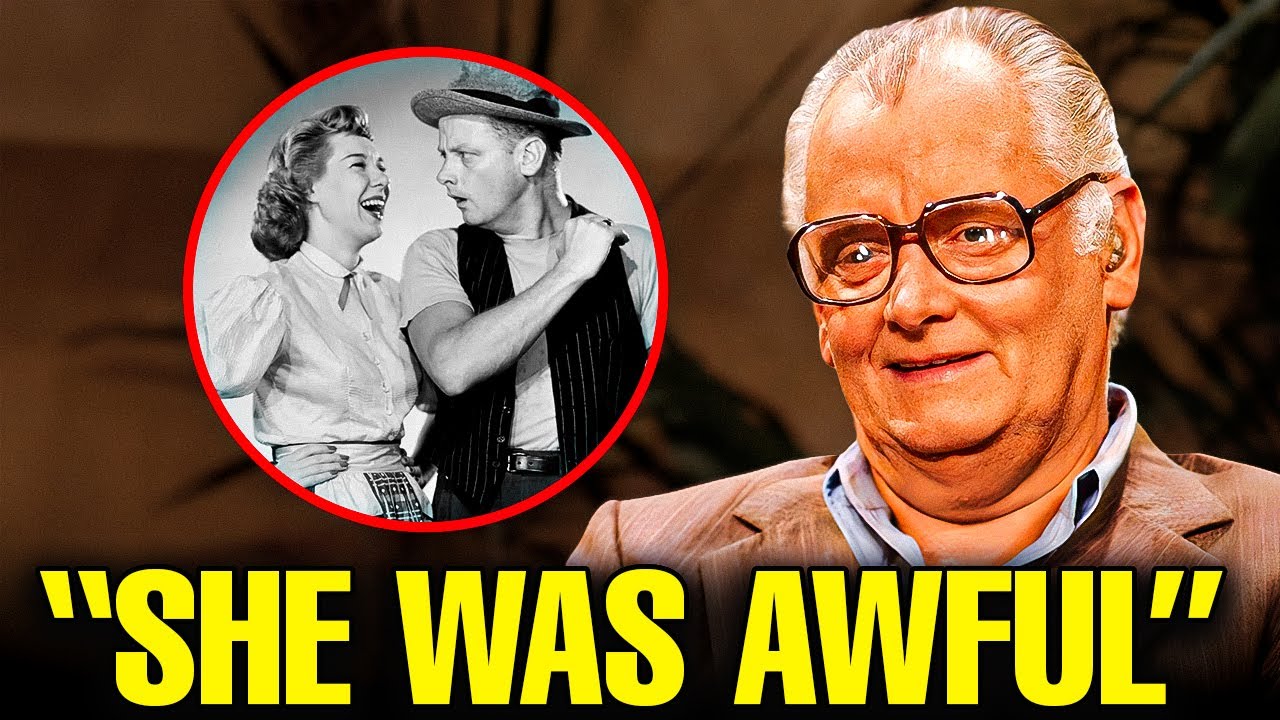
For years, fans could easily imagine a darker explanation.
Had something happened behind the scenes?
Had there been resentment?
Had old friendships fractured once the cameras stopped rolling?
Classic Hollywood and early television were filled with stories of performers who smiled together on camera while barely speaking backstage. So it was tempting to assume that Carney and Meadows had simply become another forgotten Hollywood feud.
Except that the evidence tells a very different story.
And when the two actors finally appeared together again decades later, Art Carney himself gave an answer that quietly demolished the idea of some bitter secret war.
To understand why their reunion mattered, however, you have to go back to the apartment on Chauncey Street.
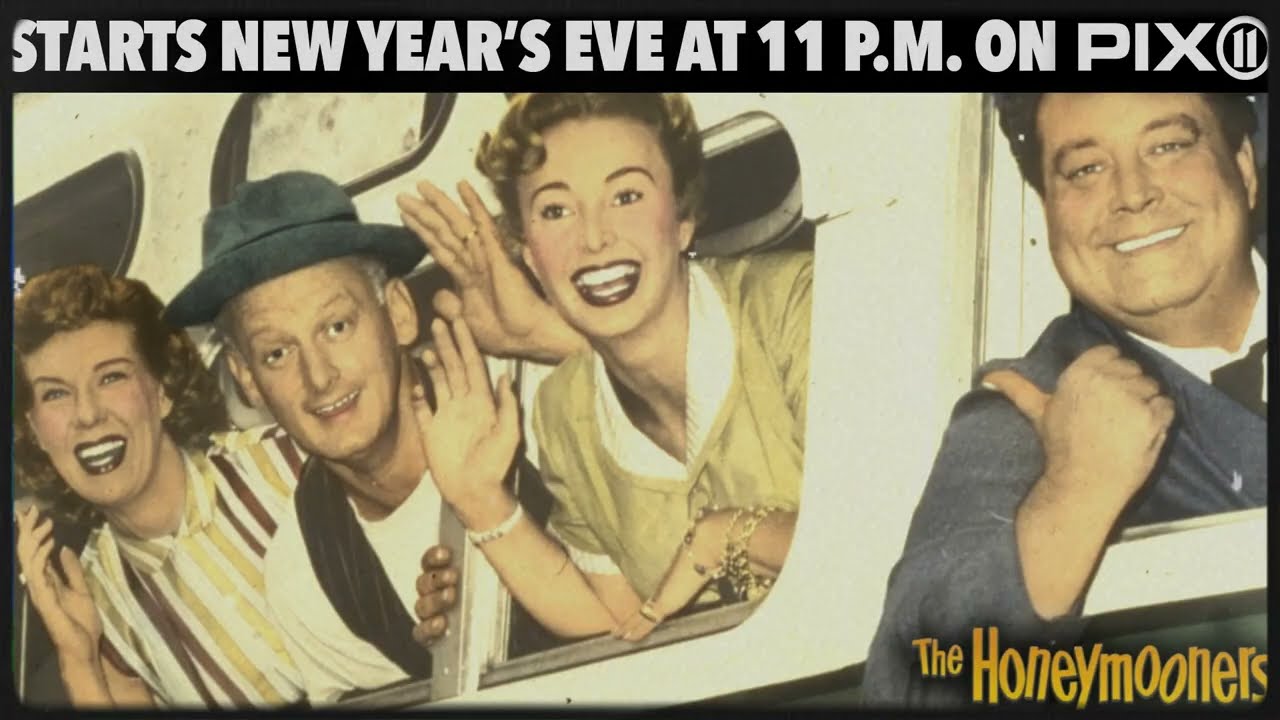
Four Actors, One Tiny Apartment, and Television Magic
When people remember The Honeymooners, Jackie Gleason naturally dominates the picture.
As bus driver Ralph Kramden, Gleason was enormous in every sense of the word — loud, impulsive, frustrated, boastful, and forever convinced that his next scheme would finally carry him out of his working-class life.
Audrey Meadows provided the perfect counterweight.
Her Alice Kramden didn’t need to shout as loudly as Ralph. Often, a raised eyebrow or one dry sentence was enough to puncture his confidence.
And then there was Art Carney.
As Ed Norton, Ralph’s best friend and upstairs neighbor, Carney created something extraordinarily difficult: a foolish character who never felt like a fool.
Norton was a sewer worker in a battered hat and vest, an eternal optimist who could turn the smallest task into an elaborate ritual.
Give Norton a piano.
A golf club.
A piece of paper.
A simple instruction.
And somehow Carney could stretch the moment until the audience was almost begging for the punch line.
Then he would wait one extra beat.
And the room would explode.
Carney understood that comedy wasn’t always about delivering a joke quickly.
Sometimes the joke was the waiting.
Sometimes it was a look.
Sometimes it was the peculiar way Norton moved his shoulders or stared blankly at Ralph while Ralph’s blood pressure seemed ready to burst through the television screen.
Gleason had the thunder. Carney had the timing.
Together, they created one of the great comic partnerships of early television.
Audrey Meadows later remembered her years with Gleason warmly as well. Whatever mythology eventually grew around the production, the surviving cast members did not spend their later years describing The Honeymooners as some poisonous battlefield.
In fact, Carney would eventually say something remarkable about his relationship with Gleason: despite all the volatility audiences associated with Ralph Kramden, Carney said he and Gleason had never had a serious fight or disagreement.
They simply clicked.
That matters, because it reveals something frequently lost when people look back at old television.
The drama people imagine decades later is not always the drama that actually happened.
And that appears to be true of Carney and Meadows, too.
Art Carney Was Nothing Like Ed Norton
Ed Norton seemed incapable of keeping anything inside.
Art Carney was almost the opposite.
Born in Mount Vernon, New York, in 1918, Carney was the youngest of six sons. Long before millions of Americans knew his face, he had discovered that he could imitate voices and make people laugh.
But by accounts of his life, Carney was naturally shy and introverted.
Radio suited him beautifully.
Behind a microphone, he could become somebody else without having to live like a celebrity.
Then history interrupted.
During World War II, Carney entered the U.S. Army and was sent to Europe.
In 1944, during the Allied invasion of Normandy, he was wounded by shrapnel in his leg. The injury left one leg nearly an inch shorter than the other and gave him a limp that remained with him for the rest of his life.
The happy, loose-limbed Norton whom audiences would later watch bouncing around Ralph Kramden’s apartment was being played by a man who had already returned from war carrying a permanent physical reminder of it.
But the deeper difficulties in Carney’s life were less visible.
Long before The Honeymooners made him famous, alcohol had already begun creating problems for him.
And eventually those problems grew much worse.
The Man Making America Laugh Was Struggling Off Camera
There is a cruel contradiction in comedy that audiences rarely see.
The person making everyone else laugh may be living through something completely different when the show ends.
Carney struggled with alcoholism and depression for years.
His drinking affected both his career and his personal life.
During the original Broadway production of Neil Simon’s The Odd Couple in the 1960s, where Carney played Felix Unger opposite Walter Matthau, his personal problems became so serious that he eventually left the production and entered psychiatric treatment in Connecticut.
He remained there for months.
By then, the smiling man in the porkpie hat had become one of television’s most recognizable faces.
But recognition did not make life easier.
His marriage had fallen apart. Alcohol had taken a toll. His emotional health had deteriorated.
The man audiences remembered as Ralph Kramden’s endlessly loyal friend was having trouble holding his own life together.
This is where the story of Carney and Meadows becomes far more interesting than a supposed feud.
Because there is no compelling evidence of some dramatic confrontation between them.
No famous screaming match.
No explosive accusation.
No decades-long public exchange of insults.
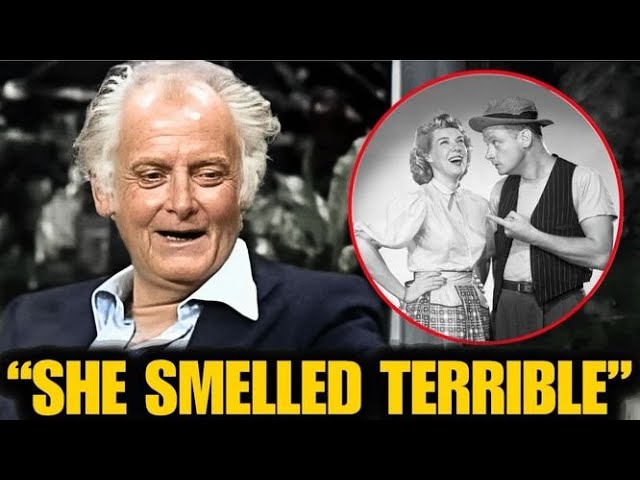
Instead, they appear to have done what countless actors did in an era before social media, podcast reunions and constant celebrity retrospectives:
They finished an important chapter of their careers and went on with their lives.
And Carney’s life, in particular, became complicated.
Fame Didn’t Turn the Cast Into a Permanent Family
Modern audiences are accustomed to television casts behaving almost like lifelong clubs.
Actors reunite for anniversary specials.
They appear on podcasts together.
They post old photographs.
They answer fan questions at conventions.
They celebrate milestone birthdays publicly and share memories whenever a former castmate dies.
That expectation can distort how we view stars from an earlier generation.
Television in the 1950s was different.
A show was work.
The people beside you might become friends, but they were also colleagues. When a production ended, actors moved to another stage, another radio program, another television studio or another city.
There was no requirement that they spend the next forty years proving their friendship to the public.
And Carney had another reason not to turn his past into a permanent public performance.
He never seemed desperate to live forever as Ed Norton.
He respected the role. He understood what it had given him.
But he was an actor.
He wanted other parts.
And eventually he found one that stunned almost everybody.
Then Hollywood Saw Art Carney Differently
By the early 1970s, many viewers might reasonably have assumed that Art Carney’s greatest professional days were behind him.
Ed Norton was already becoming television history.
Then director Paul Mazursky cast him in Harry and Tonto.
Carney played Harry Coombes, an elderly widower who travels across America with his cat after losing his New York home.
It was not Ed Norton.
There was little of the broad physical comedy that had made him famous.
Instead, Carney gave the character tenderness, loneliness, humor and weariness.
The performance transformed the way many people looked at him.
And then came one of the great surprises in Academy Awards history.
At the 1975 Oscars, Carney was nominated for Best Actor against an extraordinary field:
Al Pacino for The Godfather Part II.
Jack Nicholson for Chinatown.
Dustin Hoffman for Lenny.
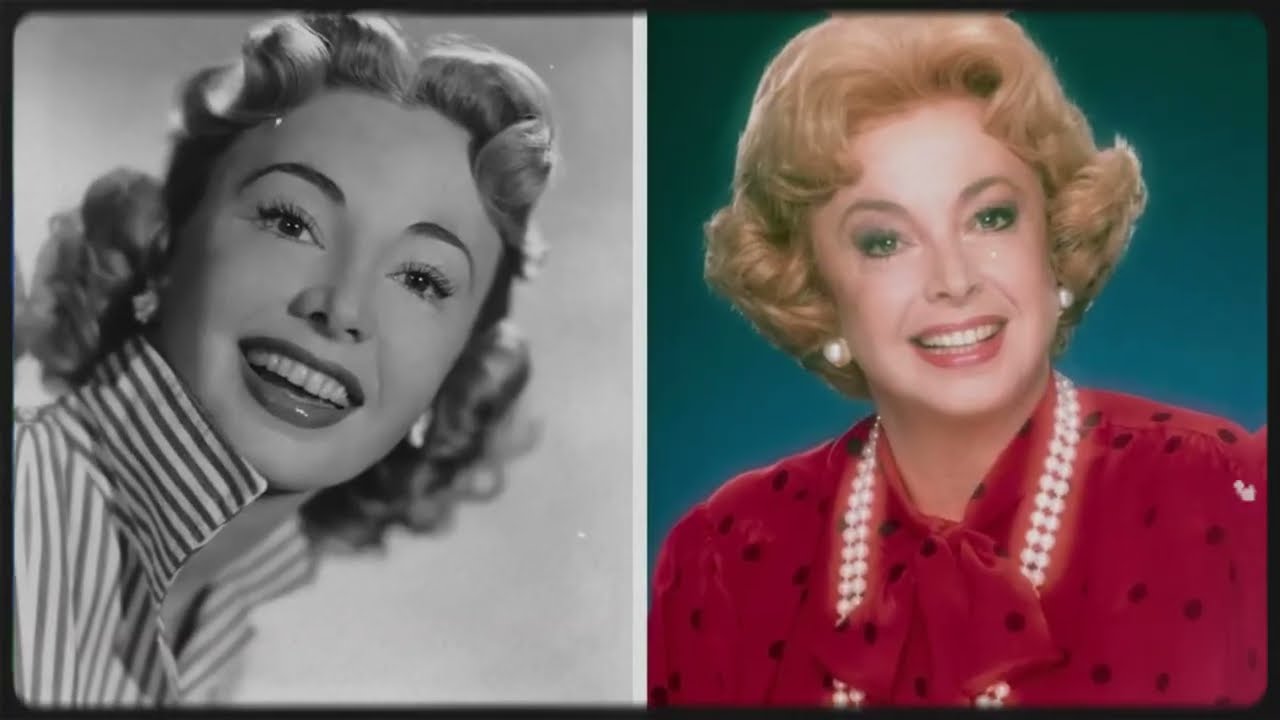
Albert Finney for Murder on the Orient Express.
When the envelope was opened, Art Carney won.
The sewer worker from The Honeymooners had beaten some of the most celebrated dramatic actors of his generation.
It proved something Carney had known all along.
Ed Norton had never been all he could do.
Yet success did not suddenly transform him into a Hollywood socialite.
Carney continued working, but he increasingly preferred a quieter existence.
And his private life eventually came full circle in an almost unbelievable way.
He had married his high-school sweetheart, Jean Myers, in 1940. They later divorced. Carney married another woman; Jean also remarried.
Years passed.
Then both second marriages ended.
And Carney and Jean found their way back to each other.
They remarried.
Years later, Carney described it simply as getting another chance.
For a man whose life had included war, addiction, divorce, depression and professional uncertainty, the second half of his life became less about chasing Hollywood and more about finding some peace.
Which brings us back to Audrey Meadows.
Because the story did not end with decades of permanent silence.
In 1990, Something Happened That Changes the Entire Story
More than three decades after their classic Honeymooners years, Art Carney and Audrey Meadows found themselves working together again.
It happened on the CBS sitcom Uncle Buck.
Meadows was appearing on the series as the family’s grandmother. Carney came aboard as a guest star playing an old con man named Pete.
For longtime television viewers, simply seeing them in the same scene carried enormous nostalgic weight.
There was Alice Kramden.
There was Ed Norton.
Except now they were older.
Ralph wasn’t there.
Trixie wasn’t there.
The cramped Brooklyn kitchen was gone.
Time had passed across their faces.
But something familiar remained.
The producers even gave the characters a romantic spark, an amusing idea for anyone who remembered Alice Kramden and Ed Norton sharing scenes decades earlier.
And then Carney was asked about working with Meadows again.
His answer was strikingly simple:
“It was a joy to work with her.”
That one sentence tells us more than decades of fan speculation ever could.
He also described their week together as very pleasant.
There was no bitterness in his remarks.
No carefully worded attempt to avoid her name.
No trace of an actor forced into an uncomfortable reunion with someone he had spent decades resenting.
Quite the opposite.
Carney said one reason he had agreed to do the episode was the opportunity to work with Audrey.
That does not sound like a secret feud.
And Uncle Buck was not their only reunion that year.
Carney, Meadows and Joyce Randolph — the beloved Trixie Norton — also appeared together at HBO’s Comic Relief event in 1990.
When the surviving Honeymooners cast members stepped onto the stage, the audience erupted.
After all those years, people still loved them.
Maybe that was the real bond.
Not endless phone calls.
Not Hollywood dinners.
Not a friendship constantly displayed for strangers.
But the knowledge that, together, they had created something audiences had never forgotten.
Audrey Meadows Never Needed to Tear Down the Past
Meadows herself remained deeply associated with Alice Kramden until her death in 1996.
And like Carney, she did not spend her later years trying to destroy the mythology of the show that made her famous.
She spoke warmly about Jackie Gleason.
She continued acting occasionally.
And when she and Carney were placed together again in 1990, there was no public sign that either one regarded the reunion as emotionally dangerous territory.
That is important.
Because celebrity stories often become more dramatic after the people involved are gone.
A period of distance becomes “a feud.”
A private personality becomes “a shocking secret.”
Two colleagues losing contact becomes “they never spoke again.”
But human relationships are usually more complicated — and sometimes much less sensational — than the headlines we build around them.
Carney and Meadows did not need to be lifelong best friends for their affection and respect to have been real.
Some relationships belong to a particular moment in life.
That doesn’t make them fake.
It makes them human.
The Sadder Story Was Art Carney’s Battle With Himself
If there is tragedy here, it isn’t that Art Carney secretly hated Audrey Meadows.
There is little reason to believe he did.
The deeper tragedy lies in how different Carney’s public image was from parts of his private life.
America saw Ed Norton.
A cheerful friend.
A man who could walk into Ralph Kramden’s apartment and make everything funnier.
But behind that character was a World War II veteran living with the effects of a serious combat wound.
A man who fought alcohol.
A man who went through depression and psychiatric treatment.
A man whose first marriage collapsed and who later spent years finding his way back to the woman he had once lost.
And yet Carney kept working.
He moved beyond Norton.
He conquered Broadway.
He won an Academy Award.
He made films with Lily Tomlin, George Burns and other major stars.
And somehow, decades after The Honeymooners, the public still wanted one thing from him.
Ed Norton.
Carney understood why.
People remembered Norton because Norton had made them laugh.
Near the end of that 1990 interview, Carney reflected on the extraordinary staying power of The Honeymooners.
His conclusion was simple:
When you make people laugh, they remember you.
That may be the real reason this story still matters.
There Was No Great Reconciliation Because There Was No Great War
Audrey Meadows died in 1996.
Art Carney died in Connecticut in 2003 at the age of 85.
By then, the television world that had created them was almost unrecognizable.
Shows were faster.
Production was different.
Celebrity itself had changed.
But The Honeymooners kept running.
And Ralph, Alice, Norton and Trixie somehow remained frozen in that tiny apartment where money was always short, Ralph was always dreaming, Alice always knew better, and Norton could turn walking through a doorway into comedy.
For anyone looking for a dramatic secret behind Art Carney and Audrey Meadows, the truth may initially sound less exciting than a feud.
They seem to have gone their separate ways because life went on.
Carney carried burdens that audiences rarely saw.
Meadows built a life beyond Alice.
Years passed.
Then, in 1990, television placed them together again.
And rather than revealing decades of hostility, the reunion revealed warmth.
Carney was happy to work with her.
The audience was thrilled to see them.
The old rhythm was still there.
Perhaps that is why the real story is ultimately more moving than the invented one.
There was no secret war that needed to be healed.
There were simply two aging performers meeting again after television had made them immortal.
For a brief moment, Ed Norton and Alice Kramden seemed to walk back into the same room.
And America remembered.
Not because of a scandal.
Not because of a feud.
But because more than thirty years earlier, four performers had walked onto a small television set and created something people loved enough to carry with them for the rest of their lives.