Before the rhinestones, before “Jolene,” before Hollywood, Dollywood, and a voice recognized around the world, Dolly Parton was simply one child in a house full of them.
There were twelve Parton children altogether.
They grew up in the hills of East Tennessee with very little money, surrounded by family, faith, chores, noise, arguments, music, and the kind of closeness that comes when there is nowhere to escape from one another.
America would eventually know one of those children better than almost any entertainer of her generation.
But what happened to the other eleven?
One became the family storyteller.
Two spent much of their lives building things rather than performing.
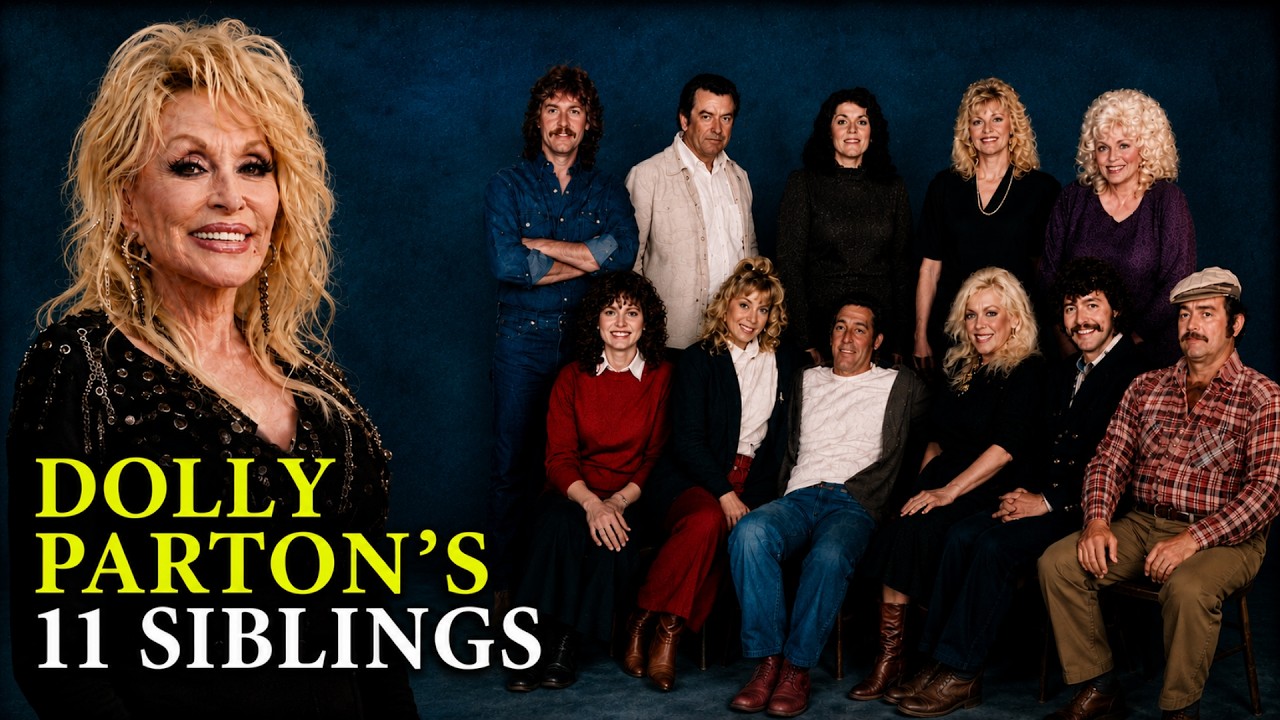
One remained so private that even devoted Dolly fans know almost nothing about him.
Several tried music.
One became an actress.
One became a minister.
One wrote songs that helped send his famous sister back to the top of the country charts.
One was at the center of a multimillion-dollar theater disaster.
And one little boy lived only four days — leaving Dolly with a childhood heartbreak she remembered for the rest of her life.
By the time Dolly died on August 25, 2026, at age 80, five of her brothers had already gone before her.
Six of the original twelve Parton children remained.
Their lives tell a story that is larger than celebrity.
It is the story of what happens when twelve children begin in the same Tennessee mountains — and then spend the next eight decades walking completely different roads.
Before Dolly Belonged to America, She Belonged to Them
Robert Lee Parton and Avie Lee Owens Parton raised their large family near the Great Smoky Mountains in Sevier County, Tennessee.
Money was scarce.
Music was not.
Songs were woven into daily family life. Avie Lee sang old ballads, gospel songs and mountain music. The children learned harmonies. They made up songs. They sang after supper and in church.
Dolly would later describe the family as poor, but she also repeatedly emphasized something else: they did not spend their childhood thinking only about what they lacked.
There was always someone to play with, fight with, sing with or help care for.
“With that many brothers and sisters there was plenty of teasing and fighting,” Dolly once recalled.
“But we were all in it together.”
That may be the most important sentence for understanding what followed.
Because fame would eventually separate Dolly from the family geographically, financially and publicly.
But it never erased the fact that she had begun as one of twelve.
And long before Dolly became the one everyone watched, the oldest Parton child had already been learning how to hold the family together.
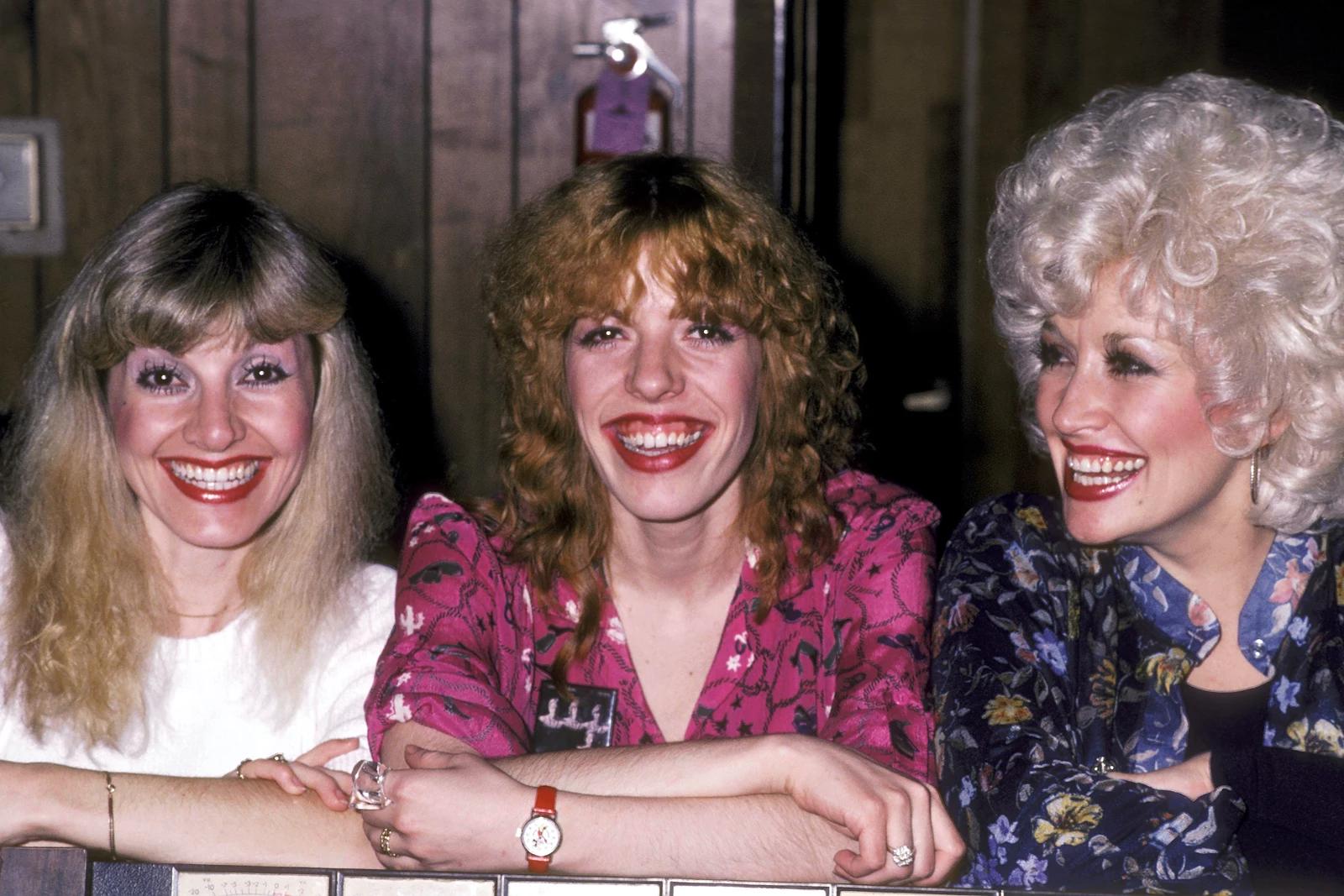
Willadeene Parton — The Sister Who Remembered Everything
Willadeene Parton was born in 1940, six years before Dolly.
As the oldest child, she often occupied a role somewhere between big sister and second mother.
In a family of twelve children, that mattered.
Older siblings helped with younger ones. Responsibilities were distributed because they had to be.
Willadeene had musical ability and sang gospel with members of the family, but unlike Dolly, she did not spend her life chasing a stage.
Instead, she eventually became something just as important to the Parton story:
the keeper of its memories.
In 1996, she published Smoky Mountain Memories: Stories from the Hearts of the Parton Family, preserving stories that might otherwise have disappeared with the people who lived them.
A year later came All-Day Singing & Dinner on the Ground, a cookbook filled with recipes tied to the family’s Tennessee upbringing.
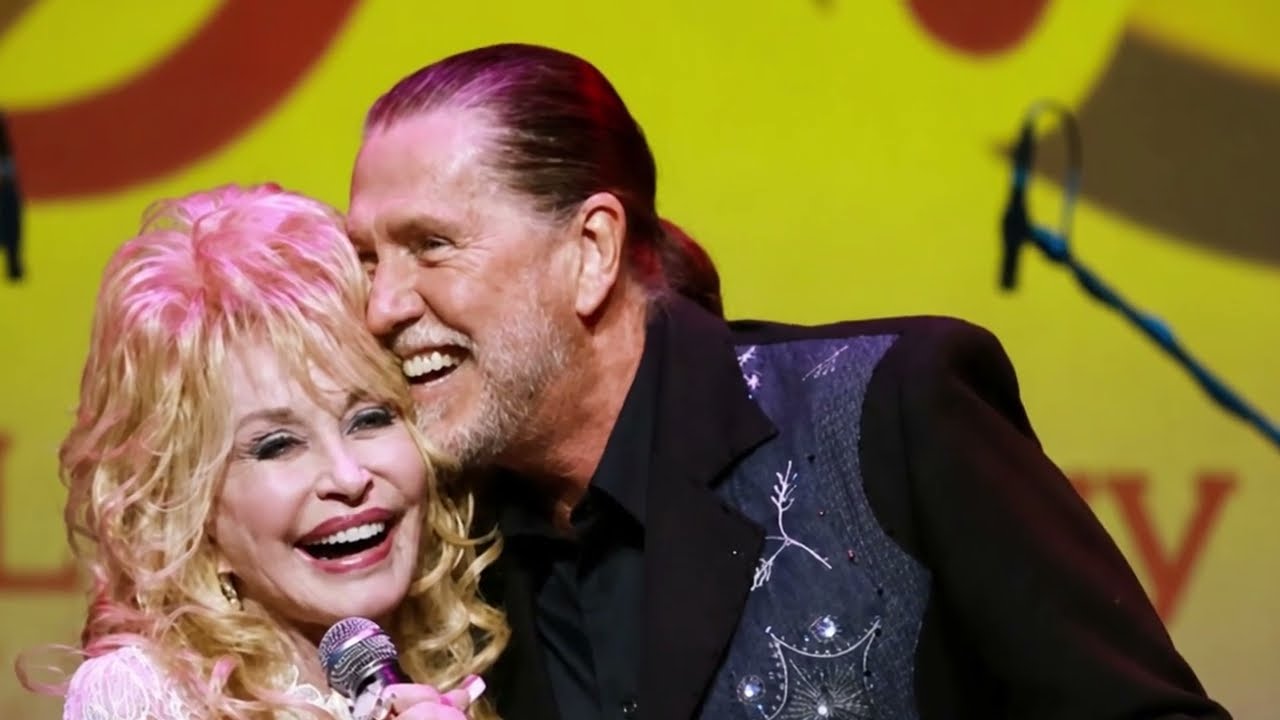
That choice seems especially fitting now.
Dolly turned their childhood into songs.
Willadeene turned it into stories and recipes.
One sister carried the mountains out into the world.
The other helped make sure the mountains they came from would not be forgotten.
Now in her eighties, Willadeene has spent many years largely away from public attention.
For someone whose younger sister became one of the most recognizable women on Earth, anonymity may itself have been a remarkable achievement.
David Parton — A Life Far From the Stage
Dolly’s older brother David Wilburn Parton was born in 1942.
He took a path almost completely opposite to hers.
There were no giant stages.
No sequined costumes.
No record-company battles.
David worked for years in construction and lived a mostly private life in Tennessee.
He was one of several Parton brothers who seemed entirely comfortable allowing Dolly to be the celebrity in the family.
That difference is important.
Looking back at the Partons, it is easy to assume that twelve children growing up around music must all have wanted the same thing Dolly wanted.
They didn’t.
Some wanted ordinary lives.
David appears to have been one of them.
When he died at his home in White Pine, Tennessee, on November 15, 2024, he was 82.
His sister Stella announced the loss publicly, writing that saying goodbye to a loved one is never easy.
David’s death came without the international headlines that would eventually accompany Dolly’s.
But inside the Parton family, fame did not determine the size of a loss.
A brother was a brother.
And less than two years later, the family would lose another.
Coy “Denver” Parton — He Built Bridges Instead of Chasing Fame
Coy Denver Parton was born in 1943.
Like David, he stayed almost completely outside show business.
He worked for years as a crane operator helping build bridges.
He farmed.
He hunted.
He lived a life that would have been recognizable to countless men from the same generation across rural America.
There is something almost poetic about it.
Dolly spent her life building connections through songs.
Coy quite literally helped build bridges.
His name appeared in entertainment stories mostly because of his sister.
But his obituary remembered him for the things that defined his own life: his construction work, farming, hunting and family.
Coy died on July 23, 2026.
He was 82.
At the time, Dolly was still alive.
His obituary listed her among the siblings he left behind.
Just over one month later, that would change.
For the Partons, the summer of 2026 brought two losses almost on top of each other.
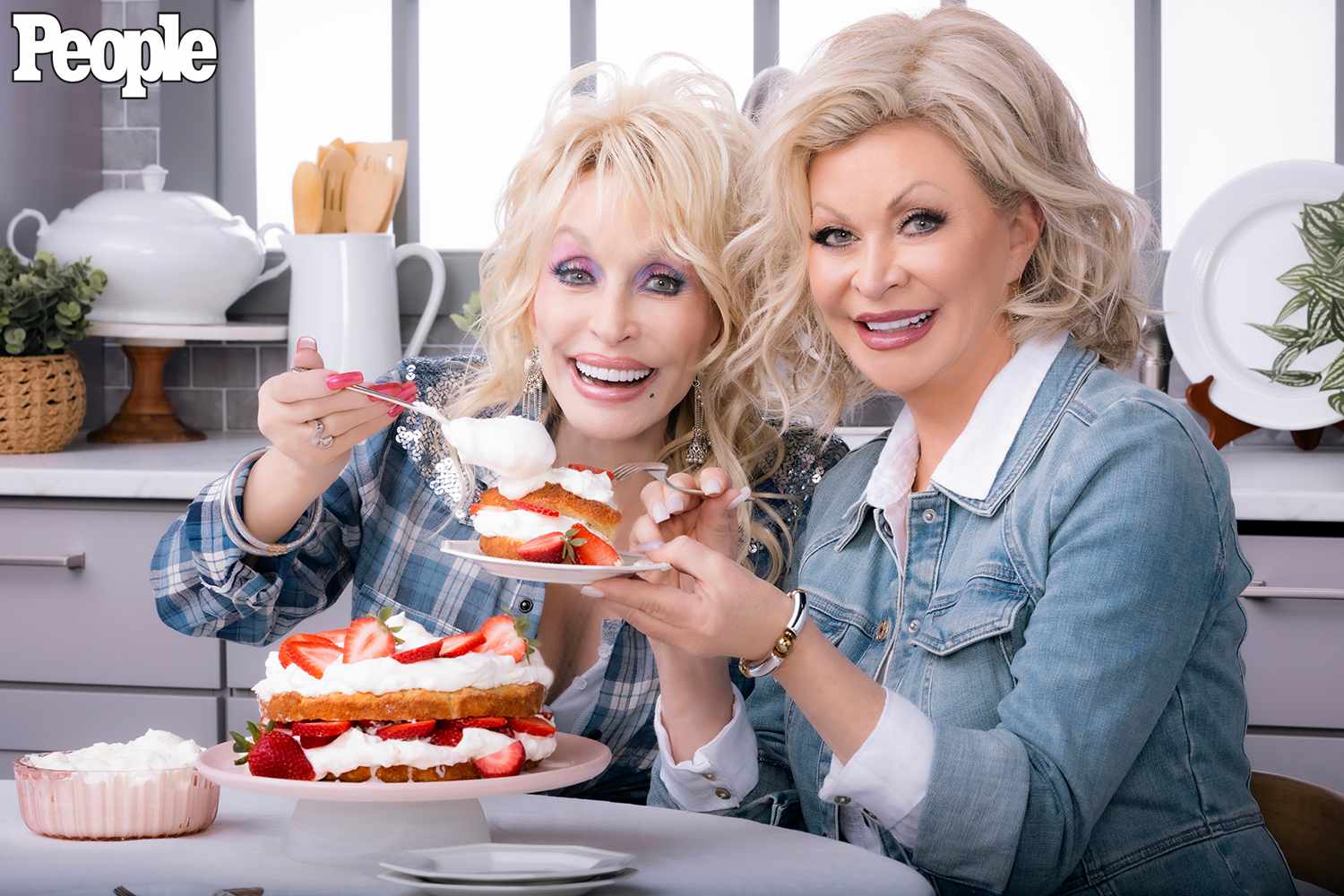
First Coy.
Then Dolly.
But before reaching that final summer, there were many other family stories — including the brother who may have been the best example of just how successfully someone could avoid the Parton spotlight.
Robert “Bobby” Parton Jr. — The Brother Who Chose Privacy
Robert Lee Parton Jr., often called Bobby, was born in 1948.
If Dolly became famous for telling stories about herself, Bobby seems to have chosen the opposite strategy.
Very little reliable public information exists about his adult life.
That is not an accident to be filled in with speculation.
It is part of his story.
For decades, he remained one of Dolly Parton’s least public siblings.
No major entertainment career.
No long trail of celebrity interviews.
No attempt to trade the family name for fame.
Even after Dolly became internationally famous, Bobby stayed largely outside that world.
In an age when being related to a celebrity can become a career of its own, his privacy is striking.
As of 2026, Bobby remains one of the surviving Parton siblings.
And perhaps the fairest way to describe his life is simply this:
He had one of the most famous last names in American entertainment and still managed to keep most of his life for himself.
The next sister made a very different choice.
Stella Parton — Building a Career in the Biggest Shadow in Country Music
Stella Mae Parton was born in 1949.
Of all Dolly’s siblings, Stella may have faced the most obvious professional challenge.
She wanted to sing too.
But by the time Stella was building her own career, the surname Parton no longer belonged to an ordinary Tennessee family in the public imagination.
It belonged to Dolly.
Stella refused to disappear inside that shadow.
She built her own recording career, releasing I Want to Hold You in My Dreams Tonight in 1975 and continuing to record, write and perform for decades.
She became an author.
She wrote cookbooks.
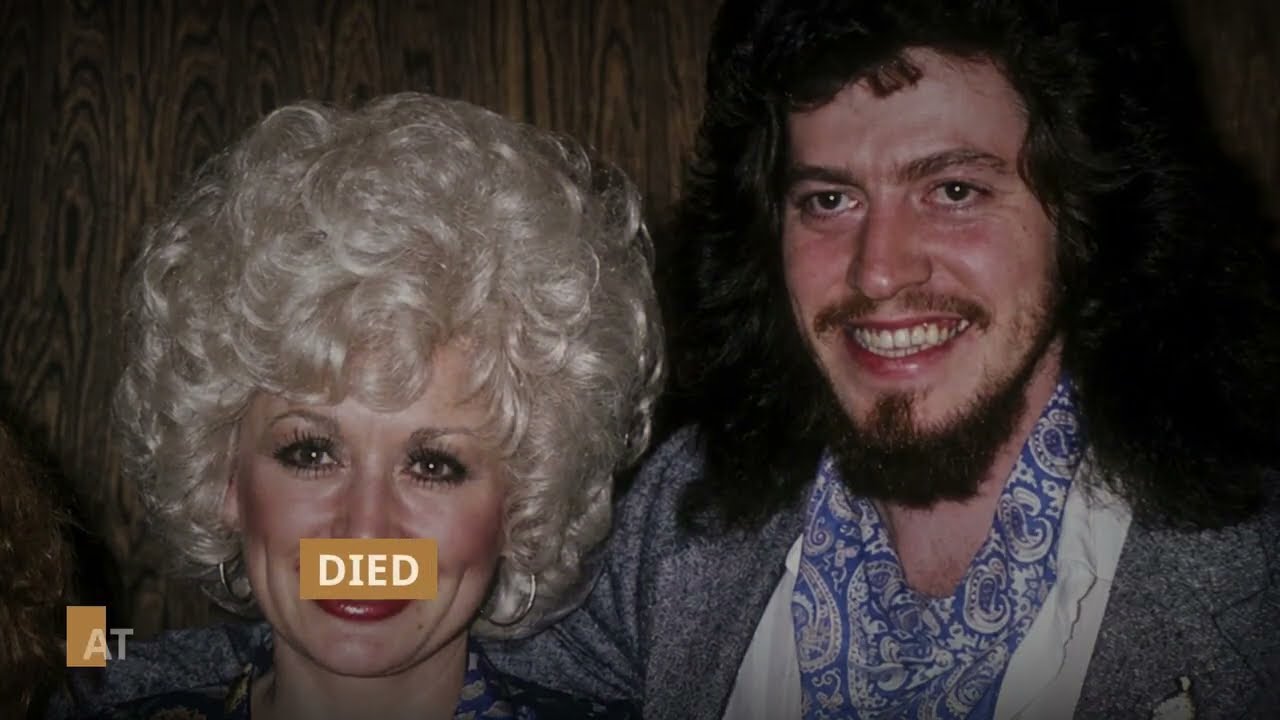
She acted.
She appeared on Celebrity MasterChef in Britain.
She also became an advocate for women affected by domestic violence, a cause connected to difficult experiences in her own life.
Stella never pretended that being Dolly Parton’s sister was simple.
She acknowledged the difficulty of establishing an identity when the family name already belonged, in the public imagination, to one enormous star.
At one point, she said Dolly’s management had encouraged her not to use the Parton surname professionally.
She refused.
There were also moments when the sisters publicly disagreed.
In 2019, Stella criticized Dolly for not speaking more forcefully about sexual harassment in the music industry.
It would be easy to take moments like that and build a story about a lifelong sisterly feud.
But family relationships are rarely that simple.
Years later, one tiny ritual revealed more about Dolly and Stella than any public argument.
Every Tuesday morning, before sunrise, the sisters had coffee together over the telephone.
They talked.
They gossiped.
They made plans.
Two women who had spent their lives being asked about each other still kept a quiet appointment that had nothing to do with reporters or country music.
After Dolly died in August 2026, Stella wrote that the ritual would never be the same.
She called Dolly one of the most generous and thoughtful people she had ever known.
That is the part of their story worth remembering.
They could disagree.
They could irritate each other.
They could live independent lives.
And they could still pick up the phone before sunrise every Tuesday.
That sounds less like a celebrity relationship than a real one.
Cassie Parton — Music Was There, But Fame Wasn’t the Goal
Cassie Nan Parton was born in 1951.
Like many of the Parton children, she grew up singing.
She performed gospel music with her sisters when she was young and would occasionally appear in family-related musical projects later in life.
But Cassie did not build her identity around celebrity.
She eventually stepped back from performing and lived much more quietly.
Yet in August 2026, Cassie’s branch of the family became central to one of the saddest moments in Parton history.
Her son Bryan Seaver had worked as Dolly’s head of security for more than two decades.
Dolly had given him an extraordinary responsibility years earlier.
When she died, she wanted Bryan to be the person who told the world.
So on August 25, it was Dolly’s nephew — Cassie’s son — who appeared in the family announcement.
To millions of people, Dolly Parton was an icon.
In Bryan’s message, another version of her appeared.
Sister.
Aunt.
Granny.
Gigi.
For a few moments, the superstar disappeared behind the family names.
And the world was reminded that the Partons had known her before anyone else did.
Randy Parton — Talent, Ambition and a Very Public Failure
Randy Parton, born in 1953, followed Dolly much closer to the spotlight.
He sang.
He wrote.
He played guitar and bass in his sister’s band.
He performed at Dollywood and recorded with Dolly.
She later described him as a talented singer, writer and entertainer.
But Randy also carried one of the most complicated stories in the Parton family.
In the mid-2000s, officials in Roanoke Rapids, North Carolina, backed an ambitious entertainment project centered on him.
The city borrowed more than $21 million to build a 1,500-seat venue originally called the Randy Parton Theatre.
The hope was that the theater would help transform the local economy.
Instead, it became a political and financial disaster.
Attendance disappointed.
Questions arose over contracts and spending.
City officials eventually removed Randy from control of the venue.
In December 2007, the mayor accused him of being intoxicated before a performance and had police take him away from the theater.
The collapse generated ugly headlines.
Dolly stepped in publicly.
She said Randy was being unfairly “crucified in the press,” argued that he had given the project his best effort, and objected to making him the scapegoat for everything that had gone wrong.
That response says something about the Partons.
Dolly did not pretend the theater had been a success.
But when her brother was being publicly humiliated, she stood beside him.
And Randy’s life did not end with that failure.
He returned to Tennessee.
He continued performing.
In 2020, shortly before his death, he joined Dolly and his daughter Heidi on “You Are My Christmas.”
Randy died of cancer on January 21, 2021, at age 67.
When Dolly announced his death, she did not write about a failed theater.
She wrote about her brother.
She remembered the music.
She remembered his talent.
She remembered a family of faith welcoming one of its own home.
In the end, that is how families often keep score differently from the rest of the world.
The public remembers the scandal.
The sister remembers the boy she grew up with.
Larry Gerald Parton — The Brother Who Lived Four Days
Perhaps no sibling affected Dolly’s childhood more deeply than the one she barely had time to know.
Larry Gerald Parton was born in July 1955.
He lived only four days.
Dolly was nine.
In the Parton household, older children were often assigned special responsibility for younger babies.
Avie Lee would tell one child that a new baby was “your baby,” meaning that child was expected to help care for the infant — rocking him, watching him and helping when needed.
Larry was Dolly’s baby.
She became emotionally attached before he was even born.
Then he was gone.
Decades later, Dolly still spoke about the pain of losing him.
She described it as a great heartbreak from her childhood.
Larry’s death was later included in the television film Dolly Parton’s Coat of Many Colors.
It is tempting to look backward and declare that this one tragedy explains everything Dolly later did.
That would go too far.
A life as enormous as hers cannot be reduced to one childhood event.
But Dolly herself made clear that Larry’s death became one of the memories that stayed with her.
“All things are hard,” she once reflected, “but that is what makes your memories.”
The boy who lived four days remained part of the Parton family story for more than seventy years.
Floyd Parton — The Songwriter Standing Just Outside the Spotlight
Floyd Parton and his twin sister Freida were born in 1957.
Floyd never became a star like Dolly.
But he possessed a gift the family understood immediately.
He could write.
He collaborated with Dolly on songs including “Rockin’ Years,” recorded as a duet by Dolly and Ricky Van Shelton.
The song reached No. 1 on the country chart in 1991.
Floyd also contributed to other songs associated with his sister, including “Nickels and Dimes.”
His career is a reminder that talent inside the Parton family did not begin and end with Dolly.
She simply became its most famous expression.
Floyd lived much of his life away from constant celebrity attention.
When he died in December 2018 at age 61, the family held a private memorial.
Then they did something only this family could have done.
They sang him goodbye.
Together, the Partons performed “Rockin’ Years.”
The songwriter’s own song became his farewell.
The family later described Floyd’s life as one filled with love and beautiful songs.
For a man who spent much of his life outside the glare surrounding his sister, it was an intimate and fitting ending.
Freida Parton — From Rock Music to Ministry
Floyd’s twin sister, Freida Estelle Parton, took one of the more unexpected paths in the family.
While the Parton name was synonymous with country music, Freida experimented with a harder rock-oriented sound and performed music of her own.
She also sang backup for Dolly at different points.
Then her life changed direction again.
Freida eventually became an ordained minister.
In Sevierville, she opened a wedding chapel connected with an antiques business and spoke about wanting to use the role to bring joy and blessing into other people’s lives.
Her daughter, Jada Star, continued the family’s musical tradition.
After Dolly’s death in 2026, Freida shared one of the most personal tributes from any sibling.
To the world, she wrote, Dolly had been a superstar.
To Freida, she had been something else:
“Dolly Momma.”
Freida recalled that Dolly had taken on a deeply maternal role during her teenage years.
That phrase says a great deal about growing up in the Parton family.
With so many children, the boundaries between sister, caretaker, teacher and sometimes even mother could blur.
Dolly never had children of her own.
Yet inside her family, she had been helping raise them long before the world knew her name.
Rachel Parton George — The Little Sister Who Stepped Into Dolly’s Role
Rachel Ann Parton, the youngest of the twelve children, was born in 1959.
She had music around her from birth, but her path eventually led to acting.
As a young woman, Rachel traveled with Dolly, working as a makeup artist and backup singer.
Then she received an opportunity with an almost impossible comparison built into it.
She joined the television adaptation of 9 to 5.
The movie had helped turn Dolly into a Hollywood star.
Rachel now stepped into the world associated with the role Dolly had made famous.
For several seasons, television audiences watched the youngest Parton sister build a recognizable career of her own.
Later, Rachel moved away from regular acting, but her connection with Dolly remained visible.
In 2024, the sisters published Good Lookin’ Cookin’, a collection built around recipes and memories from the family table.
The project brought their story almost full circle.
Long before either woman knew Hollywood, television or publishing, meals had been one of the great organizing forces in the Parton household.
Rachel remembered that everyone knew when it was time to eat.
They wanted to be together.
On August 31, 2026, Rachel turned 67.
It was her first birthday after Dolly’s death only six days earlier.
For most people, Dolly Parton died as a national icon.
For Rachel, she had lost the older sister she once followed onto the road.
The Ones Who Were Gone Before Dolly
By the summer of 2026, the Parton family had already absorbed repeated losses.
Larry had died in infancy in 1955.
Floyd died in 2018.
Randy died in 2021.
David died in 2024.
Coy died in July 2026.
Then, on August 25, Dolly died at 80 following a brief battle with cancer.
Five siblings had gone before her.
With Dolly’s death, half of Robert and Avie Lee Parton’s twelve children were gone.
The six surviving siblings were Willadeene, Bobby, Stella, Cassie, Freida and Rachel.
That simple list carries enormous history.
They are the people who remember a version of Dolly that no biography can fully reconstruct.
Not the platinum-haired superstar.
Not the businesswoman.
Not the woman who wrote “Jolene.”
Their Dolly was a sister sleeping under the same roof, helping with babies, cooking beans, singing harmonies and dreaming of Nashville before Nashville had any idea she was coming.
The Parton Family Was Never Just a Story About Poverty
Dolly’s childhood has often been reduced to one irresistible phrase:
rags to riches.
It is true that the Partons grew up with very little money.
But focusing only on poverty misses what Dolly herself kept returning to.
They had a family culture.
They had stories.
They had religion.
They had music.
They had responsibility.
Older children cared for younger ones.
Everyone worked.
Everyone knew what it meant to share.
Those lessons followed Dolly into nearly everything she later built.
When she created the Imagination Library, she connected it directly to her father, who could not read or write.
By the time of her death, the program had distributed hundreds of millions of books to children.
She gave $1 million to Vanderbilt University Medical Center’s COVID-19 research fund, money that helped support research connected to the Moderna vaccine.
She created assistance for families devastated by wildfires in East Tennessee.
She built Dollywood not simply as a monument to herself, but as a major employer in the region that raised her.
All of that belongs to Dolly’s public legacy.
But her family explains why so much of that legacy kept pointing home.
Fame Did Not Treat All Twelve Children the Same
There is an easy temptation when looking at famous families.
We ask why the others did not become equally famous.
Why didn’t Stella become another Dolly?
Why didn’t Randy?
Why didn’t Floyd?
Why didn’t all twelve Parton children end up in entertainment?
But perhaps that is the wrong question.
Twelve children can grow up under one roof and carry twelve different versions of childhood into adulthood.
Willadeene preserved memories.
David worked construction.
Coy built bridges.
Bobby guarded his privacy.
Stella fought to establish a career on her own terms.
Cassie sang, then stepped away.
Randy chased a larger spotlight, sometimes successfully and sometimes disastrously.
Larry never got the chance to grow up.
Floyd wrote songs.
Freida moved from music into ministry.
Rachel performed and acted before eventually returning to family traditions through food and memory.
And Dolly?
Dolly became Dolly.
One extraordinary result from one extraordinary family.
But not the only story worth telling.
Stella’s Tuesday Morning Phone Call Became Something Else After August 25
Of all the details to emerge after Dolly’s death, perhaps none captures the family better than Stella’s description of Tuesday mornings.
Before the sun came up, the sisters would make coffee and talk by phone.
No audience.
No stage.
No photographers.
They were simply two “little farm girls,” as Stella described them, still keeping the schedule they had learned growing up.
Then August 25 came.
For the first time, there would be no next Tuesday conversation.
“My Tuesday morning coffee time will never be the same,” Stella wrote.
That sentence lands because it is so ordinary.
The world lost a legend.
Stella lost a phone call.
That is the difference between celebrity grief and family grief.
Millions of people could play Dolly’s records.
Only six surviving siblings could remember being children with her.
Six Siblings Remain — And They Carry a Dolly the Rest of Us Never Knew
When Dolly left Tennessee for Nashville after finishing high school, she was walking toward a future none of her siblings could have predicted.
She would sell millions of records.
Write songs that survived generations.
Become a movie star.
Build businesses.
Give away books by the hundreds of millions.
Become famous enough that people who had never listened to country music still knew her first name.
But none of that changed where the story began.
A crowded Tennessee home.
Twelve children.
Parents trying to provide.
Food stretched to feed everyone.
Babies handed to older siblings to help care for.
Songs after supper.
Dreams bigger than the mountains surrounding them.
Today, six of those twelve children remain.
Willadeene, who preserved the family stories.
Bobby, who kept his life private.
Stella, who built a career and still called her famous sister before sunrise.
Cassie, whose son carried out Dolly’s final request by announcing her death.
Freida, who remembered Dolly not as a superstar but as “Dolly Momma.”
And Rachel, the youngest, who once went on the road with her big sister and decades later sat beside her to turn family recipes into a book.
The others are gone.
Larry.
Floyd.
Randy.
David.
Coy.
And now Dolly.
But maybe the most remarkable thing about the Parton family is that fame never became the whole story.
One child became known around the world.
The others built homes, bridges, careers, songs, families and lives of their own.
Some failed publicly.
Some succeeded quietly.
Some wanted the spotlight.
Some avoided it.
All of them carried the same beginning.
And perhaps that is the piece of Dolly Parton’s life that fame could never truly touch.
Before the rhinestones, she was a sister.
Before the millions of records, she was one voice among many around the family table.
Before America decided Dolly Parton belonged to everyone, she belonged to eleven brothers and sisters who knew her simply as Dolly.
And for the six who remain, that may always be the version of her that matters most.