At 90, Jeannie Seely Finally Opens Up About The Opry
On February 22, 2025, Jeannie Seely walked onto the stage of the Grand Ole Opry for what nobody in the audience knew would be the final time.
There was no dramatic farewell.
No announcement that an era was ending.
No long speech about history.
Jeannie simply did what she had been doing for more than half a century.
She worked.
By the end of that night, she had accumulated 5,397 appearances on the Grand Ole Opry.

More than Bill Anderson.
More than Little Jimmy Dickens.
More than any performer in the institution’s 100-year history.
It was an extraordinary record for anyone.
For Jeannie Seely, it carried another layer of meaning.
Because when she first became part of the Opry family in the 1960s, there were things women simply were not supposed to do.
They were not supposed to dress however they wanted.
They were not supposed to challenge the men running the show.
And for years, women were not supposed to host an Opry segment.
Whenever Seely asked why, she kept hearing essentially the same answer:
“It’s tradition, Jeannie.”
Her response became one of the defining lines of her career:
“It just smells like discrimination.”
Jeannie did not walk away.
She stayed.
She argued.
She joked.
She pushed.
And eventually, the woman who had once been told certain doors at the Opry were closed to women became the woman who walked through those doors more times than anyone else.
That is the real Jeannie Seely story.
It does not require secret rooms, hidden letters or a conspiracy buried inside the Opry walls.
The battles were visible.
The rules were real.
And Jeannie Seely spent decades changing them.
Before Nashville, There Was a Little Girl Listening to WSM
Jeannie Seely was born in Pennsylvania in 1940.
Her relationship with the Grand Ole Opry began years before she ever saw its stage.
Her mother remembered Jeannie as a little girl stretching up toward the family radio and turning the dial to 650 WSM, the Nashville station that carried the Opry into homes across America.
On Saturday nights, the Seely family might be away visiting friends, but Jeannie would still listen.
Sometimes she sat in the family Ford with popcorn and soda while her parents played cards inside.
The voices coming from Nashville seemed impossibly distant.
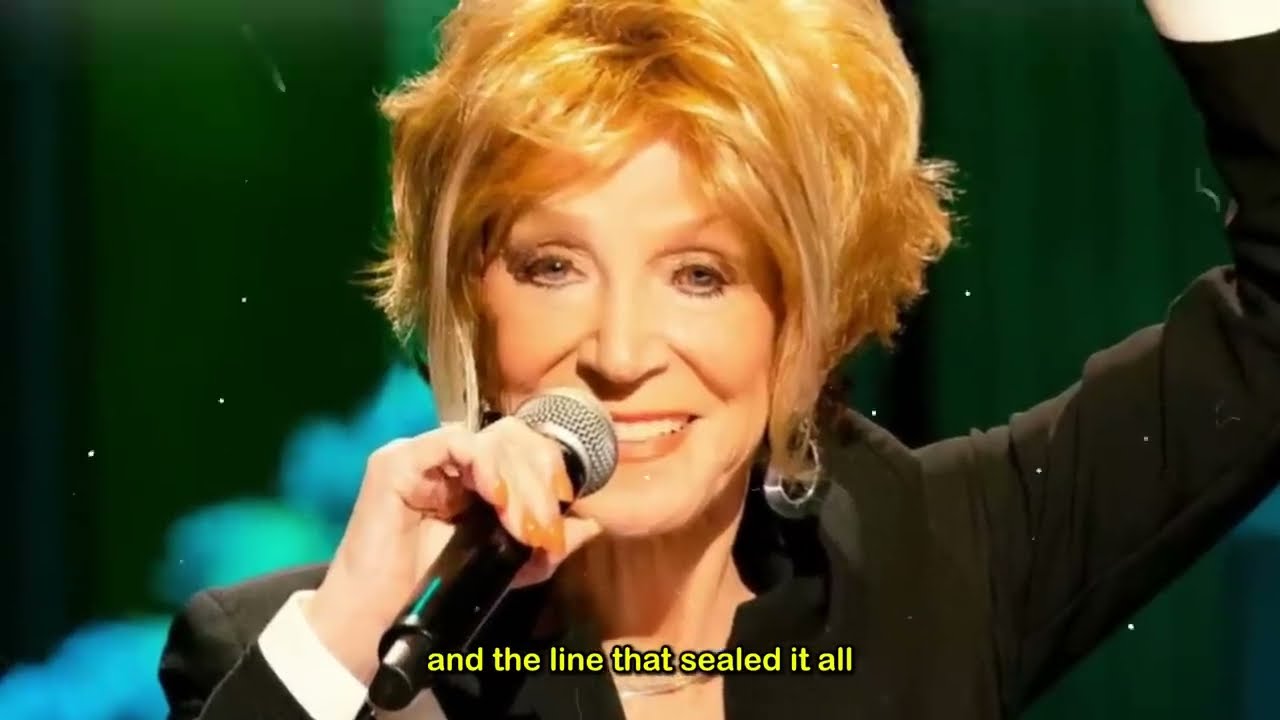
Roy Acuff.
Ernest Tubb.
Country singers whose names carried through the dark from a place Jeannie had never seen.
The Opry was not simply a television program.
It was not even primarily television.
For generations of rural Americans, it was sound traveling through the night.
And Jeannie wanted inside that sound.
By 11, she was singing on a local radio show.
Later came television appearances.
Small venues.
Country parks.
Then California.
She worked in the record business while writing songs and pursuing her own career.
At one point, she was a secretary at Liberty and Imperial Records.
She had a foot in the music industry.
But Nashville remained somewhere else.
Then two people helped push her toward it.
Songwriter Hank Cochran believed she should go.
And Dottie West, already one of country music’s important female voices, encouraged her too.
In the fall of 1965, Jeannie finally made the move.
According to her own recollection, she arrived with about $50 and a Ford Falcon.
That was not much of a safety net.
Within weeks, everything began changing.
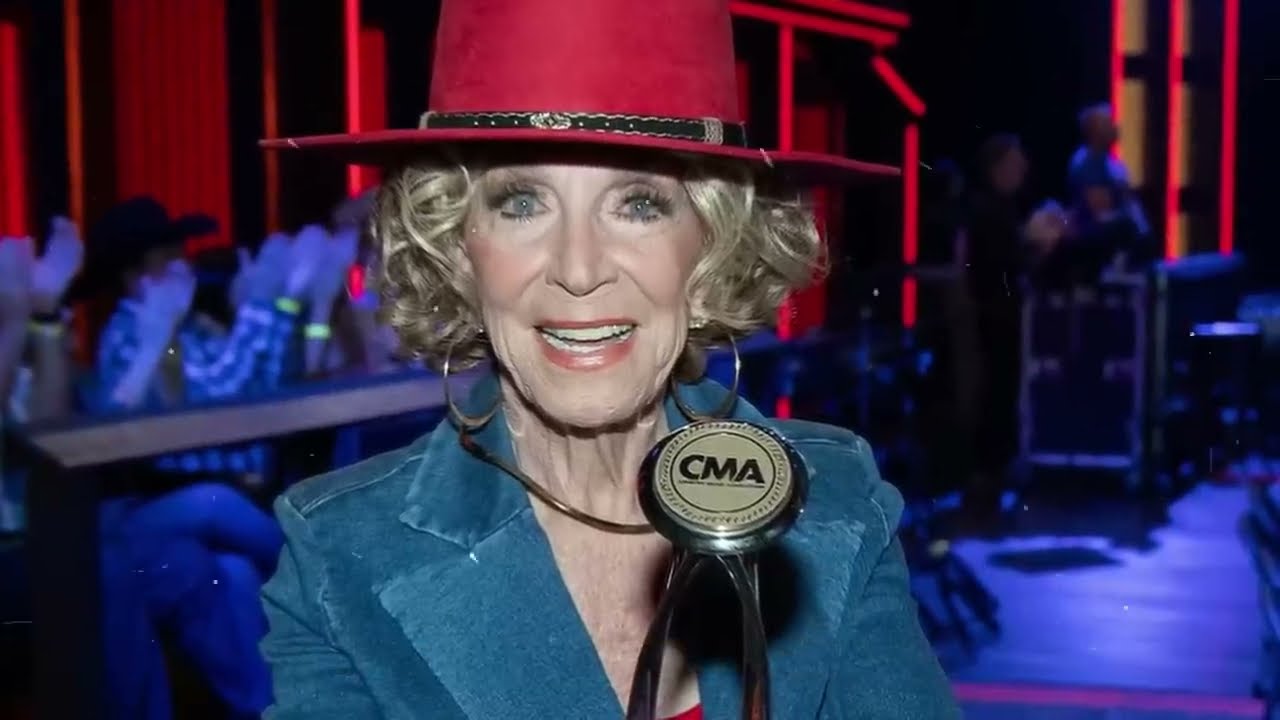
Nashville Didn’t Immediately Know What to Do With Her
Jeannie quickly landed work with Porter Wagoner.
But a recording career remained harder.
Labels turned her down.
Then Monument Records gave her an opportunity.
On March 12, 1966, she recorded a Hank Cochran song called:
“Don’t Touch Me.”
The title alone sounded like Jeannie Seely.
Direct.
Intimate.
No wasted words.
The record became a major hit.
It spent months on the country charts and reached No. 2 on Billboard’s country listing while topping other industry charts.
More importantly, it gave Jeannie a voice people could immediately identify.
She did not sound interchangeable.
There was vulnerability in the performance, but also strength.
The music industry began calling her “Miss Country Soul.”
Then came validation at the highest level.
At the 1967 Grammy Awards, “Don’t Touch Me” won Best Female Country Vocal Performance.
Jeannie had beaten a remarkable group of nominees that included Loretta Lynn, Dottie West, Connie Smith and Jan Howard.
The woman who had arrived in Nashville with almost nothing now had a Grammy.
And another dream was getting closer.
May 28, 1966: Jeannie Seely Finally Walked Onto the Opry Stage
Her first guest appearance at the Grand Ole Opry came in May 1966.
Imagine what that moment must have meant.
The little girl who had once reached toward the radio dial was now inside the broadcast.
People somewhere else were sitting in cars, kitchens and living rooms listening to her.
Then, on September 16, 1967, Jeannie Seely became an official member of the Grand Ole Opry.
She would remain one for the rest of her life.
That commitment became extraordinary.
But membership did not mean unquestioning obedience.
Jeannie loved the Opry.
She also noticed its rules.
Especially the rules that seemed to apply differently to women.
And one of the first battles involved something as simple as a skirt.
Jeannie Seely Walked Into the Opry Wearing a Miniskirt
Country music had an image for women in the 1960s.
The dresses were often conservative.
The styling frequently reflected the rural traditions the genre celebrated.
Then Jeannie arrived carrying some of California with her.
Mini skirts.
Fringe.
Bold stage clothes.
Looks that were common outside Nashville but still provocative inside one of country music’s oldest institutions.
Jeannie later became credited with breaking what was sometimes called the Opry’s “calico curtain.”
The Opry’s manager, Ott Devine, called her into his office after she wore a miniskirt onstage.
She had broken the dress expectations.
Jeannie’s answer was perfectly characteristic.
She essentially proposed a deal:
If women wearing miniskirts were forbidden from entering through the audience entrance, she would stop wearing one through the performers’ entrance.
In other words:
If ordinary American women could wear these clothes—
why should a female country singer be treated differently?
That was Jeannie’s style.
She could challenge authority without turning the confrontation into a sermon.
The humor made the argument harder to dismiss.
And she kept wearing clothes that looked like Jeannie Seely.
Today, that might seem minor.
It was not.
What female country performers were allowed to look like was connected to what they were allowed to be.
The submissive sweetheart.
The rural girl.
The supportive female voice beside a male star.
Jeannie was helping widen that image.
And clothing was only the beginning.
There Was Another Door Women Couldn’t Open
Years later, Seely identified a restriction that bothered her even more.
Women could sing on the Grand Ole Opry.
They could become stars.
They could sell records.
They could draw audiences.
But they did not regularly host the Opry’s half-hour segments.
That responsibility remained overwhelmingly male.
Jeannie started asking why.
The answer frustrated her.
Tradition.
Again and again, she approached Opry management.
Why couldn’t women host?
She was told:
That was simply the way the Opry had always done it.
To Jeannie, that was not an explanation.
It was an excuse.
She later remembered telling one manager that the tradition “smells like discrimination.”
It was a sharp line.
But behind it was a simple business argument.
Women represented a huge part of the Opry’s audience.
Women represented a huge part of its talent.
Why should the people introducing that talent always be men?
Jeannie kept knocking on that door.
For years.
Then Nashville weather unexpectedly helped open it.
January 19, 1985: A Snowstorm Changed Opry History
Nashville was hit by a severe winter storm.
Scheduled Opry performers had trouble getting to the show.
Del Reeves was supposed to host a segment.
He could not make it.
Jeannie Seely was there.
So she stepped in.
It was partly necessity.
But once the barrier had been crossed, Jeannie had no intention of pretending it had not happened.
She hosted.
She did the job.
The world did not end.
The audience did not revolt.
The Opry continued.
And Jeannie went on to become the first woman to regularly host Grand Ole Opry segments.
The rule had survived for years because it was described as tradition.
Then a woman did the job and proved how unnecessary the restriction had been.
That was exactly Jeannie’s point.
She Wasn’t Fighting Only for Herself
Years later, when talking about the changes she helped force, Jeannie made something clear.
This was not simply about Jeannie Seely getting more microphone time.
She looked around at the women beside her.
Loretta Lynn.
Jean Shepard.
Connie Smith.
Wilma Lee Cooper.
Dottie West.
Jan Howard.
Skeeter Davis.
Women who had helped build country music.
Yet the structure of the business could still imply they mattered less.
Jeannie rejected that idea.
She later said the changes weren’t just for her.
They were for everybody coming behind her.
That may explain why she was able to fight with the Opry without becoming its enemy.
She was not trying to tear the institution down.
She wanted access to more of it.
That difference matters.
Jeannie Seely Loved the Very Institution She Challenged
Modern stories about conflict often demand a villain.
Jeannie against the Opry.
Woman against institution.
Rebel against tradition.
Reality was more complicated.
Jeannie loved the Grand Ole Opry.
Deeply.
She repeatedly described membership as an honor and privilege.
She understood what the institution represented.
And that love did not disappear because she saw flaws.
If anything, it gave her more reason to challenge them.
There is an important distinction between saying:
“This place is worthless.”
and:
“This place matters too much to remain unfair.”
Jeannie lived closer to the second idea.
That is why she stayed.
Ernest Tubb Gave Her Advice She Never Forgot
Jeannie learned something about the Opry from Ernest Tubb.
When an artist went on the road, Tubb explained, that was their show.
Their name was on the marquee.
Their audience had bought tickets to see them.
But when they returned to the Grand Ole Opry, something changed.
They were part of something bigger.
Jeannie embraced that philosophy.
It helped explain her extraordinary attendance over the decades.
Opry membership was not a trophy she placed on a shelf after becoming famous.
She treated it like a job.
If she was in Nashville and able to perform, she showed up.
Again.
And again.
And again.
That habit eventually produced a number nobody else reached.
But the road there was not smooth.
In 1977, Her Career Nearly Ended on a Highway
Ten years after joining the Opry, Jeannie was involved in a serious automobile accident.
Her injuries were extensive.
For a working performer, the consequences could have ended everything.
The recovery was difficult.
Dottie West, the woman who had encouraged Jeannie to move to Nashville years earlier, became one of the friends who helped her through it.
Jeannie eventually returned.
It became another example of something people close to her would recognize for decades:
She was difficult to keep down.
The hits changed.
Country radio changed.
Generations changed.
Jeannie kept working.
She Was More Than the Woman Who Sang “Don’t Touch Me”
Her biggest solo hit would always define part of her legacy.
But Jeannie was also a songwriter.
Her compositions were recorded by performers including Dottie West, Connie Smith, Willie Nelson and Ray Price.
Faron Young had a Top 10 country hit with her song “Leavin’ and Sayin’ Goodbye.”
Jeannie recorded successful duets with Jack Greene.
She worked onstage and on screen.
She acted.
She wrote.
She published a collection of her observations and jokes titled Pieces of a Puzzled Mind.
And in the 1980s, she toured with Willie Nelson and appeared in Honeysuckle Rose.
Her career did not unfold as a straight line of giant radio hits.
It became something more durable.
She became part of Nashville itself.
The Opry Gradually Became Jeannie’s Second Home
New country stars arrived.
Jeannie welcomed them.
Older friends disappeared.
Jeannie remembered them.
The building changed.
The music business changed.
Jeannie remained.
That mattered because the Opry depends on continuity.
It presents new performers on the same stage connected to names from another era.
Jeannie became one of those bridges.
Someone young could appear at the Opry and meet a woman who had worked with Ernest Tubb and Dottie West.
Someone who remembered the Nashville of Hank Cochran and Porter Wagoner.
Someone who had watched the rules for women change because she had personally argued with the people enforcing some of them.
And she never lost her sense of humor about it.
That may have been her most effective weapon.
Jeannie Didn’t Sound Like Someone Carrying a Grudge
She could describe discrimination directly.
She could tell an uncomfortable story.
Then she could make the room laugh.
That combination mattered.
Her public personality was candid without constantly becoming bitter.
She understood that institutional change could happen through persistence.
Ask again.
Show up again.
Make the argument again.
Then when circumstances give you an opening—
take it.
That is exactly what happened with hosting.
The snowstorm gave her the microphone.
Her preparation made sure she kept it.
By 2022, the Number Was Already Astonishing
When the Opry celebrated Jeannie’s 55th anniversary as a member in 2022, she had already made more than 5,000 appearances.
Think about the physical reality behind a number like that.
Thousands of drives to the venue.
Thousands of rehearsals.
Thousands of backstage waits.
Thousands of introductions.
Thousands of songs.
Audiences on vacation.
Audiences celebrating anniversaries.
People bringing children.
Children returning decades later with children of their own.
Jeannie had become part of the ritual.
Eventually, the Opry formally recognized that no performer in its history had appeared more often.
The little girl who once listened from Pennsylvania had become one of the institution’s most constant voices.
And she was still not finished.
Even in Her 80s, She Kept Looking Forward
One of the easiest things to do to older performers is talk about them only in the past tense while they are still alive.
Jeannie resisted that.
She continued recording.
In 2018, she began hosting “Sundays with Seely” on SiriusXM’s Willie’s Roadhouse.
In 2024, she returned to historic RCA Studio B to record “Suffertime.”
Her history mattered.
But she still wanted new work.
The word “legend” did not mean retirement.
Then, near the end of 2024, life changed brutally.
She Lost Her Husband — Then Her Health Began Failing
Jeannie’s husband, Gene Ward, died in December 2024.
She later spoke warmly about their 15 years together and the depth of the loss.
At almost the same time, she was dealing with significant physical problems.
Back pain had already become serious.
In the spring of 2025, she underwent multiple back surgeries.
Then came two emergency abdominal surgeries.
Eleven days in intensive care.
Pneumonia.
Rehabilitation.
For someone whose life had been built around showing up, suddenly she could not.
Fans noticed her absence from the Opry.
They noticed her absence from radio.
Jeannie sent an update.
The message was unmistakably hers.
Recovery was difficult, she admitted.
But she joked that she could see a light at the end of the tunnel—
and because it was neon, she knew it belonged to her.
Even illness became material.
She still intended to return.
But February 22 Had Already Become Her Final Opry Performance
Nobody knew it at the time.
Jeannie’s appearance that night became No. 5,397.
Her final live Opry performance.
Less than two weeks later, on March 1, she made what would become her final public appearance at the Legends of Country Music Museum.
Health problems then kept her away from the stage.
But she did not completely stop working.
Her radio voice remained.
On July 27, 2025, the final episode of Sundays with Seely aired on SiriusXM.
Five days later, Jeannie Seely died at a Tennessee hospital from complications of an intestinal infection.
She was 85 years old.
Not 90.
There was no final exposé.
No secret room revealed.
No mysterious archive suddenly opened.
The truth was more ordinary—
and more moving.
Jeannie had spent almost her entire adult life working.
Nashville Brought Her Back to the Opry One More Time
On August 14, 2025, family, friends, musicians and members of the country music community gathered at the Grand Ole Opry House.
The memorial was given a name Jeannie probably would have appreciated:
“Jeannie Seely’s 5,398th Opry Show.”
She had performed 5,397 times.
The tribute became one more.
Artists gathered to sing and remember.
The stage she had fought to join—
the stage where she had broken dress expectations—
the stage where she had argued that women should be allowed to host—
became the place where Nashville said goodbye.
There is poetry in that.
But there is also history.
The Woman Once Told “That’s Tradition” Became Part of the Tradition
This may be the most satisfying contradiction in Jeannie Seely’s story.
When she was young, tradition was sometimes used against her.
Women did not dress that way.
Women did not host.
That was tradition.
By the end of her life, Jeannie herself had become one of the most recognizable pieces of Opry tradition.
Young women walked onto the stage wearing clothes nobody would have questioned.
Women hosted.
Women introduced performers.
Women occupied spaces that once had been treated as naturally male.
Many fans watching had no idea those doors were ever closed.
Jeannie did.
She remembered knocking on them.
Success Didn’t Make Her Forget What the Rules Had Been
That is important.
People often benefit from change and then forget the system was ever different.
Jeannie kept talking about it.
She wanted younger artists to understand that some freedoms now taken for granted had once been contested.
Not because she wanted gratitude.
Because history disappears quickly when nobody tells it.
A young woman stepping onto the Opry stage today might reasonably assume women had always been able to host.
Why wouldn’t they?
Jeannie knew why.
Someone had once answered that question with:
tradition.
She also knew tradition could change.
She had watched it happen.
And She Never Needed to Hate the Opry to Change It
That may be the part of Jeannie’s legacy most worth remembering.
Her relationship with the Grand Ole Opry was not simple rebellion.
It was commitment.
She loved the institution enough to argue with it.
Then she kept coming back.
A rule irritated her?
Challenge it.
A door was shut?
Knock again.
A manager said no?
Ask the next manager.
Then show up Saturday night and do your job.
That combination of defiance and loyalty is rare.
It also explains how someone can spend 57 years inside an institution without simply becoming part of its furniture.
Jeannie remained Jeannie.
The Number 5,397 Tells Only Half the Story
The record is extraordinary.
But imagine if Jeannie had simply accepted everything as she found it.
She still might have sung thousands of songs.
She still might have become beloved.
But the women who followed would have inherited a slightly narrower stage.
That is why the miniskirt matters.
Why the hosting argument matters.
Why that sarcastic response to “tradition” matters.
They were not gigantic revolutionary moments on their own.
They were small changes in who was allowed to belong.
Enough small changes eventually alter an institution.
There Was No Secret Hallway Jeannie Needed to Expose
The real hallways were already there.
And so were the doors.
Some were open.
Some were not.
Jeannie Seely spent decades walking through them.
Sometimes after being invited.
Sometimes after arguing that there was no good reason to keep her out.
She did not burn a sequined gown in a parking lot to make her point.
She did something harder.
She put the clothes back on and returned to work.
She did not disappear after being told women could not host.
She asked again.
And again.
Until eventually they could.
She did not abandon the Grand Ole Opry because its traditions frustrated her.
She became one of the people who changed what “Opry tradition” meant.
Maybe That Is the Real Meaning of Her Record
Five thousand three hundred ninety-seven appearances.
A number so large it almost becomes abstract.
But hidden inside it are two very different Jeannie Seelys.
The young woman arriving in Nashville with $50 and a Ford Falcon.
And the 84-year-old legend taking the Opry stage one final time in February 2025.
Between them were nearly six decades.
A Grammy.
Hits.
Duets.
Songwriting.
A near-fatal automobile accident.
Friends lost.
A marriage.
A husband lost.
Thousands of Saturday nights.
And battles over rules that younger performers may never know existed.
That is why her record means more than attendance.
Jeannie did not merely appear at the Opry more than anyone else.
She helped change what could happen there.
She Stayed Long Enough to Watch Some of the Walls Come Down
When Jeannie Seely first arrived, women in country music were still expected to fit into carefully defined roles.
She never fit comfortably.
That became one of her strengths.
She challenged how a female country singer could dress.
She challenged who could hold the microphone between songs.
She challenged the idea that “we have always done it this way” was sufficient justification for doing it forever.
And then she stayed.
That is the remarkable part.
The rebel became the institution’s most frequent performer.
The woman who questioned tradition became tradition herself.
The girl listening to WSM became one of the voices generations of other little girls heard coming back through the radio.
And by the time Jeannie Seely left the Grand Ole Opry stage for the last time, nobody had walked onto it more often.
5,397 times.
The doors she once had to push against were finally open.
And Jeannie Seely had spent a lifetime making sure they would be harder to close again.