At 101, Dick Van Dyke Reveals The 5 People He Hated The Most
At 100 years old, Dick Van Dyke still has the same problem he has had for most of his life.
People assume he has always been happy.
It is easy to understand why.
For generations of Americans, Van Dyke has been the man tripping over the ottoman, dancing with penguins, hopping across London rooftops and turning physical comedy into something that looked effortless.
He was Rob Petrie.
Bert in Mary Poppins.
Caractacus Potts in Chitty Chitty Bang Bang.
Later, Dr. Mark Sloan in Diagnosis: Murder.
The smile became so familiar that audiences could be forgiven for assuming the man behind it moved through Hollywood without enemies, disappointments or bruised feelings.
That was never true.
Van Dyke has never produced a list of “five people he hated most.”
In fact, his own recollections suggest nearly the opposite: he has carried remarkably few public grudges across a career spanning more than seven decades.
But that does not mean Hollywood never hurt him.
Directors embarrassed him.
A movie that had made him a Broadway star was rewritten around somebody else.
Walt Disney made him pay for a part he desperately wanted.
Jealousy quietly entered the set of the television show bearing his name.
And behind the cheerful public image was a private battle far more dangerous than any professional rivalry.
The fascinating part is not whom Dick Van Dyke hated.
It is what could actually shake the confidence of a man America thought was impossible to discourage.
And one of those memories stayed with him for nearly 60 years.
1. One Cruel Joke on Chitty Chitty Bang Bang Stayed With Him for Decades
By 1967, Dick Van Dyke should have been nearly bulletproof.
He had already won a Tony.
The Dick Van Dyke Show had turned him into one of television’s most beloved performers.
Mary Poppins had become an international phenomenon.
He was funny.
He could sing.
He could dance.
He could perform a complicated physical gag without making the audience see the work behind it.
Then came Chitty Chitty Bang Bang.
Van Dyke played eccentric inventor Caractacus Potts in the lavish 1968 musical, with songs by Richard and Robert Sherman, the same songwriting brothers behind Mary Poppins.
To audiences, the movie looked like another enormous fantasy.
Behind the scenes, Van Dyke encountered a moment he would remember almost six decades later.
In 2025, while speaking at an event at his Malibu home, Van Dyke recalled his first day working with director Ken Hughes.
He overheard Hughes and a makeup artist talking about his face.
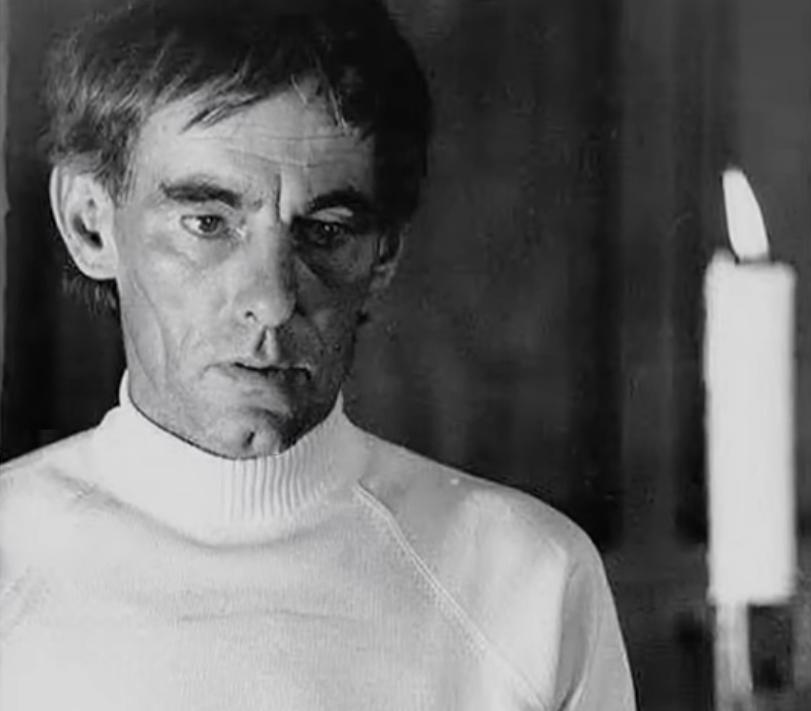
Specifically, his nose.
They jokingly called it a “hooter.”
It sounds minor.
One stupid comment.
One moment on a film set.
But Van Dyke said something happened immediately.
His confidence drained away.
He had never spent much time thinking about his nose before.
Suddenly, he could not stop thinking about it.
That admission is surprising precisely because of who made it.
Dick Van Dyke had already performed in front of millions.
Yet a careless remark from two people standing nearby could still make him feel self-conscious.
That is not Hollywood warfare.
It is something much more recognizable.
Someone says something casually.
They may forget it before lunch.
The person who hears it remembers for 58 years.
The Remark Didn’t Destroy the Movie — But It Changed the Way Dick Saw Himself
There is no reliable evidence that Van Dyke began a bitter feud with Ken Hughes.
No evidence that Hughes became one of the people he “hated most.”
Van Dyke continued doing the job.
And Chitty Chitty Bang Bang became another film generations of families would grow up with.
But the memory is revealing because Van Dyke was still talking about it at 99.
Not because he wanted revenge.
Because it showed how fragile confidence can be, even when the person being hurt already appears successful beyond measure.
And that was hardly the first time Hollywood had made Van Dyke feel that somebody else was being valued more.
A few years earlier, it had happened on a much bigger scale.
That time, an entire movie changed around him.
2. Bye Bye Birdie Made Dick Van Dyke a Broadway Star. Hollywood Turned the Movie Into an Ann-Margret Showcase.
Before television made Dick Van Dyke famous across America, Broadway changed his life.
In 1960, he originated the role of Albert Peterson in Bye Bye Birdie.
The musical became a hit.
Van Dyke won the Tony Award for Best Featured Actor in a Musical.
Then Hollywood came calling.
The film adaptation arrived in 1963.
Van Dyke returned as Albert.
Janet Leigh played Rosie.
Paul Lynde returned as Harry MacAfee.
And a young actress named Ann-Margret played teenager Kim McAfee.
On Broadway, Kim had been important.
In director George Sidney’s movie, Ann-Margret became something much bigger.
The opening sequence was built around her.
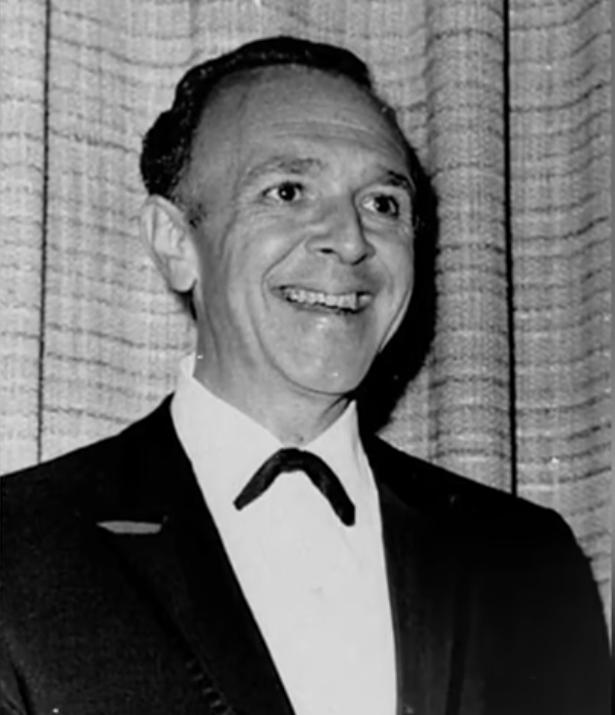
So was the closing sequence.
Songs and material shifted.
The camera loved her.
Sidney clearly did too.
TCM’s production history describes Sidney’s intense enthusiasm for the young star and notes that Janet Leigh felt increasingly pushed aside as Ann-Margret’s importance grew.
Van Dyke noticed exactly the same thing.
Years later, he bluntly said Hollywood had transformed Bye Bye Birdie into a vehicle for Ann-Margret.
And he did not think the movie was as good as the Broadway show.
Imagine his position.
The stage musical had helped make him famous.
Now he was watching the movie version change in front of him.
And he was no longer necessarily the person Hollywood seemed most excited about.
The Surprising Part Is Who Dick Didn’t Blame
This is where a sensational Hollywood feud should begin.
Famous male star becomes jealous of beautiful young actress.
Resentment.
Backstage tension.
Years of bitterness.
Except Van Dyke did not tell that story.
He made an important distinction.
He believed Ann-Margret deserved her breakthrough.
His frustration was with what had happened to the movie.
Not with a young performer doing her job exceptionally well.
That distinction says a great deal about Van Dyke.
He could dislike the result without needing to make another actor the villain.
And history suggests Sidney’s instincts about Ann-Margret’s star power were not exactly wrong.
She went on to become one of the most recognizable performers of her generation.
Still, Van Dyke never pretended the movie was the version of Bye Bye Birdie he wanted.
Sometimes professionalism did not mean convincing yourself you loved what happened.
It simply meant knowing where to place the blame.
Then came Walt Disney.
And another disagreement that has often been retold much more dramatically than it actually happened.
3. Dick Van Dyke Wanted One More Role in Mary Poppins. Walt Disney Made Him Pay for It.
There was no reason Dick Van Dyke needed another part in Mary Poppins.
He already had Bert.
Bert was everywhere.
He swept chimneys.
Played music.
Danced with penguins.
Jumped into animated worlds.
Climbed across London rooftops.
Attempted one of the most famously controversial Cockney accents in movie history.
For most actors, that would have been enough.
Van Dyke wanted more.
There was another character in the script who fascinated him:
Mr. Dawes Sr., the ancient chairman of the bank where George Banks worked.
The role was tiny.
The character was extremely old.
Van Dyke wanted to disappear beneath makeup and play him too.
Walt Disney was not immediately sold.
So a deal emerged.
If Van Dyke wanted the extra role, Disney required him to make a $4,000 donation to CalArts, Disney’s performing-arts school.
Van Dyke agreed.
He later joked that it was the first role he ever had to buy.
The result became one of Mary Poppins’ great hidden jokes.
Under heavy old-age makeup, Van Dyke played Dawes.
The movie even hid his name in the credits using the anagram:
Navckid Keyd.
Only later were the letters rearranged to reveal the joke.
This Wasn’t a Feud With Walt Disney
Stories built around celebrity “hate lists” sometimes transform this episode into a major confrontation.
Dick versus Walt.
Two stubborn men locked in a battle over artistic control.
Van Dyke furious.
Disney refusing to budge.
That exaggerates what the available evidence supports.
The more interesting truth is that Van Dyke adored the experience of making Mary Poppins and maintained enormous respect for Disney.
PBS’s recent American Masters material describes the film as the beginning of a lasting relationship between Van Dyke and the Disney world.
There was friction.
There was negotiation.
And there was $4,000.
But there was no lifelong enemy.
Instead, Van Dyke got the role he wanted.
The audience got the joke.
And the movie became one of the defining films of his life.
Sometimes a Hollywood conflict ended exactly the way Van Dyke preferred:
with a laugh.
But not every uncomfortable situation on his career happened to him directly.
One of the most delicate developed inside his own television family.
4. The Dick Van Dyke Show Looked Like a Happy Family. Behind the Scenes, Success Changed the Balance.
When The Dick Van Dyke Show premiered in 1961, nobody could know exactly what it would become.
Carl Reiner had created a comedy about television writer Rob Petrie, splitting the stories between his work life and home life.
At work were Buddy Sorrell and Sally Rogers, played by Morey Amsterdam and Rose Marie.
At home was Rob’s wife Laura, played by a relatively unknown young actress:
Mary Tyler Moore.
Rose Marie was not a newcomer.
She had been performing professionally since childhood.
She expected Sally Rogers to be a major female comedy presence on the show.
Then something unexpected happened.
Mary Tyler Moore turned out to be extremely funny.
And Dick and Mary had extraordinary chemistry.
The writers noticed.
Carl Reiner noticed.
Audiences noticed.
More and more stories moved away from Rob’s office and into the Petrie home.
Laura became increasingly central.
Rose Marie noticed that too.
And she did not always enjoy it.
Rose Marie Eventually Admitted She Was Jealous
This is another story that gets distorted when converted into celebrity-feud material.
Rose Marie did not hate Dick Van Dyke.
By her own later recollections, she enjoyed working with him enormously.
The uncomfortable relationship was between Rose Marie and Mary Tyler Moore.
Van Dyke later wrote that the attention Mary received did not sit well with Rose Marie.
Moore described their working relationship during the tense period almost like a truce.
They remained professional.
They did the work.
But they were not initially close.
Most interestingly, Rose Marie herself eventually admitted the obvious:
she had been jealous.
Mary was younger.
Mary was beautiful.
And Mary’s role was growing while Sally’s relative importance was shrinking.
That is an extraordinarily human confession.
Not flattering.
Not monstrous.
Human.
Van Dyke Didn’t Need to Choose a Side
For the man whose name was on the show, the tension could have become dangerous.
An ensemble comedy depends on chemistry.
If actors begin competing for material, every script can become a battlefield.
Yet The Dick Van Dyke Show survived.
More than survived.
It became one of the most acclaimed sitcoms ever produced.
Rose Marie remained essential.
Mary Tyler Moore became a star.
And whatever distance existed between the two women softened with time.
Rose Marie later said they became good friends.
There is a lesson there that fits Van Dyke’s career remarkably well.
Not every conflict needs a winner.
Not every jealousy needs an enemy.
Sometimes people become insecure.
Sometimes careers shift underneath them.
Sometimes one person gets an opportunity another thought would be theirs.
And sometimes the most professional thing everyone can do is keep showing up.
But the hardest problem Van Dyke faced was not jealousy.
It was not Ken Hughes.
It was not George Sidney.
And it was certainly not Walt Disney.
It was something millions of viewers watching Rob Petrie every week never knew.
5. The Person Who Came Closest to Destroying Dick Van Dyke’s Happiness Was Dick Van Dyke
The public Dick Van Dyke was nearly engineered to look happy.
That effortless grin.
The loose-limbed dancing.
The pratfalls.
The impression that his body existed under slightly different laws of physics from everyone else’s.
Behind that image, Van Dyke was developing a drinking problem.
It did not begin dramatically.
That was part of the danger.
He later described himself as starting as a social drinker.
Years passed.
Drinking became heavier.
By the time he understood he had a serious problem, he later said, he was too deep inside the denial of alcoholism to see himself objectively.
This was happening while audiences associated him with some of the happiest entertainment in American popular culture.
A person could watch Dick Van Dyke dance through Mary Poppins and have no idea what might be happening when the cameras stopped.
PBS’s American Masters recounts that Van Dyke has spoken about arriving for some of the demanding Mary Poppins work while hungover.
Think about that contradiction.
The movie radiated joy.
The performer was struggling.
A Friend Tried to Warn Him — and Dick Couldn’t Hear It
Years later, Van Dyke gave a remarkably candid television interview about alcoholism.
He recalled that a close friend once confronted him about his drinking.
The friend could see the problem.
Van Dyke could not.
Instead of thanking him, Van Dyke became defensive.
He essentially told the man that his drinking was his own business.
The friend cried.
Even that did not immediately break through Van Dyke’s denial.
That may be more revealing than any feud story.
Imagine Dick Van Dyke—the man audiences regarded as warm, decent and emotionally intelligent—looking at a friend who cared enough to cry for him and still being unable to recognize what that friend could see.
That is what addiction can do.
The problem was not a mean director.
There was no contract to renegotiate.
No scene to rewrite.
No co-star to avoid.
Dick could not walk away from the difficult person.
The difficult person was himself.
In 1970, He Finally Entered Treatment
Six years after Mary Poppins, Van Dyke checked himself into rehabilitation for alcoholism.
At the time, celebrities did not routinely discuss addiction with the openness expected today.
Public images were protected aggressively.
Family entertainers were especially careful.
Van Dyke had built a career that parents trusted.
Admitting alcoholism carried genuine professional risk.
Advisers warned him not to talk publicly about it.
He talked anyway.
And then something happened that surprised him.
The public did not abandon him.
He later remembered receiving thousands of letters after discussing his alcoholism publicly—
and said he did not receive a single negative one.
The man who had made a career making people laugh discovered that honesty could connect with them too.
Then He Played an Alcoholic on Television
In 1974, Van Dyke starred in the television movie The Morning After.
This was not Rob Petrie.
Not Bert.
Not broad comedy.
He played Charlie Lester, a successful professional whose alcoholism slowly tears apart the life everyone else assumes is secure.
The role was frighteningly close to something Van Dyke understood personally.
He earned an Emmy nomination.
PBS notes that the film was later shown in treatment centers because of its depiction of addiction.
The significance went beyond acting.
Van Dyke was publicly acknowledging his own alcoholism during the same period.
One of America’s most recognizable family entertainers was effectively saying:
This can happen to someone who looks like me.
Someone with a job.
A family.
Success.
A smile.
That took more courage than fighting with a director.
Hollywood Had Taught Him to Hide Imperfection. Sobriety Required the Opposite.
Look back at the earlier stories.
Ken Hughes’ joke made him suddenly conscious of his appearance.
Bye Bye Birdie made him watch Hollywood redirect attention toward another star.
Walt Disney made him prove how badly he wanted a second role.
The success of Mary Tyler Moore caused insecurity inside the cast of his television show.
All of those situations were connected to image.
How you look.
How much screen time you receive.
Whether the camera prefers somebody else.
Whether a studio believes you can carry something.
Alcoholism destroyed the illusion that image could solve everything.
Van Dyke could still smile while something was wrong.
The audience could still laugh.
The ratings could still be good.
The work could still look effortless.
None of that meant he was okay.
Sobriety required something Hollywood rarely rewards:
admitting weakness.
Perhaps That’s Why Van Dyke’s Public Personality Feels Different at 100
Dick Van Dyke reached his 100th birthday on December 13, 2025.
As of September 2026, he is still 100—not 101. PBS and recent coverage continue to document his remarkable longevity and continued activity.
He still exercises.
He still jokes.
He still dances when his body allows it.
And he still talks about his past without needing to turn every uncomfortable memory into a grievance.
That may be why the fictional idea of “Dick Van Dyke’s five most hated people” feels wrong once you examine his actual stories.
He remembers being hurt.
He remembers frustration.
He admits jealousy existed around him.
He remembers disagreements.
He also remembers his own failures.
The emphasis is different.
Instead of:
Look what these terrible people did to me.
the underlying attitude often feels closer to:
Look what happened—and look how strange life can be.
That is a much harder perspective to maintain.
Ken Hughes Hurt Him. He Still Didn’t Build His Life Around the Insult.
There is something worth returning to in that first story.
A director made fun of his nose.
Nearly six decades later, Dick remembered.
So clearly, forgiveness does not mean forgetting.
The comment mattered.
It hurt.
He carried it.
But it did not become the central story of Chitty Chitty Bang Bang.
He had other memories.
Songs.
Stunts.
Children watching the movie.
A flying car becoming part of popular culture.
One cruel remark was part of the experience.
It was not allowed to become the entire experience.
He Disliked What Happened to Bye Bye Birdie Without Hating Ann-Margret
Again, the distinction matters.
Hollywood shifted the movie around a younger star.
Van Dyke did not pretend he liked that choice.
But he could recognize Ann-Margret’s talent while criticizing what the filmmakers had done to the material.
Two thoughts could exist simultaneously.
That is surprisingly rare in celebrity storytelling.
Usually someone must be hero or villain.
Van Dyke’s memories resist that.
He Argued With Walt Disney — Then Celebrated the Result
The $4,000 Mr. Dawes story could have become evidence of Disney being controlling.
Instead, it became a joke Van Dyke enjoyed telling.
He got the part.
The disguise worked.
The collaboration continued.
Decades later, Van Dyke even returned to the world of Mary Poppins for Mary Poppins Returns.
And, remarkably, the then-90s performer danced on a desk.
No CGI was required to make somebody else do the steps for him.
After all those years, Dick Van Dyke was still Dick Van Dyke.
He Watched Jealousy Enter His Television Family — and the Family Survived
Rose Marie and Mary Tyler Moore had real tension.
But television history remembers them together.
Rob.
Laura.
Buddy.
Sally.
Carl Reiner.
Morey Amsterdam.
Rose Marie.
Mary Tyler Moore.
Dick Van Dyke.
The conflicts did not erase the collaboration.
Perhaps the enduring show is proof that people do not need to adore every coworker every day to create something extraordinary together.
That may be one of Hollywood’s least glamorous truths.
Professionalism sometimes means doing excellent work with someone while privately struggling with entirely ordinary human emotions.
And Then There Was the Battle Dick Couldn’t Dance Away From
Alcohol was different.
Van Dyke could not turn it into a pratfall.
Could not charm it.
Could not negotiate with it.
Eventually, he had to admit what was happening.
That decision became part of his public legacy too.
Not because addiction is romantic.
Because recovery made the happy image more believable, not less.
The joy audiences associated with Van Dyke was not proof that hardship never touched him.
It survived hardship.
There is a profound difference.
At 100, Dick Van Dyke Has Outlived Most of the Arguments
Walt Disney died in 1966.
Ken Hughes died in 2001.
George Sidney in 2002.
Mary Tyler Moore in 2017.
Rose Marie later that same year.
Carl Reiner in 2020.
The Hollywood Van Dyke entered is largely gone.
The studio system changed.
Television changed.
Comedy changed.
Disney changed.
Celebrity itself changed.
Yet Van Dyke remains.
That gives his old stories an unusual weight.
A grievance that feels enormous at 35 may look very different from 100.
The movie you hated making can become somebody’s childhood favorite.
The young actress whose growing role bothered another cast member can become a television legend.
The argument over a tiny old banker can become one of the funniest stories from a beloved movie.
And a humiliating personal struggle can eventually become something that helps another person admit they need help.
Time does not make everything insignificant.
It changes what significance means.
Maybe Dick Van Dyke’s Real Secret Was Never Positivity
Calling Van Dyke “positive” is almost too simple.
It suggests some people are naturally cheerful and therefore life somehow hurts them less.
His own history suggests otherwise.
He could be insecure.
He could be wounded.
He became frustrated with Hollywood decisions.
His marriage and personal life had difficult chapters.
He struggled seriously with alcohol.
He experienced depression.
He watched friends and collaborators die.
The smile survived all of that.
Maybe optimism was not the absence of pain.
Maybe it was something he practiced after pain arrived.
That is much more interesting than a list of people he hated.
Because After a Century, the List of People Dick Van Dyke Publicly Hated Is Remarkably Short
There were people who tested him.
People who made him angry.
People who hurt his feelings.
Directors whose choices he disliked.
Moments he would probably have preferred never happened.
But Dick Van Dyke’s career is not remembered for feuds.
That itself may be the revelation.
In an industry built on enormous egos, competition and rejection, one of its longest-lived stars somehow reached 100 without turning bitterness into his public identity.
And when we look closely at the hardest conflict of his career, there is no famous director standing on the other side.
No jealous actor.
No studio boss.
Just Dick Van Dyke confronting the part of himself he could no longer joke away.
He eventually won that fight.
Then he did something even more unusual.
He talked about it.
And perhaps that is why, after more than seven decades in public life, the image of Dick Van Dyke smiling still feels convincing.
Not because nothing ever hurt him.
Not because Hollywood was always kind.
Not because he never became angry.
But because none of those moments became bigger than the rest of his life.
The remarkable thing about Dick Van Dyke isn’t that he never had reasons to be bitter. It’s that after 100 years, bitterness still isn’t the story he chose to tell.