Clint Eastwood: I’m 96 but I Feel 70. The 5 Foods I Eat to Stay Strong
There is something about Clint Eastwood that still fascinates people in their 60s, 70s, and 80s.
It is not simply that he has lived a long life.
It is that he has spent much of that life continuing to work, create, move, and show up.
Years ago, while playing golf with Toby Keith, Eastwood was asked what kept him going as he got older.
His answer was simple:
**“Don’t let the old man in.”**
Keith later turned that idea into a song used in Eastwood’s film *The Mule*.
The phrase has stuck because it says something older adults understand instinctively:
Aging happens.
But giving up does not have to happen at the same speed.
That does not mean pretending you are 35 when you are 75.
It does not mean ignoring pain, refusing help, or trying to outrun biology.
It means continuing to participate in your own life.
And when you look at what healthy-aging research recommends today, Eastwood’s mindset lines up with several habits that matter far more than any “secret food” or miracle supplement.
Here are five of them.
## 1. Keep Moving — Even If You Move Differently Than You Used To
One of the biggest mistakes people make after 60 is assuming exercise only “counts” if it is intense.
It does not.
Walking counts.
Gardening counts.
Playing golf counts.
Light resistance exercise counts.
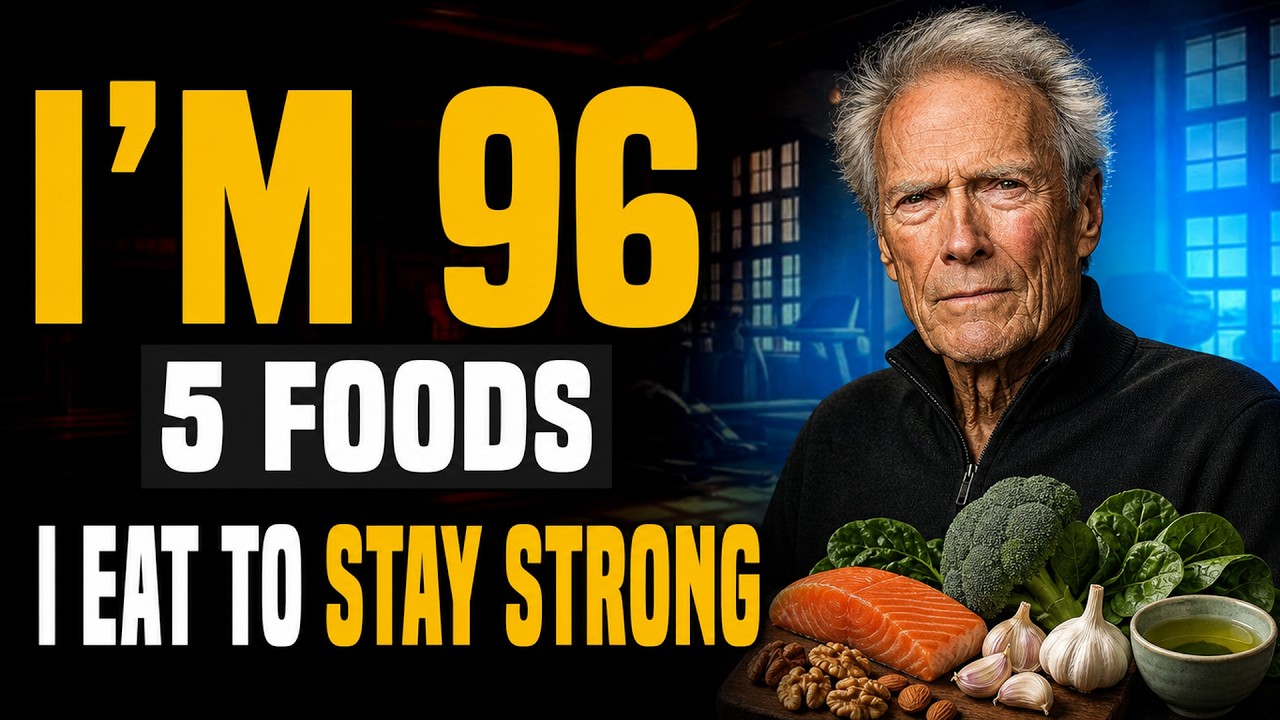
Stretching counts.
Standing up and moving regularly during the day counts.
The National Institute on Aging emphasizes that physical activity can help older adults maintain strength, balance, mobility, sleep, and independence.
And that word — **independence** — may be the most important one.
Because after 60, the goal of exercise changes.
At 30, you may have exercised to look better.
At 70, the bigger question becomes:
**Can I still get out of a chair easily?**
Can I climb stairs?
Can I carry groceries?
Can I walk through an airport?
Can I get down on the floor and get back up?
Can I keep doing the things that make my life feel normal?
That is functional fitness.
And it matters more than having impressive numbers in a gym.
CDC guidance on healthy aging also encourages regular physical activity as one of the core habits that helps people stay strong and well as they age. :contentReference[oaicite:1]{index=1}
You do not have to move like you did at 40.
You simply have to keep moving.
## 2. Eat Mostly Real, Nutrient-Dense Food
There is no verified “Clint Eastwood five-food longevity diet.”
And that is actually good news.
Because healthy aging does not depend on finding one celebrity menu.
It depends much more on the overall pattern of what you eat.
The National Institute on Aging recommends a varied diet that includes vegetables, fruits, whole grains, healthy fats, and nutrient-dense protein foods such as seafood, eggs, beans, nuts, seeds, and lean meats or poultry. :contentReference[oaicite:2]{index=2}
That means the useful question is not:
**“What five foods does a 90-year-old celebrity eat?”**
It is:
**“What foods do I eat most days?”**
Do most of your meals come from recognizable foods?
Vegetables.
Fruit.
Beans.
Eggs.
Fish.
Chicken.
Nuts.
Whole grains.
Olive oil.
Or do they mostly come from boxes, drive-through windows, snacks, desserts, and highly processed convenience food?
You do not need perfection.
You do not have to ban every cookie or cheeseburger.
But the base of the diet matters.
The American Heart Association has also highlighted Mediterranean-style eating patterns — rich in fruits, vegetables, whole grains, fish, healthy oils, and social meals — as part of a broader lifestyle associated with better health outcomes. :contentReference[oaicite:3]{index=3}
After 60, food is not just about weight.
It helps support muscle.
Bone.
Energy.
Blood pressure.
Heart health.
And the ability to stay independent.
## 3. Protect Your Muscle
One of the quiet changes of aging is the gradual loss of muscle.
You may not notice it at first.
The grocery bags simply feel a little heavier.
The stairs feel steeper.
You use your hands to push yourself out of a chair.
You stop carrying things you used to carry without thinking.
Eventually, these small changes can affect independence.
That is why protein and resistance-type activity matter more with age.
Older adults should aim for a variety of nutrient-dense protein sources such as seafood, eggs, beans, nuts, seeds, soy foods, and lean meats or poultry. :contentReference[oaicite:4]{index=4}
But protein alone is not enough.
Muscle needs a reason to stay.
That reason is use.
You do not need to become a bodybuilder.
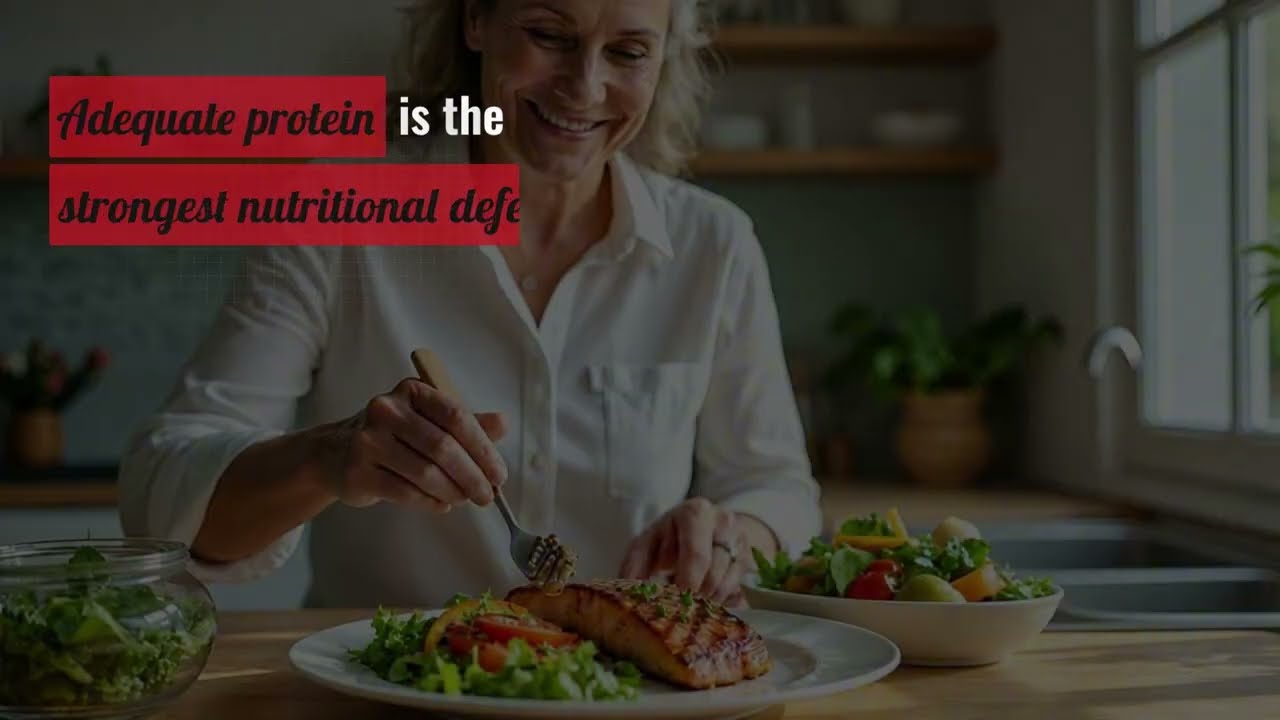
Simple resistance exercises may include:
– standing up from a chair repeatedly
– wall push-ups
– resistance bands
– light dumbbells
– carrying groceries
– supervised strength exercises
If you have mobility problems, pain, heart disease, or other health conditions, talk with your healthcare professional about what is appropriate for you.
The goal is simple:
**Keep enough strength to keep doing your own life.**
That is a far more meaningful measure than the number on a scale.
## 4. Protect Sleep Like It Matters — Because It Does
People often treat sleep as the first thing they can sacrifice.
Stay up later.
Scroll longer.
Have another cup of coffee.
Watch one more episode.
Then wonder why they feel exhausted the next day.
As we age, sleep may become lighter or more fragmented for some people.
But that does not make sleep less important.
CDC healthy-aging guidance includes adequate sleep as part of maintaining mental and physical well-being. :contentReference[oaicite:5]{index=5}
Good sleep supports:
– mood
– attention
– memory
– physical recovery
– immune function
– daytime energy
The best sleep habits are usually not dramatic.
Keep a regular sleep schedule.
Reduce late caffeine.
Keep the room comfortable.
Get daylight and movement during the day.
Avoid heavy meals right before bed.
Talk with a healthcare professional if you have loud snoring, breathing pauses, severe daytime fatigue, or frequent nighttime waking.
There is no magic trick.
But consistency helps.
## 5. Keep a Reason to Get Up in the Morning
This may be the most important lesson associated with Eastwood’s public image.
He kept working.
He kept directing.
He kept showing up.
That does not mean everyone needs a career at 80.
Purpose is much broader than employment.
Purpose might be:
helping with grandchildren.
Taking care of a garden.
Walking a dog.
Volunteering.
Calling a friend.
Helping at church.
Learning something new.
Painting.
Cooking.
Fixing things.
Traveling.
Being the person in the family who remembers the stories.
It simply means having something outside yourself that pulls you into tomorrow.
The National Institute on Aging encourages older adults to remain mentally active, socially connected, and engaged in activities they enjoy. :contentReference[oaicite:6]{index=6}
Social connection matters too.
CDC notes that supportive relationships are linked with better overall health, lower stress, less loneliness, and better quality of life. :contentReference[oaicite:7]{index=7}
You do not need a huge social circle.
You need people who matter.
And reasons to stay involved.
## The Real Lesson Behind “Don’t Let the Old Man In”
The phrase can easily be misunderstood.
It does not mean:
Pretend you are not aging.
Ignore illness.
Refuse help.
Push through pain.
It means something closer to:
**Do not let age become your entire identity.**
You may be 72.
But you are also a parent.
A friend.
A golfer.
A gardener.
A reader.
A neighbor.
A person who still has opinions.
Plans.
Preferences.
Things to learn.
Things to enjoy.
The body changes.
But the person inside it does not disappear.
## What Healthy Aging Really Looks Like
Healthy aging is not the absence of problems.
It is not living forever.
It is not looking young.
And it is certainly not copying a celebrity diet.
Healthy aging is more practical.
It looks like:
being able to walk.
keeping your strength.
eating food that supports your body.
sleeping reasonably well.
staying connected.
keeping your mind engaged.
seeing your doctor.
managing health conditions.
and continuing to participate in your own life.
CDC defines healthy aging as maintaining physical, mental, and social health and well-being as we grow older. :contentReference[oaicite:8]{index=8}
That is a much better goal than “anti-aging.”
Because aging is not the enemy.
Losing your ability to live the life you care about is the bigger concern.
## You Don’t Need Clint Eastwood’s Breakfast
This may be the most useful takeaway.
You do not need to know whether Clint Eastwood eats spinach every morning.
You do not need his exact workout.
You do not need his coffee order.
You do not need a celebrity supplement.
What you need is a pattern you can actually maintain.
Walk.
Eat mostly real food.
Protect muscle.
Sleep.
Stay connected.
Keep something in your life that matters to you.
Do those things repeatedly.
Not for seven days.
Not because they are trending.
For years.
That is the boring part of healthy aging.
And it may also be the most powerful part.
## If You’re Over 60, Start Smaller Than You Think
You do not have to rebuild your life this Monday.
Choose one thing.
Walk for ten more minutes.
Add vegetables to dinner.
Call someone you miss.
Go to bed at a more consistent time.
Do a few chair stands.
Schedule the checkup you have been postponing.
Small habits do not look impressive on social media.
But they compound.
That is what makes them valuable.
## The Bottom Line
Clint Eastwood’s longevity should not be reduced to a list of five magical foods.
The more meaningful lesson is the philosophy he has actually spoken about:
Keep moving.
Keep participating.
Do not spend all your time thinking about how old you are.
That mindset does not guarantee a long life.
Nothing does.
Genetics, disease, access to care, environment, and plain luck all matter.
But healthy habits can improve the odds of staying stronger, more independent, and more engaged as the years pass.
And that is a goal worth pursuing.
You do not have to feel 40.
You do not have to look 50.
You do not have to compete with anyone.
You just need to keep enough of yourself active that tomorrow still has something in it worth showing up for.
Maybe that is what “don’t let the old man in” really means.