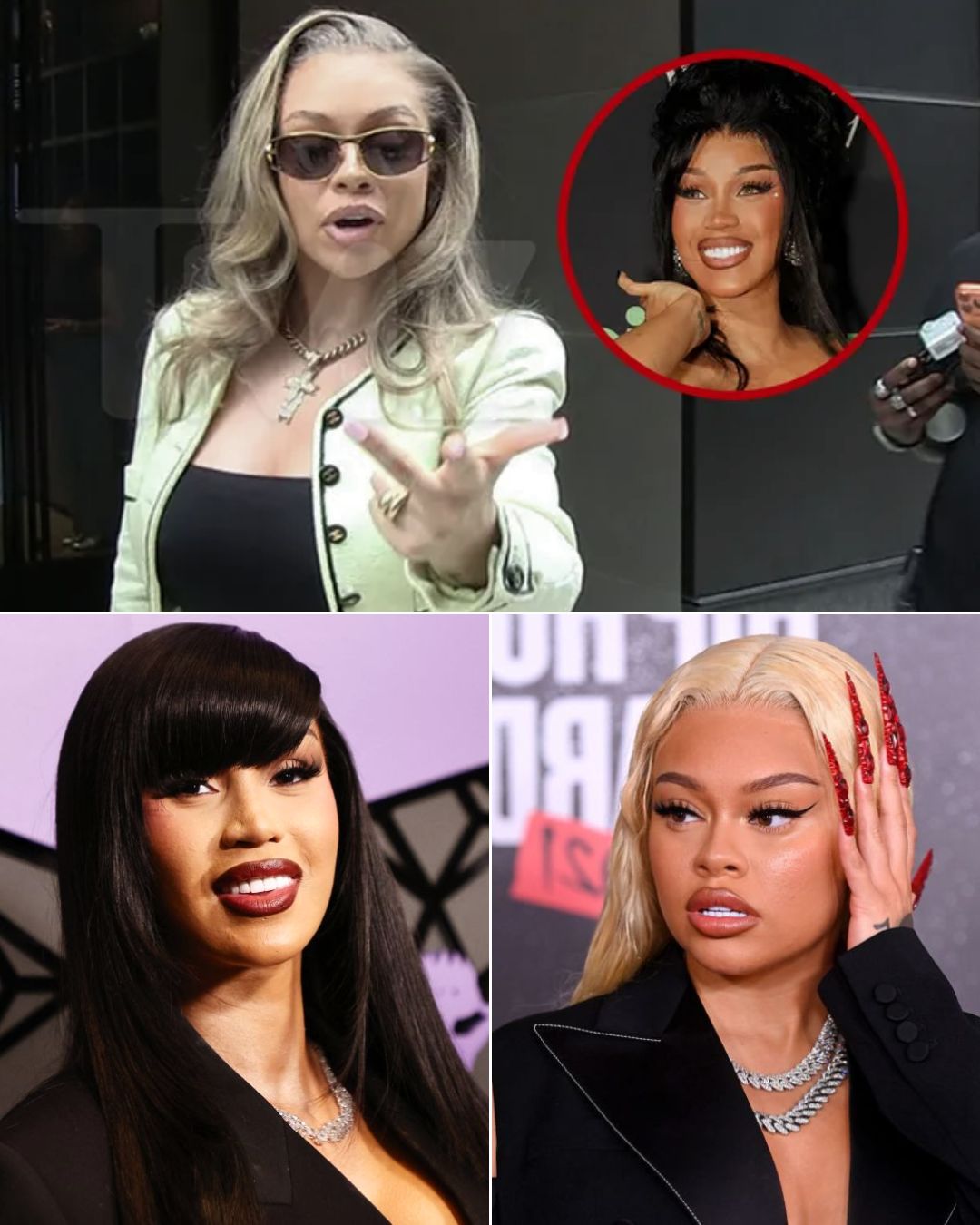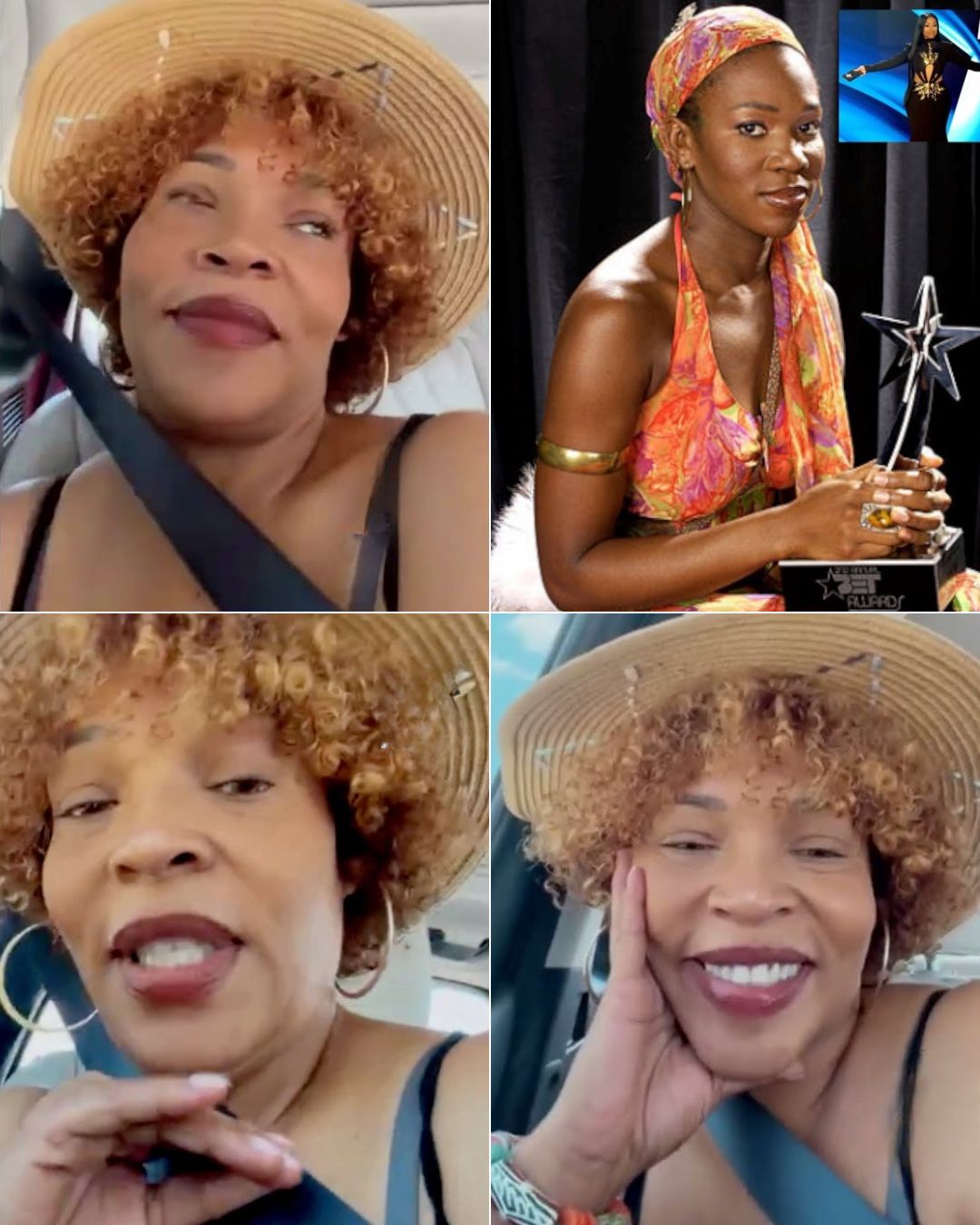
Free From 106 & Park has ignited a heated controversy by openly criticizing Yung Miami’s 𝓿𝒾𝓇𝒶𝓁 hit “Spend Dat,” sparking a fierce debate within the music community. The outspoken remarks challenge the cultural impact and lyrical content of the song, stirring passionate reactions from fans and industry insiders alike.
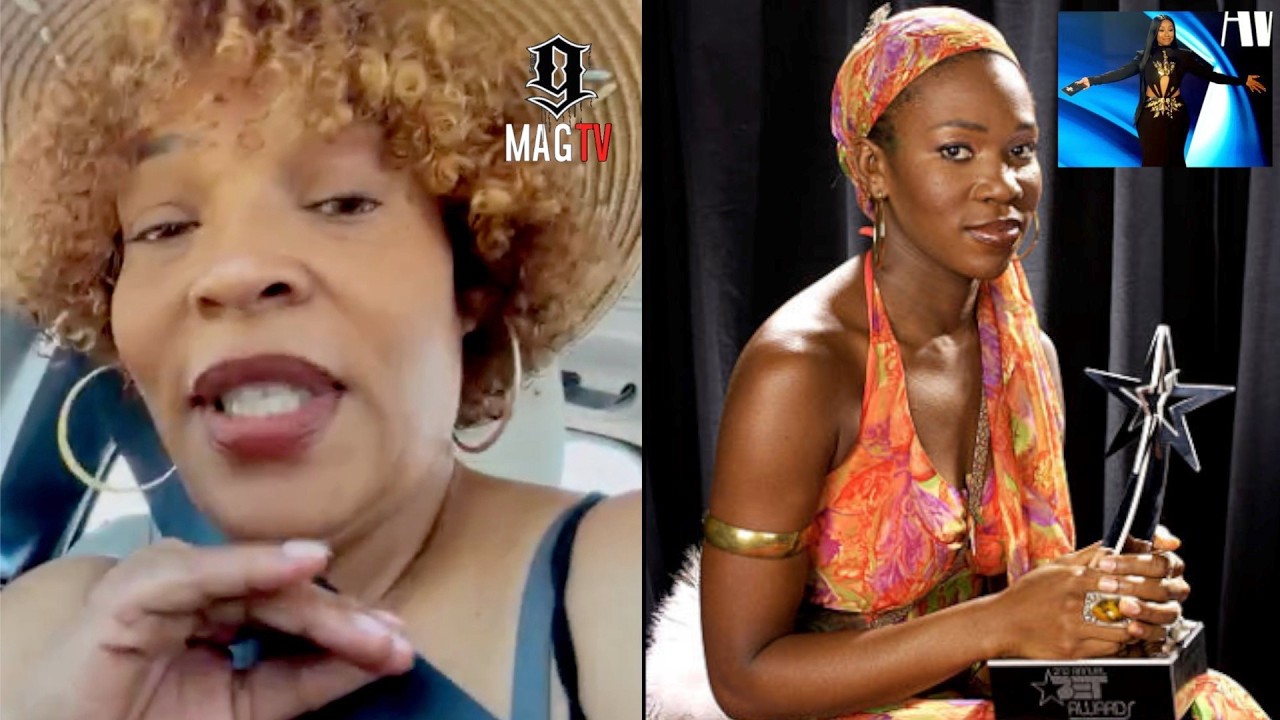
Marie Wright, known for her candid takes on music and culture, broke her silence addressing public curiosity about her opinion on Yung Miami’s track. She acknowledged the song’s undeniable success, despite expressing personal reservations about its message and appropriateness within the Black community’s current needs.
Declaring the song a “hit” with catchy summer vibes, Wright underscored the complexity of musical expression, admitting she has produced similarly 𝓮𝔁𝓹𝓵𝓲𝓬𝓲𝓽 content herself. Her frank admission highlighted the tension between commercial success and cultural responsibility in today’s music landscape.

Wright emphasized that music serves multiple purposes—from uplifting communities to providing club-ready party anthems—and insisted there is room for both within the industry. She challenged critics to recognize the diversity of taste and intent behind artists’ work without harsh condemnation.
The Free From 106 & Park personality also reflected on the broader cultural conversation around music’s influence, particularly amid challenges facing the Black community. Her nuanced take encouraged dialogue rather than dismissive criticism, urging fans and creators to consider context and impact more deeply.

Fans greeted Wright’s remarks with mixed feelings. Some praised her honesty and balanced viewpoint, appreciating her willingness to critique while celebrating artistic freedom. Others debated whether the song’s 𝓮𝔁𝓹𝓵𝓲𝓬𝓲𝓽 content detracts from positive representation, elevating the discussion around responsible artistry.

The controversy also reignited interest in the legacy of BET and its founder Bob Johnson, a key figure in African American media history. Wright recounted her personal interactions with Johnson, shedding light on the business acumen and foundational principles behind BET’s success and influence.
As tensions simmer in this cultural debate, Wright’s insights remind industry players and audiences alike of the complex dynamics at play when art intersects with social accountability. The dialogue sparked by her comments is poised to fuel ongoing discussions about music’s evolving role in shaping community narratives.
With “Spend Dat” continuing its rise and controversy, listeners and critics watch closely as the dialogue unfolds, reflecting broader conversations about expression, empowerment, and influence in music today. Free From 106 & Park’s bold stance has undeniably thrust this issue into the spotlight with renewed urgency.