Today, rain is mostly an inconvenience.
It ruins traffic.
Soaks your shoes.
Cancels a picnic.
Makes you reach for an umbrella and complain about the forecast.
But imagine waking up 40,000 years ago.
There is no roof above you except stone.
No dry clothes waiting in a drawer.
No grocery store.
No flashlight.
No weather app telling you when the storm will end.
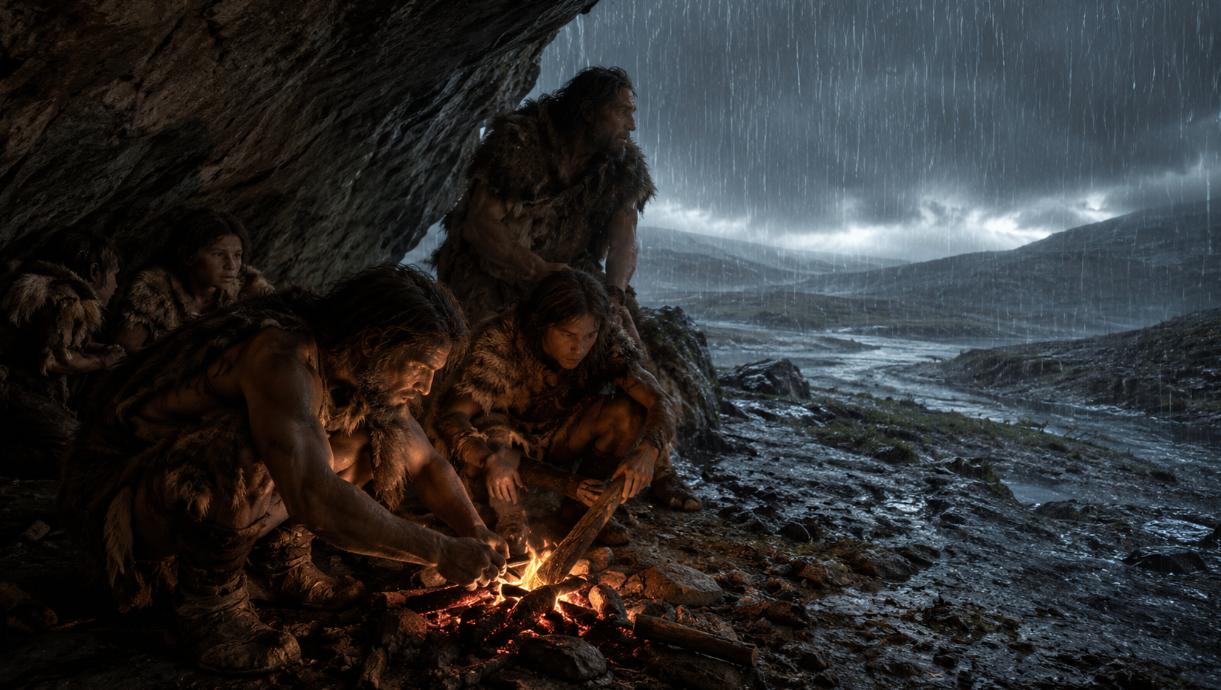
Outside the cave, rain has been falling for three days.
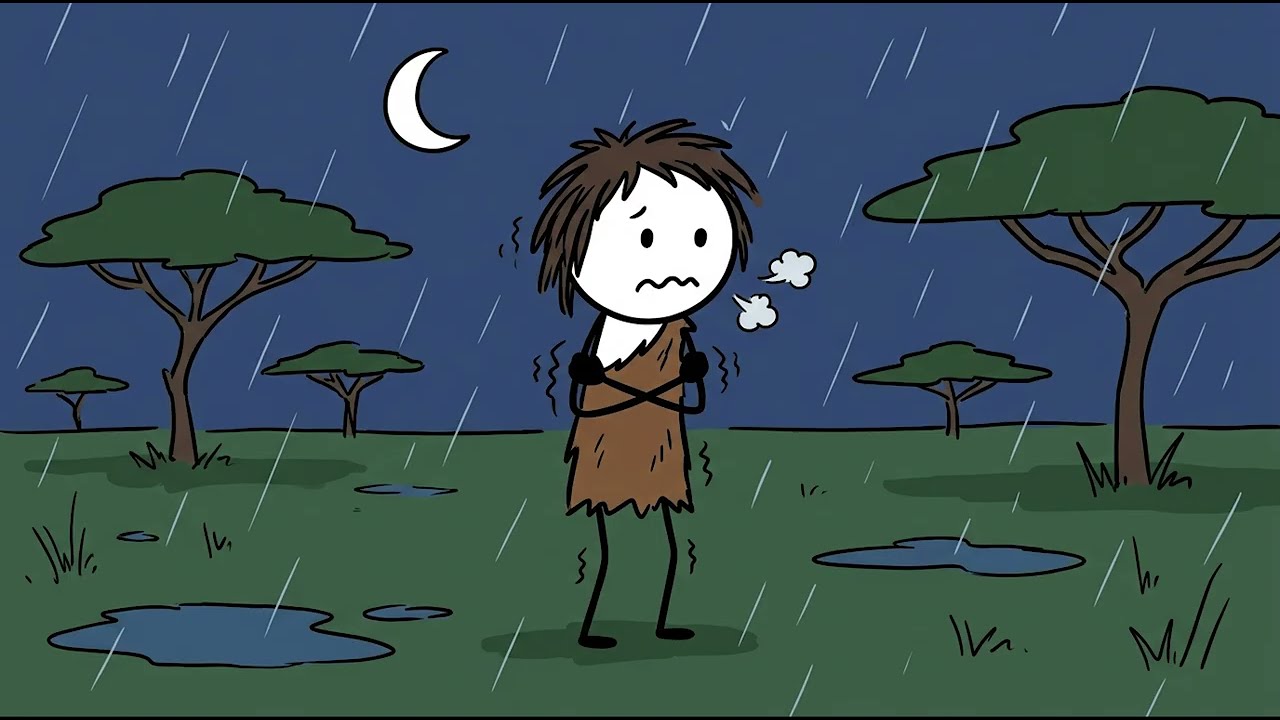
The trail your group followed yesterday is gone. The hoofprints of the deer have vanished under mud and running water. The slope outside the shelter is slick. One bad step could twist an ankle, and for an ancient hunter, a twisted ankle was not a minor injury.
It could mean hunger.
It could mean being left behind.
It could mean death.
For early humans, rain was not just bad weather.
Rain could erase the world.
It washed away tracks. It made hunting harder. It turned dry ground into mud. It pushed animals into hiding. It made firewood useless. It flooded low shelters. It brought cold deep into the bones.
And when the rain did not stop, people had to make a choice.
Go outside and risk the storm.
Or stay inside and survive together.
That may be where one of humanity’s oldest lessons began.
Not in sunshine.
Not in comfort.
But in the long, dark hours when no one could leave.
Inside the cave, everything depended on the fire.
To us, fire feels ancient and simple. A match, a lighter, a stove, a candle.
But for early humans, fire was life itself.
It gave warmth.
It cooked food.
It kept predators away.
It turned night into something less terrifying.
It gave people a place to gather.
Losing fire during a storm could be a disaster.
Wet wood does not burn easily. Rain can smother embers. A careless step, a strong gust, or one night of neglect could leave a group cold, hungry, and exposed.
So someone had to watch the flame.
Someone had to feed it.
Someone had to search for dry material hidden inside wet logs, under rock ledges, or beneath bark.
Fire was not just a tool.
It was a responsibility.
A group trapped by rain may have spent hours doing one thing that sounds simple now but once meant everything:
keeping the fire alive.
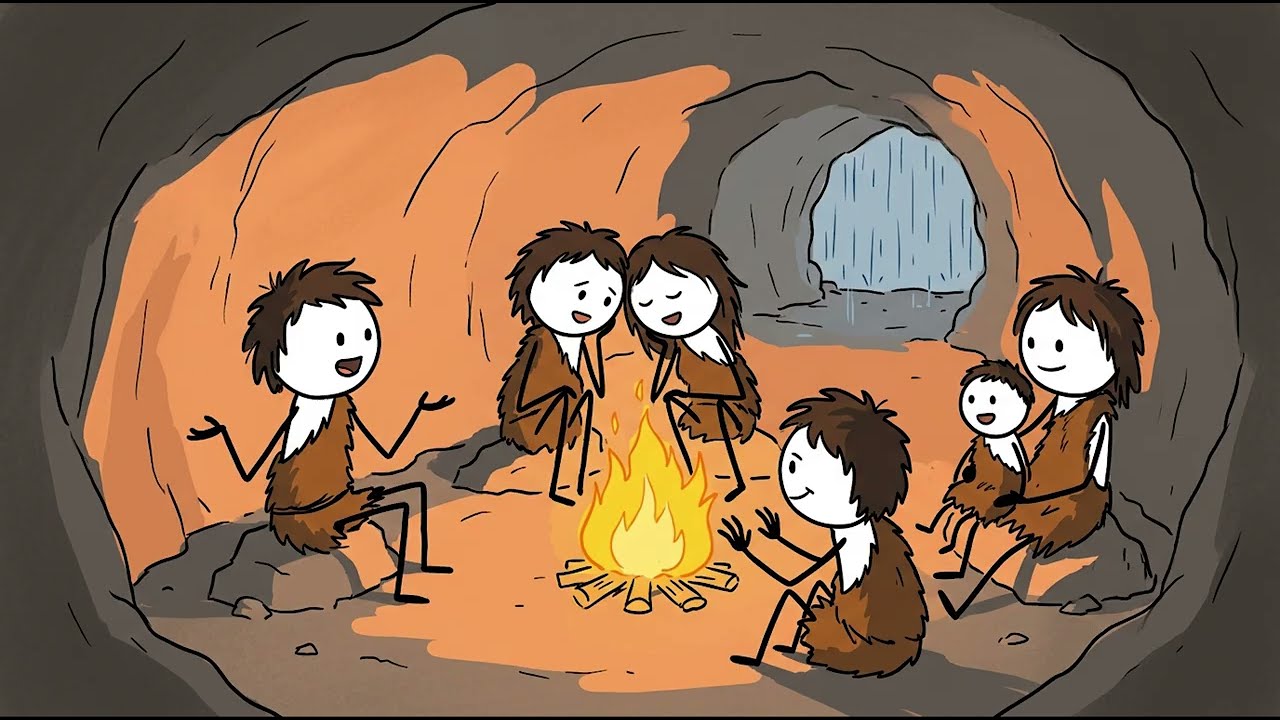
Around that fire, the cave changed.
It was no longer just a hiding place.
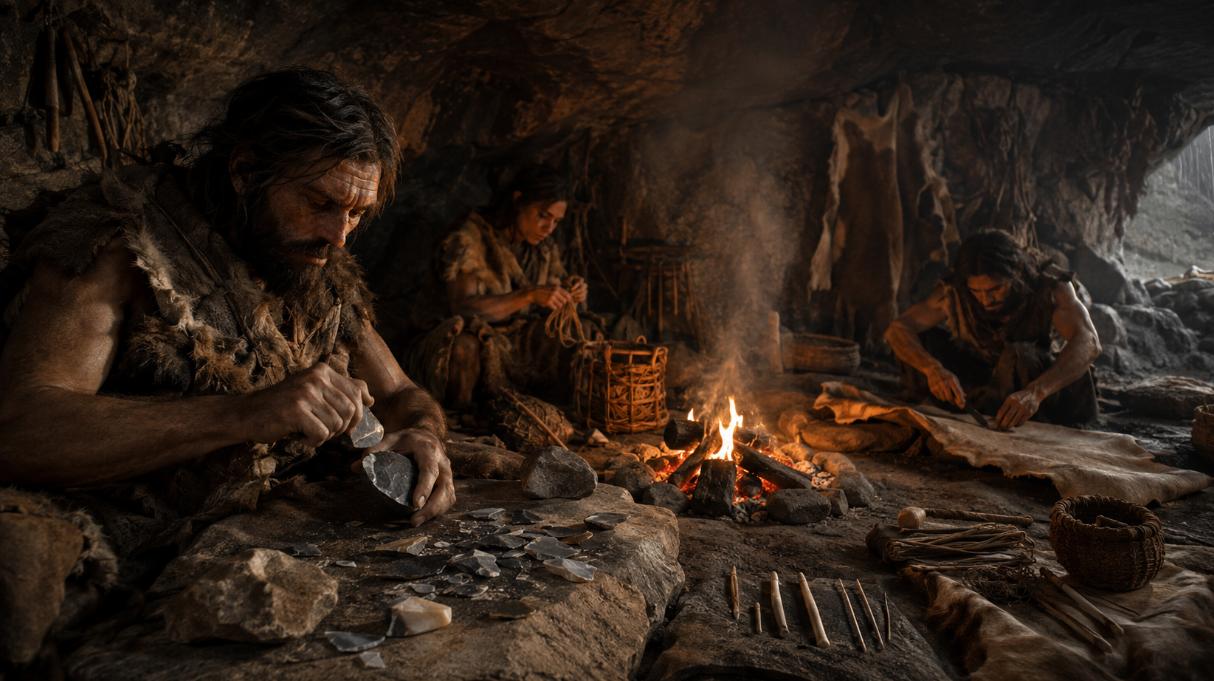
It became a workshop.
When the hunters could not hunt, hands still had work to do.
Stone tools needed sharpening. Broken points needed replacing. Animal hides needed scraping. Fibers could be twisted into cord. Wooden handles could be repaired. Children could watch, learn, and copy.
Rain forced stillness.
But stillness did not mean idleness.
In those long hours, people could prepare for the moment the weather cleared.
A sharper blade.
A better spear point.
A repaired hide covering.
A stronger cord.
Small improvements, made in silence and patience, could decide whether the next hunt succeeded.
This is where survival begins to look like invention.
Not invention as a sudden miracle.
But invention as repetition.
Hands working while the storm continues.
An elder showing a younger person how to strike stone at the right angle.
Someone testing which bark catches fire faster.
Someone learning that twisted plant fibers can hold stronger than loose ones.
Someone discovering that patience can become technology.
And then there was the darkness.
Modern people rarely experience true darkness.
Even at night, there are streetlights, screens, headlights, clocks, glowing chargers, and kitchen lamps.
But inside a deep cave during a storm, darkness was alive.
It pressed close.
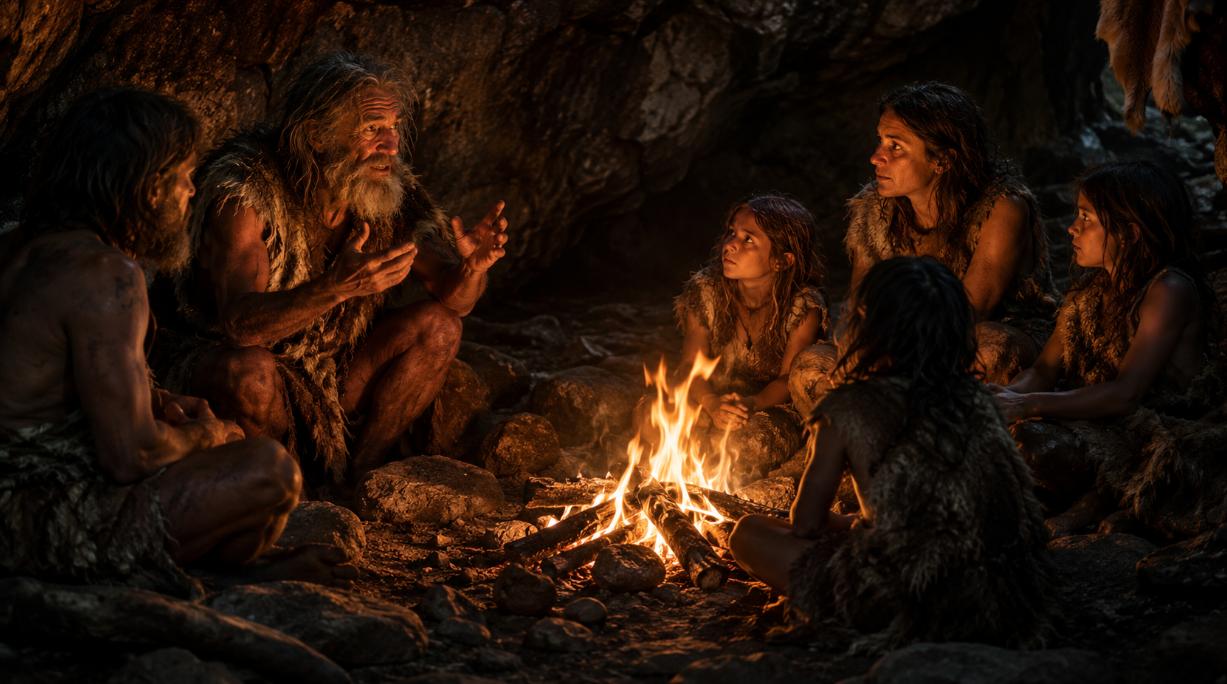
The fire pushed it back just enough for faces to appear.
And around those faces, something else may have grown.
Stories.
When people could not travel, they talked.
They remembered where the herds moved last season. They warned children about dangerous animals. They repeated the path to a water source. They explained which plants could be eaten and which could kill.
Some stories were practical.
Some were frightening.
Some probably made people laugh.
Some may have become songs, rituals, or memories passed from one generation to the next.
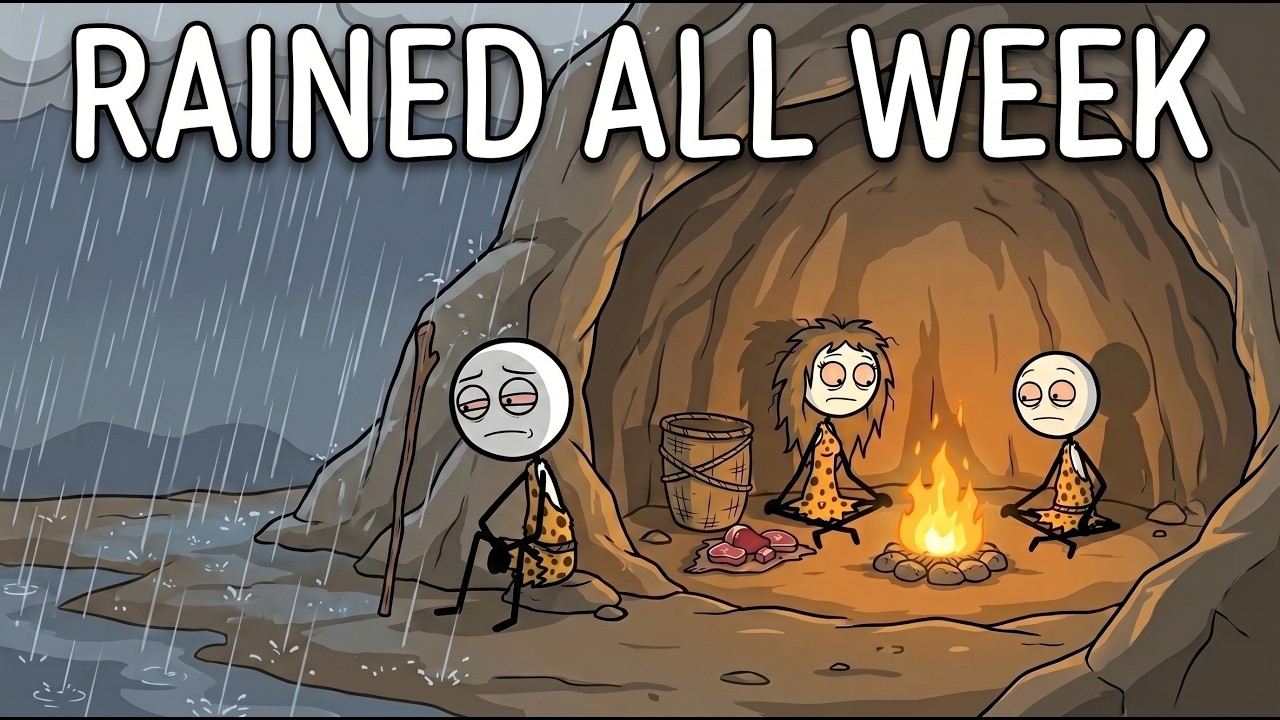
A storm could trap bodies inside a shelter.
But around the fire, the mind could travel.
To yesterday’s hunt.
To the dead who were missed.
To animals seen in dreams.
To dangers waiting beyond the cave mouth.
This is one of the most powerful ideas about early humans:
culture may not have grown only from abundance.
It may also have grown from waiting.
From being stuck together.
From needing to remember.
From needing to explain.
From needing to keep fear under control until morning came.
Rain also changed the world after it passed.
When the storm finally ended, the land was different.
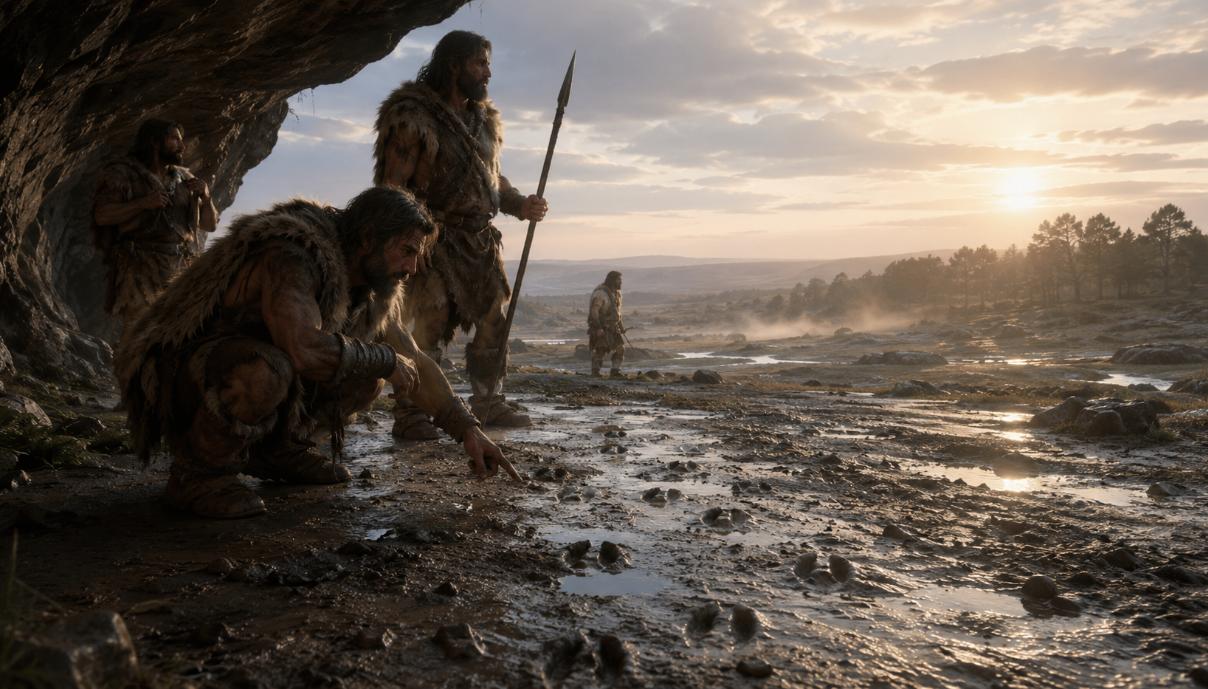
The air smelled sharp and clean. Streams ran higher. Mud held fresh prints. Animals that had hidden began to move again. Mushrooms appeared. Tubers softened in wet soil. Insects swarmed. New signs covered the ground.
To a skilled tracker, wet earth could become a map.
A broken branch.
A deep hoof mark.
A trail pressed into mud.
A scent carried low after rain.
What had erased yesterday’s path could reveal tomorrow’s opportunity.
That is the strange truth about rain.
It threatened early humans.
But it also taught them.
It punished carelessness and rewarded planning.
It made fire precious.
It turned shelters into workshops.
It forced people to cooperate.
It created long hours where tools could be improved, stories could be told, and children could learn what survival required.
Rain did not “create” humanity by itself.
No single force did.
But rain may have shaped something deeply human:
the ability to endure discomfort, stay together, and turn waiting into preparation.
Think about that the next time rain taps against your window.
To you, it may be background noise.
To our ancestors, that sound may have meant hunger, danger, cold, and fear.
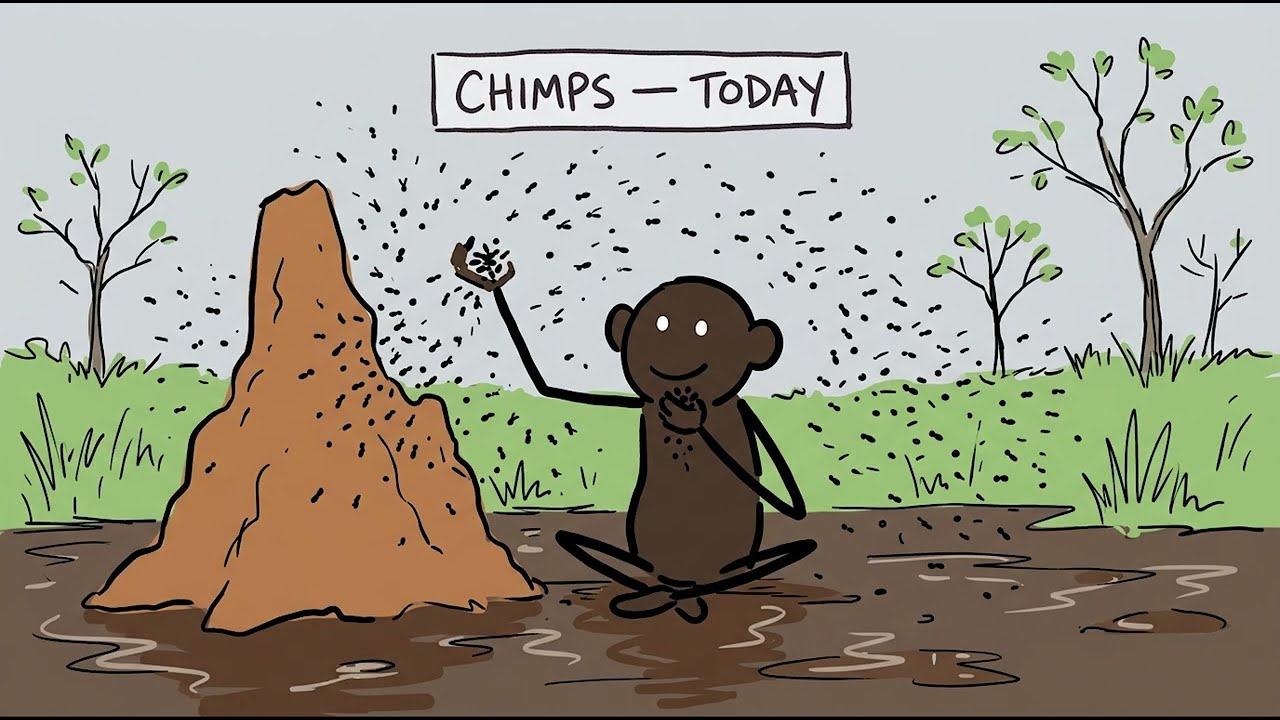
But it may also have meant something else.
A circle of people around a fire.
Hands shaping stone.
Voices telling stories.
Children watching.
Elders remembering.
A group trapped by the storm, refusing to waste the darkness.
Long before cities, books, schools, or written language, humans were already learning one of civilization’s oldest skills:
how to survive the bad days together.
Maybe that is why rain still does something strange to us.
It slows us down.
It pulls us indoors.
It makes us gather near windows, kitchens, fireplaces, coffee cups, and familiar voices.
Somewhere deep in memory, perhaps we still understand what our ancestors knew.
When the storm comes, the world outside may disappear.
But inside, if the fire is kept alive, something human can begin.