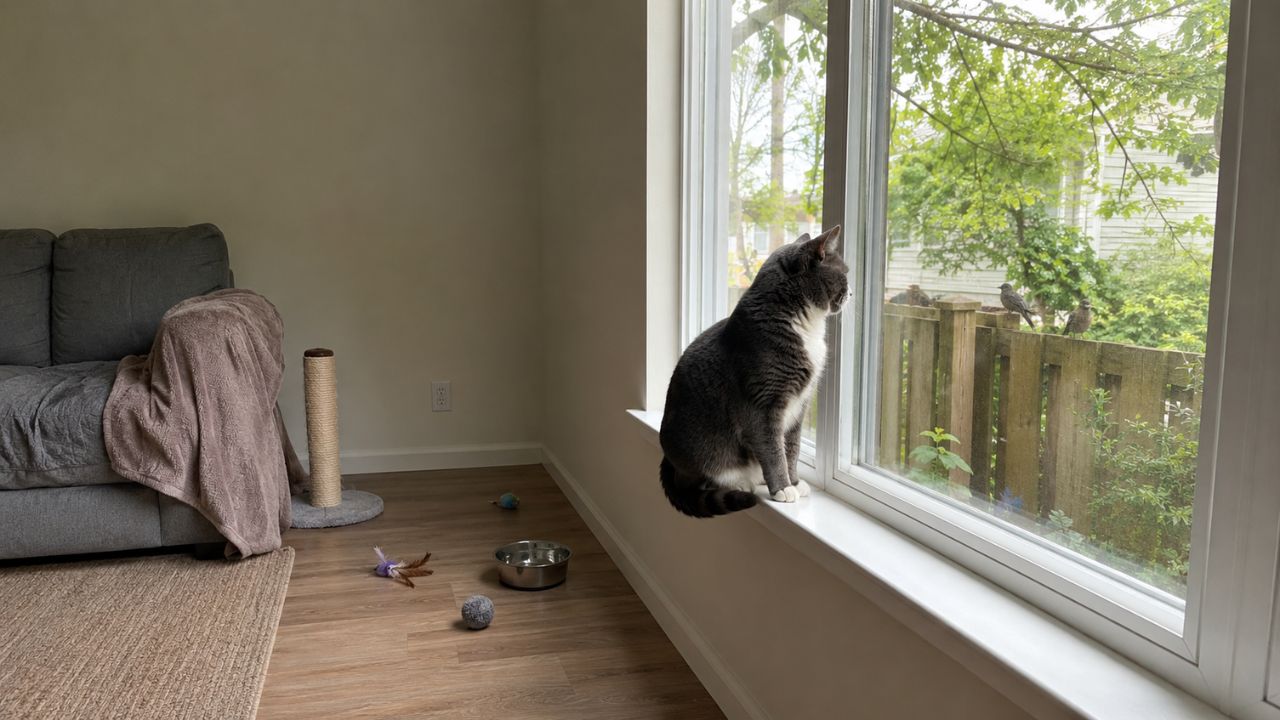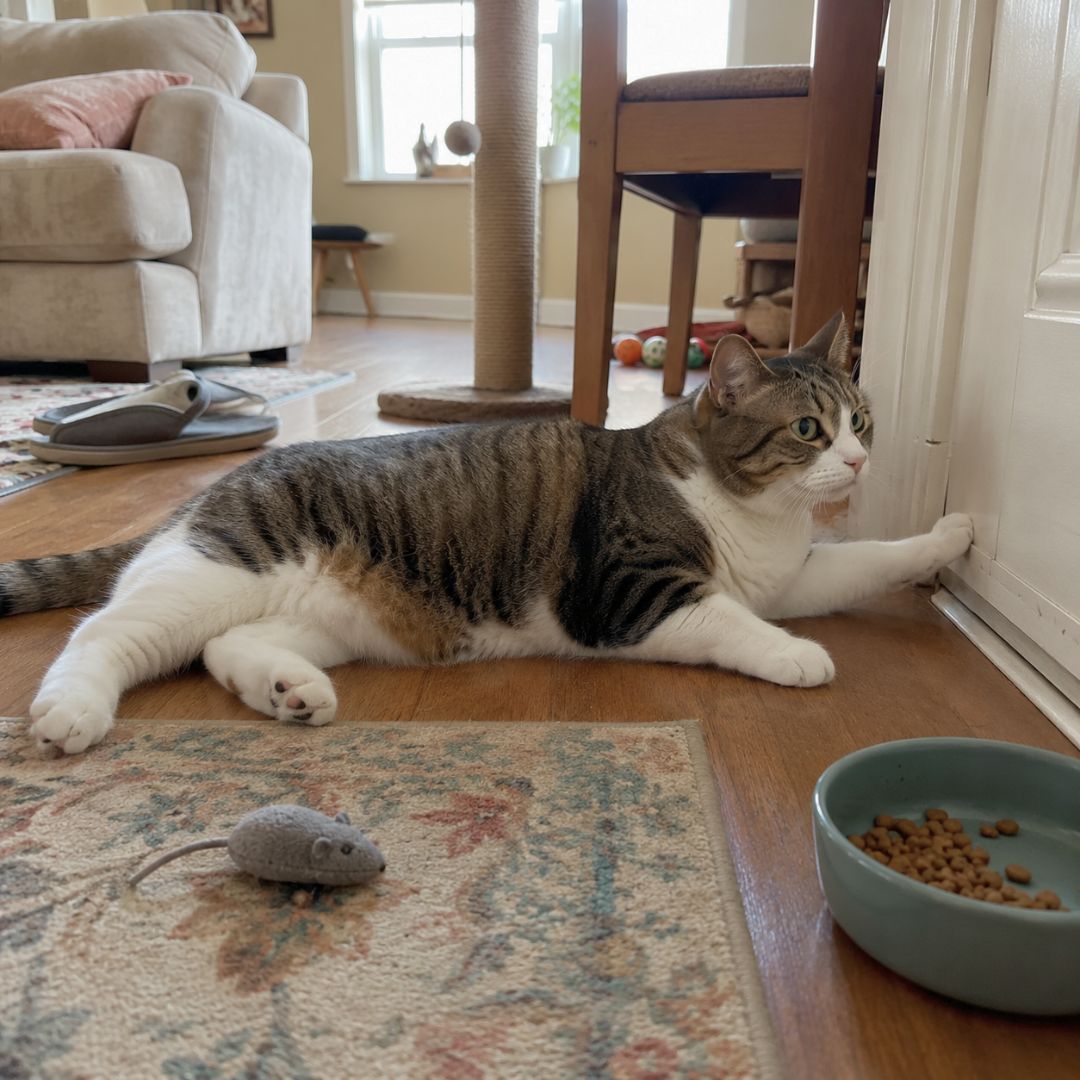
Have you ever wondered what it truly means for your feline friend to live their entire life indoors? Many cat owners grapple with feelings of guilt, fearing they might be depriving their pets of a fulfilling life. However, recent insights reveal that keeping your cat indoors may be the best choice for their health and happiness.
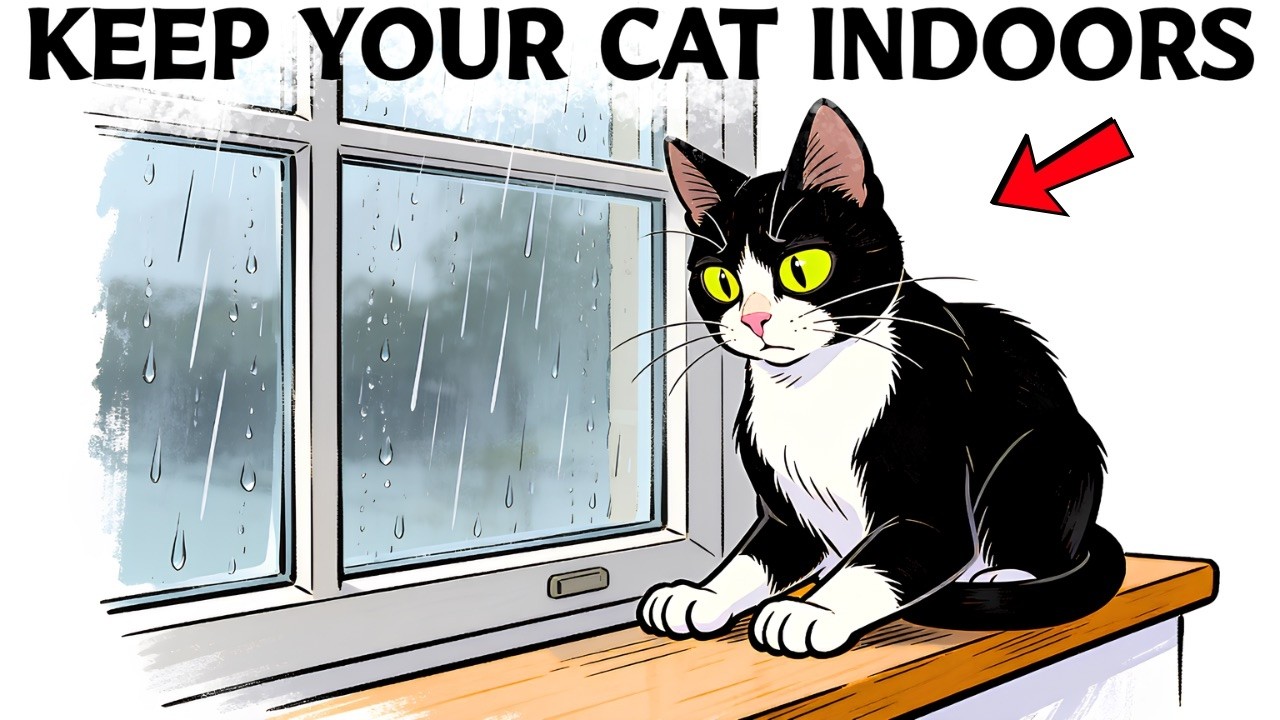
First off, let’s address a common misconception: indoor cats tend to live significantly longer than their outdoor counterparts. While outdoor cats face numerous dangers, indoor cats can live anywhere from 12 to 18 years, with many reaching their 20s. In contrast, the lifespan of outdoor cats is often uncertain, as many simply vanish without a trace, leaving their owners with unanswered questions.
The dangers lurking outside are far more severe than many realize. Outdoor cats are at risk from vehicles, predators, and diseases that can be fatal. Stray and feral cats, for example, typically survive only two to five years due to these threats. Understanding this stark reality can help alleviate any guilt you may feel about keeping your cat indoors.
 Moreover, indoor cats enjoy a sense of security that outdoor cats cannot. You always know where your indoor cat is, whether they’re lounging on the couch or basking in a sunny spot. This peace of mind is invaluable, as outdoor cat owners often find themselves anxiously calling their pets late at night, hoping for their safe return.
This certainty works both ways. Your cat is equally aware of your whereabouts, allowing them to feel secure in their environment. Their territory is well-defined, which means they can focus their energy on bonding with you rather than on survival. This deep connection is evident in how indoor cats communicate with their owners. Interestingly, most adult cats rarely meow at each other; they develop this language primarily for humans, indicating a strong bond.

While it’s easy to assume that outdoor life offers more excitement, the truth is that cats thrive on stability. Their happiness is rooted in secure territory, predictable resources, and control over their environment. Outdoor life, filled with uncertainty and competition, can actually be quite stressful for them. In contrast, your home provides a safe haven where they can master their surroundings and enjoy the simple pleasures of life.
 Another crucial aspect to consider is that indoor cats are better equipped to signal when something is wrong. Unlike their outdoor counterparts, who may hide signs of illness due to instinctual survival behaviors, indoor cats’ daily routines allow you to notice subtle changes that could indicate health issues. This means you can catch potential problems early, ultimately leading to better health outcomes.
So, the next time you question whether your indoor cat is missing out, remember that their needs are quite different from our own. Their world is one of comfort, safety, and deep connection with you. What does your cat truly need to feel fulfilled, and how can you enhance their indoor experience even further?