If your dog sleeps with you, they are communicating crucial, biologically rooted messages about trust, safety, and emotional connection that science has only recently begun to unravel. This nightly ritual signifies far more than comfort—it reveals a profound bond and signals you as their safest place, demanding urgent attention and understanding.
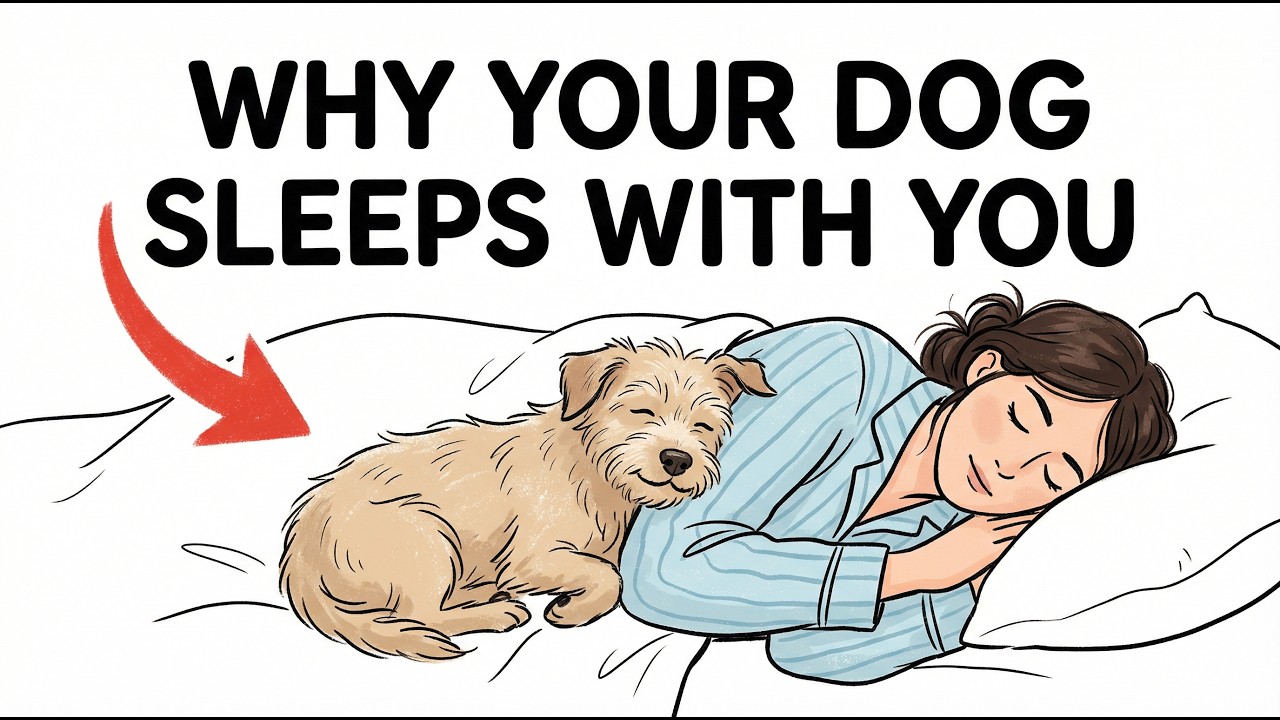 When dogs choose to sleep beside their human companions, it’s never simply about warmth or convenience. Despite having access to numerous cozy spots, dogs deliberately select their owner’s bed. This choice defies survival instincts since sleep is when vulnerability peaks, showing that the dog trusts and perceives the owner as a sanctuary. This behavior traces back to ancient pack dynamics, underscoring an emotional attachment few appreciate fully.
Researchers have highlighted a remarkable physiological interaction during these shared sleep moments: dogs and humans synchronize their heartbeats and breathing patterns, creating a mutually calming effect. Cortisol, the stress hormone, drops significantly in both species. This biological duet means your dog doesn’t just seek comfort—they regulate your stress levels as intensely as you regulate theirs.
Observing where your dog lies relative to you reveals instinctual protective roles. A dog at the door acts as a sentinel; pressed against your back, they cover blind spots; feet sleepers position themselves for rapid response. These sleeping strategies echo pack behaviors where every member keeps watch, securing safety through coordinated vigilance even in a domestic setting.

Sleep postures further decode your dog’s trust and emotional state. Curled positions indicate cautious trust, sprawling shows complete vulnerability and safety, and back-to-you stances signal deep confidence without need for constant vigilance. The often misunderstood act of turning their back is, in fact, one of the highest compliments your canine can give.
Dogs have astonishingly adapted their evolutionary rhythms, designed for dawn and dusk alertness, to match human schedules. They modulate their sleep and activity cycles around your routine, a subtle yet profound testament to their commitment and desire to remain close. This internal clock synchronization is an unspoken pact of companionship shaped by years of mutual adaptation.

Beyond routine, dogs are finely tuned emotional detectives. They sense shifts in human stress before you even recognize the signs, responding to chemical cues and micro-expressions with uncanny precision. Nightly proximity hones their awareness, allowing them to detect and react to changes in your health or emotional well-being, often prompting comfort and support instinctively.
A sudden refusal by a dog to sleep beside you signals a serious warning. It often indicates physical pain or illness, a natural survival instinct to hide weakness from the pack. Such behavioral changes require immediate attention. Consulting a veterinarian becomes critical, as your loyal companion’s retreat is a cry for help you cannot afford to ignore.

Changes in household dynamics—new pets, strangers, altered routines—can unsettle your dog’s sense of safety. Even minor disturbances or traumatic incidents within the sleeping environment can cause withdrawal. This avoidance is not defiance but a protective measure. Recognizing and addressing these triggers is essential to restoring their trust and the precious bond you share.
Every night your dog chooses you as a sleeping partner, they’re making an intentional declaration: “You are my safe haven.” Understanding this powerful communication reshapes how we perceive our dogs’ presence. It demands vigilance, empathy, and action when disruptions occur, reaffirming the profound and urgent nature of this silent nightly dialogue between species.