Why Timing Your Iceland Trip Actually Matters
Iceland isn’t like other destinations. The difference between visiting in January versus July? It’s basically two completely different countries. You could be hiking under 24-hour daylight or chasing northern lights through a snowstorm. Neither is wrong — but picking the wrong month for your goals will ruin your trip.
I’ve seen too many travelers show up in December expecting to drive the Ring Road easily, then get stuck in a blizzard near Akureyri. Or they arrive in August hoping to see auroras and wonder why the sky never gets dark. So let’s break this down properly.
Winter Months: November Through February

November
November marks the real start of winter tourism. The northern lights are out in full force, and you’ll catch the last vestiges of autumn colors in some sheltered valleys. Daylight drops to about 7 hours by month’s end, which sounds depressing but means more aurora-watching time.
Temperatures hover around 0-5°C (32-41°F) in Reykjavik. The highlands are closed. Stick to the south coast and Golden Circle unless you’re joining a super jeep tour.
Budget travelers, pay attention: November is shoulder season. Hotels drop prices 20-30% compared to peak summer. Flights from the US run $400-600 roundtrip if you book early.
December
December is magical but chaotic. Christmas in Iceland involves 13 mischievous Yule Lads, not Santa — the cultural experience alone is worth the trip. Reykjavik’s downtown lights up beautifully, and the holiday markets are genuinely charming, not overly commercialized.
But here’s the reality check: you get about 4-5 hours of daylight. The sun rises around 11am and sets by 3:30pm. Some people find this cozy. Others get genuinely depressed. Know yourself.
Road conditions are unpredictable. I’d recommend skipping the car rental and booking guided tours instead. You’ll pay more, but you wont end up in a ditch outside Vik.
January
January is the coldest month, but honestly not by much — averages sit around -1°C to 2°C (30-35°F). Coastal Iceland stays surprisingly mild thanks to the Gulf Stream. Wind chill is the real enemy.
This is prime northern lights season. The extended darkness gives you maximum viewing opportunities, typically between 9pm and 2am. Download the Icelandic Met Office aurora forecast app and check it obsessively.
Tourist numbers are low. You might have Seljalandsfoss waterfall to yourself on a Tuesday morning. That’s increasingly rare in Iceland.
February
February offers the sweet spot for winter visits. Days are noticeably longer (8-10 hours of light), but winter activities remain in full swing. Ice caves in Vatnajökull are still accessible, and the northern lights continue performing.
Valentine’s Day brings inflated prices at Reykjavik restaurants and hotels. Book early or avoid that week entirely.
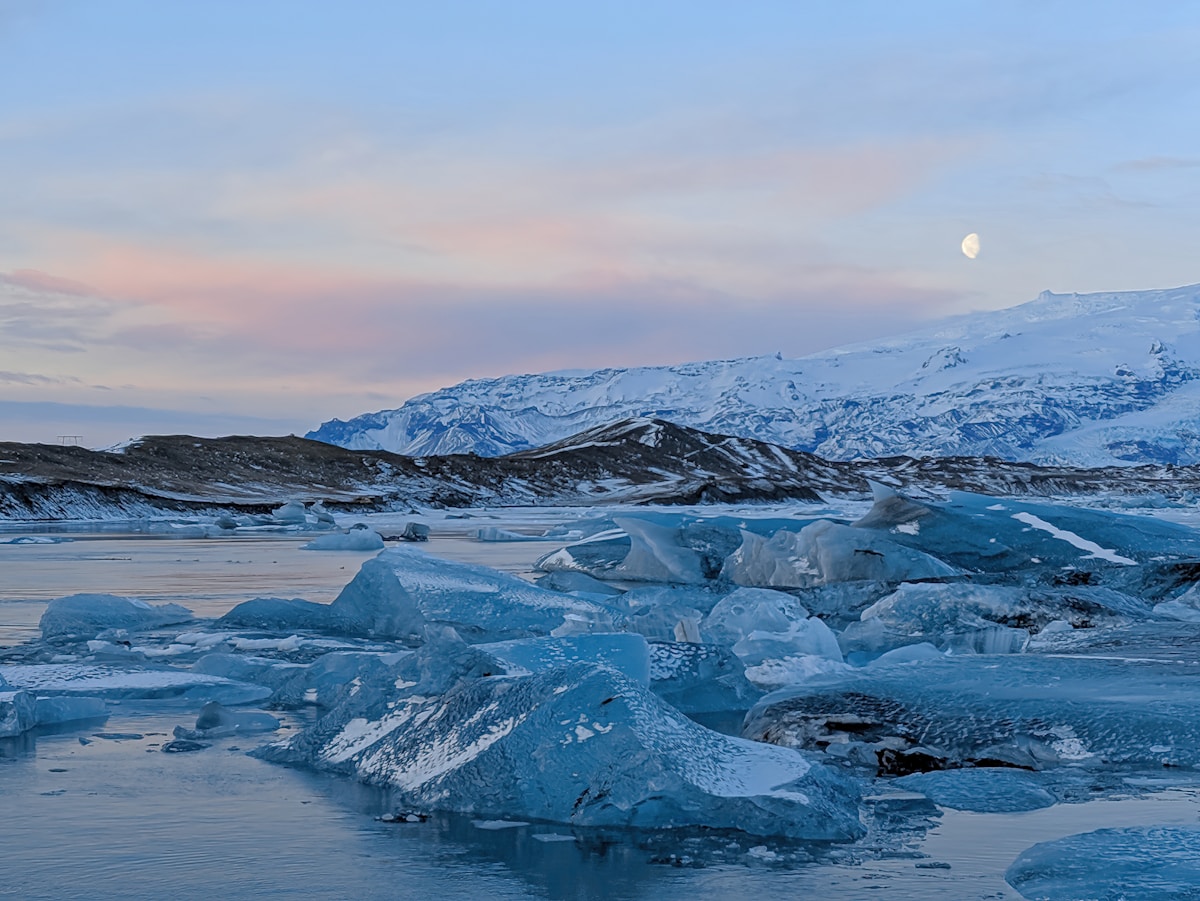
The highlands stay closed, but the Diamond Beach ice chunks look absolutely spectacular against the longer twilight hours.
Spring Transition: March Through May
March
March is wildcard territory. You might get spring-like weather one day, a massive snowstorm the next. The northern lights season officially ends around mid-to-late March as nights grow shorter.
Puffins start arriving at coastal cliffs toward month’s end. They’re not in full breeding plumage yet, but early birders can spot the first arrivals.
Prices remain reasonable. This is actually my personal favorite time to visit — you get winter’s atmosphere with improving conditions.
April
April brings genuine spring. Snow melts rapidly in lowland areas, creating muddy conditions and swollen waterfalls. Dettifoss and Gullfoss look absolutely thunderous.
Highland roads remain closed. Don’t even think about it — the F-roads typically don’t open until June or July depending on conditions.
Easter week brings domestic tourism spikes. Icelanders take their holidays seriously and many hotels outside Reykjavik book out.
May
May is underrated. Daylight extends to 20+ hours, but you haven’t hit the midnight sun extreme yet. Temperatures are comfortable (7-12°C/45-54°F), wildflowers begin appearing, and puffin colonies are fully active.
Tourist crowds haven’t peaked. You’ll pay moderate prices and enjoy reasonable availability at popular spots. The Ring Road is fully accessible in good conditions.
Only downside? Some highland routes and interior destinations remain closed. Late May sometimes sees partial openings.
Summer Peak: June Through August

June
June delivers the midnight sun. Around the solstice (June 21), the sun barely dips below the horizon even at midnight. This is surreal and disorienting in the best way. Bring an eye mask for sleeping.
Everything is open. Highland roads, remote hiking trails, the Westfjords — all accessible. This is the only time to tackle multi-day treks like Laugavegur without serious winter gear.
Prices peak hard. Expect to pay $200+ nightly for basic hotels, and $80+ for rental cars. Book 3-6 months ahead.
July
July is the warmest month, averaging 10-15°C (50-59°F). Yes, that’s summer here. Pack layers regardless.
Crowds reach maximum density. The Blue Lagoon books out weeks ahead. Tour buses line up at Geysir. It’s still beautiful, but you’re sharing the experience with thousands of others.
Wildlife thrives. Whale watching tours have excellent success rates. Puffins are feeding chicks. The lupine flowers (controversial among locals but undeniably photogenic) carpet entire hillsides in purple.
August
August maintains summer conditions but crowds thin slightly after mid-month when European holidays end. Temperatures stay pleasant, daylight remains generous at 17-18 hours.
Late August brings the first faint aurora possibilities. Don’t count on it, but if you’re lucky and conditions align, you might catch early-season lights.
Berry season begins. Bilberries and crowberries appear in lowland areas. Locals go picking — join them if you find a good patch.
Autumn: September and October
September
September is criminally overlooked. The midnight sun is gone, meaning proper night skies return — northern lights season officially restarts around mid-September.
Autumn colors transform the landscape. Birch trees turn golden, moss-covered lava fields develop red and orange undertones. Photographers, this is your month.
Prices drop 25-40% from summer peaks. Weather remains mild, typically 5-10°C (41-50°F). Highland roads start closing late in the month, so check conditions daily if you’re heading inland.
October
October is moody and dramatic. Storms roll through regularly, but dramatic light breaks between clouds create incredible photography conditions. Days shorten rapidly to around 10 hours.
Northern lights activity increases as darkness returns. Aurora hunters should note that October often delivers strong geomagnetic activity.
Some highland areas close, and weather can disrupt travel plans. Build flexibility into your itinerary — missing a flight connection due to Icelandic weather is genuinely common.
Quick Decision Guide
For northern lights: November through February, or late September/October
For midnight sun: Mid-June through mid-July
For budget travel: November, March, or late September
For hiking: June through August
For puffins: May through August
For fewest crowds: November, January, or February
Final Thoughts
There’s no universally “best” time. A photographer chasing auroras needs different conditions than a family wanting easy road trips. Be honest about your priorities, check your weather tolerance, and book accordingly.
One thing I’ll say definitively: don’t try to cram everything into one trip. Iceland rewards repeat visitors. Come for northern lights this year, return for midnight sun hiking another year. The country isn’t going anywhere — though the tourist crowds keep growing, so maybe don’t wait too long.