Meta Description
Many older adults are adopting simple evening habits to help reduce eye strain, support nighttime comfort, and maintain healthier vision naturally. Here’s what experts say may help aging eyes recover overnight.
Introduction
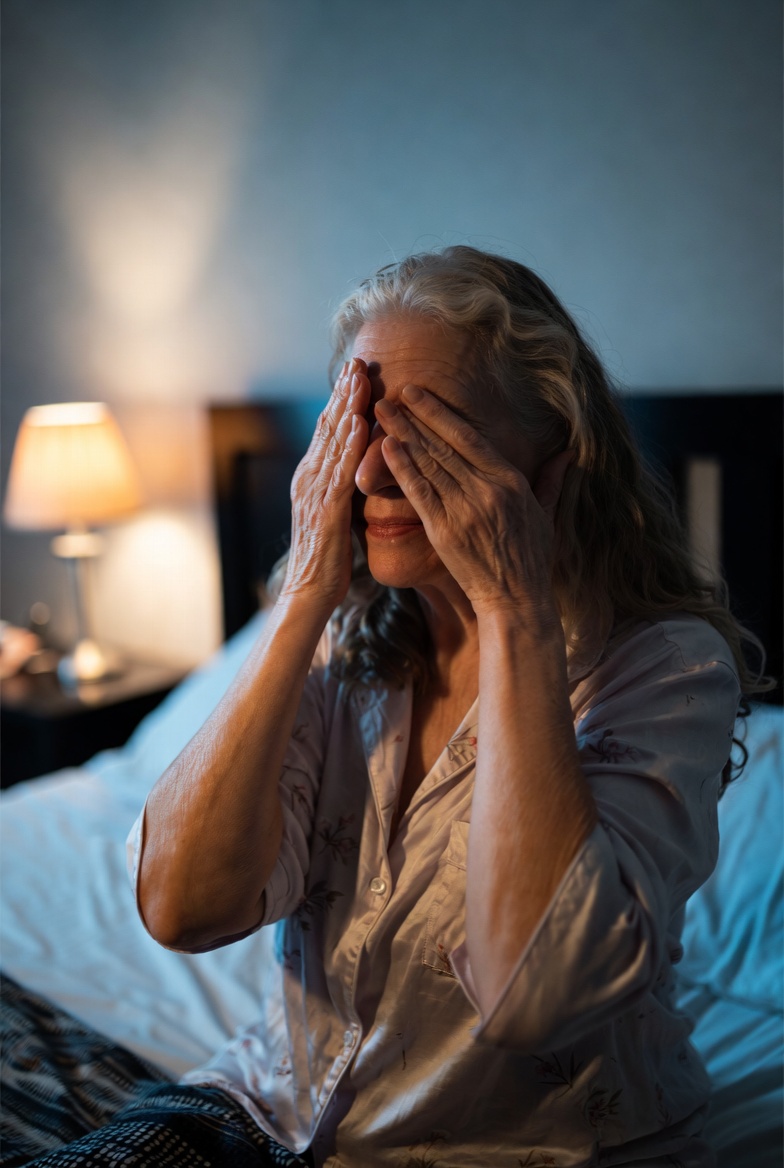
Many people notice changes in their vision as they get older — especially at night.
Streetlights may seem harsher than before. Reading in dim lighting becomes more difficult. Some older adults even say they avoid driving after dark because headlights and glare feel overwhelming.
While these changes are common with age, many seniors are now paying closer attention to simple evening routines that may help support eye comfort and overall visual wellness naturally.
Rather than searching for a “miracle cure,” they are focusing on healthy nighttime habits that help the eyes rest and recover after a long day.
Why Vision Often Changes at Night as We Age
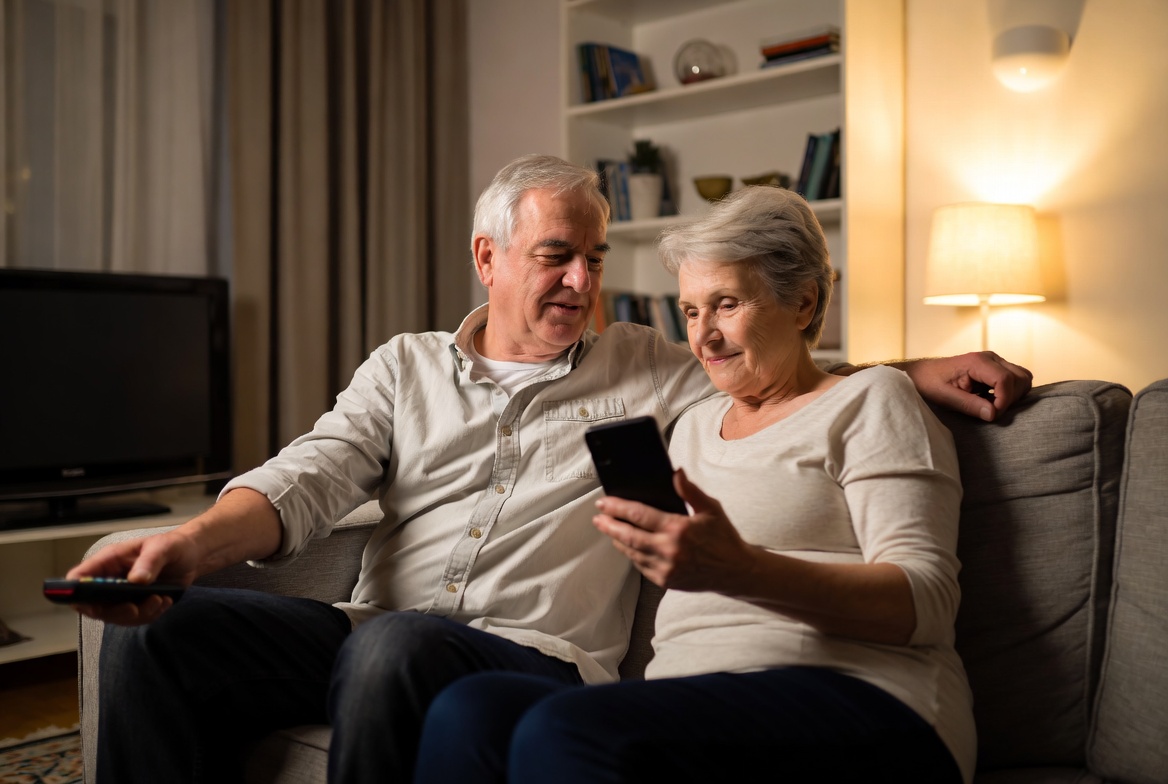
As the body ages, the eyes naturally go through changes that can affect how well we see in low light.
Common age-related changes include:
- Reduced sensitivity to light
- Slower adjustment between bright and dark environments
- Smaller pupils that let in less light
- Increased dryness and eye fatigue
- Greater risk of cataracts and other vision conditions
These changes usually happen gradually, but they can make nighttime activities feel more tiring or uncomfortable over time.
The Evening Habit Many Seniors Are Trying
One wellness trend gaining attention among older adults is creating a calm, eye-friendly nighttime routine before bed.
The goal is simple:
reduce strain, improve rest, and support the body’s natural overnight recovery process.
Here are some of the habits many people are incorporating into their evenings:
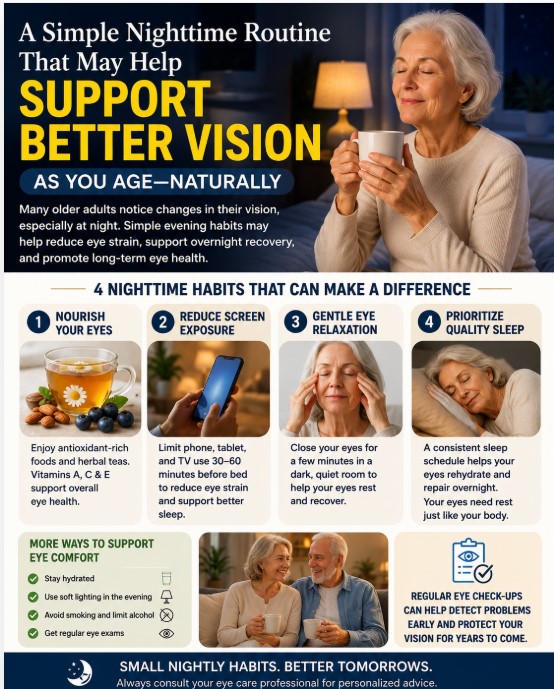
1. Enjoying a Light, Antioxidant-Rich Evening Snack
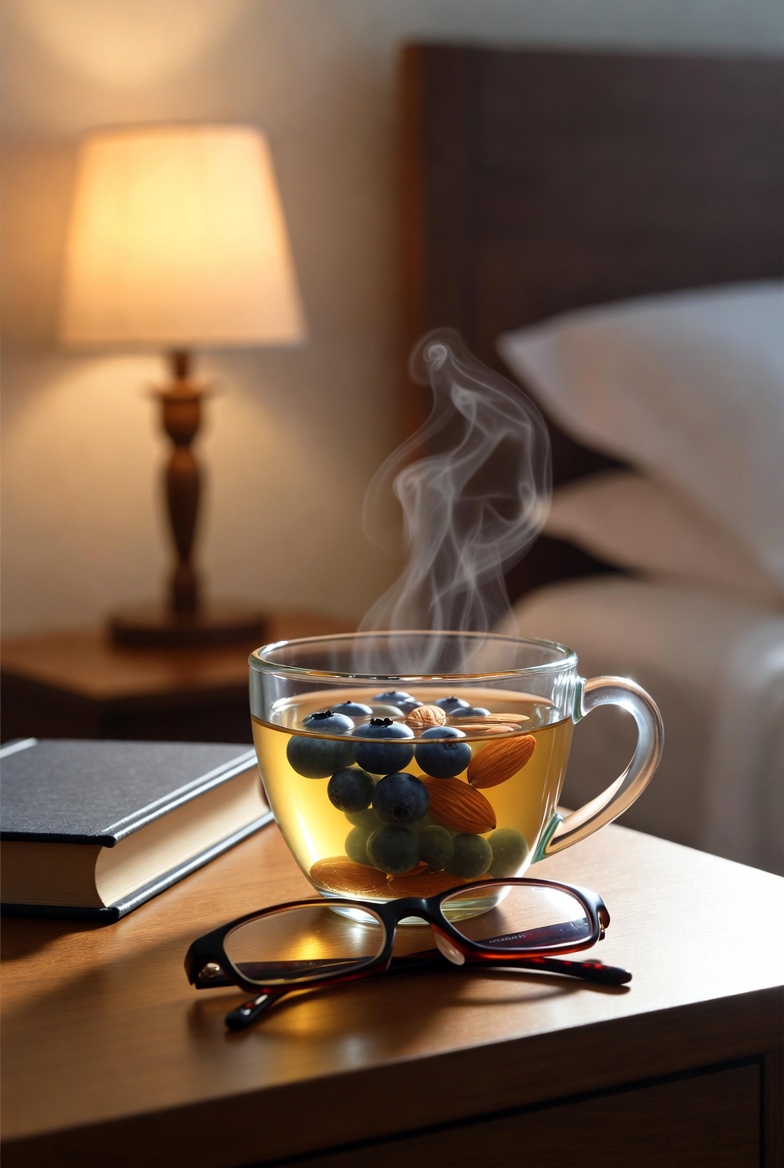
Some older adults choose herbal teas, fruit, nuts, or light snacks rich in nutrients connected to eye health, including vitamins A, C, and E.
Foods commonly associated with eye wellness include:
- Blueberries
- Carrots
- Leafy greens
- Sweet potatoes
- Almonds
These foods may help support overall eye function as part of a balanced diet.
2. Reducing Screen Time Before Bed
Phones, tablets, and televisions can place extra strain on tired eyes late at night.
Many eye specialists recommend limiting screen exposure 30 to 60 minutes before sleep whenever possible.
This may help:
- reduce visual fatigue,
- support relaxation,
- and improve sleep quality.
3. Resting the Eyes in a Dark, Quiet Room
Some seniors practice a simple relaxation routine before sleep by sitting quietly with their eyes closed for several minutes.
This may help reduce tension caused by:
- bright lights,
- constant focusing,
- and long hours of screen use during the day.
Even a short period of quiet rest can feel soothing for tired eyes.
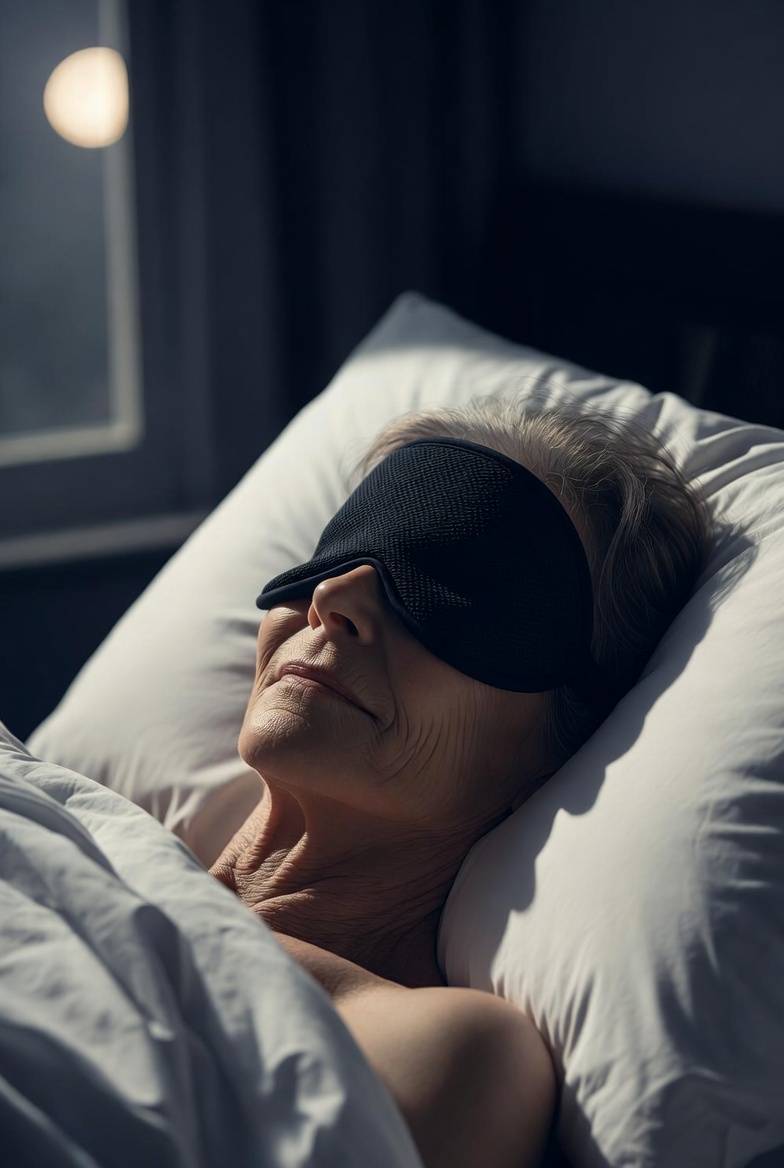
4. Prioritizing Better Sleep
Sleep is one of the most important recovery periods for the eyes.
During sleep:
- the eyes rehydrate,
- the surface of the eye repairs itself,
- and irritation caused by dryness or strain may improve.
Consistent sleep schedules are often linked to better overall eye comfort and daily energy levels.
Other Healthy Evening Habits That May Help
Many older adults also support their eye health by:
- staying hydrated throughout the day,
- using softer lighting in the evening,
- avoiding smoking,
- limiting alcohol before bed,
- and scheduling regular eye exams.
Routine eye checkups remain one of the best ways to monitor age-related changes early.
Why Small Nightly Habits Matter
There is no single habit that can completely prevent age-related vision changes.
However, many experts agree that small, consistent lifestyle choices may help support:
- better eye comfort,
- less strain,
- and healthier aging overall.
In many cases, simple routines practiced every evening can make daily life feel more comfortable over time.
Final Thoughts
The nighttime routine many older adults are embracing is not about quick fixes or miracle solutions.
Instead, it focuses on gentle, healthy habits:
better sleep, less screen strain, proper hydration, and nutrient-rich foods that support overall wellness.
While aging eyes naturally change over time, consistent self-care may help many people feel more comfortable, rested, and confident in their daily vision.
Disclaimer
This article is for informational purposes only and does not replace professional medical advice. Always speak with a qualified healthcare provider or eye specialist regarding concerns about your vision or eye health.