The Short Answer (For Those in a Hurry)
May through mid-June. That’s it. That’s the sweet spot.
But you probably want to know why, and whether your specific travel dates might actually work just fine. So let’s break this down properly.
Porto isn’t like Lisbon or the Algarve where summer is the obvious choice. This northern Portuguese city has its own rhythm, its own weather patterns, and frankly, its own personality depending on when you show up. I’ve wandered the Ribeira district in every season, and trust me — the experience varies dramatically.
Porto’s Weather by Season: What You’re Really Getting Into

Spring (March to May)
March is a gamble. You might get crisp sunny days perfect for climbing the Clérigos Tower, or you might spend three days dodging rain under café awnings. Not terrible, honestly — Porto’s covered markets and cozy wine bars make rainy days manageable.
April improves significantly. Temperatures hover around 15-18°C, the rain becomes less persistent, and the city starts waking up. Gardens bloom, restaurant terraces reopen, and locals actually seem happier.
May is genuinely lovely. We’re talking 18-22°C, minimal rainfall, and that golden Atlantic light photographers obsess over. The Douro River sparkles. People linger on benches. It’s the Porto you see in travel magazines.
Summer (June to August)
Here’s where it gets complicated.
Early June maintains that spring magic — warm but not oppressive, crowds present but not suffocating. Late June through August? Different story entirely.
July and August bring temperatures pushing 28-32°C. Now, that doesn’t sound extreme compared to, say, Seville or Athens. But Porto wasn’t built for heat. Air conditioning remains surprisingly rare in older buildings and budget accommodations. The historic center becomes a sweaty maze of tour groups following umbrella-wielding guides.
The beaches near Porto (Foz do Douro, Matosinhos) get absolutely packed with locals escaping the heat. Which is fun if you want that buzzy summer energy, exhausting if you dont.
Autumn (September to November)
September might be Porto’s best-kept secret. Summer crowds thin out dramatically after the first week, but temperatures stay comfortable — around 20-24°C. The light turns golden, wine harvest celebrations begin in the Douro Valley, and you can actually get a table at riverside restaurants without reservations.
October remains pleasant but unpredictable. Some years you get an extended Indian summer; others bring Atlantic storms rolling in early. Pack layers and a rain jacket.
November marks the shift toward winter. Grey skies become the norm, temperatures drop to 12-15°C, and rainfall increases substantially. Not ideal for first-time visitors, but the city takes on a moody, atmospheric quality that some travelers genuinely prefer.
Winter (December to February)
Porto’s winters are mild by European standards — rarely below 5°C — but damp and grey. The persistent drizzle seeps into everything. Your clothes, your mood, your plans.
That said, December has its charms. Christmas markets pop up around the city, port wine lodges feel extra cozy, and you’ll have major attractions practically to yourself. If you’re someone who appreciates planning trips to Europe during shoulder seasons, Porto’s winter deserves consideration.
January and February are the quietest, cheapest, and wettest months. Perfect for budget travelers who prioritize cheap flights and empty museums over sunny selfies.
Crowd Levels: The Real Calendar
Weather’s only half the equation. Here’s how tourist density actually plays out:
Low Season (November-February): Near-empty. You might feel like you have the city to yourself. Downside: some restaurants close for vacation, shorter daylight hours limit sightseeing.
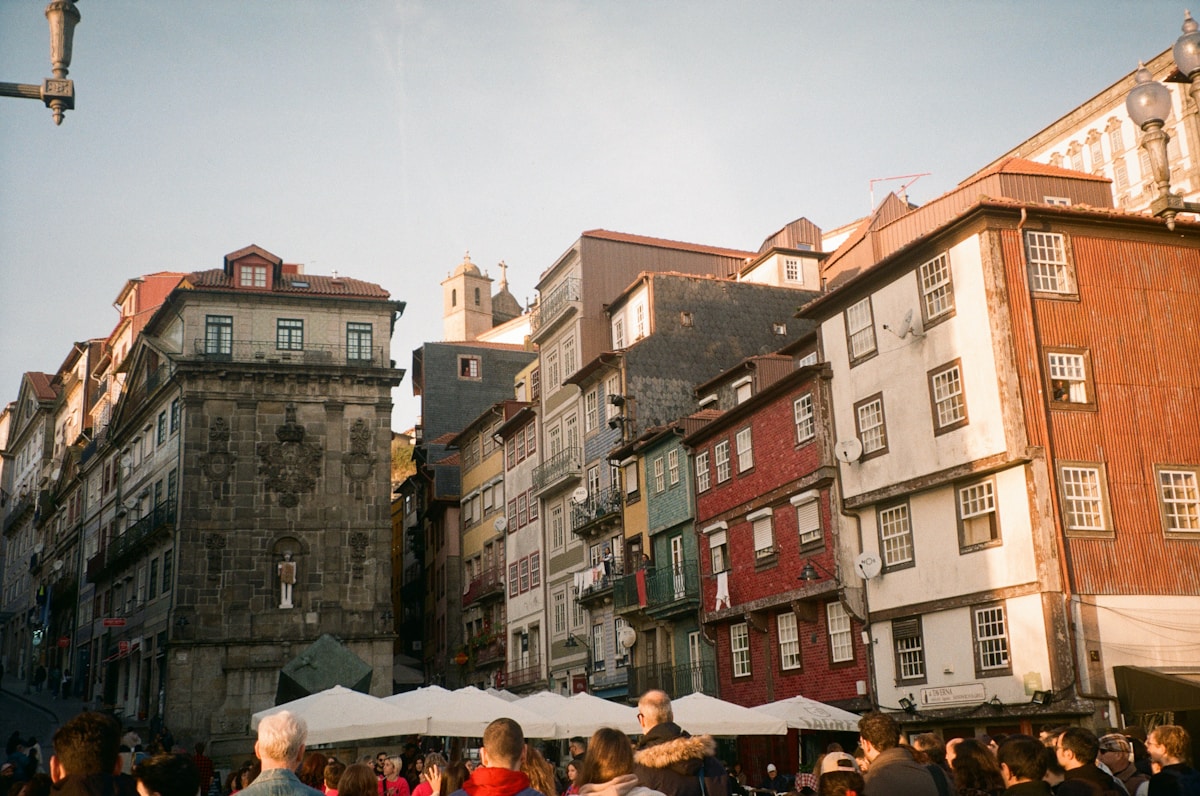
Shoulder Season (March-April, October): Manageable crowds. Livraria Lello still has lines, but they move. You can photograph the Ribeira district without strangers’ heads in every shot.
Peak Season (May-September): Busy to extremely busy. May and September sit at the lower end; July-August reaches maximum capacity. The iconic São Bento train station becomes a tourist attraction itself, packed with people photographing the tilework instead of catching trains.
Special Events Worth Planning Around

Porto hosts several events that can either enhance your trip or complicate logistics:
São João Festival (June 23-24): Porto’s biggest party. Locals hit each other with plastic hammers (seriously), fireworks explode over the Douro, and the entire city stays up until dawn. Incredible experience, but book accommodation months ahead.
NOS Primavera Sound (Early June): Major music festival bringing international crowds. Great if you’re attending; potentially annoying if you’re not and wondering why everything’s fully booked.
Port Wine Day (September): Smaller but charming celebration in the port wine cellars. A good excuse to visit Gaia.
These events dramatically affect availability and prices. The São João week especially transforms the city — for better and worse.
Practical Recommendations Based on Your Travel Style
First-time visitors wanting the classic experience: Go in May or early June. You’ll get good weather, reasonable crowds, and the city at its most photogenic.
Budget travelers: Target November through February, excluding Christmas week. Flights drop dramatically, hotels offer steep discounts, and you’ll save on dining since summer terraces (which charge premium prices) close down.
Foodies focused on local culture: September and October put you in prime position for wine harvest events in the Douro Valley nearby, plus autumn brings heartier Portuguese cuisine — perfect weather for francesinha and caldo verde.
Beach lovers adding coastal time: July and August guarantee warm enough water for swimming at Matosinhos or further north in Viana do Castelo. Just accept the crowds.
Photography enthusiasts: Early May or late September deliver the best light. Low-angle sun, fewer tourists in your frames, and that soft Atlantic atmosphere.
What About Combining Porto With Other Portugal Destinations?
If you’re planning a broader Portugal itinerary, timing gets trickier.
Porto’s ideal window (May-June) coincides with pleasant weather nationwide. But if you’re heading south to the Algarve afterward, you might prefer visiting Porto first in spring, then moving south as summer heats up the beaches.
Conversely, starting in Lisbon during early fall, then working your way north as crowds thin, creates a natural flow. The Douro Valley wine region is spectacular in September during harvest season — consider adding a few days there between cities.
Final Thoughts: Just Pick Your Priorities
There’s no universally “best” time because it depends entirely on what matters to you.
Want perfect weather and vibrant energy? Accept the summer crowds.
Prefer empty streets and authentic local atmosphere? Embrace the winter drizzle.
Seeking that Goldilocks middle ground? May, early June, and September are your targets.
Porto rewards visitors in every season, just differently. The blue-tiled churches don’t care what month it is. The port wine tastes excellent regardless of temperature. And that view from Dom Luís I Bridge? Stunning in sunshine, equally dramatic under moody grey skies.
Book the trip. Porto’s waiting.