Forget What You’ve Seen on Instagram
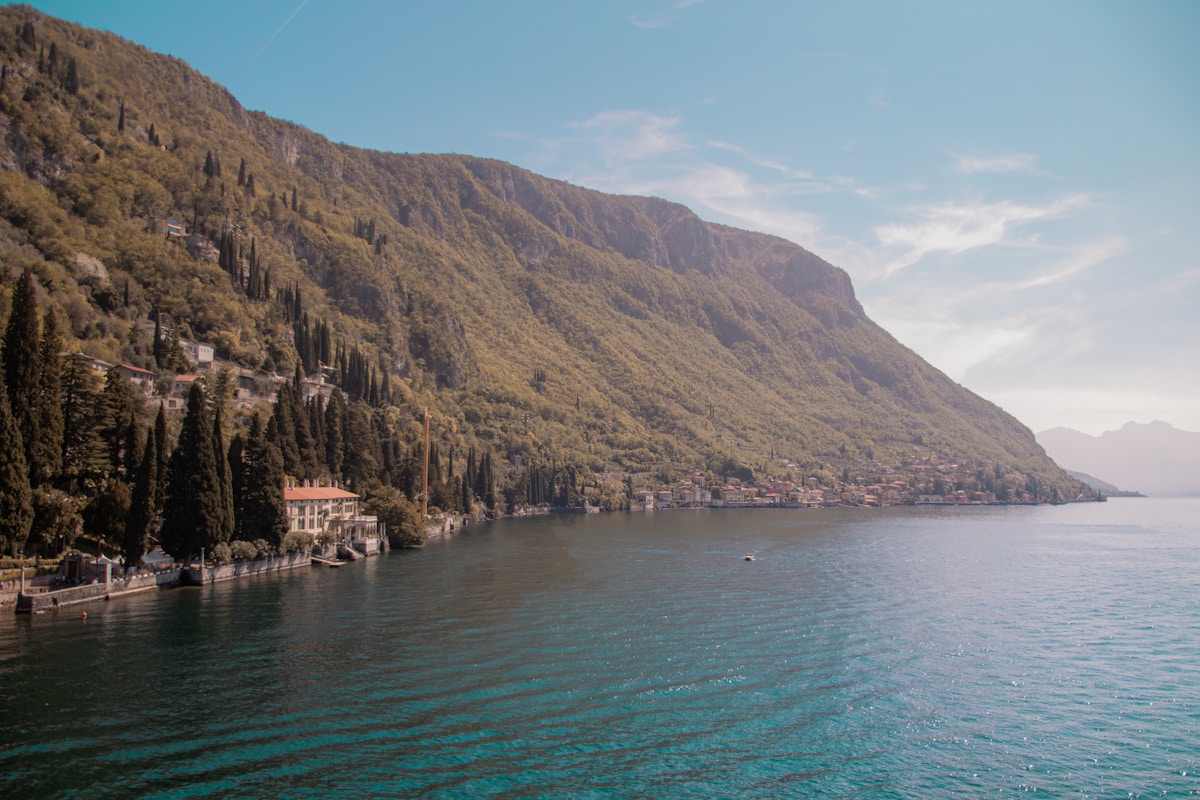
Those dreamy photos of Lake Como with George Clooney’s villa in the background? They don’t show the 47 people jostling for the same shot. The Italian Lakes are stunning — genuinely breathtaking — but they’ve become victims of their own beauty. Every summer, millions descend on the same three towns, stay in the same overpriced hotels, and wonder why it feels so… crowded.
Here’s the thing: you can still experience that magic. You just need to be smarter about it.
I’ve spent weeks exploring these lakes across different seasons, and I’m going to share exactly how to do it without fighting crowds or blowing your savings. No vague “travel in shoulder season” advice. Actual, specific strategies.
When to Go: Timing Is Everything

The difference between a €200 hotel room and a €65 one? About six weeks.
The sweet spots are:
- Late September through mid-October
- April through mid-May (excluding Easter week)
- Early November before things shut down
Skip June through August entirely unless you enjoy sweating in ferry queues. And dont even think about the first two weeks of August — that’s when all of Italy goes on vacation, and prices double overnight.
Weekdays matter too. A Tuesday in late September? You’ll practically have Varenna to yourself. The same town on a Saturday? Good luck finding a bench to sit on.
Lake Como: Skip Bellagio, Find the Real Thing
Everyone goes to Bellagio. It’s the “Pearl of Lake Como,” they say. It’s also packed wall-to-wall with day-trippers from Milan who arrive by 10 AM and leave by 6 PM.
Instead, head to these towns:
Nesso sits about 20 minutes south of Bellagio by car. There’s a gorge with a waterfall cutting through the village — the Orrido di Nesso — and most days you’ll share it with maybe a dozen people. Lunch at a local trattoria runs about €12-15 for a full meal.
Lezzeno is even quieter. One main road, a handful of restaurants, zero souvenir shops. The kind of place where the nonna next door waves at you because she’s curious about the stranger.
Argegno has a cable car up to Pigra that costs €5 round trip. The views rival anything from Bellagio’s famous gardens, but you won’t need to pay €12 admission or navigate tour groups.
If you must see Bellagio — and honestly, its fine to see it — go before 9 AM or after 5 PM. The day-trippers operate on a predictable schedule.
Lake Garda: The Northern Secret

Southern Lake Garda (Sirmione, Desenzano, Peschiera) gets absolutely hammered with tourists. Northern Lake Garda? Completely different story.
Torbole attracts windsurfers and serious outdoor types. The vibe is more athletic than touristy. Hostels here run €25-35 per night, and you can rent a bike for €15/day to explore the lakeside paths.
Malcesine has a castle and a cable car to Monte Baldo. Yes, tourists know about it. But stay overnight after the day-trippers leave, and the town transforms. Evening aperitivo by the harbor, watching the sun set behind the mountains — that’s the Lake Garda experience you came for.
Limone sul Garda is touristy during the day but dead quiet at night. If you’re planning visits to hidden beaches that most tourists never find, the northern shores have several tucked-away swimming spots accessible only by foot.
Lake Maggiore: The Underrated One
While everyone obsesses over Como, Lake Maggiore sits there being equally gorgeous with half the crowds.
Cannero Riviera has a microclimate that keeps it warmer than surrounding towns. Citrus trees line the streets. Hotels that would cost €180 in Stresa go for €80 here. And there’s a ruined castle on an island you can kayak to.
Cannobio sits right on the Swiss border. Wednesday market days get busy, but otherwise it’s wonderfully mellow. The old town has actual residents living actual lives — not just hotel staff and restaurant workers.
The Borromean Islands are worth visiting, but time it right. The first ferry dumps tourists at 9:30 AM. Take the 7:30 AM ferry instead, and you’ll have Isola Bella’s gardens nearly to yourself for two golden hours.
Budget Accommodation That Doesn’t Feel Budget
Forget lakefront five-star hotels. Here’s how real budget travelers do it:
Agriturismos are working farms with guest rooms. They’re usually 15-20 minutes from the lakes by car, cost €50-70 per night including breakfast, and serve food from their own gardens. Book directly — Booking.com takes a 15% cut that the hosts often pass to you as higher rates.
Rifugios (mountain huts) work if you’re hiking. Basic rooms, communal dinners, €30-45 per night. Not lakefront glamour, but you’ll wake up above the clouds.
Airbnb apartments in smaller towns beat hotels on value. A one-bedroom in Menaggio runs €60-80/night and includes a kitchen — saving you from €15 tourist-trap lunches.
Getting Around Without Getting Gouged
Rental cars make sense if you’re exploring multiple lakes. But parking at popular towns costs €2-4/hour. And the roads? Narrow, winding, with Italian drivers who treat speed limits as suggestions.
Ferries connect major towns and offer the best views. Buy a day pass (€15-20) rather than individual tickets. The slow boats cost the same as hydrofoils but are half as crowded and twice as scenic.
Trains work for reaching the lakes from Milan. The Milano-Varenna route runs €7-12 each way and takes about an hour.
Buses serve smaller towns that ferries skip. They’re cheap (€2-4) but schedules can be… optimistic. Build in buffer time.
The Food Strategy
Here’s a truth nobody tells you: lakeside restaurants with the best views serve the worst food at the highest prices. That waterfront table in Bellagio? You’re paying €22 for mediocre pasta while locals eat €9 pasta at the place two streets back.
Follow these rules:
Look for places with Italian-only menus. If there’s a laminated menu in four languages with photos, walk away.
Eat lunch instead of dinner. The “pranzo” (lunch) fixed menu at trattorias runs €10-15 for two courses. Dinner at the same place? Double it.
Buy picnic supplies at CONAD or COOP supermarkets. Local cheese, fresh bread, cured meats — €8 feeds two people beautifully. Eat on a quiet beach or park bench with better views than any restaurant.
What Most Guides Won’t Tell You
The Italian Lakes aren’t actually that big. Lake Como is only 50 kilometers long. You could theoretically drive around it in two hours (though the road conditions make it feel longer).
This matters because you don’t need a week here. Three to four nights let you explore thoroughly without rushing. Spreading too thin means more transit and less actual enjoyment.
Also: the lakes look different throughout the day. Morning mist, afternoon glare, sunset gold, evening stillness. Budget travelers often pack too many activities and miss the simple pleasure of watching light change on water. And speaking of timing your visits, the same logic about when to visit and avoid crowds applies to popular European destinations generally — the patterns are surprisingly consistent.
A Sample 4-Day Itinerary
Day 1: Arrive in Varenna (Lake Como) via train from Milan. Walk the Sentiero del Viandante trail segment toward Bellano. Evening aperitivo at a harbor bar.
Day 2: Morning ferry to Menaggio. Explore town, then bus up to Rifugio Menaggio for lunch with views. Return via ferry, stopping at Argegno for the Pigra cable car.
Day 3: Travel to Cannobio (Lake Maggiore). Rent bikes, ride the lakefront path. Kayak rental in afternoon if weather permits.
Day 4: Early ferry to Isola Bella before crowds. Return by noon, catch train south from Stresa.
Total accommodation cost: roughly €200-280. Food: €100-150. Transport: €60-80. You’re looking at under €500 for four days of Italian lake country.
The Bottom Line
The Italian Lakes aren’t a secret anymore. But the crowds cluster predictably in the same places at the same times. Step slightly outside that pattern — a different town, a different hour, a different month — and you’ll find the Italy that inspired all those paintings and poems.
It takes a bit more planning than just showing up in Bellagio mid-July. But the payoff? Actually experiencing these places instead of just adding to the congestion.
Bring comfortable shoes. Leave the guidebook crowds behind. And for the love of everything, don’t eat at the restaurant with the English menu.