One evening in 1957, Kim Novak drove her Corvette to a party at the Hollywood home of Tony Curtis and Janet Leigh.
She was already one of the most recognizable young actresses in America.
She was also exhausted.
Novak had come almost directly from working on Alfred Hitchcock’s Vertigo. She later remembered still wearing the red wig associated with one of her characters in the film, uncomfortable after a long day under the studio lights.
Then Sammy Davis Jr. walked into the party.
What happened between them that evening would follow Novak for decades.
Not because Tony Curtis became her secret Hollywood romance.
He didn’t.
His role in the story was different — and far more interesting.
Curtis helped bring Novak and Davis together at a moment when American society, and Hollywood itself, was deeply uncomfortable with the idea of a white movie star becoming close to a Black entertainer.
Soon there would be gossip.
Studio pressure.
Fear over careers.
And conflicting versions of what their relationship really meant.
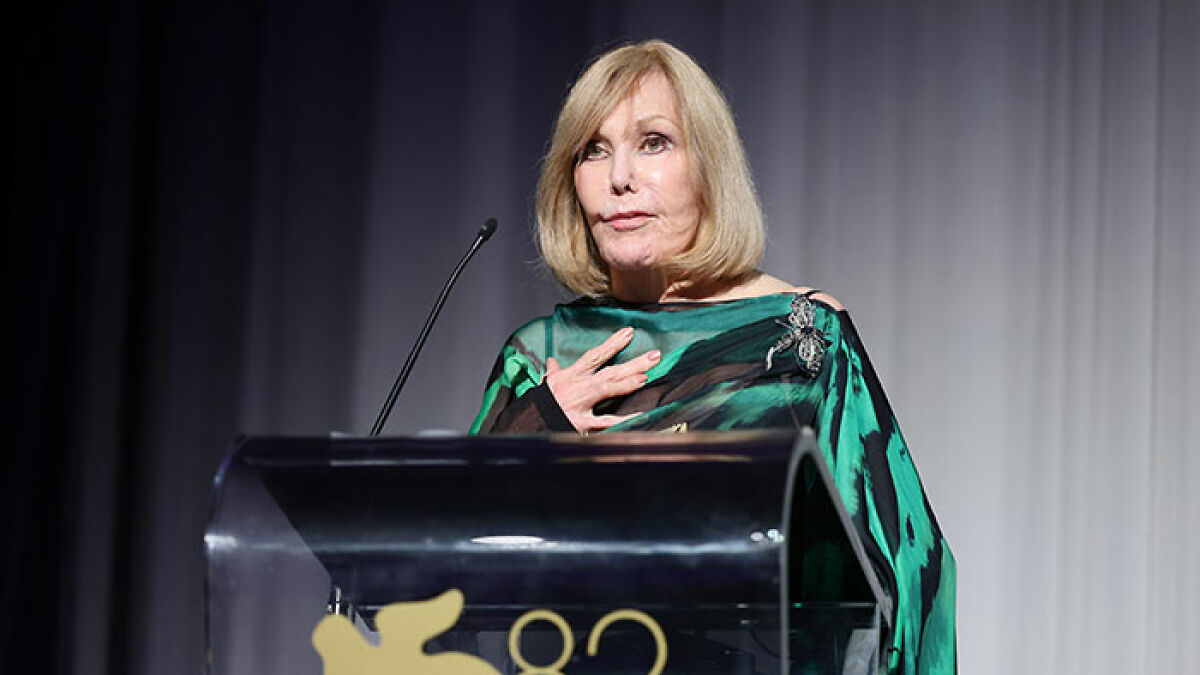
Now 93, Novak is still pushing back against the way Hollywood has tried to define that chapter of her life. In 2026, she objected to an upcoming film project portraying her relationship with Davis as something primarily sexual or “scandalous,” saying their connection was more meaningful and complicated than that.
For Novak, that distinction matters.
Because much of her life was spent fighting against other people deciding who she was supposed to be.
And that fight began long before the night she arrived at Tony Curtis’s house.
Hollywood Wanted to Create Kim Novak
She was born Marilyn Pauline Novak in Chicago in 1933.
Before Hollywood, there was art.
Novak loved painting and drawing, interests she would eventually return to after stepping away from the movie business. But in her early twenties, modeling helped lead her toward California and eventually Columbia Pictures.
Hollywood saw something immediately.
A face the camera loved.
A striking blonde who could be positioned as a new kind of glamorous star.
But there was a problem.
Novak did not want to become entirely manufactured.
Columbia studio chief Harry Cohn operated during an era when major studios could exert extraordinary influence over actors under contract — from their roles and publicity to their physical image.
The studio wanted to change Novak’s name completely.
She resisted.
“Marilyn” disappeared, but “Novak” remained.
The compromise gave Hollywood Kim Novak.
It did not give Hollywood complete control of her.
That tension followed her throughout the 1950s.
Publicists styled her.
Designers dressed her.
The studio promoted her beauty relentlessly.
Yet Novak increasingly wanted something much simpler:
to be taken seriously as a person and as an actress.
Decades later, she would still describe beauty as something that sometimes prevented people from listening to her.
That frustration gave unusual emotional weight to some of her roles.
In Picnic, she played a young woman admired so intensely for her looks that she wonders whether anyone sees the person beneath them.
Then came Vertigo.
Alfred Hitchcock’s 1958 film would eventually become the performance most closely associated with Novak, although its reputation grew enormously in the decades after its original release.
The movie itself is about identity, appearance and one person trying to remake another into an idealized image.
For Novak, those themes must have felt strangely familiar.
While she was working on that film, another part of her life was becoming complicated in ways no screenplay could easily contain.
The Night at Tony Curtis’s House
Novak told the story in detail years later during an interview for PBS’s American Masters.
That night she had attended an event before heading to a gathering at the home of Tony Curtis and Janet Leigh.
She hoped she might see director Richard Quine, for whom she had strong feelings.
Instead, another man became the center of the evening.
Sammy Davis Jr.
According to Novak, she was still wearing the uncomfortable red wig she had used while filming Vertigo. Davis noticed.
He helped her remove the pins.
He rubbed her tired head.
There was champagne.
Novak eventually fell asleep on the couch.
When she woke the next morning, she was back at her own apartment — and initially had little memory of how she had gotten there.
Then the telephone rang.
It was Davis.
According to Novak’s recollection, she had apparently promised to come to Thanksgiving dinner.
So she went.
And something unexpected happened.
She met his family.
She felt comfortable with them.
She remembered climbing a tree in his backyard and discovering how much they seemed to have in common.
The glamorous Hollywood story suddenly became something far more ordinary:
two people getting to know one another.
Tony Curtis later remembered the beginning differently in some details but confirmed his important role.
Curtis said Davis had told him that he wanted to meet Novak. Curtis offered to invite both of them to a party at his house.
He remembered watching the pair spend much of the evening talking intensely with one another.
Whatever exact moment marked the beginning, Curtis was not Novak’s mystery lover.
He was the man who helped bring her and Sammy Davis Jr. into the same room.
And in Hollywood in 1957, that simple meeting was about to become anything but simple.
The Relationship America Wasn’t Ready to Understand
Sammy Davis Jr. was already an extraordinary entertainer.
He could sing.
Dance.
Act.
Do impressions.
Command a nightclub room almost instantly.
But enormous talent did not protect him from the racial realities of America in the 1950s.
Davis could perform in prestigious venues where, not many years earlier, racial restrictions had affected where Black entertainers could stay, socialize or even move through the same spaces as white guests.
Hollywood was changing.
America was changing.
But not quickly enough.
So when rumors began circulating that Kim Novak and Sammy Davis Jr. were seeing one another, the reaction was not simply ordinary celebrity gossip.
Race transformed the story.
The relationship attracted attention in gossip columns, and both performers faced pressures far beyond the ordinary complications of dating in public.
For decades, the story has often been simplified into a forbidden Hollywood romance.
Novak herself has described it more carefully.
In her 2015 PBS interview, she acknowledged that Davis had strong romantic feelings for her.
But when asked directly whether she had been in love with him, she drew a distinction.
“I loved him in my way,” she said.
She described her own feelings as affection, admiration and caring rather than the sweeping romance later retellings sometimes suggest.
That difference changes the story.
Instead of a simple tale of two movie stars secretly in love, it becomes something more complicated:
one man deeply drawn to a woman;
a woman genuinely caring for him while still trying to understand her own feelings;
and an industry surrounding them that turned a private relationship into a public problem.
Then Hollywood Began Closing In
As word spread, the pressure intensified.
Novak was one of Columbia Pictures’ most valuable stars.
Harry Cohn had invested heavily in her image and career.
And an interracial relationship involving a major white actress was considered commercially dangerous by powerful people in an era when racial segregation and anti-miscegenation laws still existed in parts of the United States.
Novak later recalled feeling that continuing to see Davis put both of them at risk professionally and personally.
She said she wanted to believe that simply refusing to treat race as a barrier might help move society forward.
Instead, she came to believe the situation was making Davis more vulnerable.
This period has accumulated increasingly dramatic stories over the decades.
One of the most famous claims is that Cohn used underworld connections to threaten Davis and force an end to the relationship.
Novak herself later said she believed Cohn had connections to organized crime and that serious threats were made against Davis.
A lengthy Vanity Fair investigation also reported accounts alleging that Davis faced threats connected to the situation.
But an important distinction should remain clear:
the most dramatic details come from recollections and historical accounts, not from a simple public document proving every version of events.
What is far less disputed is the atmosphere surrounding them.
An interracial relationship involving two major entertainers in 1957 could provoke consequences that younger audiences today may find difficult to imagine.
And eventually, Novak and Davis went in different directions.
What Hollywood Called a Scandal, Novak Remembered Differently
This is where Kim Novak’s story becomes particularly relevant today.
More than six decades later, Hollywood is once again interested in turning the relationship into entertainment.
A proposed film titled Scandalous! has been linked to the story of Novak and Davis.
In March 2026, the 93-year-old Novak publicly objected to aspects of the project and specifically worried that her relationship with Davis could be portrayed as more sexual than she remembers it.
She also rejected the idea that “scandalous” was the right way to understand what happened.
That reaction fits a pattern stretching across virtually her entire adult life.
First, the studio tried to define her.
Then publicity defined her.
Then Hitchcock audiences defined her through Vertigo.
Then gossip columns defined her relationship with Sammy Davis Jr.
Now another generation is preparing to dramatize it.
And Novak is still saying, in effect:
That is not quite who I was.
For an actress whose most famous movie revolves around a woman being transformed into someone else’s fantasy, the irony is difficult to miss.
Tony Curtis Was Part of the Story — Just Not in the Way People Might Expect
That brings the story back to Tony Curtis.
His name carries its own powerful Hollywood memories.
Some Like It Hot.
The Defiant Ones.
The handsome leading man who seemed built for the movie-star machinery of the 1950s.
But in this chapter of Kim Novak’s life, Curtis was not the hidden romantic twist.
He was the connector.
He created the setting where two people could actually talk away from a stage, a studio set or a publicity event.
And after that evening, circumstances moved quickly.
The party.
Thanksgiving.
Private meetings.
Gossip.
Studio concern.
A relationship that was difficult to define even for the people living through it.
And ultimately separation.
That version may sound less explosive than claiming Kim Novak secretly revealed an affair with Tony Curtis.
But it has something far more valuable.
It is true to the evidence we actually have.
And the real story did not end in 1957.
Years Later, Something Remarkable Had Changed
Novak and Davis went on with their lives.
Davis became one of the most famous entertainers in America.
He married again.
Novak continued acting before gradually pulling away from Hollywood and building a quieter life centered increasingly around art, nature and animals.
Their paths separated.
Then, years later, they met again.
Novak remembered being at an Academy-related event with Davis and his wife, Altovise.
The world around them was no longer the America of 1957.
Davis asked Novak to dance.
This time there were no secret cars.
No studio executives hovering over the situation.
No panic over photographers seeing a Black man and a white woman together.
According to Novak, Davis noticed the change.
Nobody seemed to care.
It was an ordinary dance.
That was exactly what made it extraordinary.
Something that once threatened careers had become something that barely attracted attention.
For two people who had lived through the earlier era, the moment carried a meaning younger generations could easily overlook.
The world had not become perfect.
But it had changed.
One Final Goodbye
There was another meeting.
This one was much quieter.
As Sammy Davis Jr. became gravely ill, Novak learned that he was in the hospital.
She went to see him.
By then, there was no reason to hide anything.
No studio had the power to tell them whether they could be in the same room.
No gossip columnist could change the direction of their careers.
They were simply two people looking back across decades of shared history.
Novak later said she was grateful they had the opportunity to say goodbye.
Their lives had moved apart.
The meaning of their relationship had changed.
But the affection had survived.
Davis died in 1990.
For Novak, the story did not end with scandal.
It ended with reconciliation.
Kim Novak Chose the Life Hollywood Never Expected
By the time many Golden Age stars were spending their later years looking for ways to remain visible, Novak had largely chosen the opposite.
She stepped away.
She lived far from the center of Hollywood.
She painted.
She spent time with animals.
And she protected a private life that the studio system had once tried so hard to control.
That decision can look surprising only if fame is assumed to be the prize she wanted most.
Her life suggests otherwise.
Kim Novak wanted to act.
She wanted to create.
She wanted to be respected.
But she never seemed comfortable allowing celebrity to become her entire identity.
That may be the deeper connection between so many chapters of her story.
Why she resisted being renamed.
Why she resisted the image Columbia tried to manufacture.
Why she struggled with the assumptions made about her because of her beauty.
Why she remembers Sammy Davis Jr. differently from the way gossip writers told the story.
And why, at 93, she still cares about how that story is presented.
The Truth Was More Human Than the Scandal
There is an easy version of this story.
Kim Novak.
Tony Curtis.
Sammy Davis Jr.
A forbidden affair.
A powerful studio boss.
Old Hollywood secrets.
Those ingredients almost write the headline themselves.
But the real story is more interesting because the people inside it were more complicated than the headline.
Tony Curtis was not the secret lover.
He helped arrange the meeting.
Sammy Davis Jr. did have powerful feelings for Novak.
Novak cared deeply about him but later said she was not in love with him in the same way.
Hollywood did react strongly to their relationship.
And Novak has said that the pressures surrounding it made an already complicated connection even more difficult.
Decades later, they were finally able to stand together without hiding.
They danced.
And before Davis died, they had the chance to say goodbye.
Perhaps that is why Novak is still careful about the words used to describe what happened.
“Scandal” makes the story sound exciting.
“Forbidden romance” makes it sound simple.
Neither quite captures what she remembers.
The more lasting story is about two people who met at the wrong moment in American history — and a woman who spent much of her life asking Hollywood to stop turning her into somebody else’s version of Kim Novak.
At 93, she is still doing exactly that.