For millions of Americans, Lucille Ball will always be frozen in black and white.
Chocolate racing past her on a conveyor belt.
Grapes under her feet.
A ridiculous disguise.
That unmistakable look on Lucy Ricardo’s face just before everything went terribly wrong.
But the woman responsible for those moments was very different from the scatterbrained character America loved.
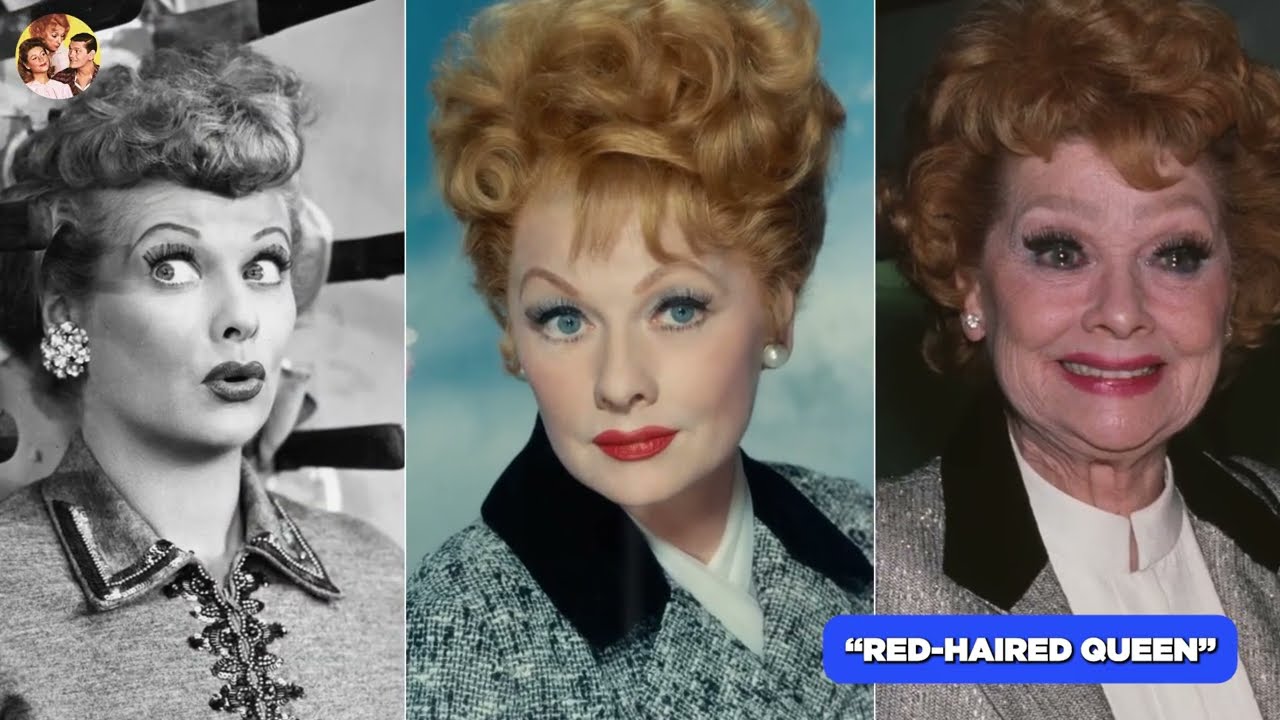
Lucille Ball was disciplined.
Demanding.
Competitive.
Protective of her shows.
And by the 1960s, she had become something extraordinarily rare in Hollywood: a woman with enough power to tell famous stars how she expected them to work.
Some admired that side of her.
Some clashed with it.
A few became lifelong friends.
And at least one legendary actress reportedly came so close to being replaced during rehearsals that the episode nearly fell apart before the cameras ever rolled.
That actress was Joan Crawford.
But Crawford was only one of several famous women whose encounters with Lucille Ball revealed a side of Lucy that television audiences rarely saw.
There is no credible evidence that Ball secretly recorded a deathbed list naming Hollywood’s “seven most evil actresses.”
The documented stories are far more interesting.
Because they show that behind one of television’s warmest smiles was a woman who could be intimidating, fiercely loyal, unexpectedly vulnerable—and almost impossible to fool.
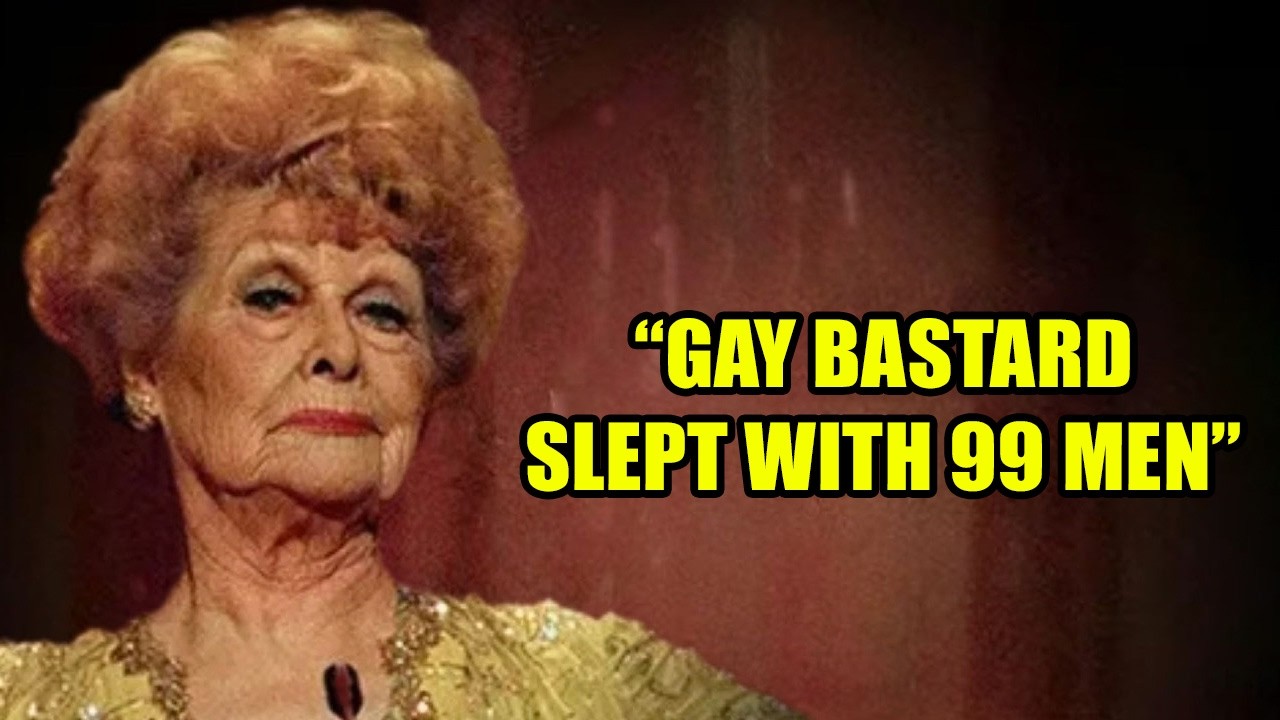
1. Joan Crawford: The Rehearsal Week That Nearly Went Off the Rails
By 1968, Joan Crawford had already lived several Hollywood lifetimes.
She had survived the silent era, become one of MGM’s defining stars, won an Academy Award for Mildred Pierce and reinvented herself again with What Ever Happened to Baby Jane?
Lucille Ball had taken a different road.
Her movie career had never reached Crawford’s level, but television had transformed her into something even more powerful: not simply a star, but a producer and studio executive who understood every detail of making comedy.
When Crawford agreed to appear as herself on The Lucy Show, the pairing should have been irresistible.
Instead, rehearsals reportedly became deeply uncomfortable.
Later accounts of the production say Crawford struggled with rehearsals and that drinking became a concern. Ball, who expected performers to arrive prepared and hit carefully rehearsed comedy beats, became worried enough that the possibility of replacing Crawford with Gloria Swanson was discussed.
For Crawford, that must have been humiliating.
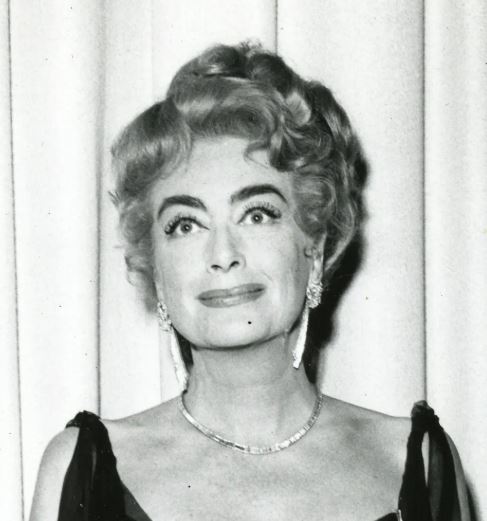
This was Joan Crawford.
A woman who had spent decades building an image of absolute professionalism.
Now she was standing on Lucille Ball’s television set wondering whether another Hollywood legend might take her place.
Then something changed.
When it came time to perform before the studio audience, Crawford delivered.
She handled the material, danced the Charleston and reportedly received enthusiastic audience reactions.
The episode, “Lucy and the Lost Star,” aired February 26, 1968.
Watching it today, most viewers would never suspect how nervous the production had apparently been.
That contrast is what makes the story so revealing.
Lucy Ricardo lived in chaos.
Lucille Ball hated it.
The silliness worked precisely because the woman creating it demanded structure.
And Crawford would hardly be the last famous woman to discover that appearing beside Lucy meant entering Lucy’s world.
2. Tallulah Bankhead: Two Powerful Women, Two Completely Different Ways of Working
If Joan Crawford challenged Ball’s patience, Tallulah Bankhead challenged almost everything about her working method.
Bankhead was theatrical in every sense.
Famous for her deep voice, sharp wit and unpredictable personality, she came from a stage tradition very different from the disciplined mechanics of television comedy.
In 1957, she guest-starred on The Lucy–Desi Comedy Hour in “The Celebrity Next Door.”
The episode itself is still wonderfully chaotic.
Behind the scenes, according to biographies and later production accounts, things could be chaotic for entirely different reasons.
Ball treated comedy almost mathematically.
A pause mattered.
A movement mattered.
A look toward the audience could change a laugh.
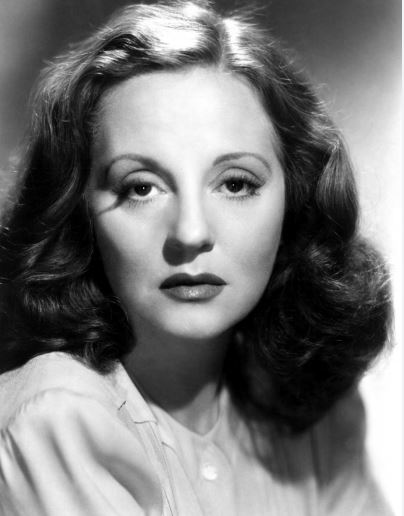
She rehearsed relentlessly.
Bankhead was not accustomed to having another star tell her exactly how to deliver a line.
One account describes a rehearsal in which Ball tried to correct Bankhead’s reading.
Bankhead pushed back.
She had been acting for decades and did not want Lucy telling her how to say her dialogue.
The two personalities were almost designed to collide.
Accounts of the week also describe Bankhead arriving late and having difficulty during rehearsals, circumstances guaranteed to irritate Ball.
Yet here is the part often removed from sensational retellings:
Bankhead later spoke warmly about working with Lucy and Desi.
In other words, the production could be difficult without becoming a lifelong blood feud.
That distinction matters.
Old Hollywood history is often rewritten as:
They fought → therefore they hated one another.
Real working relationships were rarely that simple.
Ball and Bankhead could clash fiercely because both were strong performers accustomed to controlling their own space—and still finish the job.
The finished episode remains one of the best-remembered installments of the Comedy Hour.
There was another fascinating detail.
Tallulah had not originally been the first choice.
That brings us to Bette Davis.
3. Bette Davis: The Girl From Drama School Who Became Everything Lucy’s Teachers Thought Lucy Wouldn’t
Long before either woman became famous, Lucille Ball and Bette Davis occupied the same dramatic school in New York.
It was 1926.
Ball was a teenager with ambition but little evidence that anyone else believed in her.
Davis was another young student.
Their paths would eventually become one of Hollywood’s great contrasts.
Bette Davis developed into one of the most acclaimed dramatic actresses of her generation.
Lucille Ball’s teachers, meanwhile, were reportedly unimpressed with her.
Ball later remembered drama school as an intimidating experience and recalled instructors who doubted she had much future as a performer.
It is difficult to imagine now.
Lucille Ball—
the woman whose face became one of the most recognizable in television history—
being told she did not possess what it took.
But failure and rejection were recurring themes in her early career.
For years she moved through modeling, chorus work and film roles before finally discovering the form that perfectly matched her gifts.
Comedy.
Decades after drama school, Davis nearly entered Lucy’s television universe too.
When Ball and Desi Arnaz were preparing “The Celebrity Next Door” in 1957, Bette Davis was reportedly considered for the guest role eventually played by Tallulah Bankhead.
Davis wanted a substantial fee and equal billing with Lucy and Desi. Production accounts say the arrangement was still under consideration before injuries prevented Davis from doing the show.
Think about that reversal.
The young woman whose teachers had doubted her was now negotiating with one of the greatest actresses in Hollywood history—from a position of extraordinary power.
Ball had not become Bette Davis.
She had done something more important.
She had discovered the thing only she could do.
That stubbornness also shaped one of the most important relationships of her life.
4. Vivian Vance: The Woman Lucy Couldn’t Imagine Doing Television Without
If the original article’s most misleading claim is the idea of a secret “evil women” recording, its treatment of Vivian Vance is especially unfair.
Vivian was not secretly one of Lucille Ball’s most hated women.
Their relationship had complications.
But the evidence overwhelmingly points toward something much deeper:
friendship.
When Vance was cast as Ethel Mertz on I Love Lucy, she did not naturally resemble the dowdy neighbor viewers would come to know.
She was attractive.
Only about two years older than Ball.
And she had serious stage experience.
Costume and appearance became part of creating Ethel as a believable middle-class counterpart to Lucy Ricardo.
Over the decades, that fact helped produce a persistent legend that Ball was terrified of Vivian looking better than she did.
The truth appears more nuanced.
Yes, appearance mattered in a business obsessed with female beauty.
Yes, Lucy could be competitive.
Yes, their working relationship could contain friction.
But Vance returned again and again.
When Ball launched The Lucy Show in 1962, she later recalled that she refused to seriously consider a continuing series without Vivian.
That is not how someone talks about a woman she secretly despises.
Ball also described Vance as someone who could recognize when Lucy was frustrated and help her understand what was really bothering her.
Vance was no mere sidekick.
She understood Lucy’s rhythm.
Their timing together became one of television’s great comic partnerships.
And their bond survived long after I Love Lucy ended.
The ending is particularly moving.
Vance developed cancer and died in 1979.
People close to the women have recalled how deeply Lucy was affected during their final period together.
A recent account from Vivian’s close friend Paige Peterson described their relationship as founded on genuine affection and mutual respect.
It makes the old “Lucy versus Ethel” narrative feel almost childish.
They were competitive women working in an industry that routinely placed women in competition with one another.
They could disagree.
They could annoy one another.
And they loved each other anyway.
That may be one of the most adult truths in Lucille Ball’s story.
But not every famous guest understood Lucy so well.
5. Elizabeth Taylor: The Week Another Superstar Saw How Much Control Lucy Really Had
In 1970, Elizabeth Taylor and Richard Burton were arguably the most famous celebrity couple in the world.
Their romance had filled newspapers for years.
Their fights were legendary.
Their jewelry was legendary.
Their fame seemed almost untouchable.
Then they entered Lucille Ball’s workplace.
Taylor and Burton appeared on Here’s Lucy in an episode built around one of Elizabeth’s most famous possessions: a spectacular diamond ring.
The plot had Lucy accidentally getting Taylor’s ring stuck on her finger.
On television, the episode looked like glamorous celebrity fun.
Behind the camera, at least one of the guests was considerably less amused.
Richard Burton recorded his irritation with Lucille Ball in his personal diaries.
The basic conflict was familiar.
Lucy had precise ideas about comedy.
She gave direction.
She cared about pauses, delivery and physical movement.
Burton was one of the world’s great stage actors and did not enjoy being coached through sitcom technique.
His private assessment of Lucy was brutal.
But that hostility also tells us something important about the woman running the set.
By 1970, Lucille Ball was not simply grateful that Elizabeth Taylor and Richard Burton had agreed to appear.
They were working on her show.
She expected even internationally famous guests to fit the machinery that made the comedy work.
The episode became one of the major celebrity installments of her later television career.
The public saw Lucy struggling with Elizabeth Taylor’s diamond.
Burton saw the boss.
That distinction explains why accounts of Lucille Ball vary so dramatically depending on who is telling the story.
To some she was intimidating.
To others, the toughness was only armor.
Ann Sothern knew that better than most.
6. Ann Sothern: The Friend Who Knew Why Lucy Seemed So Tough
Ann Sothern and Lucille Ball knew one another before television turned Lucy into an institution.
Their careers crossed repeatedly during Hollywood’s studio era.
Both eventually became major television stars.
And Sothern understood something about Lucille that casual acquaintances often missed.
She knew the difference between Lucy’s exterior and the woman underneath it.
Sothern once described their friendship in remarkably simple terms.
She loved Lucille and knew Lucille loved her.
She also acknowledged what many people around Ball noticed:
Lucy could seem tough.
But Sothern’s explanation was different.
That toughness, she suggested, was merely her way.
Underneath it, Lucille was soft.
The two women had enough history to joke about their changing positions in Hollywood.
Sothern once noted that Lucy used to complain about getting parts Sothern turned down.
Years later the balance had changed:
Sothern was producing a television show.
Lucy owned the studio.
That one observation captures an enormous transformation.
Lucille Ball had started as one more actress scrambling for work.
Now other television stars were working on a lot controlled by her company.
When Vivian Vance reduced her involvement with The Lucy Show, Sothern appeared repeatedly as the Countess Framboise.
Their friendship therefore crossed several versions of Hollywood:
young actresses,
movie players,
television competitors,
television collaborators,
older friends.
Sothern’s description also helps explain why some people experienced Lucy as frightening while others experienced extraordinary generosity.
The strongest example came from a younger comedian who initially expected nothing more than a brief backstage hello.
Lucille Ball instead changed the course of her life.
7. Carol Burnett: The “Kid” Lucy Never Forgot
In 1959, Carol Burnett was performing in Once Upon a Mattress in New York.
She was still a young performer trying to establish herself.
Then one night she looked into the audience.
Lucille Ball was sitting there.
Burnett later said the sight made her even more nervous.
After the performance, Lucy came backstage.
She stayed.
They talked for roughly half an hour.
Then, before leaving, Ball made Burnett an offer:
If she ever needed anything, call.
Lucy called her “Kid.”
It would become a nickname that lasted for decades.
A few years later, Burnett found herself facing an opportunity.
CBS was willing to give her a major television special, but there was a condition: she needed a sufficiently important guest star.
Someone suggested Lucille Ball.
Burnett hesitated.
She remembered Lucy’s offer, but asking one of television’s biggest stars for a favor was another matter.
Eventually she called.
She barely had time to explain.
Lucy agreed.
No elaborate negotiation.
No reminder of status.
She showed up.
The special helped Burnett move toward the television career that would make her a legend in her own right.
The two women became friends and appeared on each other’s programs repeatedly.
Burnett also studied something more important than Lucy’s comedy.
She watched how Ball behaved when she disagreed with writers and crew members.
Lucille could say things forcefully in a way women in authority were rarely encouraged to do at the time.
Burnett later recalled that Lucy understood the double standard perfectly.
A male boss could be commanding.
A woman doing the same thing could acquire an entirely different label.
Ball had learned to live with that.
And then came the final detail.
For years, Lucy sent Carol flowers on her birthday.
Every year.
On April 26, 1989, Carol Burnett woke up on her 56th birthday and learned that Lucille Ball had died.
Ball was 77.
Later that day, flowers arrived.
They had already been arranged.
The card carried Lucy’s familiar birthday greeting to Carol:
“Happy Birthday, Kid.”
Thirty years after that young actress nervously discovered Lucille Ball sitting in the audience, Lucy still had not forgotten her.
The Woman Behind Lucy Ricardo
That final story makes it difficult to reduce Lucille Ball to either extreme.
She was not the eternally cheerful redhead suggested by her sitcom image.
But neither was she the secret monster imagined by sensational Hollywood stories.
She was harder to categorize.
Joan Crawford encountered the perfectionist who would consider replacing a legendary actress if she believed the show was in danger.
Tallulah Bankhead encountered a comedian whose obsession with rehearsal collided with her own theatrical independence.
Bette Davis represented the world Lucille once struggled to enter—and a reminder of how drastically Ball’s position eventually changed.
Vivian Vance discovered that professional friction could coexist with profound friendship.
Elizabeth Taylor’s visit, and Richard Burton’s reaction to it, revealed just how firmly Lucy controlled her television environment.
Ann Sothern understood the softness hidden beneath the intimidating exterior.
And Carol Burnett experienced something else entirely:
generosity.
Mentorship.
Loyalty.
That range may explain why Lucille Ball remains so fascinating decades after her death.
The public knew the woman who created chaos.
Her colleagues knew the woman who controlled it.
Comedy Was Serious Business to Lucille Ball
There is another reason Lucy’s toughness deserves context.
By the time she became powerful, Hollywood had not exactly been designed to make that easy.
Ball had spent years being dismissed.
She had survived an uncertain film career.
She had fought to bring Desi Arnaz onto television with her.
She and Arnaz built Desilu into an enormously influential production company.
After their divorce, Ball bought out Arnaz’s interest and became one of the most consequential female studio executives in American entertainment.
Desilu would be associated with television landmarks far beyond I Love Lucy, including Star Trek and Mission: Impossible.
That history helps explain why she could be demanding.
She had too much at stake to treat television casually.
The laughs had to appear effortless.
Making them was not.
A performer entering one of Lucille Ball’s shows was entering an environment in which timing had been rehearsed again and again.
That could frustrate actors accustomed to more freedom.
It could also produce comedy that people were still watching more than seventy years later.
Vivian Vance May Reveal the Truth Better Than Any Feud
If we want one relationship that summarizes Lucille Ball, Vivian Vance may be more revealing than Joan Crawford or Tallulah Bankhead.
At the beginning, there were reasons for uncertainty.
They were two actresses in an industry intensely focused on appearance.
Lucy was the star.
Vivian had to make Ethel work without competing with Lucy Ricardo’s place at the center of the show.
That could have produced resentment forever.
It did not.
Vance became indispensable.
When Ball returned to series television, she wanted Vivian with her.
They worked together again.
They remained close.
When Vivian was dying, the friendship mattered more than old disagreements.
That is a much richer story than secretly labeling someone “evil.”
It is also more recognizable to anyone who has lived long enough.
People can frustrate us and still matter enormously.
A colleague can become family.
Competition can become trust.
Age can change the meaning of an old argument.
Perhaps that is why stories like these resonate particularly strongly decades later.
The drama is real.
But so is the reconciliation.
And Carol Burnett Revealed What Lucy Did With Her Power
There is a powerful symmetry between Bette Davis and Carol Burnett.
As a teenager, Lucille Ball entered acting school and was made to feel that she might not have what it took.
Decades later, she saw a younger female comedian working her way upward.
She could have treated Carol as competition.
She did the opposite.
She went backstage.
She encouraged her.
She told her to call if she needed help.
And when the call came, Lucy showed up.
That is what Lucille Ball eventually did with the authority she had fought so hard to obtain.
She did not use it perfectly.
No powerful person does.
She could be temperamental.
She could be controlling.
She could frighten people.
But she could also open doors.
Carol Burnett became one of the greatest television comedians who followed her.
And Burnett has continued telling the story of Lucy’s generosity long after both women became legends.
There Was No Secret List of “Evil Actresses”
That may be the strangest part of the way Old Hollywood stories circulate today.
The real history is already filled with arguments, bruised egos, alcohol, difficult rehearsals, rivalry, loyalty, heartbreak and astonishing acts of friendship.
It does not need a fabricated deathbed recording.
There is no reliable evidence that, shortly before her death in 1989, Lucille Ball recorded a list identifying seven women as Hollywood’s most evil actresses.
Nor is there reliable evidence for the dramatic quotations attributed to her in versions of that story. The original material supplied for this article presented those statements as authenticated facts, but did not provide verifiable sourcing for the alleged recording.
What we do have is better.
We have Joan Crawford walking onto Lucy’s set after a disastrous rehearsal period and proving she could still perform.
We have Tallulah Bankhead refusing to be treated like an inexperienced actress.
We have Bette Davis and Lucille Ball beginning in the same drama school before their careers went in wildly different directions.
We have Vivian Vance moving from professional uncertainty into a friendship that lasted until death.
We have Elizabeth Taylor and Richard Burton discovering that celebrity did not exempt anyone from Lucille Ball’s rehearsal discipline.
We have Ann Sothern understanding why the hard exterior existed.
And we have Carol Burnett receiving flowers from Lucy on the very afternoon the world learned Lucille Ball was gone.
Those stories do not reveal seven “evil women.”
They reveal something more interesting.
They reveal Lucille Ball.
Not Lucy Ricardo.
Not the red-haired icon preserved forever in reruns.
The woman behind her.
A woman who could be difficult because the work mattered.
A woman who remembered rejection.
A woman who protected what she had built.
A woman capable of fighting with one colleague and fiercely loving another.
And a woman whose final birthday flowers to a younger comedian said more about her character than any supposed secret recording ever could.
Hollywood gave audiences Lucy.
The women who worked beside her met Lucille.
And once the cameras stopped, the difference between those two women could be extraordinary.