For millions of moviegoers, they represented the ideal American man.
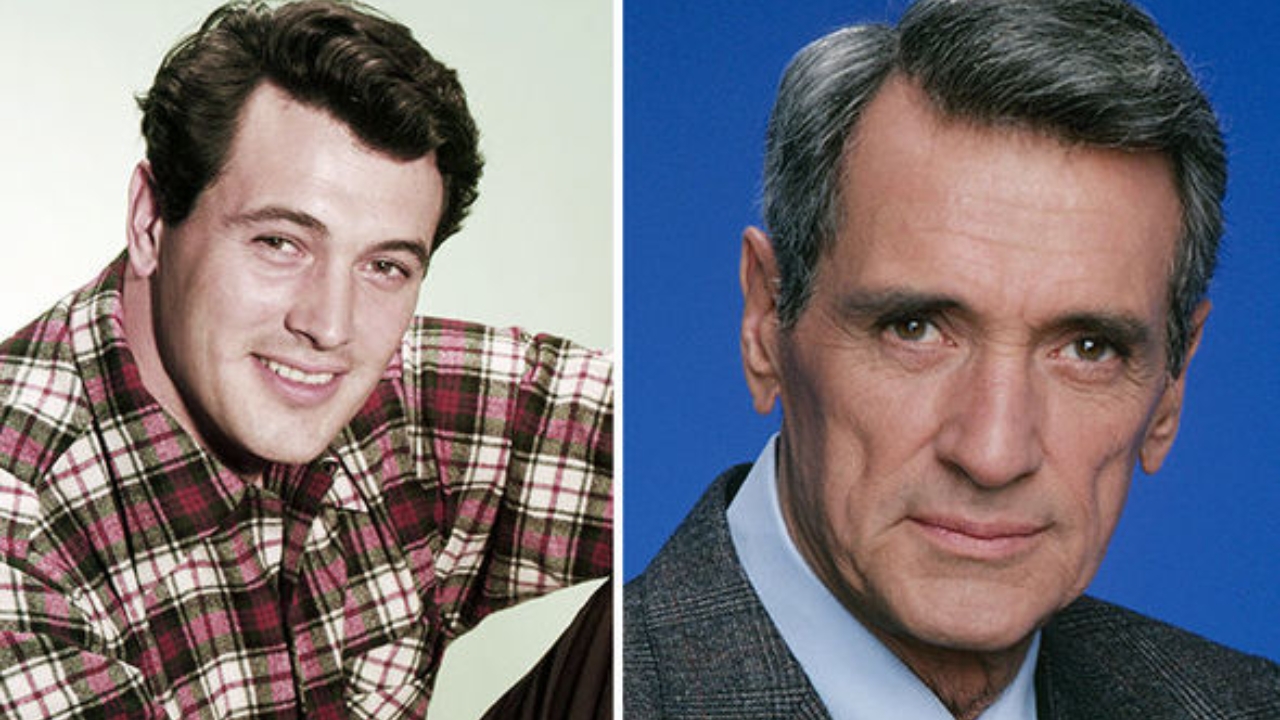
Rock Hudson was tall, broad-shouldered and impossibly handsome, the perfect romantic partner for Doris Day.
Tab Hunter looked like the boy every mother wanted her daughter to bring home.
Richard Chamberlain became the doctor teenage girls dreamed about marrying.
Montgomery Clift stared from movie screens with a vulnerability that seemed almost dangerous.
James Dean became the eternal rebel.
And decades earlier, William Haines and Ramon Novarro had already learned what Hollywood expected from a male star whose private life did not fit the fantasy being sold to the public.
The old studio system could manufacture almost anything.
Names.
Hairlines.
Accents.
Wardrobes.
Girlfriends.
Dating stories.
Even marriages.
What it could not easily tolerate—especially from the 1930s through the 1960s—was a leading man whose real romantic life contradicted the heterosexual image printed in fan magazines.
That did not mean every rumor about Classic Hollywood was true.
Quite the opposite.
Later books, gossip columns and documentaries have produced an enormous mythology of secret hotel rooms, casting-couch bargains and hidden lovers. Some stories are documented. Others remain disputed. Some appear to have grown far beyond the available evidence.
But the central history is real.
Some of America’s most desirable male stars lived under extraordinary pressure to separate the man the public bought tickets to see from the man who went home after filming ended.
For some, secrecy protected a career.
For others, refusing to cooperate cost them one.
And for a few, the truth did not become public until decades later.
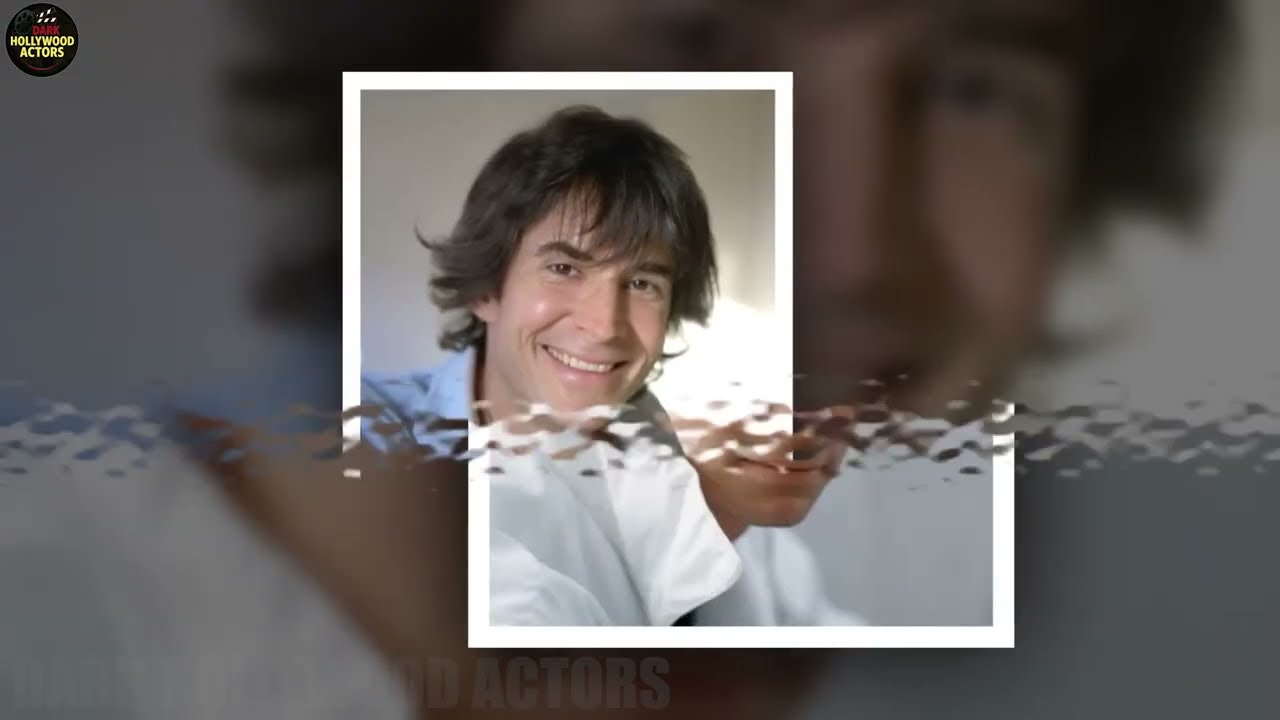
1. William Haines Refused Hollywood’s Solution
Long before Rock Hudson or Tab Hunter became heartthrobs, William Haines was one of MGM’s most popular stars.
In the late 1920s, Haines specialized in wisecracking young men whose arrogance eventually gave way to charm. Audiences liked him, and MGM knew it.
Hollywood also knew something moviegoers generally did not.
Haines was gay.
And he was in a serious relationship with Jimmie Shields.
For a time, Haines’ private life existed in the strange semi-open world of early Hollywood, where certain truths could be widely known inside the industry as long as they did not become public scandal.
Then studio culture tightened.
Louis B. Mayer wanted Haines to protect his image.
According to accounts preserved by Turner Classic Movies and biographer William J. Mann, MGM pushed him to separate from Shields and participate in a conventional public relationship—or even a studio-approved marriage.
Haines refused.
It was an extraordinary decision.
He had something most young actors desperately wanted:
a major Hollywood career.
Yet Haines would not trade the relationship for the image.
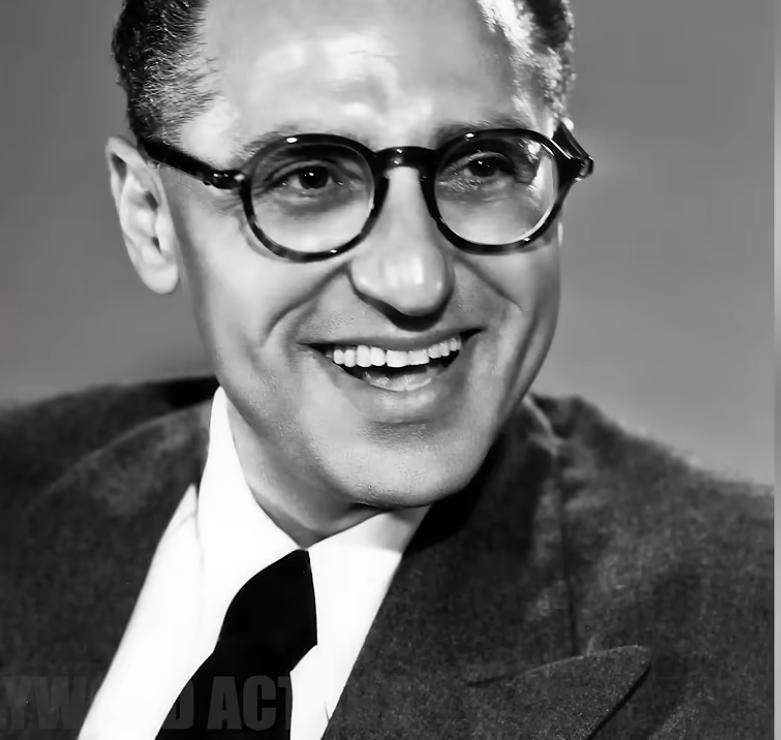
His MGM career ended.
But his life did not collapse.
Haines and Shields reinvented themselves as interior designers and built an enormously successful second career decorating homes for Hollywood’s elite.
They remained together for roughly half a century.
Joan Crawford famously described them as one of Hollywood’s happiest couples.
In an industry built on illusion, William Haines eventually made the most dangerous choice possible.
He stopped acting offscreen.
2. Ramon Novarro Became the “Latin Lover” While Keeping His Real Life Private
Before Clark Gable became the King of Hollywood, Ramon Novarro was one of America’s great romantic idols.
Born in Mexico, Novarro arrived in Hollywood during the silent era and became MGM’s answer to Rudolph Valentino.
He starred in Ben-Hur.
The Student Prince in Old Heidelberg.
Mata Hari opposite Greta Garbo.
Fan magazines sold him as a beautiful, exotic bachelor whose female admirers simply had not yet found the woman capable of capturing him.
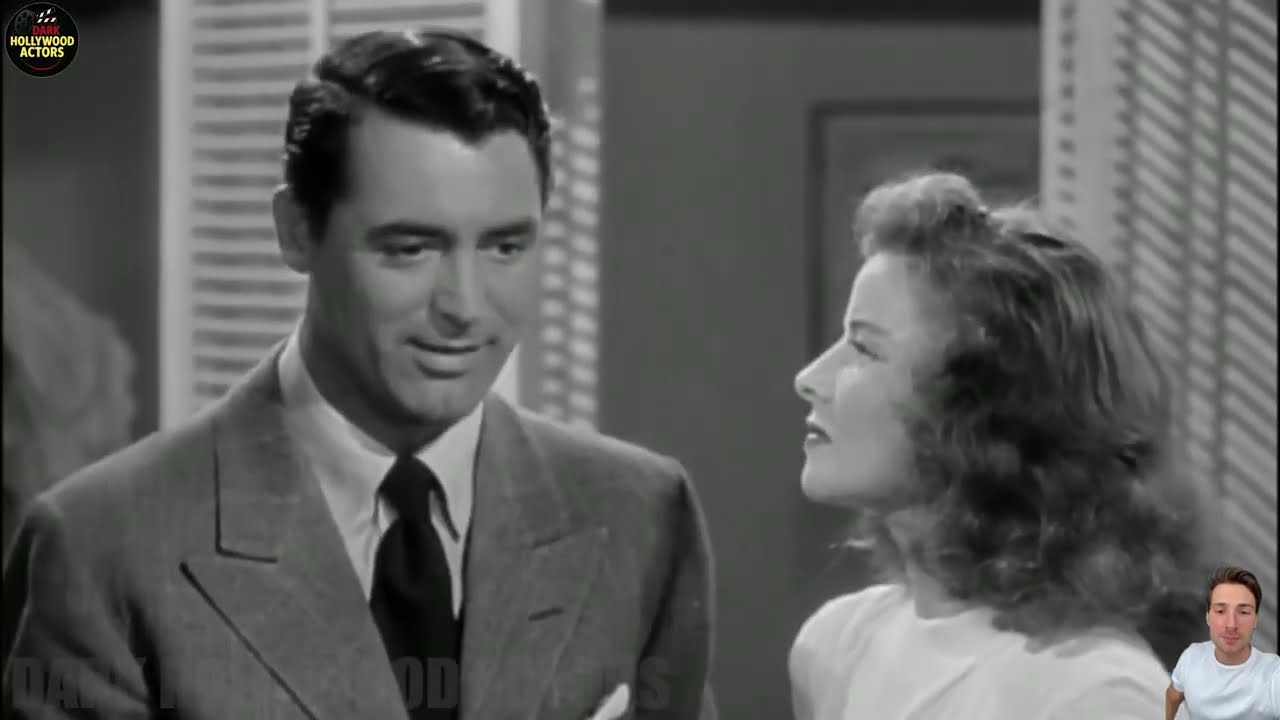
Behind the publicity, Novarro was gay.
Unlike some stars who were paired aggressively with actresses, Novarro appears to have resisted much of that performance. Within Hollywood circles his sexuality was known, but it remained largely outside the public story.
That secrecy carried a psychological cost.
Biographers have described the conflict between Novarro’s sexuality and his deeply Catholic upbringing.
Yet reducing his entire life to tragedy would be another distortion.
He was a major star.
He earned enormous money.
He had relationships.
He survived the transition into sound better than many silent actors, even if his leading-man career eventually declined.
Then, in 1968, his private life became public in the worst possible way.
Novarro was murdered at his Los Angeles home by brothers Paul and Thomas Ferguson, two young men who believed he had money hidden there.
The killing was brutal.
Both men were convicted.
But the trial did something else: it exposed details of Novarro’s sexuality to a culture still openly hostile toward gay men.
Even his murder became an excuse for homophobic treatment of the victim.
For decades afterward, lurid myths surrounded Novarro’s death.
The documented story is already disturbing enough.
A man once sold as one of cinema’s greatest romantic fantasies spent much of his life unable to tell the audience whom he actually loved.
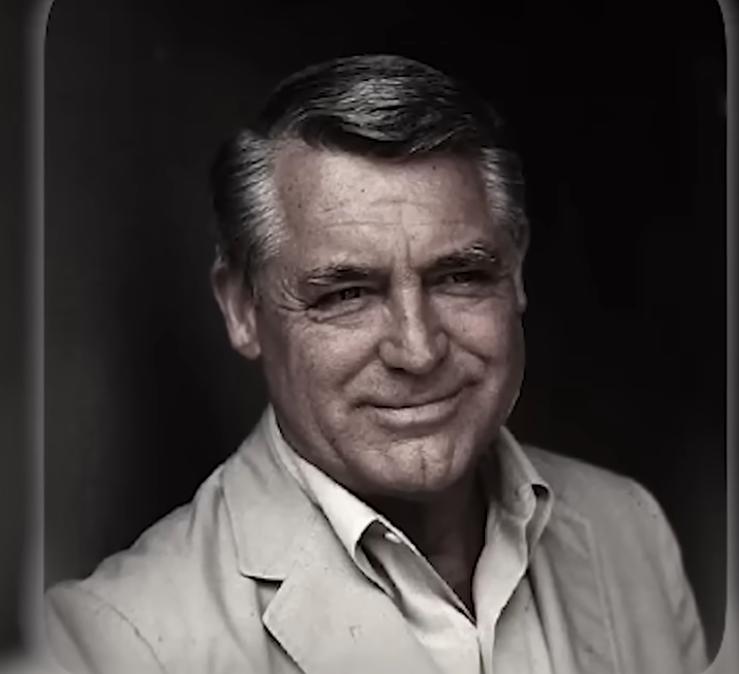
3. Rock Hudson May Be the Clearest Example of Hollywood Manufacturing a Man
If there was one actor Hollywood seemed to build in a laboratory, it was Rock Hudson.
He was born Roy Fitzgerald.
Agent Henry Willson saw the potential immediately.
Six-foot-four.
Strong jaw.
Broad shoulders.
But Willson did not merely find him roles.
He helped remake him.
Roy Fitzgerald became Rock Hudson.
Voice training helped lower his speaking voice.
Coaching helped shape his movement and screen presence.
The final product was aggressively masculine.
Soon millions of women were watching him in movies like Magnificent Obsession, Giant and later the enormously successful romantic comedies with Doris Day.
He became one of the defining male heartthrobs of postwar America.
Privately, Hudson was gay.
And that fact was potentially career-ending.
When scandal magazine Confidential threatened to expose him in the 1950s, Willson reportedly worked to keep the story out of print.
Hudson soon married Phyllis Gates, Willson’s secretary.
Later accounts frequently described the marriage as part of an effort to protect Hudson’s heterosexual image, although Gates maintained that she had not known he was gay before marrying him.
The marriage lasted only three years.
The image lasted much longer.
That is what makes Hudson’s story so revealing.
America watched him kiss women on screen while the machinery behind his career worked hard to ensure audiences never saw his actual romantic life.
And for decades, it worked.
4. Then Rock Hudson Changed American History Without Meaning To
By the early 1980s, Hudson’s era as a romantic leading man had largely passed.
But he remained recognizable.
Then his appearance began changing.
In 1984, Hudson was diagnosed with AIDS.
In July 1985, his illness became public.
Suddenly AIDS—still widely misunderstood, stigmatized and often treated as something happening to anonymous people outside mainstream America—had the face of Rock Hudson.
The man who had embodied Hollywood masculinity was dying of a disease associated in the public mind with gay men.
Hudson died on October 2, 1985, at 59.
His death changed public awareness of AIDS dramatically.
Elizabeth Taylor, his friend and former Giant costar, became one of the most visible celebrity advocates for AIDS research and care.
The irony was painful.
Hollywood had spent decades protecting Hudson from the consequences of being known as gay.
Near the end of his life, the truth the industry had feared helped force millions of Americans to look directly at a crisis they had been able to ignore.
5. Tab Hunter Was Sold as the Boy Every Girl Wanted
If Rock Hudson was adult masculine perfection, Tab Hunter was the Eisenhower-era boy next door.
Blond.
Blue-eyed.
Athletic.
Polite.
He starred in Battle Cry, The Burning Hills and Damn Yankees!
Then he recorded “Young Love,” which became a No. 1 hit.
Teenage girls covered bedroom walls with his photographs.
Hollywood knew exactly what it was selling.
There was only one major problem.
Tab Hunter was gay.
And at the height of his stardom, he was romantically involved with another rising Hollywood heartthrob:
Anthony Perkins.
Hunter eventually confirmed the relationship himself.
They met in the 1950s and stayed together for several years.
But the public was being shown something entirely different.
6. The Women Beside Tab Hunter Were Sometimes Part of the Picture
Studio publicity paired Hunter with actresses including Natalie Wood.
Photographs appeared.
Stories appeared.
The heterosexual heartthrob remained intact.
Hunter later spoke openly about the absurdity.
He and Perkins could appear in public with women, sometimes effectively double-dating, while the genuine relationship existed behind the public arrangement.
The risk was not theoretical.
Hunter had been arrested as a young man during a police raid connected to a gay party.
Years later, Confidential magazine resurrected the incident in an attempt to expose him.
The story could have been devastating in 1950s America.
Yet Warner Bros. continued protecting its profitable star, and Hunter’s career survived the immediate scandal.
What eventually damaged his career more severely was leaving the studio system itself.
Ironically, the institution that forced him to maintain an image had also protected him.
7. Tab Hunter Finally Told the Story Himself
Hunter remained private for decades.
Then, in 2005, he published Tab Hunter Confidential.
The motivation was revealing.
Someone else was preparing to tell his story.
Hunter decided he would rather do it himself.
As he memorably put it:
“Get it from the horse’s mouth, not some horse’s ass.”
He wrote about being gay.
About Anthony Perkins.
About studio publicity.
About the strange experience of becoming America’s ideal boyfriend while knowing the real person underneath could have destroyed the fantasy.
His memoir later became a documentary.
By then, the revelation no longer destroyed him.
It liberated the history.
Hunter spent his later years with longtime partner Allan Glaser and died in 2018 at 86.
The clean-cut boy on the fan-magazine cover had finally been allowed to become a whole person.
8. Anthony Perkins Lived the Other Side of the Same Romance
Tab Hunter’s story inevitably leads to Anthony Perkins.
Before Psycho, Perkins was not the frightening face of Norman Bates.
He was a handsome, sensitive young actor with enormous potential.
He received an Academy Award nomination for Friendly Persuasion.
He appeared on Broadway.
He recorded music.
And he was involved with Hunter during the years both men were being marketed to women.
Hunter later confirmed their relationship publicly.
But Perkins appears to have struggled with his sexuality much more painfully than Hunter did.
Later biographies and Hunter’s own recollections describe enormous pressure and efforts by Perkins to change himself through therapy.
He eventually married photographer and actress Berry Berenson in 1973.
They had two sons.
People close to the family remembered Perkins as a loving husband and father.
None of those facts erase the earlier relationships.
Human lives rarely fit into clean categories.
That is precisely why his story is so revealing.
9. Norman Bates Became Famous While Anthony Perkins Remained Hidden
In 1960, Alfred Hitchcock cast Perkins as Norman Bates in Psycho.
The role changed everything.
Perkins created one of cinema’s most famous characters.
It also trapped him professionally.
No matter how much work he did afterward, Norman Bates followed him.
But there was another divide between actor and image.
Public audiences knew very little about Perkins’ romantic life.
The relationships with men were not part of his star biography.
His marriage and family were.
Perkins was diagnosed with HIV later in life and kept the diagnosis private.
He died of AIDS-related pneumonia in September 1992 at age 60.
Only later did biographies and people who had known him—including Hunter—make the complexity of his private life more widely understood.
Two of Hollywood’s most marketable young men had once loved one another.
At the time, neither career could safely contain that story.
10. Richard Chamberlain Became the Man Millions of Women Wanted to Marry
Few television stars experienced heartthrob fame as intensely as Richard Chamberlain.
When Dr. Kildare premiered in 1961, Chamberlain became a phenomenon.
Young.
Tall.
Blue-eyed.
Compassionate.
Respectable.
At one point he was reportedly receiving as many as 12,000 fan letters a week.
Merchandise followed.
Records followed.
Fan magazines followed.
For teenage girls, Dr. Kildare was almost a national crush.
And Richard Chamberlain was gay.
People inside the industry knew.
The public generally did not.
Chamberlain later explained why.
His livelihood depended on audiences accepting him as a heterosexual romantic lead.
For decades, he believed telling the truth could destroy that.
So he didn’t.
11. Chamberlain Had to Play Heterosexual Desire for Decades
The irony became even greater as Chamberlain aged.
His greatest second wave of fame came through romances.
Shōgun.
Then The Thorn Birds.
As Father Ralph de Bricassart, Chamberlain played a Catholic priest tormented by his love for Rachel Ward’s Meggie.
Millions watched.
The miniseries became a television phenomenon.
Chamberlain was again one of America’s most desired men.
Yet publicly discussing his own relationships remained off limits.
He eventually described the psychological cost.
Growing up, he had internalized the idea that being gay was something deeply wrong.
Only much later did he begin accepting himself.
In 2003, at 69, Chamberlain published Shattered Love and publicly acknowledged he was gay.
By then he said there was no longer an image he needed to defend.
He had spent decades defending it.
Chamberlain died in March 2025 at age 90. His longtime partner Martin Rabbett remembered him with the words:
“Love never dies.”
For an actor who had spent so much of his career unable to discuss whom he loved, the line carried unusual weight.
12. Farley Granger Eventually Asked a Different Question: Why Hide It Anymore?
Farley Granger was another kind of screen idol.
He was handsome, but not invulnerable.
His face suggested sensitivity.
Hitchcock used that quality brilliantly in Rope and Strangers on a Train.
Fan magazines treated him as another romantic young star.
His actual romantic life was much broader than the image.
Granger had relationships with both women and men.
Among the women were Shelley Winters and Ava Gardner.
Among the men were playwright Arthur Laurents and, briefly, composer Leonard Bernstein.
From the early 1960s onward, Granger shared his life with producer Robert Calhoun.
In 2007, when Granger published Include Me Out, he discussed his bisexuality publicly.
What makes his response interesting is how little melodrama he attached to it.
He said:
“I had never hidden anything, and nobody asked me any questions.”
That sentence exposes another side of old Hollywood.
Not every closeted star lived in constant panic.
Sometimes silence functioned because everybody agreed not to ask.
The studio didn’t have to publish an official lie if the press was willing to avoid the obvious question.
13. Montgomery Clift Was Almost Impossible for Hollywood to Package
Montgomery Clift became famous at the end of the 1940s and immediately confused the machinery around him.
He was extraordinarily handsome.
But he did not behave like a conventional movie star.
He disliked publicity.
He did not settle comfortably into Hollywood social life.
He resisted manufactured romances.
Fan magazines tried anyway.
Stories were written implying relationships with women simply because audiences expected a male star to have them.
Elizabeth Taylor, his close friend and frequent costar, was often drawn into that mythology.
Yet Clift’s private sexuality remained largely outside public knowledge during his lifetime.
Even today, responsible accounts require some nuance.
Many biographers describe Clift as gay.
His brother later described him as bisexual.
The precise details of his private relationships remain debated.
What is not disputed is that the public image of Montgomery Clift did not accurately reflect the man his closest friends knew.
That distinction matters.
History does not become more accurate simply because a rumor is repeated for 70 years.
14. Clift’s Tragedy Was Real Enough Without Inventing One
There is another temptation with Montgomery Clift.
Because his later life was painful, writers often connect every tragedy to sexuality.
That simplifies him.
Clift was nominated for four Academy Awards.
He helped redefine male screen acting with performances in A Place in the Sun, From Here to Eternity and Judgment at Nuremberg.
Then a devastating automobile accident in 1956 severely injured his face.
He continued acting, but problems with alcohol and prescription drugs worsened.
He died of a heart attack in 1966 at only 45.
Those facts are enough.
We do not need invented hotel auditions or secret casting bargains to turn him into a tragic figure.
The real Montgomery Clift was more complicated than that.
15. James Dean Became a Mystery Because He Died Before He Could Explain Himself
James Dean made only three major starring films.
East of Eden.
Rebel Without a Cause.
Giant.
Then he died in a car crash in September 1955 at 24.
That brief life created an enormous empty space.
And empty spaces attract mythology.
Dean’s sexuality has been debated ever since.
There were documented relationships or close attachments with women, most famously Pier Angeli.
There were also relationships with men described by biographers.
Rogers Brackett was a radio director who became an important mentor when Dean was trying to establish himself. Biography.com notes that the two were also said to have been romantically involved.
Other biographers have described Dean as bisexual; others as gay.
There is no reason to pretend a single definitive label exists when the surviving evidence remains debated.
What we can say with confidence is simpler:
the James Dean presented to American audiences was incomplete.
16. Dean Did Not Need a Secret Hollywood Conspiracy to Become Tragic
Later sensational stories sometimes transform Dean’s career into a tale of blackmail, sexual coercion and mysterious handlers.
There is little reliable evidence for many of those specifics.
His death itself is sometimes given an artificial air of mystery.
It shouldn’t be.
Dean died after his Porsche collided with another vehicle near Cholame, California.
The event was tragic.
It was not evidence that Hollywood silenced him.
The more interesting question is what Dean might eventually have told the public about himself if he had lived.
Tab Hunter had until 2005.
Farley Granger had until 2007.
Richard Chamberlain had until 2003.
James Dean had until age 24.
He never got the chance to revise his own mythology.
Everyone else did it for him.
17. Sal Mineo Became More Open Just as Hollywood Became Less Interested
In Rebel Without a Cause, Sal Mineo played Plato.
The character’s emotional attachment to Dean’s Jim Stark carried an intimacy audiences could feel even when 1955 Hollywood could not state it directly.
Mineo received an Academy Award nomination.
He became a teen idol.
Girls screamed.
Fan magazines followed him.
He was nominated for another Oscar for Exodus.
Then his career declined.
Part of that was ordinary Hollywood cruelty.
A young actor ages.
The type he was famous for disappears.
Poor career choices compound the problem.
But Mineo was also becoming increasingly open about his sexuality at a time when most male stars still considered that impossible.
By the 1970s, he was living much more openly as a gay man.
Then he was murdered.
And that tragedy generated another myth.
18. Sal Mineo Was Not Killed Because He Was About to Expose Hollywood
Mineo was stabbed outside his West Hollywood apartment in February 1976.
He was 37.
Over the years, stories grew around the murder.
A secret lover.
A homophobic killing.
A Hollywood conspiracy.
Evidence he was supposedly preparing to reveal.
But investigators eventually arrested Lionel Ray Williams.
Williams was convicted of Mineo’s murder.
Accounts of the case indicate he did not even know that the man he attacked was the famous Sal Mineo.
The killing was connected to a robbery attempt, not a plan to silence a Hollywood whistleblower.
This distinction is important.
Mineo’s real life illustrates the danger of the era without inventing a conspiracy around his death.
A man who had once been marketed to teenage girls eventually became increasingly honest about who he was.
That honesty deserves to be remembered more than a fictional briefcase full of secrets.
19. George Nader Refused to Perform the Illusion as Enthusiastically as Others
George Nader never reached Rock Hudson’s level of fame, but in the 1950s his career followed a similar visual formula.
Tall.
Muscular.
Photographed shirtless.
Cast as cops, adventurers and romantic men.
Universal tried to reinforce that image by pairing him publicly with actresses.
Privately, Nader lived for decades with Mark Miller.
The two were also close friends of Rock Hudson.
According to Hudson biographer Sara Davidson, Nader and Hudson helped one another maintain the heterosexual public image their careers demanded.
But Nader never went as far as some other stars.
He did not marry a woman.
He did not fully construct the family-man persona.
He simply kept his relationship largely outside public discussion.
Later, he wrote Chrome, a science-fiction novel about love between a man and a male robot in a society where that relationship was forbidden.
It is difficult to miss the metaphor.
Sometimes Classic Hollywood stars told the truth indirectly because direct language remained too dangerous.
20. The System Did Not Treat Every Man the Same Way
This is where the history becomes more complicated than the phrase “Hollywood forced them all to hide.”
William Haines resisted.
Rock Hudson cooperated extensively with the image-making machinery.
Tab Hunter tolerated publicity dates but later insisted he never thought of himself as pretending to be someone else.
Farley Granger said he wasn’t exactly hiding—people simply weren’t asking.
Montgomery Clift avoided the publicity machine whenever possible.
Richard Chamberlain consciously guarded his image because he believed being openly gay could end his career.
Their experiences were different.
And so were the consequences.
That is why claims that all of these men were forced into identical sexual bargains are so misleading.
Old Hollywood had no single secret contract.
It had something more powerful:
a culture of incentives and fear.
21. The Threat Was Bigger Than Losing a Movie Role
To understand their choices, modern audiences have to remember the world they inhabited.
Same-sex relationships were criminalized in many places.
Gay men could be arrested.
Police raids were real.
Employment discrimination was normal.
Tabloid exposure could destroy a carefully manufactured public identity.
Studios also operated under morality clauses and a publicity culture designed to make stars appear compatible with mainstream expectations.
A male actor sold as a heterosexual romantic fantasy had enormous economic value.
Anything that threatened that fantasy threatened money.
So the machinery responded.
Publicity dates.
Carefully selected interviews.
Photographs with actresses.
Stories about future marriages.
Silence.
Sometimes actual marriages.
The practice became associated with what later came to be called “lavender marriages”—unions or public relationships used in part to conceal homosexuality or bisexuality in an era when disclosure could be devastating professionally.
Not every famous marriage involving a closeted person was a sham.
Not every publicity date was fake.
But the broader system undeniably existed.
22. The Fan Magazines Helped Build the Fantasy
Hollywood studios were not doing this alone.
Fan magazines needed romance.
Readers wanted to know:
Who was dating whom?
Who might marry?
Which starlet had caught which actor’s attention?
If a handsome male star had no visible girlfriend, journalists could turn the absence itself into a story.
Montgomery Clift experienced exactly that.
His lack of obvious romantic attachments confused the gossip press so much that magazines simply constructed heterosexual romantic narratives around him.
He once publicly rejected rumors that a longtime female friend was secretly his romantic partner, saying the speculation embarrassed them both.
The machine did not always need an executive ordering someone to lie.
Sometimes the culture wrote the lie automatically.
23. And Sometimes the Tabloids Threatened to Destroy the Fantasy
If fan magazines helped create stars, scandal magazines could threaten them.
Confidential became notorious in the 1950s for digging into the private lives of celebrities.
A hint of homosexuality could be treated as explosive material.
Rock Hudson faced that threat.
Tab Hunter faced it.
Other actors understood the message.
The threat was powerful precisely because public exposure could carry consequences far beyond embarrassment.
Careers depended on studios.
Studios depended on audiences.
And audiences had been sold a particular type of man.
Tab Hunter later summarized the paradox perfectly.
People believed what they wanted to believe.
Hollywood simply helped them.
24. Then the Culture Began Changing
The old system did not disappear overnight.
The Stonewall uprising came in 1969.
The gay-rights movement became increasingly visible.
But Hollywood’s fear of openly gay leading men continued for decades.
Richard Chamberlain remained closeted through The Thorn Birds in the 1980s.
Tab Hunter did not come out publicly until 2005.
Farley Granger discussed his bisexuality openly in his eighties.
Even actors working in later decades often worried that coming out would prevent studios from believing audiences could accept them as heterosexual romantic leads.
That concern did not vanish simply because laws changed.
The image remained commercially valuable.
Old habits survived.
25. Rock Hudson Became the Turning Point No Studio Could Control
That is why Hudson’s final chapter matters so much.
His sexuality could no longer be treated as merely gossip.
His AIDS diagnosis forced a collision between Hollywood fantasy and public reality.
For millions of Americans, AIDS suddenly had a familiar face.
Not an anonymous stranger.
Not a caricature.
Rock Hudson.
The romantic hero.
The man who had spent decades opposite Doris Day.
The handsome rancher in Giant.
The embodiment of masculine desirability.
Hudson’s illness did not end homophobia.
But it changed the national conversation.
The secret Hollywood had worked so hard to protect became more historically important than the image it had built.
26. What These Men Lost Wasn’t Always the Same Thing
William Haines lost a movie career but kept Jimmie Shields.
Rock Hudson kept superstardom but spent decades separating public and private life.
Tab Hunter survived the studio era and eventually told his own story.
Anthony Perkins built a family but appears to have struggled deeply with identity.
Richard Chamberlain waited until late life to speak publicly.
Farley Granger eventually seemed almost amused that people imagined there had been some enormous confession waiting to happen.
Montgomery Clift died before the culture around him changed.
James Dean died before anyone could know how he might have defined himself.
Sal Mineo became increasingly open and watched Hollywood move on without him.
Ramon Novarro had his private life exposed only through a brutal murder.
These were not variations of one identical tragedy.
They were different lives shaped by the same constraint:
the audience was expected to desire the character, not necessarily know the man.
27. And That Is Why the Most Sensational Stories Can Miss the Real Scandal
Stories about Classic Hollywood often claim that famous actors were secretly rented out to producers.
That casting directors demanded sex.
That stars kept diaries listing everyone they slept with for a role.
That murder victims were silenced because they were preparing to reveal Hollywood’s secrets.
Some exploitation occurred in Hollywood.
Sexual coercion and abuses of power certainly existed.
But attaching a specific crime to a specific celebrity requires evidence.
Without it, gossip becomes biography.
The actual historical system was disturbing enough.
Studios could change a man’s name.
Teach him how to walk.
Lower his voice.
Choose the women photographed beside him.
Pressure him to marry.
Suppress damaging stories.
And convince him that one truthful sentence could make everything disappear.
That requires no secret diary.
28. The Strange Thing Is That Audiences Already Loved Them
Rock Hudson did not become charming because he was publicly heterosexual.
Tab Hunter did not become handsome because a magazine photographed him beside Natalie Wood.
Richard Chamberlain’s talent in Shōgun did not depend on whom he loved at home.
Farley Granger’s performance in Strangers on a Train did not become less powerful after people learned he was bisexual.
William Haines did not stop being funny when he chose Jimmie Shields over MGM.
Montgomery Clift’s face did not become less haunting.
James Dean did not become less rebellious.
That may be the most revealing part of the story.
Hollywood spent enormous energy protecting audiences from truths that ultimately changed almost nothing about the work.
The films remained.
The performances remained.
Only the mythology changed.
29. Decades Later, Some of Them Finally Got to Correct the Record
Tab Hunter told his own story.
Farley Granger told his.
Richard Chamberlain told his.
Their late-life accounts are valuable because they replace speculation with voices.
Hunter did not describe himself simply as a victim.
Granger resisted the idea that his sexuality had always been some tortured secret.
Chamberlain openly acknowledged that shame and fear had affected him deeply.
Different men.
Different experiences.
That is what reliable history looks like.
Messier than gossip.
Less cinematic than conspiracy.
And usually more interesting.
30. Hollywood’s Greatest Illusion May Have Been the Idea That These Men Were Simple
The old movie posters made everything look easy.
One handsome man.
One beautiful woman.
One romance.
One happy ending.
Real life rarely cooperated.
Behind some of those posters were men navigating identities the studios did not know how to sell and a culture that often punished honesty.
Some hid.
Some resisted.
Some compromised.
Some waited decades.
Some never had enough time.
Hollywood did not create their sexuality.
But it often created the version of them the public was permitted to see.
And perhaps that is the part that still feels startling today.
Millions of Americans grew up believing they knew Rock Hudson, Tab Hunter, Richard Chamberlain, Montgomery Clift and James Dean.
They knew the faces.
They knew the voices.
They knew the characters.
They knew whom the magazines said these men should love.
What they rarely knew was the person who went home when the cameras stopped.
And in the end, that may be the real secret Classic Hollywood worked hardest to keep.