Millions of viewers remember Laura Ingalls looking at Almanzo Wilder with the kind of shy, wide-eyed affection that made *Little House on the Prairie* feel almost painfully innocent.
To fans, they became one of television’s sweetest young couples.
But behind the camera, the situation was far more complicated.
Melissa Gilbert was 15 years old when Dean Butler joined the series.
Dean was 23.
He had a car.
He had already lived independently.
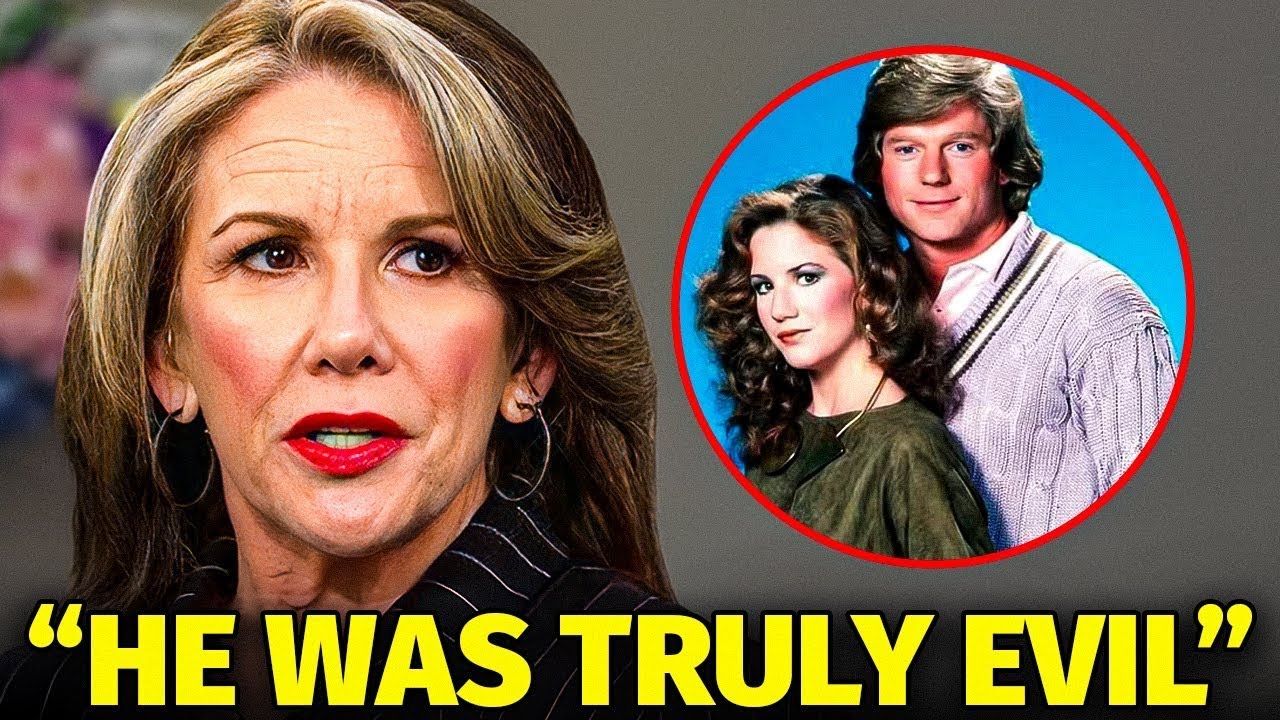
He was an adult actor arriving to play the man Laura would eventually marry.
Melissa was still a teenager growing up under studio lights.
Years later, both would admit that the difference mattered.
Dean said there was anxiety surrounding their romantic scenes.
Melissa remembered how strange it felt to be expected to create adult emotions with someone who was living a very different life from hers.
And yet neither turned the story into a feud.
There was no secret affair.
No decades-long hatred.
No explosive confession waiting to destroy the memory of Laura and Almanzo.
What remained instead was something more complicated—and more human.
Two actors at very different stages of life created a romance millions believed.
Then they grew older, looked back at what had happened, and finally understood the experience in ways neither could have understood at the time.
## 1. Melissa Gilbert Had Already Grown Up Faster Than Most Children
By the time Dean Butler arrived on *Little House on the Prairie*, Melissa Gilbert had already spent years living a life most adults would find overwhelming.
She was adopted almost immediately after birth by actor Paul Gilbert and actress and dancer Barbara Crane.
For much of her childhood, Melissa was given an almost fairy-tale version of where she came from.
Her biological mother was described as a gifted dancer.
Her biological father was portrayed as highly accomplished.
Years later, Melissa began investigating the story herself.
The truth was more ordinary.
Her biological parents had both already had children from previous relationships. Together, they were caring for six children and felt they could not afford another.
Melissa became the seventh.
They placed her for adoption.
That discovery would become part of a much larger pattern in Melissa’s life.
The public story and the private truth were not always the same.
## 2. At Nine, She Became Laura Ingalls
Melissa began appearing in commercials as a child.
Then, at nine years old, she auditioned for a television project based on Laura Ingalls Wilder’s books.
Michael Landon was already one of television’s biggest stars.
He had spent years playing Little Joe Cartwright on *Bonanza*.
Now he was developing a family drama about pioneer life.
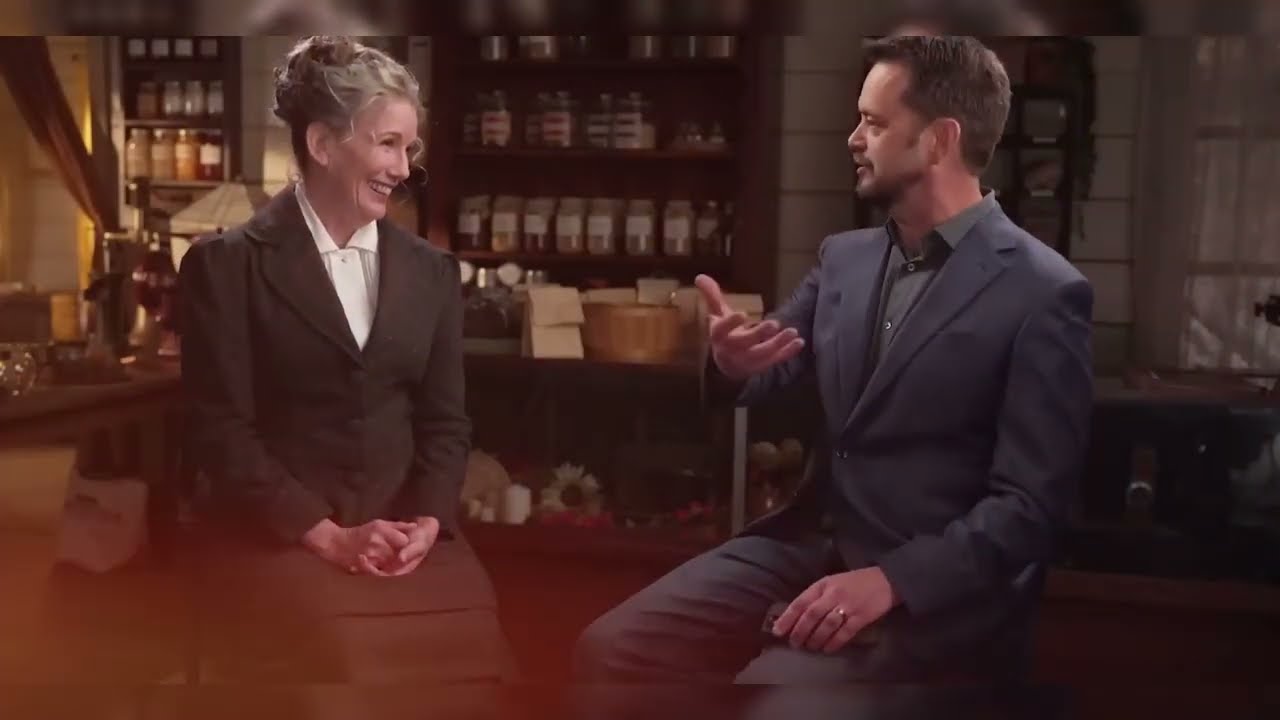
Melissa arrived without the polished Hollywood-child appearance many young actresses were trained to present.
She looked natural.
She felt natural.
And she got the role of Laura.
In 1974, *Little House on the Prairie* began its long television run.
For millions of viewers, Melissa Gilbert would effectively grow up in their living rooms.
## 3. Michael Landon Became More Than Her Television Father
On screen, Michael Landon played Charles Ingalls.
“Pa.”
To Laura, he was the emotional center of the family.
Off screen, Melissa also formed a powerful attachment to him.
Part of the reason was the instability in her own childhood.
When Melissa was 11, her adoptive father Paul Gilbert died.
She was told that he had suffered a stroke.
That was the story she carried for decades.
Only much later, when Melissa was in her mid-forties, did she discover the truth.
Paul had died by suicide.
The secret had been kept from her for most of her life.
Melissa later spoke openly about how damaging buried family truths could be.
Against that background, the world of *Little House* offered something unusually powerful.
A dependable father.
A family that came together at the end of an episode.

Problems that could be talked through.
A home that remained standing.
Melissa was playing Laura Ingalls.
But in some ways, she also needed Walnut Grove.
## 4. Then Laura Had to Grow Up
A child character cannot remain a child forever.
As Melissa moved through adolescence, Laura did too.
The pigtails began disappearing.
The stories changed.
Laura became interested in teaching.
Marriage.
Independence.
And eventually, romance.
For fans familiar with the Laura Ingalls Wilder books, one name mattered enormously.
Almanzo Wilder.
The man Laura would marry.
When producers began looking for someone to play him, they chose Dean Butler.
The casting would create one of the show’s most enduring romances.
It also created a situation that both actors would later view very differently as adults.
## 5. Dean Butler Was Nearly 23 When He Became Almanzo
Dean Butler was born in 1956.
He had already begun building a professional acting career when *Little House* came along.
Before Almanzo, he had played a romantic lead in a television adaptation of Judy Blume’s *Forever*.
He was not a child actor entering the business alongside Melissa.
He was a young adult.
When he joined *Little House* around the beginning of its sixth season, Dean was about 23.
Melissa was 15.
That eight-year difference may not sound enormous between a 35-year-old and a 43-year-old.
Between 15 and 23, it is enormous.
Dean has acknowledged that himself.
## 6. Melissa Saw an Adult Man Standing Where a Teenage Crush Was Supposed to Be
Laura Ingalls was expected to fall for Almanzo.
Melissa Gilbert had to make viewers believe it.
But Melissa later remembered being acutely aware that Dean was older.
He drove.
He played golf.
He lived like a grown man.
Melissa was still going to school while working on a television series.
That contrast made the situation strange for her.
Laura might look at Almanzo and see the exciting older boy who would become the love of her life.
Melissa looked at Dean and saw an adult colleague.
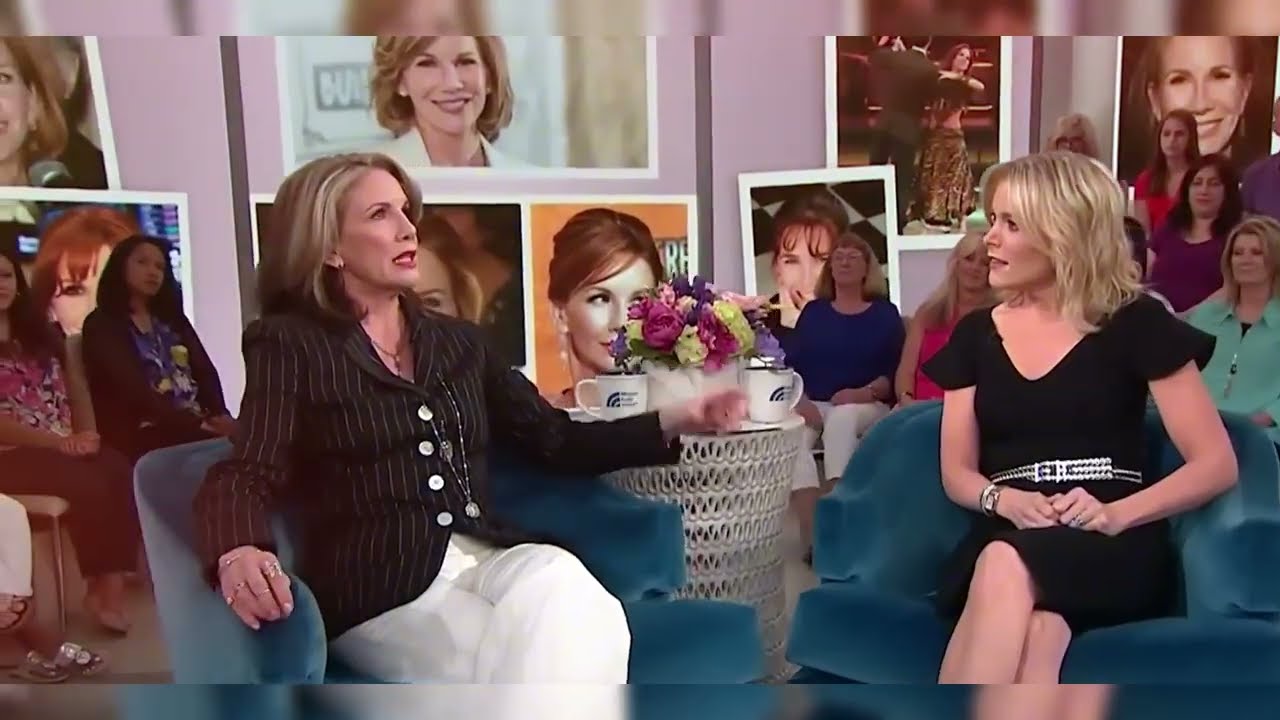
Those are not the same thing.
Yet television required her to bridge the gap.
## 7. Dean Understood the Problem Too
It is easy to tell this story unfairly.
One version turns Dean Butler into an adult actor who simply ignored the age difference.
His own later comments show something more thoughtful.
Dean has said he wished he and Melissa had been closer in age.
Looking back, he understood that 15 and 23 represented very different levels of life experience.
He has also described anxiety surrounding their early romantic scenes.
That matters.
Because the discomfort was not something Melissa invented decades later while Dean dismissed it.
Both recognized that the situation was unusual.
They simply experienced it from opposite sides.
## 8. The First Kiss Became the Moment Everyone Remembered
For viewers, the kiss between Laura and Almanzo was a milestone.
Fans had watched Laura grow from a little girl racing down hills into a young woman.
Now she was falling in love.
For Melissa, the scene was much less dreamy.
She was still inexperienced.
Dean was older.
They had to create intimacy while surrounded by cameras, crew members, lights and adults discussing how the moment should look.
Dean later remembered approaching the scene carefully.
Melissa remembered the awkwardness much more vividly.
And decades later, the contrast between the romantic image and the reality became one of the most talked-about behind-the-scenes stories from *Little House*.
## 9. Michael Landon Was Aware That Melissa Was Still a Child
This is another part of the story that should not be lost.
Melissa later said that she felt protected by both her mother and Michael Landon while filming.
The adults around her understood that she was young.
That does not erase the awkwardness of asking a 15-year-old actress to perform a romance opposite a 23-year-old man.
But it changes the context.
This was not a secret relationship developing off camera.
It was a scripted television romance being produced in an era with very different standards from those used on sets today.
Looking back through a modern lens, Melissa has become much more direct about that difference.
## 10. The Audience Saw None of the Anxiety
That is what actors do.
Whatever Melissa felt when the cameras stopped, Laura had to believe in Almanzo.
Whatever Dean felt about the age difference, Almanzo had to look at Laura as the woman he would eventually marry.
And somehow, it worked.
Fans loved them.
Laura calling him “Manly.”
The misunderstandings.
The jealousy.
The courtship.
The wedding.
Their struggles as a young married couple.
Dean and Melissa created enough emotional truth that viewers rarely questioned what might have been happening between takes.
The romance became part of the show’s mythology.
## 11. Dean Became a Crush for an Entire Generation
For many girls watching *Little House*, Almanzo Wilder became one of their earliest television crushes.
Dean still hears about it.
Women who watched the show as children have approached him decades later and told him exactly what Almanzo meant to them.
That is one of the strange consequences of television longevity.
Dean was a young actor doing a job.
The viewers who fell for him grew older.
Then their daughters discovered the show.
Then grandchildren did.
Streaming and reruns kept Walnut Grove alive.
And Almanzo stayed young.
## 12. Melissa Never Had That Luxury
Television preserved Laura at every stage.
Melissa had to keep aging.
That difference became increasingly important in her later life.
She had spent childhood being watched.
Then adolescence.
Then adulthood.
Her face, body, relationships and mistakes became public material.
She later wrote candidly about addiction, codependency and the destructive patterns she developed while trying to build an adult identity after becoming famous as a child.
The country still saw Half-Pint.
Melissa had to figure out who she was when the braids were gone.
## 13. Her Real Romantic Life Was Much Messier Than Laura’s
Laura Ingalls got Almanzo.
Melissa Gilbert’s real relationships did not follow such a tidy script.
As she grew older, Melissa became linked to famous men, including Rob Lowe.
She married.
Divorced.
Married again.
Her memoir *Prairie Tale* did not attempt to protect the wholesome image fans associated with Laura.
She wrote about substance abuse.
Alcohol.
Dysfunctional relationships.
Codependency.
Infidelity.
Bad choices.
Pain.
The contrast was dramatic.
The girl many Americans thought they knew had lived a far more complicated adult life.
## 14. But Dean Butler Was Not the Secret Cause of That Pain
This distinction is important.
Modern celebrity stories often try to connect every later struggle to one dramatic early relationship.
Melissa’s experience with Dean does not support that kind of simplification.
Dean was not her secret lover.
He was not the man who broke her heart and sent her life in another direction.
He was a colleague who entered her professional world at a moment when she was being asked to portray adulthood before she had actually lived it.
That experience mattered.
But it was one piece of a much larger story.
## 15. They Went Their Separate Ways After “Little House”
Eventually, *Little House on the Prairie* ended.
Melissa had to build a career beyond Laura.
Dean had to build one beyond Almanzo.
He continued acting, later appearing in projects such as *The New Gidget* and *Buffy the Vampire Slayer*.
He also moved behind the camera, working as a producer and director.
Melissa continued acting and eventually entered an entirely different kind of public arena.
Union leadership.
In 2001, she was elected president of the Screen Actors Guild.
The little girl who had once stood on a set surrounded by adults making decisions about her career now represented thousands of professional performers.
She served until 2005.
## 16. Laura Ingalls Never Really Left Melissa
No matter how far Melissa traveled professionally, *Little House* remained.
Fans still called her Laura.
People still asked about Michael Landon.
Nellie.
Mary.
Almanzo.
The prairie.
For some child stars, that kind of permanent identification becomes a burden.
Melissa’s relationship with it evolved.
She could acknowledge the difficulties of growing up on television without rejecting what the show had given her.
That distinction became more visible as she grew older.
## 17. Dean Also Realized Almanzo Was Never Going Away
Dean Butler once doubted that *Little House on the Prairie* would remain culturally important for decades.
Michael Landon thought otherwise.
Landon believed the show would outlive the people making it.
He was right.
As Dean moved through his career, Almanzo continued following him.
At first, an actor might reasonably worry about being forever defined by one role.
With time, Dean came to regard it differently.
He has described Almanzo as one of the great gifts of his life.
The role connected him to generations of viewers.
Eventually, he stopped trying to imagine a life in which *Little House* was merely an old credit.
He embraced it.
## 18. Then Dean Wrote His Side of the Story
In 2024, Dean published his memoir:
*Prairie Man: My Little House Life & Beyond.*
It could have been marketed as a tell-all.
He chose a different approach.
Dean said he wanted to write honestly without creating a book built around attacking people.
He discussed the complicated parts.
The awkward moments.
Michael Landon’s intense personality.
His own mistakes.
And his experiences with Melissa.
But the book was fundamentally affectionate toward the world that had made him famous.
Then came one detail that said more about his relationship with Melissa than any sensational headline could.
## 19. Melissa Gilbert Helped Introduce Dean’s Memoir
The foreword to Dean Butler’s memoir was written by Melissa Gilbert and Alison Arngrim.
Laura.
Nellie.
Two women whose characters occupied completely different places in Almanzo’s television world.
Melissa agreeing to participate matters.
It does not mean every memory from their years together was comfortable.
It means discomfort did not become hatred.
The 15-year-old girl who had once felt awkward acting romantically opposite Dean was now an adult woman helping introduce his life story to readers.
That is a much more interesting ending than a feud.
## 20. Dean’s Later Words About Melissa Were Remarkably Generous
Dean has repeatedly praised Melissa’s talent.
He has called her an extraordinary child actress.
He has talked about her emotional openness.
Her instincts.
Her ability to carry the dramatic center of the series at an age when most teenagers were worrying about school and friends.
And Dean has been careful about the age issue.
He did not say:
It was nothing.
He acknowledged it.
He wished they had been closer in age.
He recognized that Melissa’s professional maturity did not mean she had adult life experience.
That is an important distinction.
A child actor can be incredibly skilled and still be a child.
## 21. Melissa’s View Became Sharper With Age
Melissa has also become more willing to look backward without romanticizing everything.
At 15, she did what the job required.
As an adult, she can look at that teenager differently.
She can understand how young she actually was.
That does not require accusing Dean of wrongdoing.
It means recognizing a fact adulthood makes easier to see:
15 is young.
Very young.
Especially when the person standing opposite you is already 23.
## 22. Today, That Casting Would Be Viewed Very Differently
Television production standards have changed dramatically.
Today, a romantic storyline involving a minor actor and an adult performer would receive far more scrutiny.
Studios use different protections.
There are more formal rules.
Intimacy coordinators are increasingly common for sensitive scenes.
Even other *Little House* cast members have looked back at age-gap romantic storylines on the series and said similar casting would likely not happen the same way today.
That does not mean the people making *Little House* believed they were doing something sinister.
It means cultural standards changed.
And the people who lived through the old standards are now able to talk about them honestly.
## 23. That Honesty Has Not Destroyed the Romance for Fans
This is perhaps the most surprising part.
Learning that Melissa was uncomfortable does not automatically ruin Laura and Almanzo.
For many viewers, it makes the acting more impressive.
Melissa did not need to be secretly in love with Dean to make Laura love Almanzo.
Dean did not need to forget Melissa’s age to play the role gently.
They were actors.
They created something that felt real.
The characters belonged to the story.
The awkwardness belonged to the performers.
Both things can exist at once.
## 24. Melissa Eventually Began Rejecting Hollywood’s Rules About Women
Growing up in front of cameras affected Melissa long after *Little House* ended.
She later spoke about the pressure to maintain a certain appearance.
Youth.
Thinness.
Cosmetic procedures.
The expectation that actresses should somehow stop aging while everyone watched.
Eventually, she wanted out.
In 2013, Melissa left Los Angeles.
She later said she needed to escape Hollywood in order to age.
She stopped trying to maintain the version of herself the industry expected.
She had her breast implants removed.
She stopped cosmetic procedures.
She allowed herself to look older.
To her, that became another kind of freedom.
## 25. The Girl Who Played Laura Finally Got to Grow Old
There is something fitting about that.
Melissa Gilbert spent years portraying one of television’s most famous girls.
America watched Laura lose teeth.
Fight with Nellie.
Fall in love.
Marry Almanzo.
Become a mother.
But Melissa’s own adulthood happened outside the clean boundaries of a family drama.
There were mistakes.
Secrets.
Addiction.
Divorces.
Career changes.
Loss.
And eventually, a different relationship with aging itself.
The television version of Laura would always remain young somewhere in reruns.
Melissa no longer wanted to compete with her.
## 26. Dean’s Relationship With “Little House” Changed Too
Dean increasingly became one of the people helping preserve the show’s history.
He participated in reunions.
Documentaries.
Fan events.
Interviews.
He spoke openly about Michael Landon.
Melissa.
The age gap.
And the strange experience of being remembered forever as the man Laura Ingalls married.
Instead of running from Almanzo, he accepted him.
That has made Dean especially important to the show’s older fan community.
He remembers what happened.
He is willing to talk about what was imperfect.
And he still understands why audiences loved it.
## 27. More Than 50 Years Later, “Little House” Still Has a Community
The longevity of *Little House on the Prairie* is extraordinary.
The show premiered in 1974.
Half a century later, cast members still gather for fan events.
People travel to meet them.
Families watch episodes together.
New generations discover Walnut Grove through streaming.
Dean Butler and other surviving cast members continue participating in celebrations of the series and Michael Landon’s legacy.
That persistence proves something.
Fans are not only nostalgic for the plots.
They are nostalgic for what the show represented.
Family.
Home.
Belonging.
Forgiveness.
The hope that people can argue terribly and still sit down together afterward.
## 28. Maybe That Is Why Laura and Almanzo Still Matter
Their romance was never complicated in the way modern television romances often are.
There was no elaborate sexual intrigue.
No cynical twist.
No betrayal inserted merely to shock viewers.
Laura loved Almanzo.
Almanzo eventually loved Laura.
They struggled.
They married.
They tried to build a life.
For viewers who watched the show during its original run, Laura and Almanzo became part of a memory of television that felt gentler.
Learning what was happening behind the camera adds complexity.
It does not erase that memory.
## 29. Melissa and Dean Were Never Laura and Almanzo
This may be the most important distinction.
Viewers saw chemistry and sometimes assumed it had to come from something real.
But actors do not need to live the story they perform.
Melissa Gilbert was not Laura Ingalls Wilder.
Dean Butler was not Almanzo Wilder.
Melissa was a 15-year-old actress doing difficult work.
Dean was a 23-year-old actor trying to make a romantic storyline believable while aware of a significant age difference.
The relationship existed on screen.
The professionalism existed off screen.
Decades later, what seems to have survived between them is neither romance nor resentment.
It is perspective.
## 30. The Ending Is Much Quieter Than the Headlines Suggest
There was no secret affair to confess.
No shocking betrayal Dean Butler finally admitted.
No revelation that Melissa Gilbert had secretly hated the man millions knew as Almanzo.
The truth is less sensational.
And much more believable.
At 15, Melissa was asked to perform emotions she had barely begun experiencing in real life.
At 23, Dean found himself playing the romantic partner of a teenager who was professionally experienced but personally still very young.
They both felt the awkwardness.
They did the work anyway.
Millions believed them.
Then life moved on.
Melissa struggled to separate herself from the little girl America thought it knew.
Dean spent years learning that Almanzo would always be part of his identity.
They built different lives.
Different careers.
Different memories of the same set.
And eventually, they were able to look backward without pretending everything had been perfect.
Dean acknowledged that the age gap mattered.
Melissa acknowledged how uncomfortable parts of the experience had been.
Neither needed to destroy the other to tell the truth.
Perhaps the most meaningful detail came in 2024.
When Dean Butler finally published the story of his life, Melissa Gilbert helped write the foreword.
The teenager who once looked across the set at a 23-year-old man and wondered how she was supposed to make a television romance feel real had grown into a woman capable of looking back on that chapter with adult eyes.
The romance belonged to Laura and Almanzo.
The awkwardness belonged to Melissa and Dean.
And what survived more than four decades later was something quieter than either one:
respect.
That may not sound as dramatic as a secret Hollywood confession.
But for two people who spent years convincing America they were in love, the truth is far more interesting.
“`