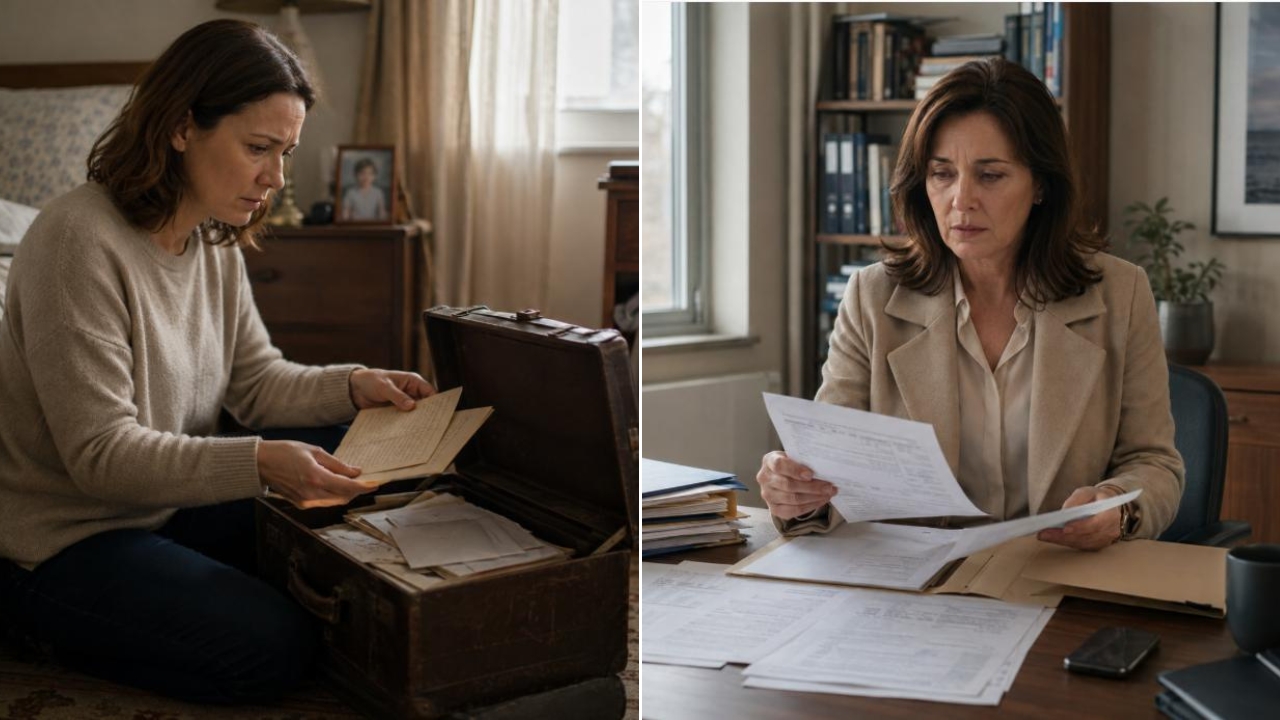
For more than half a century, millions of Americans believed they knew Minnie Pearl.
They knew the wide straw hat covered in flowers.
They knew the famous $1.98 price tag dangling from the brim.
They knew the plain country dress, the worn shoes, the stories from Grinder’s Switch, and the endless search for a “feller” who somehow never quite worked out.
And above all, they knew the greeting.
“How-DEE! I’m just so proud to be here!”

For generations of Grand Ole Opry listeners and Hee Haw viewers, Minnie Pearl felt less like a television personality than somebody’s eccentric aunt who happened to wander into the living room every week.
She seemed simple.
Country.
Unpolished.
Almost completely incapable of hiding what she was thinking.
But nearly everything about Minnie Pearl had been carefully created by a woman who was almost her exact opposite.
Her real name was Sarah Ophelia Colley.
She came from a prosperous Tennessee family.
She attended one of Nashville’s most prestigious schools for young women.
She studied theater, dance and dramatic performance.
She loved literature and culture.
She moved comfortably through Nashville society and eventually lived next door to the Tennessee governor’s mansion.
And when she first dreamed of becoming an actress, comedy wasn’t even the destination she had in mind.
She wanted serious theater.
Minnie Pearl was supposed to be little more than a character she played along the way.
Instead, the character swallowed the career Sarah Colley thought she wanted and gave her something far greater.
But the most surprising part of her story isn’t that Minnie Pearl wasn’t real.
It is that after spending decades behind that ridiculous hat, Sarah Cannon never became cynical about the people who loved it.
The deeper you look beneath the costume, the kinder the story becomes.
Before Minnie Pearl, There Was Sarah
Sarah Ophelia Colley was born on October 25, 1912, in Centerville, Tennessee, roughly fifty miles southwest of Nashville.
She was the youngest of five daughters.
Her father was involved in the lumber business and the family was prosperous before the Great Depression damaged its finances. Her upbringing was far removed from the backwoods poverty audiences would later associate with Minnie Pearl.
Sarah grew up surrounded by expectations of education, proper behavior and culture.
She was bright, theatrical and drawn to performing from an early age.
But she did not dream of standing onstage telling jokes about country relatives.
She wanted to act.
After high school, Sarah attended Ward-Belmont College in Nashville, an institution known for educating young women from prominent Southern families. She studied what was then called “expression” — a combination of theater, speech, movement and related dramatic arts.
Everything about that education seemed to be preparing her for a refined theatrical career.
There was only one problem.
Sarah had a gift that didn’t fit neatly into the future she had imagined.
People laughed at her.
Not because she was untalented.
Because she was naturally funny.
She could perform seriously and still somehow find the place where an audience wanted to laugh.
It wasn’t initially the gift she wanted.
Years later, it would become the gift that defined her life.
After college, Sarah searched for a way into professional theater. Eventually, she joined the Wayne P. Sewell Producing Company, an Atlanta-based organization that sent directors into small Southern communities to stage amateur theatrical productions.
At first glance, it hardly resembled the glamorous acting career she had imagined.
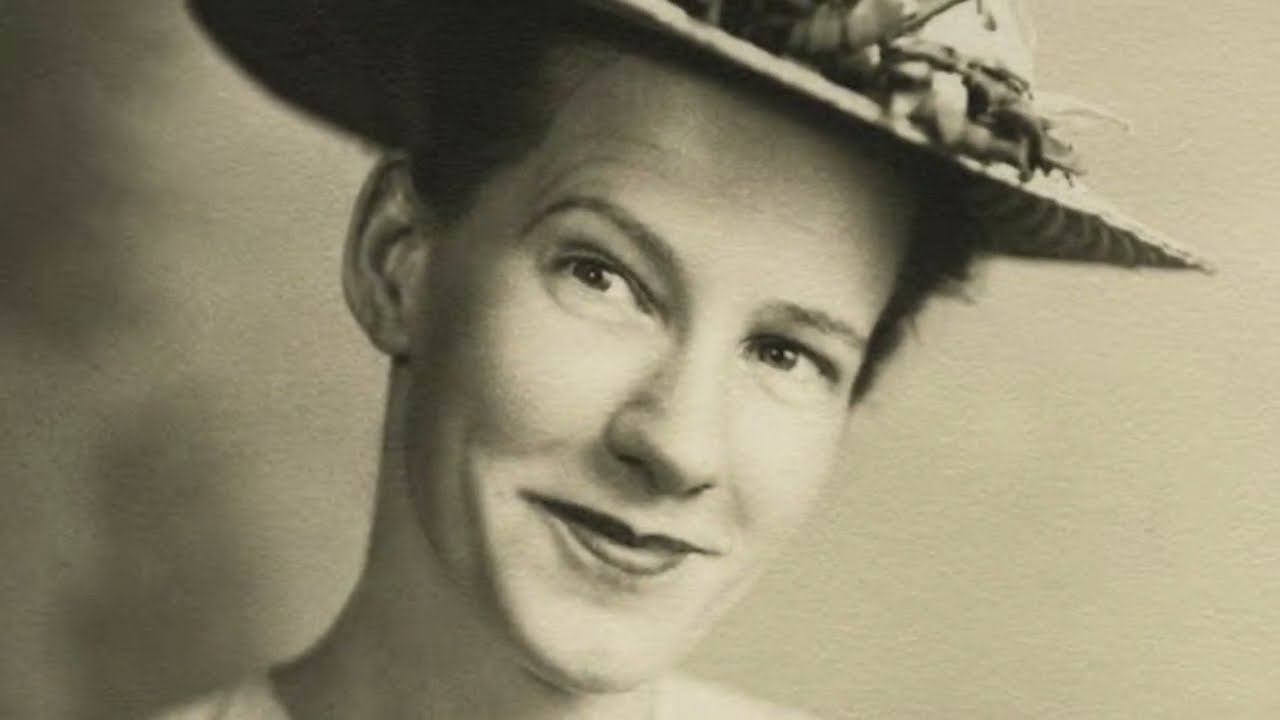
Instead of Broadway dressing rooms, Sarah found herself traveling through towns across the South, working with local people in church halls, schools and civic clubs.
Yet those years gave her something no classroom could have provided.
She listened.
The People She Once Observed Became the People She Loved
Sarah spent years traveling through rural communities, staying among the very people who would later inspire Minnie Pearl.
She heard their expressions.
She watched their mannerisms.
She listened to family stories around dinner tables.
She discovered the rhythm of country humor — the exaggeration, gossip, embarrassment, pride and ability to laugh at hardship.
And gradually, something changed.
Sarah wasn’t simply gathering material.
She developed genuine affection for the people around her.
That distinction would become enormously important.
Because Minnie Pearl could easily have become cruel.
A sophisticated, educated woman putting on a rural accent and pretending to be an unsophisticated country girl could have looked like mockery.
But Sarah eventually understood that the difference between laughing at somebody and laughing with somebody was everything.
While working in northern Alabama, she met an elderly country woman whose speech, humor and personality stayed with her.
Sarah began combining elements of that woman with traits she had noticed in many other people during her travels.
Minnie Pearl slowly emerged.
She wasn’t a portrait of one particular person.
She was a composite.
A hopeful country woman.
A gossip.
A romantic.
A woman forever chasing a husband and forever willing to tell complete strangers exactly what had gone wrong.
But Minnie was not mean.
She was not stupid.
Most importantly, she never believed herself beneath anybody.
That was Sarah’s secret ingredient.
Minnie Pearl might make herself ridiculous.
She would never make rural people seem worthless.
Then Came the Character Sarah Thought Would Be Temporary
In April 1939, Sarah made an early professional appearance as Minnie Pearl at a women’s club event in Aiken, South Carolina.
The costume was inexpensive and deliberately plain.
It helped tell the joke before Minnie said a word.
But one part of the legend did not happen quite the way many people later remembered it.
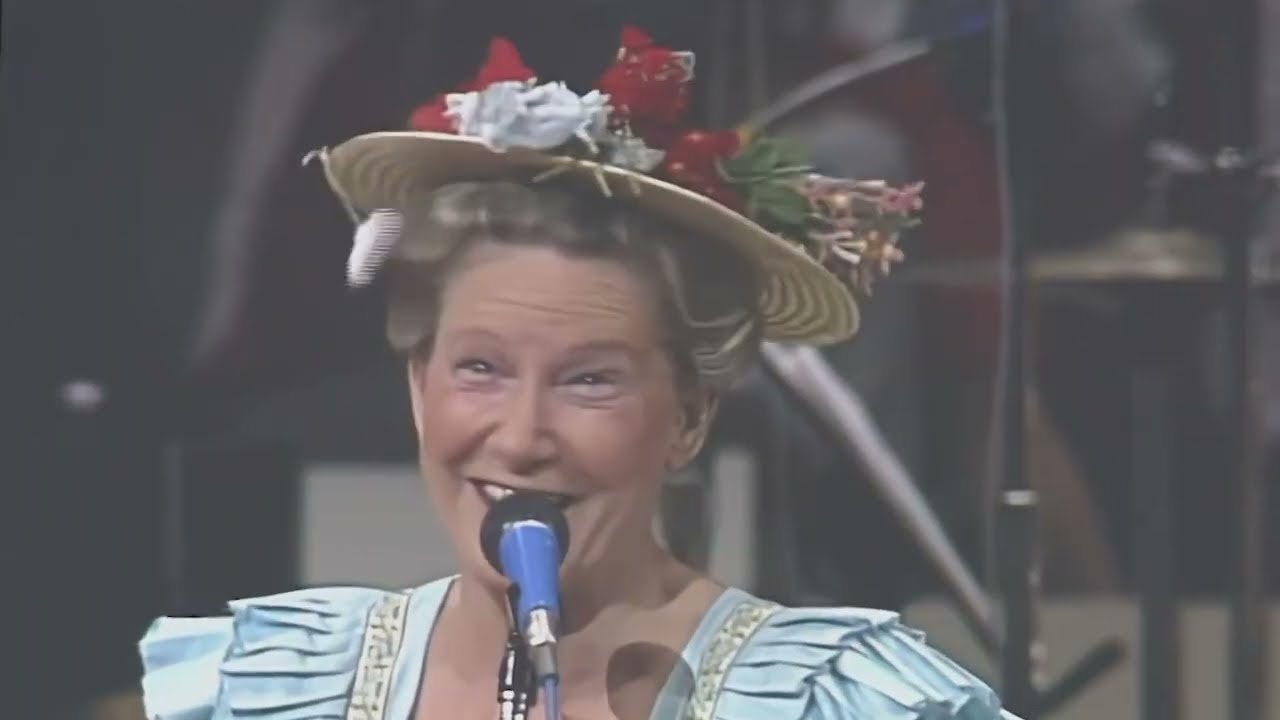
The famous $1.98 price tag was not yet hanging from her hat when she made her first Grand Ole Opry appearance.
In fact, when Sarah auditioned for the Opry on November 30, 1940, she appeared in ordinary street clothes.
She still saw herself as Sarah Colley, serious actress, temporarily performing a comedy character.
She had been given only a few minutes.
It proved to be enough.
The audience responded.
Then the mail arrived.
Within a week of her debut, WSM reportedly received more than 300 cards, telegrams and letters addressed to Minnie Pearl.
The character Sarah considered temporary had found her audience almost instantly.
Soon Minnie was a regular.
And then came the object that would become inseparable from her.
While adding flowers to the inexpensive straw hat used in her costume, Sarah once failed to remove a price tag. During a performance, it slipped into view.
The audience laughed.
Sarah understood immediately.
She kept it.
Eventually the dangling $1.98 tag became one of the most recognizable pieces of wardrobe in American entertainment.
It looked accidental.
That was part of its genius.
Minnie was dressed in what she considered her best outfit, yet somehow remained unaware that the price was still hanging from her hat.
One tiny piece of cardboard told the entire story of the character.
The Joke Was Far More Sophisticated Than It Looked
People sometimes assume simplicity is easy to perform.
It isn’t.
Sarah spent years learning exactly how far Minnie could go.
The voice had to sound country without becoming contemptuous.
The clothes had to look unfashionable without making poverty itself the joke.
The romantic desperation had to be ridiculous without making Minnie pathetic.
And the stories had to feel familiar enough that listeners believed Grinder’s Switch might actually exist exactly as Minnie described it.
Sarah populated that imaginary world with relatives, neighbors, potential husbands and local characters.
Grinder’s Switch itself was inspired by a real railroad switching location near Centerville.
Week after week, Minnie arrived carrying new gossip from home.
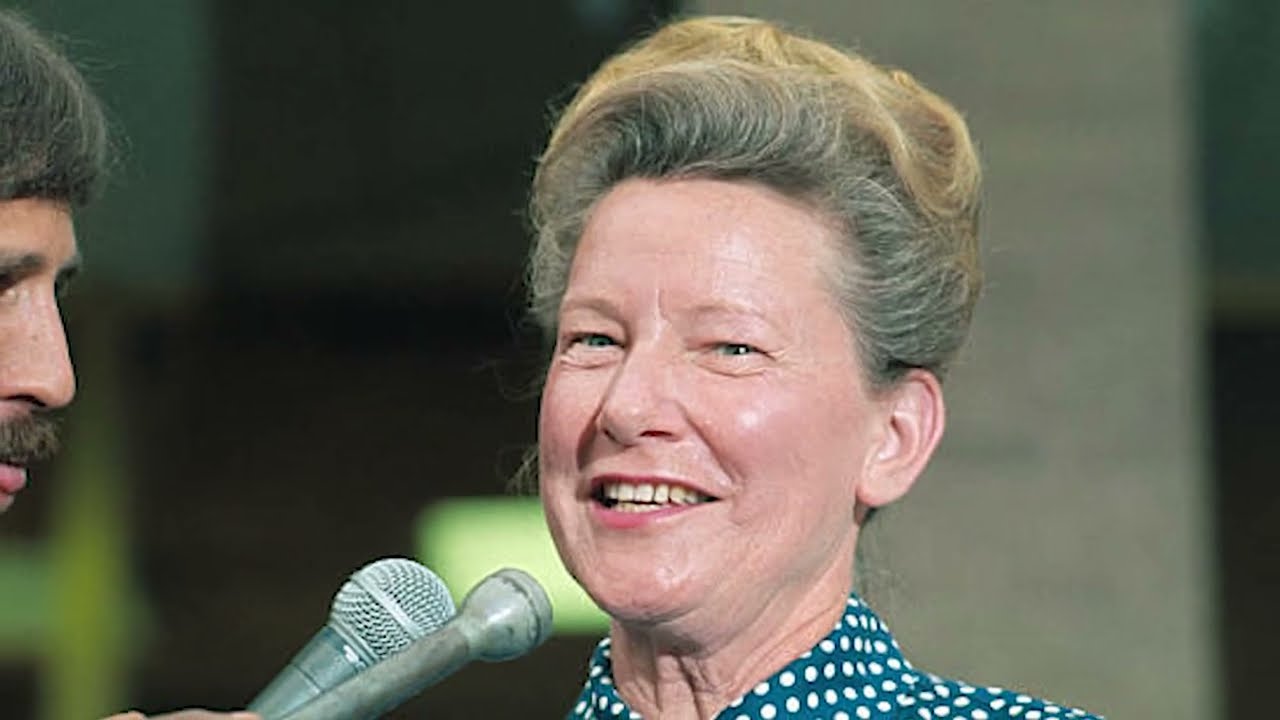
To audiences, it looked effortless.
Behind it was an actress trained in timing, movement, voice and character.
Sarah understood precisely when to pause.
When to smile.
When to allow the audience to get ahead of her.
When to act as if Minnie had absolutely no idea why everyone was laughing.
The unsophisticated country woman was being constructed by an extremely sophisticated performer.
And Sarah guarded one rule carefully:
Minnie could laugh at herself, but she would not ask audiences to despise the people she represented.
That is one reason the character survived.
Rural audiences recognized the exaggeration.
But many also recognized the affection underneath it.
Sarah wasn’t standing above them.
She was standing beside them.
America Fell in Love With Minnie
By the early 1940s, Minnie Pearl had become an important part of the Grand Ole Opry.
Radio carried her voice far beyond Nashville.
Before television reached most American homes, families gathered around radios on Saturday nights and heard the Opry traveling across the powerful WSM signal.
Minnie became a familiar visitor.
She wasn’t glamorous.
That was precisely the point.
As the world moved through war, social change and enormous technological transformation, Minnie remained reassuringly familiar.
She always had another story.
Another romantic disappointment.
Another piece of gossip.
Another enthusiastic greeting.
And for people listening from kitchens, porches and parked cars, there was comfort in knowing exactly who would arrive.
Yet the woman who stepped away from the microphone remained very different.
Then in 1947, Sarah’s private life changed again.
She married Henry Cannon.
Minnie Couldn’t Find a Husband. Sarah Had Found Hers.
Henry Cannon was a former Army Air Corps pilot involved in the charter aviation business.
The irony was almost perfect.
Minnie Pearl spent years complaining about her inability to catch a man.
Sarah Cannon had a husband.
And he became one of the most important people in her career.
Henry eventually managed Sarah professionally and used his aviation experience to help move entertainers between performances.
His clients over the years included major country stars, and Sarah herself was naturally his most important passenger.
The marriage lasted for nearly half a century.
Offstage, Sarah increasingly became known in Nashville not as a desperate country spinster but as a gracious member of the community.
She attended church.
She supported charities.
She entertained friends.
She played tennis.
She eventually lived beside the Tennessee governor’s mansion.
The contrast could hardly have been greater.
On Saturday night, America saw Minnie Pearl, who seemed barely able to afford the hat on her head.
Away from the stage, Sarah Cannon could move comfortably among Nashville’s civic and social circles.
But calling this simply a “double life” misses something important.
Sarah wasn’t ashamed of Minnie.
And Minnie wasn’t a disguise Sarah secretly hated.
Over time, the two became inseparable parts of one woman.
Sarah could appreciate refinement without looking down on country culture.
She could move among Nashville society and then walk onto the Opry stage in a ridiculous dress without considering either world beneath her.
In a city where country music and older social institutions did not always understand one another, Sarah Cannon belonged comfortably to both.
Then Television Made Minnie Pearl Almost Immortal
Radio had created Minnie.
Television introduced her to another generation.
Sarah appeared on national programs throughout the 1950s and 1960s, but in 1969 she joined a new television show that would dramatically expand her audience.
Hee Haw.
The program was unapologetically rural, corny and cheerful.
Critics could dislike it all they wanted.
Millions of Americans watched.
For more than twenty years, Minnie Pearl became one of its most familiar faces.
Now something remarkable began happening.
People who had listened to Minnie Pearl on radio in the 1940s could sit beside their children — and eventually grandchildren — and watch her on television.
Styles changed around her.
Country music changed.
America changed.
Minnie barely did.
Same hat.
Same price tag.
Same hopeful search for romance.
Same unforgettable greeting.
That consistency was part of her appeal.
She represented a place audiences could return to.
By 1975, the entertainment industry formally acknowledged something her audiences had known for years.
Minnie Pearl was inducted into the Country Music Hall of Fame.
A woman who once wanted to escape comedy for “serious” acting had become one of the most important comedians in country entertainment.
But some of the strongest evidence of Sarah Cannon’s character happened when nobody was laughing.
Backstage, younger performers found a very different woman from the attention-hungry Minnie.
Sarah developed a reputation for encouraging newcomers.
She understood fear.
She understood walking onto a famous stage wondering whether the audience would accept you.
After decades of success, she apparently never forgot what those first few minutes at the Opry had felt like.
Then life gave her a challenge that no comic timing could control.
In 1985, The Woman Who Always Seemed Happy Heard the Word “Cancer”
Sarah Cannon was in her seventies when she was diagnosed with breast cancer.
The woman who had spent decades promising audiences that she was “so proud to be here” suddenly faced a brutal reminder of how uncertain “being here” actually was.
She underwent major treatment, including surgery on both breasts.
It was frightening.
It was physically demanding.
And it would have been understandable if she had simply withdrawn.
She didn’t.
Sarah eventually spoke publicly about what had happened to her.
She encouraged women to take breast cancer screening and early detection seriously.
She worked with cancer organizations and became associated with the Nashville medical center where she had received treatment.
The name that had once been hidden beneath the Minnie Pearl character now took on a different public meaning:
Sarah Cannon.
Her name became associated with cancer care.
This is where the old greeting begins to sound different.
For decades, “I’m just so proud to be here” had been a punch line and a welcome.
After cancer, it carried another truth.
Sarah knew exactly how precious being here could be.
Yet audiences continued receiving the same warmth from her.
She did not build a new identity around illness.
She did not turn every appearance into a story about suffering.
She kept working.
She kept laughing.
She also used the experience to encourage other women not to ignore their own health.
The joy wasn’t fake.
It simply wasn’t the whole story anymore.
The Hat Stayed On Until Her Body Finally Said Enough
Sarah Cannon continued performing after cancer.
By then she had already spent half a century giving audiences Minnie Pearl.
She once expressed a desire to keep going as long as her health allowed.
In June 1991, that question was answered for her.
After giving what would become her final public performance in Joliet, Illinois, Sarah suffered a serious stroke two days later.
Her performing career was over.
After more than fifty years, Minnie Pearl’s voice went quiet.
For audiences who had grown accustomed to her seeming permanence, it was difficult to imagine the Opry without her.
She had been there through enormous changes in American entertainment.
Radio’s golden years.
The rise of television.
The explosion of modern country music.
The Hee Haw era.
Stars had arrived, become legends and disappeared while Minnie Pearl remained.
Now she could no longer step beneath the lights.
The following year brought one final national honor.
In 1992, Minnie Pearl was named a recipient of the National Medal of Arts.
The stroke prevented Sarah from attending the White House ceremony.
There is something painfully fitting about that.
One of the country’s great performers received one of America’s highest artistic honors only after her body had taken away her ability to perform.
She spent her remaining years out of the spotlight.
On March 4, 1996, Sarah Ophelia Colley Cannon died after years of declining health following her strokes.
She was 83.
The hat remained.
The price tag remained.
The recordings remained.
But the woman underneath them was gone.
And Yet There Was No Dark Secret Waiting Beneath the Hat
Celebrity stories often follow a familiar pattern.
We meet a beloved public figure.
Years later, someone promises to reveal who that person “really” was.
And usually the expectation is ugly.
A secret feud.
A hidden addiction.
Cruelty.
A sham marriage.
A private personality completely at odds with the person audiences loved.
Minnie Pearl’s story does contain a hidden contrast.
But it is not that kind of story.
There is no well-documented scandal at the center of Sarah Cannon’s life that suddenly explains away the warmth audiences saw.
The surprise is gentler.
The country woman who seemed almost comically unsophisticated was created by a highly educated actress.
The hopeless spinster was played by a woman whose marriage lasted nearly fifty years.
The woman in the cheap hat moved comfortably in Nashville society.
The performer who acted as though she barely understood what was happening around her knew exactly how comedy worked.
And the woman whose career depended on making rural Americans laugh never forgot to protect their dignity.
Sarah Cannon did not spend fifty years secretly laughing at Minnie Pearl.
She loved her.
And she loved the people who loved Minnie.
Perhaps that is why the character survived for so long.
The $1.98 Price Tag Meant More Than Anyone Realized
Today, Minnie Pearl’s hat looks almost absurdly simple.
A straw hat.
Artificial flowers.
A dangling price tag.
No expensive costume designer could have invented a more recognizable symbol.
But look at it again knowing the woman underneath.
Sarah had been trained to speak properly.
She had studied theater.
She understood presentation.
She knew Nashville society.
She knew exactly what clothing communicated before a performer spoke.
Then she put on a hat that announced its price to the entire room.
$1.98.
It told the audience Minnie had tried to look impressive.
And failed.
But Minnie never knew she had failed.
She walked onto the stage bursting with confidence anyway.
That may be why people loved her.
Minnie Pearl was never embarrassed to be Minnie Pearl.
She didn’t need the fanciest dress.
She didn’t need sophistication.
She didn’t need to win the man.
She simply arrived, threw up her hand and announced how happy she was to see everybody.
And somehow Sarah Cannon — the educated woman who could have regarded the whole character as beneath her — understood that there was dignity hidden inside that foolishness.
Minnie was ridiculous.
She was also joyful.
Maybe America Knew Sarah Better Than It Realized
For decades, audiences saw only fragments of the woman beneath the character.
The actress.
The wife.
The church member.
The Nashville neighbor.
The mentor.
The cancer advocate.
The woman who had survived illness and kept walking beneath the lights.
But perhaps the distance between Sarah and Minnie was never as large as it looked.
The accent belonged to Minnie.
The price tag belonged to Minnie.
Grinder’s Switch belonged to Minnie.
But the warmth?
That belonged to Sarah.
The affection for ordinary people?
Sarah.
The instinct to make a frightened newcomer feel welcome?
Sarah.
The determination to walk onto a stage and give an audience joy even when life outside the theater was difficult?
That was Sarah too.
She had spent years creating a fictional woman, but the quality audiences loved most may have been the one thing she never invented.
Kindness.
That is why the truth behind Minnie Pearl works better without a scandal.
America did not discover that a beloved character was secretly a lie.
It discovered something much better.
The woman beneath the hat may have been even more remarkable than the woman wearing it.
For more than fifty years, Sarah Cannon walked onto stages pretending to be a country spinster who had very little and wanted everyone to know everything about her.
In reality, she was educated, private, disciplined and far more complicated.
But every time she raised her hand and told the crowd she was proud to be there, one part of the performance required no acting at all.
She meant it.
And maybe that is why, decades after her voice went silent, people who remember Minnie Pearl can still hear that greeting before they even see the hat.
The world changed.
The Opry changed.
Country music changed.
But somewhere in American memory, a woman in a flower-covered straw hat is still walking toward the microphone.
The $1.98 tag is swinging from the brim.
Her hand is already in the air.
And for just a moment, everyone in the room knows exactly what comes next.