For years, Michael Anthony was the easiest member of Van Halen to overlook.
David Lee Roth commanded the front of the stage.
Alex Van Halen attacked the drums.
And Eddie Van Halen changed the way an entire generation thought about the electric guitar.
Michael?
He stood slightly behind them, smiling, singing those impossibly high harmonies and holding together the bottom end while chaos exploded around him.
He rarely demanded attention.
He rarely started public fights.
And even after his relationship with Van Halen deteriorated badly enough that he was eventually replaced by Eddie’s son Wolfgang, Michael spent years refusing to turn the story into a personal war.
That restraint is what makes his story so remarkable.
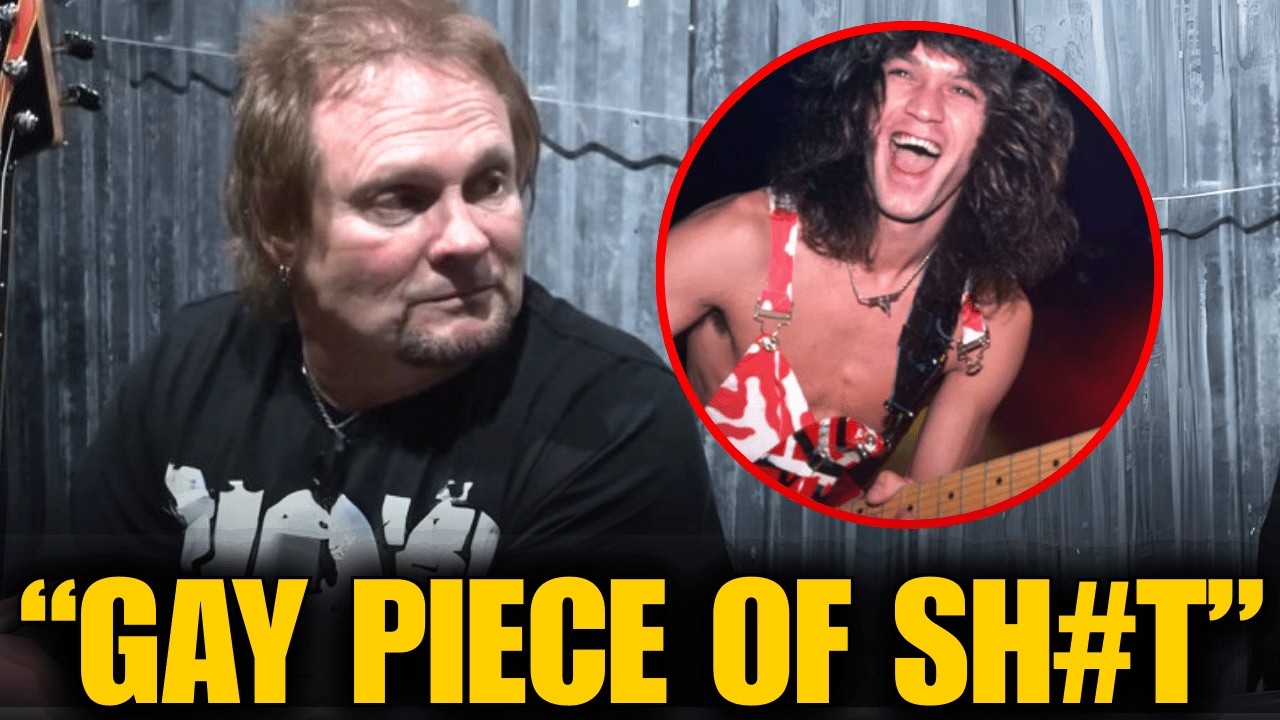
Because when you trace what actually happened — the money disputes, the changing business arrangements, the 2004 reunion he nearly wasn’t allowed to join, Eddie’s later public criticism and Michael’s eventual disappearance from the lineup — a much more complicated picture emerges.
Not simply of one musician betraying another.
But of four young men who once shared almost everything becoming a giant business where friendship, family loyalty and money became increasingly difficult to separate.
Now in his seventies, Michael Anthony still talks about those years.
But he doesn’t sound like a man trying to destroy Eddie Van Halen’s memory.
If anything, he often sounds like a man who wishes the ending had been different.
And perhaps that hurts more.
Before Van Halen Was Van Halen, Michael Anthony Was Just Another Kid Trying to Play
Michael Anthony Sobolewski was born in Chicago in 1954 and grew up in California.
Music entered his life early.
His father played trumpet, giving young Michael a foundation very different from the hard-rock world he would later inhabit.
By his teenage years, however, electric guitars had taken over.
Michael gravitated toward bass.
He listened to players such as Jack Bruce and John Paul Jones and began performing in local bands around Southern California.
One of them was called Snake.
At the same time, another group was beginning to attract attention around Pasadena.
They were called Mammoth.
At its center were two brothers.
Eddie and Alex Van Halen.
The brothers had already been playing together for years, developing a connection that Michael would later describe as unlike almost anything he had ever seen.
They weren’t simply two musicians in a band.
They operated as a unit.
That bond would become one of Van Halen’s greatest strengths.
Years later, it would also matter enormously when disagreements began.
But in those early days, nobody was thinking about royalty contracts or legacy.
They were young musicians trying to get gigs.
Michael crossed paths with Mammoth through the local scene, and eventually became their bassist after original bassist Mark Stone left.
David Lee Roth was already there.
By the mid-1970s, the classic Van Halen lineup had taken shape.
Eddie.
Alex.
Dave.
Mike.
Four personalities who couldn’t have been more different.
And somehow, together, they worked.
Michael Anthony’s Contribution Was Easy to Miss—Until You Took It Away
Michael was never going to compete with Eddie Van Halen for attention.
Nobody could.
Eddie’s playing was the event.
His tapping technique, tone, rhythm work and complete fearlessness turned him into a guitar hero almost immediately after Van Halen’s first album arrived in 1978.
Roth was equally impossible to ignore.
He had the athleticism, jokes, hair, screams and confidence of a man convinced every building he entered had been constructed specifically so he could perform in it.
Michael’s job was different.
He stabilized everything.
His bass locked into Alex’s drums while Eddie moved in and out of conventional rhythm playing.
But the contribution that became perhaps even more distinctive was his voice.
Those enormous, high backing harmonies on records like “Runnin’ with the Devil,” “Dance the Night Away,” “Jamie’s Cryin’” and countless others were central to the classic Van Halen sound.
Fans may not have known whose voice they were hearing.
But they knew when it was missing.
Van Halen could sound impossibly heavy one second and almost like a California pop group the next.
Michael Anthony was a huge reason why.
He was also, during the band’s early rise, more than simply an employee.
The group had been structured around shared participation in its success.
They were young.
They were becoming rich.
And for a while, they appeared to be climbing together.
Then Van Halen became enormous.
And enormous bands tend to develop enormous problems.
1984 Made Van Halen Superstars—and Changed the Business Behind the Band
By the time Van Halen released 1984, they were no longer a hungry club band.
They were one of the biggest rock groups in America.
“Jump” went to No. 1.
“Panama” became unavoidable.
“Hot for Teacher” became an MTV landmark.
The tour was massive.
Money was pouring in.
From the outside, this should have been the moment when everything finally worked.
Behind the scenes, it was almost the opposite.
David Lee Roth and Eddie Van Halen were moving in different creative directions.
Personalities were colliding.
And the financial structure of the band became another source of tension.
Years later, former Van Halen manager Noel Monk described one episode from the 1984 tour that has become central to Michael Anthony’s story.
According to Monk, Anthony was pressured into signing an agreement that reduced or eliminated important songwriting and royalty rights beginning with the 1984 material.
Monk’s version is severe.
He later said Anthony had effectively signed away millions.
But an important distinction matters here:
That is Noel Monk’s account of what happened.
The surviving people involved have not all described that moment in exactly the same way, and the complicated history of Van Halen’s publishing and business agreements has generated arguments among fans for decades.
What is clear is that Michael’s financial and ownership position changed over time.
And Michael, by his own later admission, was not someone naturally inclined to fight everyone around him.
He wanted to play.
He wanted the band to continue.
That personality trait would become increasingly important.
Because when Van Halen fractured, Michael often found himself standing between much stronger personalities.
Eddie and Alex had each other.
Dave had his own power as the frontman.
And Michael?
Michael tended to keep the peace.
When David Lee Roth Left, Michael Stayed
In 1985, David Lee Roth left Van Halen.
For most groups, losing a singer that famous would have been fatal.
Instead, Van Halen hired Sammy Hagar.
The change could easily have collapsed the band.
It didn’t.
The first Hagar-era album, 5150, went to No. 1.
So did OU812.
Then For Unlawful Carnal Knowledge.
Then Balance.
Van Halen became one of the rare superstar rock bands to survive a massively important lead-singer change and continue filling arenas.
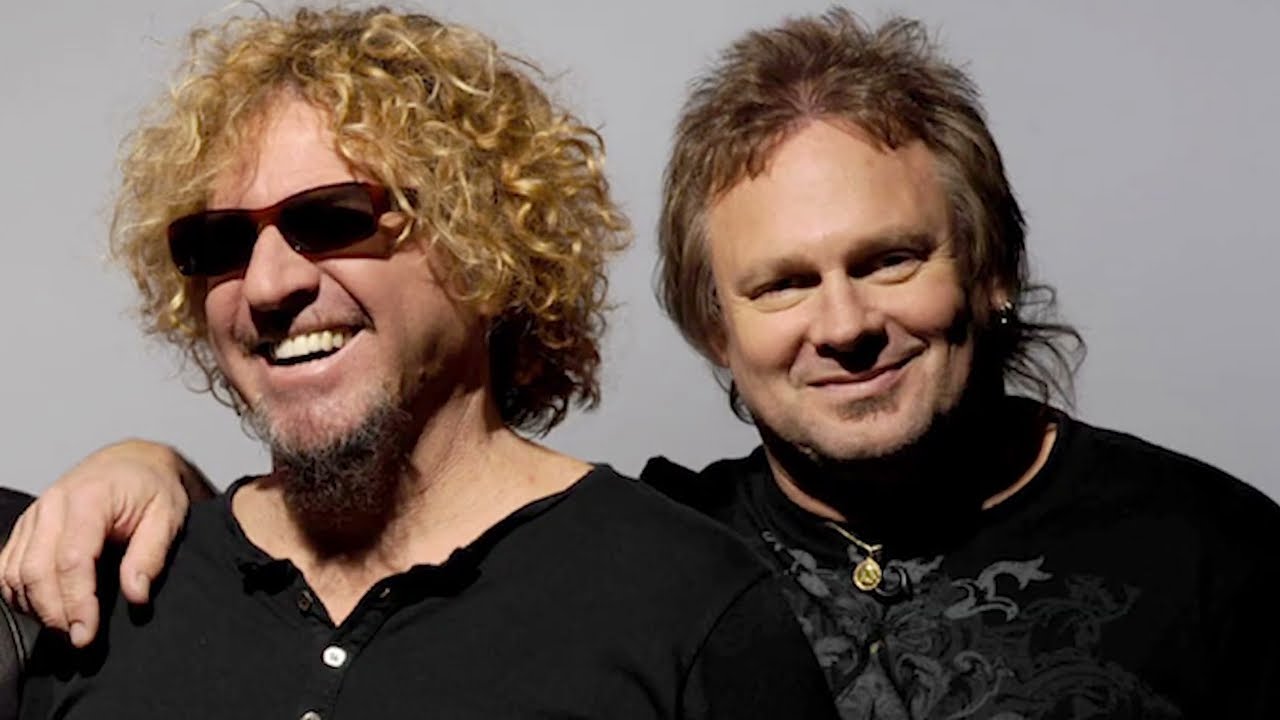
For Michael Anthony, the Hagar years also created one of the most important relationships of his life.
He and Sammy became close.
Not simply bandmates.
Friends.
That friendship would later put Michael in an increasingly uncomfortable position with the Van Halen brothers.
When Sammy eventually left the band in the 1990s, Michael remained involved with Van Halen.
But the center was becoming less stable.
Gary Cherone arrived.
Van Halen III followed in 1998.
And Michael’s role on the album was noticeably reduced, with Eddie playing bass on much of the record.
The bassist who had appeared on every Van Halen album from the debut onward was slowly becoming less essential inside the band itself.
Still, Michael stayed.
Then came 2004.
And this time, Michael would later tell the story himself.
Michael Anthony Accepted Less Money Just to Be There
When Van Halen reunited with Sammy Hagar for a 2004 tour, fans expected to see the familiar Hagar-era lineup.
But according to Michael, his participation was not guaranteed.
In a 2006 interview, he said Eddie had not originally wanted him involved.
Michael had remained friendly with Sammy and had played with him outside Van Halen.
He believed this had angered the Van Halen brothers.
So when the reunion came together, Michael said he had to negotiate separately in order to participate.
He also said something that reveals more about his personality than almost any angry accusation could.
He accepted less money.
Why?
Because he was worried this might be the final Van Halen tour.
If it was, he said, he would regret sitting at home while everyone else went onstage.
Money mattered less to him than being there.
He said he did it for the fans.
That one decision changes the emotional center of the story.
Michael Anthony was not demanding a larger share to return to the band.
He was willing to accept a smaller one because he couldn’t bear the thought that Van Halen might play its final shows without him.
Think about that.
A man who had helped create the band’s classic sound was negotiating downward just to remain part of it.
He went on the road.
He sang the songs.
He played the bass.
But the reunion did not repair everything.
The relationships remained damaged.
And soon, Van Halen would move on without him.
Wolfgang Van Halen Took His Place
By 2006, Michael Anthony was no longer part of Van Halen’s future.
Eddie’s son Wolfgang would become the band’s bassist.
Wolfgang was still a teenager.
For Eddie, the decision offered something extraordinary: the chance to stand onstage with his own son while playing the music that had defined his life.
Seen from Eddie’s perspective, there was an understandable emotional pull.
Seen from Michael’s perspective, it was devastating.
He had spent roughly three decades in the band.
His bass and voice were on the records.
His face was in the photographs.
His history was inseparable from Van Halen.
And now the band was continuing without him.
Michael later said the deeper problem had been his continuing friendship with Sammy Hagar.
He believed Eddie and Alex regarded that loyalty as a betrayal.
Whatever combination of family, business and personal tensions produced the final break, the result was simple.
The classic bassist was out.
But Michael did not disappear.
In fact, the next chapter showed just how much music he still had left.
Losing Van Halen Did Not End Michael Anthony
Michael continued working with Sammy Hagar.
The two formed The Other Half and later became part of Chickenfoot with guitarist Joe Satriani and Red Hot Chili Peppers drummer Chad Smith.
Chickenfoot was not a nostalgia exercise.
The group released new music and became successful on its own terms.
Michael later continued performing with Hagar in The Circle and in large-scale tours celebrating music from throughout their careers.
And every time those old Van Halen harmonies appeared, audiences were reminded of something that had been easy to underestimate.
Michael Anthony’s voice was unmistakable.
So was his chemistry with Sammy.
Outside Van Halen, Michael seemed freer.
The tension surrounding his status in the old band was gone.
He could simply play.
But then, in 2015, a new wound opened.
This one played out publicly.
Eddie Van Halen Said Something Michael Could Not Completely Ignore
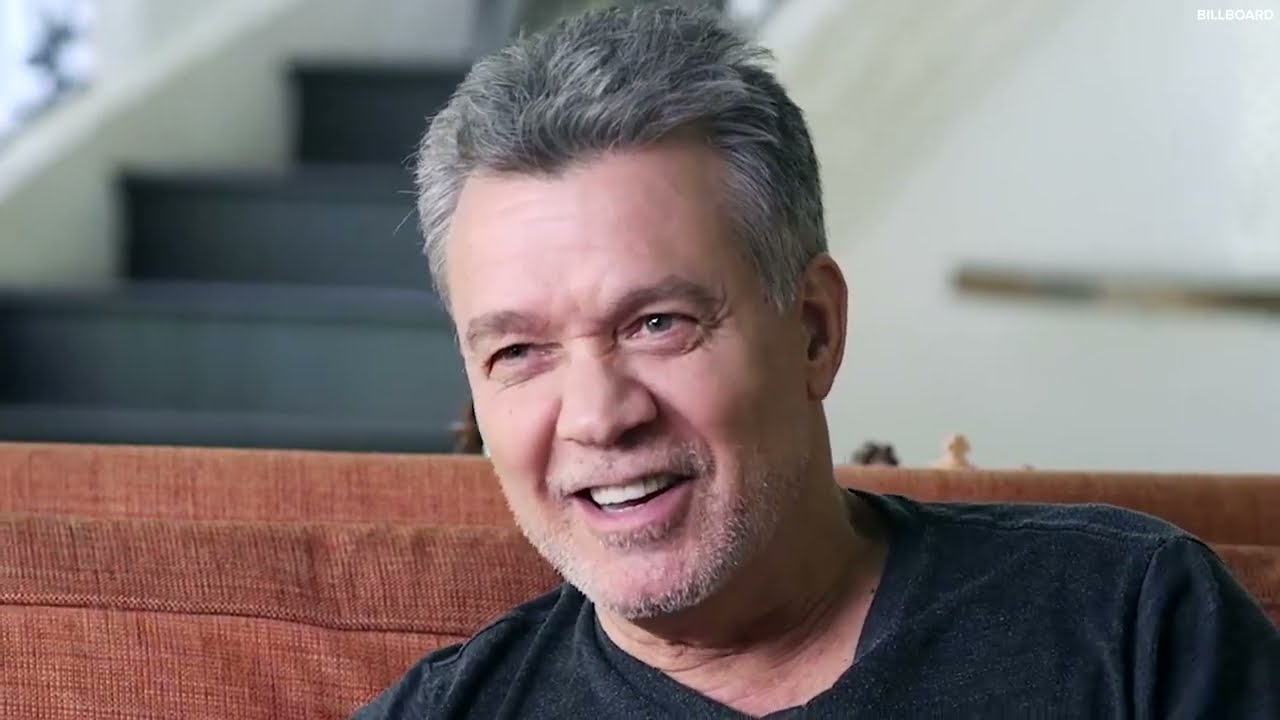
In a wide-ranging 2015 interview, Eddie Van Halen discussed Michael Anthony in terms that stunned many longtime fans.
Eddie claimed he had needed to show Michael the bass parts he played.
He also minimized the idea that Michael alone deserved credit for Van Halen’s trademark high harmonies, pointing out that Eddie also sang in the backing-vocal blend.
For fans who had watched Michael play for decades, the comments were explosive.
This was not an anonymous source.
It was Eddie Van Halen directly questioning the musicianship of the man who had played beside him during the band’s greatest years.
Michael could have responded with equal aggression.
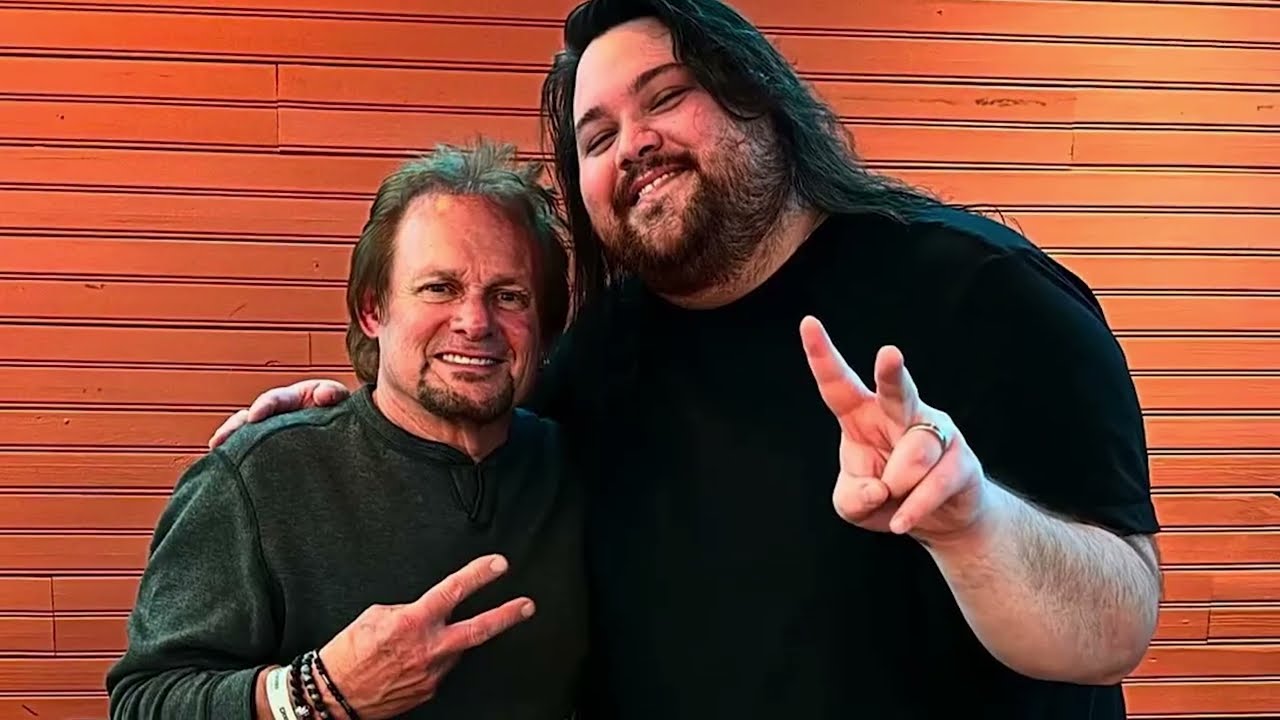
He didn’t.
Instead, his answer was measured.
He said he was proud that his bass playing and vocals had helped create Van Halen’s sound.
And then he explained why he had avoided the ongoing public mudslinging.
He believed it ultimately hurt the fans.
That response became very Michael Anthony.
No screaming headline.
No twenty-page attack.
No attempt to tell the world Eddie was a fraud.
Just:
I know what I contributed.
And then he moved on.
Sammy Hagar was considerably less restrained.
He publicly defended Michael and strongly rejected Eddie’s portrayal of his abilities.
But Michael himself stayed relatively diplomatic.
That did not mean the remarks didn’t hurt.
It meant he chose not to turn hurt into a permanent public war.
There Was One Reconciliation Michael Never Got
Eddie Van Halen died on October 6, 2020, after a long battle with cancer.
He was 65.
For fans, his death felt almost impossible.
Eddie had always seemed larger than ordinary life — forever smiling behind a striped guitar, forever finding some impossible new sound.
For the people who had actually known him, the grief was more complicated.
Michael Anthony had shared clubs, vans, hotel rooms, recording studios, arenas and huge portions of his adult life with Eddie.
Their relationship had ended badly.
There had been years of separation.
Public criticism.
Old grievances.
But death has a way of making all of that feel smaller.
In the years afterward, Michael spoke about the possibility of some kind of Van Halen tribute.
Discussions did happen.
Michael later confirmed that he had participated in conversations involving Alex Van Halen, David Lee Roth and longtime manager Irving Azoff.
Joe Satriani was also involved in discussions about potentially playing Eddie’s guitar parts.
The idea immediately excited fans.
Imagine it:
Alex.
Michael.
Dave.
Possibly Sammy.
Guest musicians.
One final celebration.
Not pretending Eddie could be replaced.
But acknowledging everything they had created together.
It never fully materialized.
And Michael’s comments about those discussions reveal something important.
He wasn’t demanding a lucrative reunion.
He talked about honoring the music.
About celebration.
About doing something worthy of Eddie.
He also understood that Alex was grieving.
At one point Michael said that when he and Alex spoke, they sometimes spent much of their conversation discussing family and what had happened with Eddie rather than planning shows.
Old bad blood, Michael suggested, was largely behind them.
That may be one of the quietest surprises in the entire story.
After everything that happened, Michael and Alex could still talk.
The Van Halen Brothers Had a Bond Michael Never Forgot
In 2026, Michael reflected again on the dynamic inside Van Halen.
He described Eddie and Alex as having an unusually powerful bond.
They supported one another.
Musically.
Personally.
Almost instinctively.
Michael said that even from the beginning, it often felt like the brothers and everybody else.
That observation doesn’t require turning Eddie and Alex into villains.
They were brothers.
They had emigrated from the Netherlands as children.
They grew up playing music together.
They learned to survive together.
Their loyalty to one another was part of the engine that created Van Halen.
But when conflicts arose inside the band, that same bond also meant the other members could find themselves on the outside.
Michael understood that better than most.
Maybe he always had.
Even Now, Michael Doesn’t Sound Like a Man Seeking Revenge
This may be the most surprising part of the story.
Michael Anthony is now in his seventies.
He has every reason to spend interviews settling old scores.
He could spend the rest of his career recounting every insult.
Every contract dispute.
Every dollar.
Every backstage argument.
Instead, when he talks about Van Halen today, nostalgia frequently wins.
In 2026, he discussed being involved in archival deluxe editions of the band’s material.
He described listening back to recordings he hadn’t heard in years.
He still participates in decisions about what sounds right and what belongs in those packages.
He is not pretending those years didn’t happen.
He is helping preserve them.
When asked about the possibility of unfinished Eddie Van Halen material being completed, Michael even suggested something surprisingly respectful.
Rather than bringing in a new singer and trying to manufacture a new version of Van Halen, he thought the material might work best as an instrumental tribute.
Let Eddie’s guitar be the focus.
Let the music honor him.
After everything that had happened between them, Michael Anthony was still thinking about how Eddie should be remembered.
That does not erase the past.
It doesn’t undo the business disputes.
It doesn’t change the 2004 arrangement.
It doesn’t make Eddie’s 2015 comments disappear.
It simply makes the story more human.
Michael Anthony Was Never Really the “Quiet Victim”
It is tempting to reduce his story to one simple idea.
Michael was nice.
The others took advantage of him.
Then they threw him out.
There is truth buried inside that interpretation, but reality was more complicated.
Van Halen was a business involving enormous money.
It was also a family drama involving two extraordinarily close brothers.
It was a creative partnership among musicians with different ideas about contribution.
And it lasted across decades in which all of them changed.
Michael made choices too.
He signed agreements.
He chose peace when confrontation might have protected him better.
He stayed loyal to Sammy even when that loyalty complicated his relationship with Eddie and Alex.
He accepted less money in 2004 because playing Van Halen music in front of the fans mattered to him.
Some people would call that weakness.
Michael seems to view it differently.
He knew what mattered to him.
And one of those things was always the audience.
The Sound Proved Harder to Erase Than the Man
For a period, Michael Anthony could be removed from the Van Halen lineup.
His role could be reduced.
His business arrangements could change.
His contribution could even be publicly questioned.
But there was one thing nobody could really rewrite.
The records.
Put on the first Van Halen album.
Listen to “Runnin’ with the Devil.”
Listen to the harmonies.
Listen to the way the bass sits underneath Eddie.
Move forward through Van Halen II, Women and Children First, Fair Warning, Diver Down, 1984, 5150, OU812 and beyond.
Michael Anthony is there.
History is stubborn that way.
People can argue about songwriting percentages.
They can argue about musicianship.
They can argue about who deserved what.
But they cannot remove a voice from a record people have been listening to for nearly fifty years.
And Michael’s voice is all over those records.
Maybe That Is Why His Story Still Matters
Michael Anthony was never Eddie Van Halen.
He never tried to be.
He wasn’t David Lee Roth either.
He didn’t need to own every room he entered.
His role was less dramatic.
Show up.
Play.
Sing.
Hold the thing together.
For years, that made him easy to overlook.
It also made him one of the most beloved people associated with the band.
Perhaps fans recognized something the business side of Van Halen sometimes forgot.
A band does not become legendary because one person is brilliant.
It becomes legendary because the right people are brilliant together.
Take away Eddie and there is no Van Halen.
That is obvious.
Take away Roth and the early records become something else.
Take away Alex and Eddie loses the drummer who had understood him since childhood.
And take away Michael Anthony?
The bass changes.
The harmonies change.
The personality changes.
The sound changes.
That doesn’t make Michael the secret genius behind Van Halen.
It doesn’t need to.
It simply means he mattered.
The Ending Michael Anthony Got Wasn’t the Ending He Wanted
There was never a final classic-lineup concert where everybody embraced.
There was no great televised reconciliation.
No moment when Eddie and Michael walked onto a stage and publicly explained away decades of tension.
Eddie died before that could happen.
For anyone who has lived long enough to lose somebody after an argument, that part may feel painfully familiar.
Sometimes there isn’t a final conversation.
Sometimes people assume there will be time.
Then suddenly there isn’t.
Michael Anthony cannot rewrite what happened inside Van Halen.
Neither can Alex.
Neither can Roth.
Neither can Wolfgang.
Neither can the fans.
But Michael can decide how he carries it.
And after all these years, he does not sound like a man obsessed with revenge.
He sounds proud.
Proud of the albums.
Proud of the harmonies.
Proud of the concerts.
Proud that four young men from Southern California somehow became one of the biggest rock bands in history.
There is hurt inside the story.
Clearly.
There were business decisions Michael wishes had gone differently.
There were words he did not deserve.
There was an ending that excluded him.
But there was also music.
And when Michael Anthony talks about that music now, the bitterness rarely gets the last word.
Maybe that is the real story.
Not that Michael Anthony finally “exposed” Eddie Van Halen.
Not that one man was innocent and another was evil.
But that fame turned a friendship into a business, a business into a battlefield, and four young musicians into people who sometimes forgot how much they had once needed one another.
Michael Anthony survived all of it.
He found new bands.
He kept playing.
He kept singing those harmonies.
And decades after being pushed away from Van Halen, he still speaks about Eddie’s unfinished music as something that should honor Eddie — not something that should be used to settle old scores.
The bass player who spent his career standing slightly behind everybody else never needed the final word.
The records already gave him one.
All you have to do is turn them up.