Sylvester Stallone Names The Five Actor He HATED Most
Long before Sylvester Stallone became Rocky Balboa, John Rambo or one of the biggest action stars in Hollywood, he found himself crammed into the back seat of a car beside another young actor.
The year was 1974.
The movie was The Lords of Flatbush.
The other actor was Richard Gere.
And according to Stallone, the thing that finally pushed their already tense relationship over the edge was not a script dispute.
Not money.
Not billing.
Mustard.
Gere was eating chicken covered in mustard.
Stallone warned him not to spill any on his pants.
The mustard fell anyway.
What happened next helped end Gere’s involvement in the film.
Decades later, Stallone still remembered the encounter vividly.
But Richard Gere was only one of several major Hollywood names Stallone would clash with during a career built on ambition, competition and an extraordinary need to control his own destiny.
Bruce Willis would provoke one of Stallone’s most public outbursts over money.
Kirk Douglas nearly altered the fate of John Rambo before walking away from First Blood.
And Arnold Schwarzenegger?
That was different.
Stallone himself eventually described what existed between them as “violent hatred.”
They tried to outperform each other.
Mock each other.
Derail each other.
Schwarzenegger even admits he once tricked Stallone into accepting one of the worst movies of his career.
Yet somehow, the man Stallone once hated simply for existing eventually became one of his closest friends.
That transformation may tell us more about Sylvester Stallone than the feuds themselves.
Because behind nearly every famous conflict in his career was the same quality that helped turn a broke actor with an unusual voice into a Hollywood institution:
Stallone hated losing.
Richard Gere: The Mustard Sandwich That Ended a Working Relationship
Today it sounds almost impossible.
Sylvester Stallone and Richard Gere were once supposed to appear in the same movie.
Neither was yet the movie star audiences know today.
Stallone had not written Rocky.
Gere had not made American Gigolo, An Officer and a Gentleman or Pretty Woman.
They were two ambitious young actors trying to establish themselves.
And according to Stallone, they disliked each other almost immediately.
Years later, Stallone was asked directly about Gere.
His answer was unusually candid.
The problems, he said, began during rehearsals for The Lords of Flatbush.
Gere was originally cast as Chico.
During improvisations, Stallone claimed Gere would become excessively physical with him — grabbing him, twisting his skin and continuing even after Stallone asked him to stop.
The irritation built.
Then came lunch.
The actors were sitting together in the back of a car.
Gere had chicken covered in mustard.
Stallone saw what was about to happen.
He warned him.
In Stallone’s recollection, he essentially told Gere that if the mustard landed on him, there would be consequences.
Gere challenged him.
Then the mustard dropped onto Stallone’s leg.
Stallone summarized what happened next with one word:
“Boom!”
He said Gere demanded to be let out of the car.
By then the relationship had deteriorated so badly that the production was faced with a choice.
Stallone remembered the situation this way:
“Either him or me.”
Stallone stayed.
Gere went.
Perry King ultimately played Chico.
It is tempting to turn the story into an elaborate Hollywood fistfight.
But Stallone’s own version is dramatic enough without embellishment.
Two actors who already could not tolerate one another.
One warning.
One mustard-covered piece of chicken.
One confrontation.
And one career path suddenly separating from another.
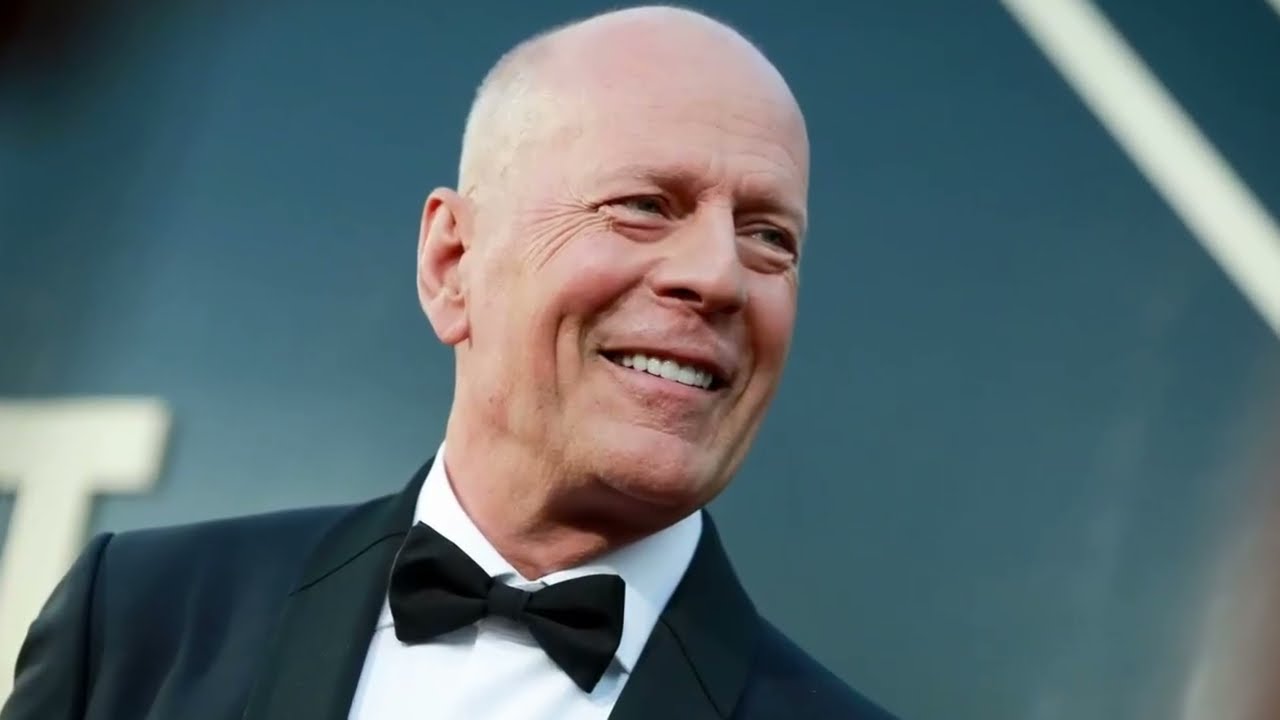
The irony is what happened afterward.
Gere became a major star.
So did Stallone.
Their careers repeatedly crossed in another curious way.
Stallone later said he had turned down several movies that eventually became closely associated with Gere, including American Gigolo, An Officer and a Gentleman and Pretty Woman.
Stallone joked that Gere was better suited to them because Gere was prettier.
The old hostility never developed into the kind of public reconciliation Stallone would eventually have with Arnold Schwarzenegger.
But the mustard story survived.
Why?
Because it captures something about the young Stallone that audiences would soon recognize.
He was enormously sensitive to being challenged.
He had spent too much of his early career being dismissed to casually surrender ground when he finally believed he had some.
Within two years, that quality would change his life.
Rocky Changed the Rules for Stallone
When Rocky became a phenomenon in 1976, Stallone was no longer simply an actor hoping someone would hire him.
He became something rarer.
An actor who could create his own future.
He had written the screenplay.
He had fought to play Rocky himself.
And the gamble worked.
Rocky became a box-office sensation and won Best Picture.
Stallone went from struggling actor to one of the most recognizable stars in America.
That success gave him leverage.
It also reinforced an instinct already visible in the Gere confrontation:
Trust your own vision.
Sometimes that instinct produced Rocky.
Sometimes it created conflict.
And a few years later, it would put Stallone opposite one of the biggest legends Hollywood had ever produced.
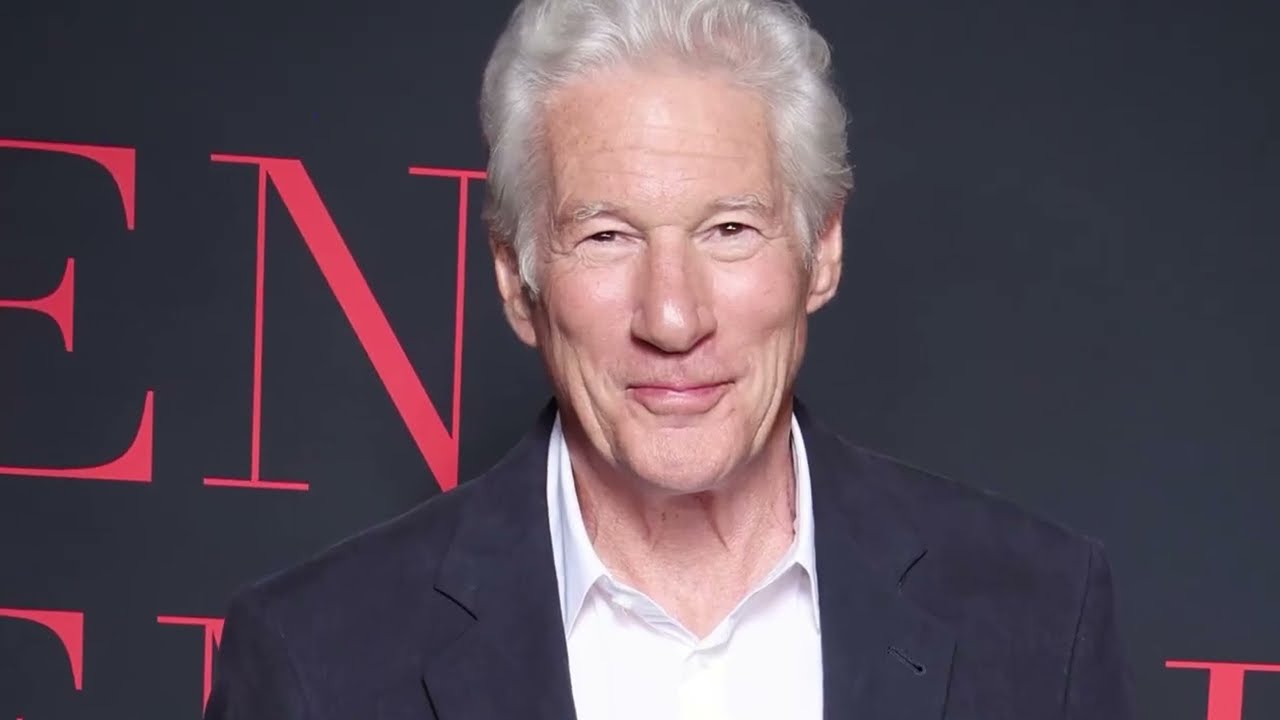
Kirk Douglas: The Legend Who Nearly Changed Rambo Forever
Kirk Douglas was not Richard Gere.
He was Hollywood royalty.
By the time First Blood entered production, Douglas had already made Spartacus, Paths of Glory, Ace in the Hole, Lust for Life and dozens of other films.
Stallone admired him.
That point matters.
Calling Kirk Douglas one of the actors Stallone “hated” would distort what actually happened.
This was not hatred.
It was something potentially more dangerous on a movie set:
two strong creative personalities who believed they understood the story better.
Douglas had been cast as Colonel Sam Trautman, the man who had trained John Rambo.
But First Blood had a complicated history long before cameras rolled.
David Morrell’s original novel ends very differently from the movie audiences eventually saw.
Rambo dies.
Early versions of the film retained the idea that the traumatized veteran would not survive his rampage.
Director Ted Kotcheff originally viewed the story as a tragedy — essentially Rambo on a suicide mission.
Douglas was attracted to that darker ending.
But once he arrived for production, another conflict appeared.
According to Kotcheff, Douglas began suggesting changes to his dialogue.
Then more changes.
Kotcheff and Stallone tried accommodating him.
They rewrote scenes after long days of filming.
Douglas still was not satisfied.
Kotcheff later recalled Douglas even discussing himself in the third person:
“Kirk Douglas should say this line.”
The production was already expensive.
Time mattered.
Eventually Kotcheff concluded that the constant revisions could derail the film.
He confronted Douglas.
The director told him they were making the script Douglas had agreed to perform.
If he wanted to perform that script, Kotcheff wanted him.
If not, he could leave.
Douglas answered in characteristically memorable fashion:
“Kirk’s leaving.”
And he did.
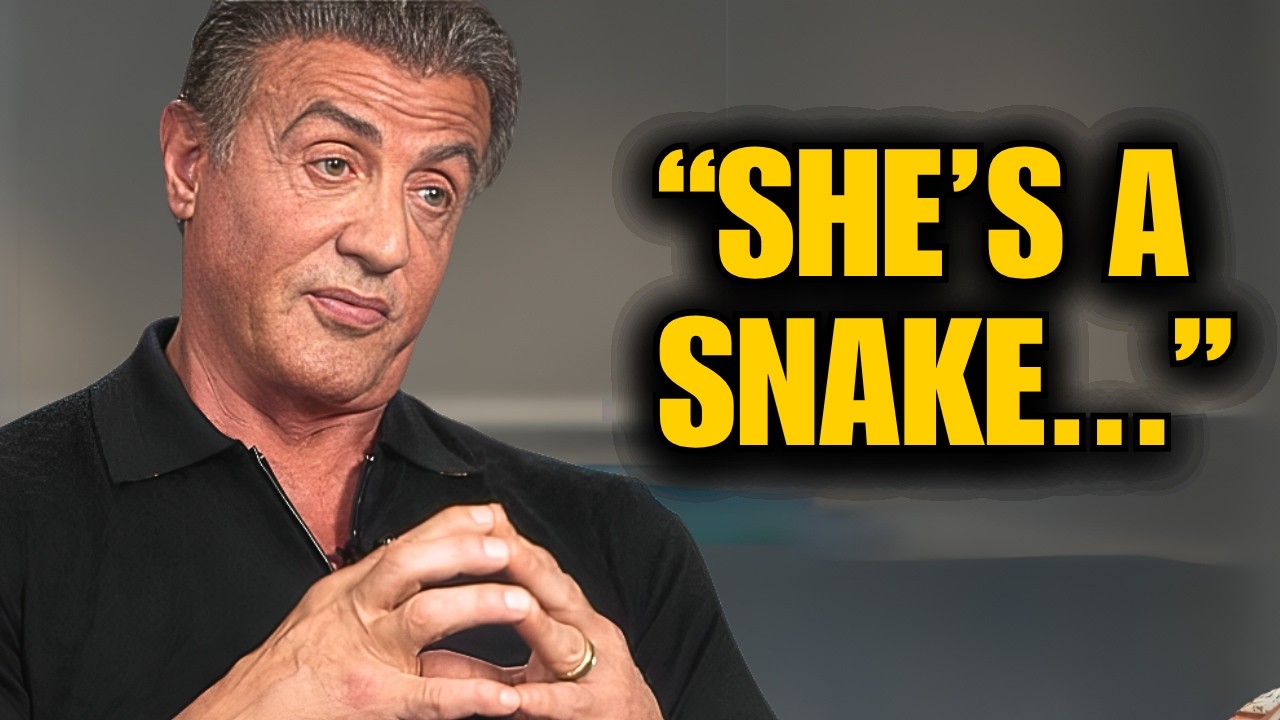
Richard Crenna Got the Call Almost Overnight
The filmmakers suddenly needed a Colonel Trautman.
Fast.
Richard Crenna got the call.
He later remembered receiving the script on a Saturday and being told the movie would begin for him almost immediately.
He flew in.
He played Trautman.
And the role became inseparable from him.
But the bigger creative battle over First Blood was not finished.
They actually filmed a version in which Rambo dies.
In that ending, Rambo tells Trautman that he created him and must now end his suffering.
Trautman cannot bring himself to pull the trigger.
Rambo forces the moment.
Stallone watched the result.
Then his instincts took over.
He believed audiences had spent the entire movie suffering alongside this damaged veteran.
Killing him at the end, Stallone argued, would feel wrong.
Kotcheff listened.
They created an alternate ending in which Rambo lives.
The alternate ending won.
That decision did more than change one movie.
It made every later Rambo sequel possible.
Had the original ending survived, there would have been no Rambo: First Blood Part II.
No Rambo III.
No Rambo in 2008.
No Last Blood.
One of Stallone’s two defining characters might have existed for a single film.
Kirk Douglas was not Stallone’s enemy.
In fact, Stallone later named Douglas among the actors who influenced him.
But their collision on First Blood demonstrates why Stallone could be so difficult to move once he believed he understood what audiences wanted.
That instinct made him rich.
It also meant that even a legend like Kirk Douglas could walk away.
Then Came the Age of the Action Superstar
By the 1980s, Stallone no longer merely had a successful career.
He had become an archetype.
Rocky.
Rambo.
Muscles.
Montages.
Headbands.
Explosions.
The decade transformed action stars into global brands.
And Stallone was near the center of it.
Then another man appeared.
An Austrian bodybuilder with an enormous physique, an unmistakable accent and ambitions every bit as large as Stallone’s.
Arnold Schwarzenegger.
This time, the conflict would not last for a few days on a movie set.
It would consume years.
But before Arnold became Stallone’s greatest rival, another major action star would eventually trigger one of Sly’s most public outbursts.
Bruce Willis: Four Days, Millions of Dollars and Two Furious Tweets
By the time Stallone created The Expendables, he understood nostalgia better than almost anyone in Hollywood.
The idea was simple and brilliant.
Take the action stars audiences had grown up with and put them together.
Stallone.
Jason Statham.
Jet Li.
Dolph Lundgren.
Arnold Schwarzenegger.
Bruce Willis.
And eventually even more familiar names.
For audiences who had spent the 1980s and 1990s watching these men destroy armies one movie at a time, The Expendables was almost a reunion tour.
Bruce Willis appeared in the first two films as Church.
But when the third movie came together in 2013, negotiations reportedly broke down.
According to contemporaneous reports citing people close to the production, Willis had been offered about $3 million for four days of filming.
He reportedly wanted $4 million.
Approximately one million dollars for each day.
The negotiation failed.
Willis was out.
Harrison Ford was in.
Then Stallone opened Twitter.
And Hollywood watched the explosion in real time.
First came the celebration:
“WILLIS OUT… HARRISON FORD IN !!!! GREAT NEWS !!!!! Been waiting years for this!!!!”
Then another message:
“GREEDY AND LAZY …… A SURE FORMULA FOR CAREER FAILURE.”
A representative confirmed that Willis was the target.
It was astonishingly blunt.
These were not anonymous sources gossiping about friction.
Stallone had publicly blasted one of the biggest action stars in the world.
But this feud is a perfect example of why the word “hate” needs to be used carefully.
Because the story did not end there.
Stallone Eventually Admitted He Was Wrong
About a year later, Stallone returned to social media.
His tone had completely changed.
He announced that he and Willis had reconciled.
His message was simple:
“Made up with BRUCE W. A stand up guy, my mistake….”
The feud that looked enormous in 2013 had burned out remarkably quickly.
And later, as Willis faced serious health problems, Stallone spoke publicly with affection and concern for him.
That makes the Willis chapter very different from Richard Gere.
This was an explosive dispute.
But it was not a permanent hatred.
It was frustration.
Money.
Pride.
A public outburst Stallone later regretted.
And perhaps maturity.
The young Stallone who drew a line in the sand with Richard Gere had become an older man capable of publicly saying:
My mistake.
Yet if Stallone’s disagreement with Willis was intense, it was still nothing compared with the rivalry that defined much of his prime.
Because with Arnold Schwarzenegger, Stallone did use the language of hate.
Stallone and Schwarzenegger: “We Had Violent Hatred”
There was a time when putting Sylvester Stallone and Arnold Schwarzenegger in the same room did not mean friendship.
It meant competition.
Stallone later described it with extraordinary bluntness:
“We had violent hatred.”
He said he hated the fact that Schwarzenegger was even on the planet.
Years later, he softened none of the central point.
“We really disliked each other immensely,” Stallone recalled.
Schwarzenegger has agreed.
“We hated each other,” Arnold said while reflecting on those years.
This was not a publicity invention created decades later.
The competition shaped how they approached their careers.
If one became more muscular, the other noticed.
If one carried a larger weapon, the other responded.
If one killed more villains, the other wanted a higher body count.
Each new movie became another scorecard.
Arnold had Conan the Barbarian.
Then The Terminator.
Stallone had Rocky.
Then Rambo.
Arnold made Commando.
Stallone returned with another Rambo.
Arnold made Predator.
Stallone had Cobra.
The rivalry became ridiculous.
And both men knew it.
They were not simply competing for roles.
They were fighting over an entire cultural identity:
Who was the biggest action star alive?
Their Competition Became Almost Childish
Looking back, Stallone and Schwarzenegger both laugh at how extreme things became.
But at the time, it mattered to them.
They criticized one another.
They compared physiques.
They compared box office.
They compared weapons.
They mocked each other’s films.
There was real professional respect underneath it, but respect did not prevent hostility.
Schwarzenegger later explained the strange psychology clearly.
He respected Stallone’s work.
Stallone respected his.
But each saw the other as the enemy.
Competition created performance.
It pushed both men.
The problem was that it eventually escaped the movie screen.
They began trying to derail each other.
And Schwarzenegger has admitted one example with enormous pleasure.
Arnold Set a Trap — and Stallone Walked Right Into It
In the early 1990s, Schwarzenegger was branching into comedy.
Twins had been a major success.
Kindergarten Cop showed that the enormous Terminator could make audiences laugh.
Then Arnold saw a script called:
Stop! Or My Mom Will Shoot.
He thought it was terrible.
According to Schwarzenegger, his reaction was essentially:
I am not making this movie.
Then he realized something.
What if Stallone thought Arnold wanted it?
Schwarzenegger began allowing word to circulate that he was interested.
Stallone heard about it.
And because the rivalry was still operating at full power, Stallone became interested too.
The two even spoke.
Stallone asked Arnold whether he was really considering the film.
Schwarzenegger said yes.
He made it sound like a terrific opportunity.
That was enough.
Stallone took the role.
The movie opened in 1992.
It was savaged by critics and became one of the films Stallone most openly regretted.
Years later, Schwarzenegger gleefully admitted the truth.
He had baited him.
Stallone had taken it.
Arnold’s strategy worked.
It might be one of Hollywood’s funniest examples of a rivalry influencing an actual multimillion-dollar movie.
And it reveals just how much Stallone wanted to beat him.
He did not merely want a good comedy.
He wanted the comedy Arnold Schwarzenegger supposedly wanted.
That was enough to cloud his judgment.
Stallone Never Forgot the Trap
Stallone eventually acknowledged what had happened.
He had been fooled.
The rivalry had reached a point where beating Arnold felt more important than evaluating the material calmly.
Today both men can tell the story and laugh.
At the time, it represented exactly how unhealthy the competition had become.
Schwarzenegger later said:
“We would do anything to derail each other.”
Anything.
That is a remarkable admission.
These were not two obscure actors fighting for one job.
They were among the most famous men on Earth.
Both were earning millions.
Both had international franchises.
Both had more success than almost any actor could reasonably expect.
And neither could stop looking over his shoulder to see what the other was doing.
Then something changed.
Not a movie.
A restaurant.
Planet Hollywood Did What Hollywood Couldn’t
In the early 1990s, Schwarzenegger became involved in Planet Hollywood, the celebrity-backed restaurant chain.
Then the idea arose that Stallone should become involved as well.
A shared lawyer helped connect them.
Schwarzenegger later admitted that by this point he had begun growing out of the craziness.
Maybe working together was not such a terrible idea.
Stallone joined.
So did Bruce Willis and other celebrities.
Suddenly the two enemies had a reason to travel together.
Promote together.
Appear together.
Talk.
The more time they spent together away from box-office competition, the more ridiculous the feud began to look.
Schwarzenegger later said Planet Hollywood helped transform the relationship.
They became friends.
Real friends.
Eventually, the two men who had tried to derail one another started making movies together.
Arnold appeared in The Expendables.
They starred opposite each other in Escape Plan.
The old rivalry became something they could joke about rather than live inside.
By the 2020s, the transformation was complete.
Schwarzenegger described Stallone as a great human being and said they had become almost inseparable.
Stallone spoke with similar warmth.
It is one of the more remarkable reversals in Hollywood history.
They Didn’t Stop Competing — They Just Stopped Hating It
Friendship did not erase their personalities.
Stallone remained competitive.
Arnold remained competitive.
Put them together and the teasing returned immediately.
But something fundamental had changed.
Neither needed the other to lose anymore.
That is an important difference.
During their peak, each man seemed to believe there was only room for one dominant action hero.
Age taught them otherwise.
There had always been room for both.
In fact, their rivalry may have helped both careers.
Stallone said the competition forced him to accelerate.
Schwarzenegger has said much the same thing.
Each gave the other a target.
Without Stallone, Arnold may not have pushed quite so hard.
Without Arnold, Stallone may not have felt the same pressure to escalate.
The rivalry that became unhealthy also produced energy.
And American movie audiences got some of the most memorable action films of the era because two absurdly competitive men refused to surrender ground.
That Is Why “Five Actors Stallone Hated” Misses the Better Story
Sylvester Stallone has certainly had feuds.
He has been angry.
Competitive.
Blunt.
Sometimes impulsive.
But Hollywood history becomes distorted when every disagreement is turned into lifelong hatred.
Richard Gere?
That was a genuine personal clash so severe that they could not remain in the same movie.
Bruce Willis?
A furious public business dispute that Stallone later apologized for.
Kirk Douglas?
A major creative battle with an actor Stallone nevertheless admired enormously.
Arnold Schwarzenegger?
That was the real thing.
Stallone himself called it “violent hatred.”
And even that eventually became friendship.
The differences matter.
Because when those distinctions disappear, the most interesting part of Stallone’s story disappears with them.
Every Clash Revealed a Different Stallone
The Gere confrontation showed the young Stallone.
Hungry.
Thin-skinned.
Territorial.
Ready to fight for his place before Hollywood had given him one.
Kirk Douglas revealed the creator.
Stallone was no longer willing simply to stand beside a legend and obey.
He had learned through Rocky that his instincts about audiences could be valuable.
So when the future of Rambo was at stake, he protected the version he believed in.
Bruce Willis revealed Stallone’s temper in the social-media age.
He could still explode.
Still take business personally.
But this time he also demonstrated something the younger Stallone rarely seemed comfortable doing publicly:
admitting he had gone too far.
And Arnold revealed the competitor.
Perhaps the purest version.
The man who measured himself against another alpha for years.
Who hated losing so much that he accepted a terrible movie partly because he thought his rival wanted it.
And eventually, the man capable of looking back and realizing the person he had treated as an enemy might actually understand him better than almost anyone else.
Arnold May Have Understood Stallone Because He Was So Similar
On the surface, they were easy to contrast.
Stallone was the New York outsider.
Arnold was the Austrian bodybuilding champion.
Stallone’s heroes suffered.
Arnold’s often seemed indestructible.
Rocky was emotional.
The Terminator barely spoke.
But beneath those differences, Stallone and Schwarzenegger were remarkably alike.
Both transformed bodies that Hollywood initially viewed as unusual into their greatest commercial assets.
Both understood self-promotion.
Both wanted control.
Both thought beyond acting.
Both were extraordinarily ambitious.
And both had arrived in Hollywood carrying accents and physical presences that conventional wisdom could easily have dismissed.
Perhaps that was the real source of the hostility.
They recognized too much of themselves in the other man.
Stallone did not fear that Arnold was completely different.
He feared that Arnold wanted exactly what he wanted.
And Arnold saw Stallone the same way.
In the End, Stallone’s Greatest Enemy Became His Friend
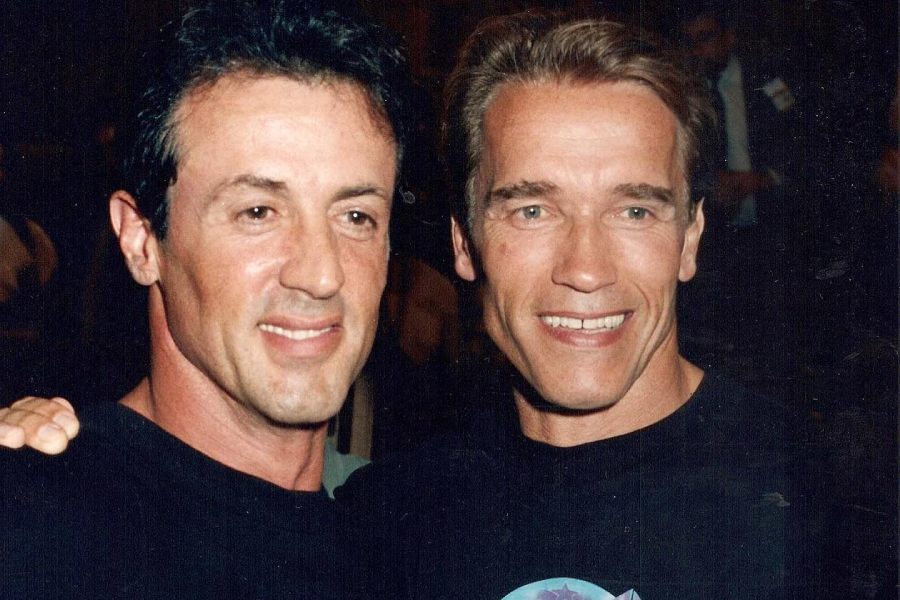
There is an old photograph of Stallone and Schwarzenegger together that would have seemed absurd during the height of the 1980s rivalry.
They are relaxed.
Smiling.
No competition visible.
No need to prove who has the larger arms.
No reason to count bodies or compare guns.
Just two older men who survived an industry that repeatedly replaces its stars.
That may be the best ending to the story.
Not because their feud was fake.
It wasn’t.
Both men have confirmed how ugly it became.
But because it eventually stopped mattering.
Stallone spent much of his career fighting.
Sometimes literally on screen.
Sometimes creatively.
Sometimes financially.
Sometimes because someone dropped mustard on his trousers.
Sometimes because another star represented everything he wanted to beat.
Those instincts helped make him successful.
They also created enemies.
Age seems to have taught him something Rocky Balboa might have understood all along:
Not every opponent has to remain an enemy.
Richard Gere went his way.
Kirk Douglas left First Blood, and Richard Crenna helped create a version of Trautman audiences loved.
Bruce Willis and Stallone made peace after an ugly public argument.
And Arnold Schwarzenegger — the rival Stallone once said he hated simply for existing — became the friend standing beside him decades later.
For all the punches Sylvester Stallone has thrown on screen, that may be one of the most unexpected turns in his career.
The man he tried hardest to defeat was ultimately the one who stayed.
And perhaps that is why Stallone and Schwarzenegger can laugh about those years now.
They both won.