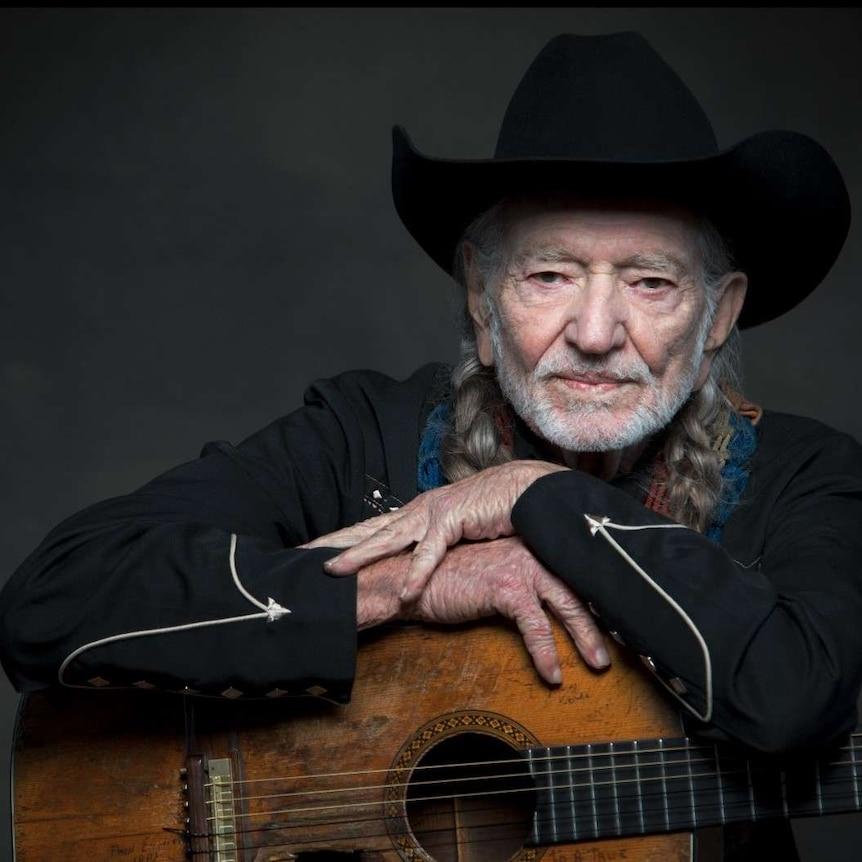
At 93, Willie Nelson has lived long enough to watch almost every kind of country music feud come and go.
He has spent more than seven decades in a business famous for rivalries.
Traditional country against pop country.
Nashville executives against outsiders.
Conservatives against liberals.
Young stars against legends who believed the music was losing its soul.
And Willie?
He has disagreed with plenty of people.
Argued with friends.
Rejected Nashville rules.
Played music with artists whose politics were almost the opposite of his own.
He once said he and Waylon Jennings disagreed about nearly everything.
Yet Willie described Waylon as one of his closest friends.
That contradiction is important.
Because recently, stories have circulated claiming Nelson finally named seven country artists he “hated most” — a sensational list supposedly including Waylon Jennings, Kris Kristofferson, Merle Haggard, Toby Keith, Shania Twain, Garth Brooks and Kid Rock.
It sounds irresistible.
It also collapses when compared with the public record.
Waylon?
Willie considered him family.
Kris?
Willie called him a great friend and was devastated when he died.
Merle?
They were still making albums together when both men were in their 80s.
Toby Keith?
They disagreed politically and still made one of Toby’s biggest hits together.
Shania Twain?
Willie sang a duet with her.
The more interesting story, then, is not a secret list of enemies.
It is something much more revealing about Willie Nelson himself.
How did a man with such strong beliefs spend a lifetime disagreeing with people without automatically turning them into enemies?
The answer begins with the man who may have understood Willie better than almost anyone.
Waylon Jennings.
Willie and Waylon Could Argue About Almost Anything
If there was ever a friendship that outsiders could mistake for a feud, it was Willie Nelson and Waylon Jennings.
They were two of the central figures in what became known as outlaw country.
Both had grown tired of Nashville’s system.
Both wanted greater control over their recordings.
Both rejected the polished machinery that told singers which songs to record, which musicians to use and what a country star should look like.
But similarity did not make them peaceful.
Willie was loose.
Waylon could be intense.
Willie often seemed capable of allowing chaos to float past him.
Waylon could confront it head-on.
Their personalities collided constantly.
Willie later wrote that the two of them disagreed on almost everything.
Sometimes they sounded, in his telling, like an old married couple.
That description says far more about their relationship than any invented backstage shouting match.
They could fight because the friendship was strong enough to survive it.
And professionally, they accomplished something enormous together.
Outlaw Country Turned Their Rebellion Into a Movement
In the early 1970s, Willie Nelson left the Nashville system that had frustrated him and returned to Texas.
Waylon was engaged in his own battle for artistic independence.
Both men wanted control over their recordings.
They wanted their own musicians.
Their own arrangements.
Their own sound.
The industry eventually discovered something remarkable:
The rebels were commercially valuable.
In 1976, Wanted! The Outlaws brought together recordings by Willie, Waylon, Jessi Colter and Tompall Glaser.
It became the first country album certified platinum.
What Nashville had initially treated as resistance suddenly looked like the future.
Willie and Waylon continued working together.
Their 1978 album Waylon & Willie produced one of the defining country singles of the era:
“Mammas Don’t Let Your Babies Grow Up to Be Cowboys.”
They were not men politely tolerating each other for a paycheck.
They had musical chemistry.
And chemistry does not always mean harmony.
Sometimes it means friction.
Waylon and Willie Didn’t Need to Agree to Be Brothers
This is the part that gets lost when celebrity history is rewritten as a list of enemies.
Willie and Waylon could become irritated with each other.
They could disagree about business.
Music.
Timing.
Personal choices.
Almost anything.
But Willie later described them as friends “all the way.”
That matters.
Because it reveals a distinction Nelson seems to have understood very well:
Disagreement is not betrayal.
Waylon died in 2002 at age 64 after years of serious health problems.
The idea that Willie responded with some cold, final rejection does not fit the larger record of their relationship.
Willie spoke emotionally about losing a man he had known for roughly four decades.
The friendship had survived the arguments.
Waylon was gone.
The arguments were not what Willie chose to remember most.
And eventually, Willie became the last surviving member of another group of country legends who understood this kind of brotherhood perfectly.
The Highwaymen.
Kris Kristofferson Wasn’t an Enemy. He Was Family.
Put Willie Nelson, Waylon Jennings, Johnny Cash and Kris Kristofferson in one group and disagreement was practically guaranteed.
Four major songwriters.
Four enormous careers.
Four strong personalities.
Yet the Highwaymen became one of country music’s most enduring supergroups.
Their first album arrived in 1985.
The title song, “Highwayman,” became a No. 1 country hit.
More albums and tours followed.
But the deeper meaning of the group only became clear with time.
Johnny Cash died in 2003.
Waylon was already gone.
Then Kris Kristofferson died in September 2024.
Willie was left as the last Highwayman.
His response to Kris’s death makes the supposed “hate list” especially difficult to take seriously.
Willie called Kristofferson a great friend.
A great songwriter.
And he said simply:
“I hated to lose him.”
Those words do not sound like someone finally relieved to close the door on an old enemy.
They sound like an elderly man watching another piece of his own life disappear.
Kris’s Final Public Performance Led Back to Willie
There is another detail that makes the friendship even more poignant.
Kristofferson’s final public performance came during Willie Nelson’s 90th birthday celebration in 2023.
Think about that.
Kris was near the end of his public life.
And one of the stages he chose to stand on was part of a celebration honoring Willie.
The two men had known each other through Nashville’s most transformative decades.
They had written songs.
Acted.
Toured.
Recorded.
Shared buses, stages and friendships.
That history is far richer than a fictional story about one private insult destroying everything.
Willie did not need Kris to agree with him about everything.
He needed Kris to be Kris.
That same pattern appears again when we look at another supposed member of Willie’s “enemy list.”
Merle Haggard.
Willie and Merle Represented Different Versions of Country America
At first glance, Willie Nelson and Merle Haggard could easily have been rivals.
Both represented authenticity.
Both resisted being controlled.
Both were fiercely associated with country tradition.
But they came from different emotional and political places.
Merle had recorded songs such as “Okie from Muskogee,” which became associated with a more conservative vision of America during a time of Vietnam War protests and counterculture.
Willie, meanwhile, became increasingly identified with marijuana legalization, environmental causes and political positions that often leaned in a different direction.
It would be easy to build an imaginary feud around those differences.
The real history is much more interesting.
They kept making music together.
Pancho & Lefty Became a Country Landmark
In 1983, Willie and Merle released Pancho & Lefty.
The title track, written by Townes Van Zandt, became one of the most beloved recordings associated with either man.
The album reached No. 1 on the country chart.
It could have been a one-time collaboration.
Instead, the relationship continued for decades.
They worked together again.
And again.
By 2015, Willie and Merle were both in their 80s.
At that age, nobody needed to prove anything.
Neither man needed the money badly enough to spend time with somebody he supposedly could not stand.
Yet they went back into the studio together.
The result was Django and Jimmie.
Two Old Outlaws Were Still Laughing Together in Their 80s
The record was presented as a reunion between longtime friends and collaborators.
That description fits the music.
The album did not sound like two bitter rivals trapped together by a contract.
It sounded relaxed.
Funny.
Aware of mortality.
Comfortable.
One song was called:
“It’s All Going to Pot.”
Willie Nelson.
Merle Haggard.
Two men supposedly divided by Willie’s marijuana identity were literally singing together about pot.
There is something almost comical about trying to turn that relationship into an unforgiven insult over cannabis.
Merle himself praised Willie’s songwriting.
Willie praised Merle.
They covered each other’s songs.
The record reached No. 1 on Billboard’s country albums chart.
Merle died the following year.
Django and Jimmie became one of his final major statements.
And Willie was there beside him.
Again, the pattern repeats.
Argument does not necessarily mean hatred.
Difference does not automatically destroy affection.
Then there is Toby Keith.
That relationship is perhaps the strongest example of Willie’s willingness to cross lines other artists might have treated as permanent.
Willie Nelson and Toby Keith Were Political Opposites
The early 2000s were a deeply polarized period in American culture.
After the September 11 attacks, music became part of the argument over patriotism, war and national identity.
Toby Keith became one of country music’s most outspoken figures.
Songs such as “Courtesy of the Red, White and Blue” placed him firmly inside a muscular version of post-9/11 patriotism.
Willie Nelson occupied very different political territory.
On paper, these two men should have become enemies.
That is certainly how an easy internet story would write it.
Liberal Willie versus conservative Toby.
Peace versus war.
Texas outlaw versus Oklahoma patriot.
Except Toby himself described something else.
“We Had a Great Friendship”
In a 2004 interview with Larry King, the political difference was addressed directly.
King pointed out that Willie and Toby did not share the same politics.
Toby agreed.
But when asked how they still got along, Toby praised Willie as one of the most compassionate people he had ever met.
They had other things in common.
Humor.
Music.
Personality.
Then Toby described what happened after he asked Willie to sing on a song he had written with Scotty Emerick.
Willie agreed.
Toby said:
“We had a great friendship, bonded.”
The song was:
“Beer for My Horses.”
And it became a massive hit.
Political Disagreement Produced a No. 1 Record
“Beer for My Horses” reached No. 1 on Billboard’s country chart.
Willie was nearly 70 when the song topped the chart, making his success on the duet especially notable.
Here were two men who could have been turned into symbols of opposing Americas.
Instead, they made a hit record.
That does not mean they agreed politically.
They did not.
It means their disagreement did not automatically erase everything else they saw in each other.
This may be one of the most important clues to Willie Nelson’s personality.
He has strong beliefs.
But throughout much of his life, he has appeared capable of separating:
I disagree with you
from:
I have no use for you.
That distinction seems simple.
In celebrity culture, it is increasingly rare.
What About Shania Twain?
Another name appearing in the supposed Willie “hate list” is Shania Twain.
The allegation is usually built around authenticity.
Willie represented dusty Texas outlaw country.
Shania represented the polished global pop-country explosion of the 1990s.
Therefore, Willie must have resented her.
Again, the evidence does not cooperate.
In 2003, when Willie celebrated his 70th birthday with the Live and Kickin’ concert and album, one of the performers singing with him was:
Shania Twain.
The song?
“Blue Eyes Crying in the Rain.”
That is not an insignificant choice.
It is one of the recordings most closely associated with Willie’s transformation into a major recording star in the 1970s.
And he sang it with Shania.
If Willie considered her music too polished for his world, he apparently did not consider her too inauthentic to stand beside him and sing one of his signature songs.
Willie’s Guest List Tells Us Something
Look at the other performers associated with Live and Kickin’.
Eric Clapton.
Paul Simon.
Toby Keith.
Diana Krall.
Elvis Costello.
Ray Charles.
Norah Jones.
Steven Tyler.
Kenny Chesney.
Wyclef Jean.
This was Willie Nelson’s musical worldview in miniature.
He was never interested only in one narrow version of country music.
Jazz.
Rock.
Pop.
Blues.
Folk.
Reggae.
Standards.
Willie moved between them.
That openness helps explain why the idea of Willie keeping a rigid ledger of artists who failed some purity test feels inconsistent with so much of his career.
Willie cared about authenticity.
But authenticity, to him, did not always mean sounding exactly like Willie Nelson.
He Spent His Career Crossing Lines Nashville Tried to Draw
Willie himself had once been considered wrong for Nashville.
His voice was strange.
His phrasing wandered around the beat.
His appearance eventually looked nothing like the clean-cut country singers of earlier decades.
Record executives did not always know what to do with him.
Then he stopped trying to fit.
He went back to Texas.
Grew his hair.
Made Red Headed Stranger.
Helped redefine country music.
A man with that history might understandably distrust artificiality.
But he also knew how dangerous it was to declare there was only one legitimate way to sing country music.
People had once said Willie’s own way was wrong.
That experience may have made him more tolerant of difference than sensational stories suggest.
Willie Could Be Stubborn Without Being Cruel
None of this means Willie Nelson floated through seven decades without anger.
He could be stubborn.
He fought Nashville control.
He had difficult business relationships.
He faced enormous tax problems.
He could argue with musicians.
He could frustrate people.
Waylon himself is proof that Willie was not some permanently serene figure incapable of conflict.
But there is a large difference between:
Willie fought with people
and:
Willie secretly hated seven famous artists for decades.
The first claim fits the historical record.
The second requires evidence that simply is not there.
And Willie’s longest relationships repeatedly point in another direction.
The Highwaymen Were Built on Four Different Personalities
Consider the Highwaymen again.
Johnny Cash was not Willie Nelson.
Waylon Jennings was not Kris Kristofferson.
Kris was not Willie.
Each man had his own politics.
Habits.
Ego.
Career.
Problems.
The group worked because nobody had to become somebody else.
Willie understood how to leave space.
That is also audible in his music.
His guitar playing often sounds sparse.
His vocal phrasing seems to arrive late, then somehow lands exactly where it should.
He does not fill every silence.
Maybe his friendships worked similarly.
There was room for disagreement.
Losing Them Changed the Meaning of the Arguments
Time does something strange to old disagreements.
At 40, an argument can feel enormous.
At 90, after the other person is gone, it can feel almost precious.
Waylon died.
Johnny died.
Merle died.
Kris died.
Toby Keith died in 2024.
Willie kept going.
Each loss left him carrying more memories alone.
What survives after decades like that?
Not every insult.
Not every political disagreement.
Not every night somebody was difficult.
What Willie has repeatedly emphasized publicly is the friendship.
The music.
The songs.
That tells us something.
Toby Keith’s Death Makes the Supposed Feud Especially Hollow
Toby’s career became inseparable from his political image for many Americans.
Willie’s politics were different.
But their collaboration remains.
“Beer for My Horses” exists.
The interviews exist.
Toby’s description of Willie as compassionate exists.
His statement that they bonded exists.
Whatever disagreements may have occurred over the years, portraying Toby simply as one of Willie Nelson’s unforgiven enemies destroys the most interesting part of the relationship.
Two Americans with very different political instincts found common ground in music.
That is a better story.
And a rarer one.
Merle and Willie Found Common Ground in Songs
Merle Haggard could also be stubborn.
He had his worldview.
Willie had his.
Yet in their 80s, they did not need to sit down and resolve every philosophical disagreement before recording together.
They needed songs.
They could agree that Jimmie Rodgers mattered.
That Django Reinhardt mattered.
That Johnny Cash mattered.
That a good song mattered.
Merle once explained Willie’s unusual timing as if he had spent years studying it.
He knew when to let Willie wander ahead of the beat.
He knew when not to force harmony over Willie’s phrasing.
That is not merely professional competence.
That is familiarity.
You learn somebody like that by listening to them for a very long time.
Maybe That Was Willie’s Standard All Along
A fabricated “hate list” presents Willie as a judge.
You failed my authenticity test.
You are banished.
But Willie’s actual collaborations suggest another standard.
Can we make something together?
Can you sing?
Can you write?
Do you mean what you are doing?
Can we disagree and still find a song?
That does not make Willie saintly.
It makes him pragmatic.
And perhaps unusually generous for an industry built around ego.
The Rumors Work Because Willie’s Image Contains a Contradiction
Why are people willing to believe Willie secretly hated these stars?
Because the idea contains just enough truth to feel plausible.
Willie is easygoing.
But he is also stubborn.
He smiles.
But he has spent his entire career refusing to be controlled.
He looks relaxed.
But beneath that relaxed exterior is a man who fought an industry until it finally allowed him to sound like himself.
A person like that clearly has opinions.
Strong ones.
So a hidden list of enemies feels believable.
The trouble comes when the alleged enemies turn out to have albums, duets, friendships and decades of affectionate history with him.
Waylon May Be the Key to Understanding Everything
Willie and Waylon disagreed.
They frustrated each other.
They were both strong-willed.
But Willie did not need a perfect relationship in order to call Waylon his friend.
That may be the central lesson.
The friendship was not valuable because it had no conflict.
The conflict was possible because the friendship had value.
They could fight and continue.
Today that feels almost radical.
At 93, Willie Has Outlived Most of the People Who Built the Era With Him
Willie Nelson was born in 1933.
He has lived through the rise of postwar country music.
The Nashville Sound.
Outlaw country.
Urban Cowboy.
Country pop.
The Garth Brooks stadium era.
Shania Twain’s crossover explosion.
The post-9/11 Toby Keith years.
Streaming.
TikTok.
Entire generations have arrived after Willie was already famous.
At 93, he does not need an invented scandal to make his life compelling.
He has already known almost everyone.
Worked with almost everyone.
Argued with some of them.
Loved many of them.
And buried far too many.
He Became the Last Highwayman
After Kris Kristofferson died in 2024, Willie became the last surviving member of the Highwaymen.
That fact carries more emotional weight than any fake list of seven enemies.
Johnny Cash.
Waylon Jennings.
Kris Kristofferson.
Gone.
Willie remains.
When he talks about them now, he is not speaking as a competitor trying to establish his position.
He is remembering people who shared a world that no longer exists.
A recording studio.
A tour bus.
A hotel.
A stage.
A joke nobody outside the room would understand.
A disagreement that seemed important for an hour.
Then another song.
Perhaps the Real Willie Nelson Was Never the Peaceful Sage or the Secretly Bitter Man
Both images are too simple.
Willie Nelson could fight.
And forgive.
Disagree.
And collaborate.
Refuse to change himself.
And still make space for people who were nothing like him.
That combination may explain why his career crossed so many boundaries.
He did not survive by agreeing with everyone.
He survived by understanding that agreement was not always necessary.
Sometimes a song was enough.
So Who Did Willie Nelson Hate Most?
There is no credible public evidence that Willie Nelson, at 92 or 93, released a definitive list naming seven artists he hated.
And the seven-name version falls apart almost immediately when placed beside the documented relationships.
Waylon Jennings was a brother-like friend.
Kris Kristofferson was a great friend Willie said he hated to lose.
Merle Haggard remained a collaborator into his final year.
Toby Keith described a genuine friendship despite their political differences.
Shania Twain stood beside Willie and sang “Blue Eyes Crying in the Rain.”
That does not mean Willie adored every person he ever met.
Of course not.
But the better question is not:
Who did Willie hate?
It is:
How did he keep making music with people he disagreed with?
Maybe That’s the More Surprising Legacy
Country music often celebrates independence.
Strong opinions.
Standing your ground.
Willie Nelson certainly did all three.
But his career also demonstrated another kind of strength.
You can stand your ground without demanding that everyone else stand on the same ground.
Waylon could be Waylon.
Merle could be Merle.
Toby could be Toby.
Shania could be Shania.
Kris could be Kris.
And Willie remained Willie.
Sometimes they disagreed.
Sometimes they probably drove each other crazy.
Then somebody counted off the song.
And they played.
Perhaps the surprising truth isn’t who Willie Nelson hated.
It’s how few people he seems to have hated at all.