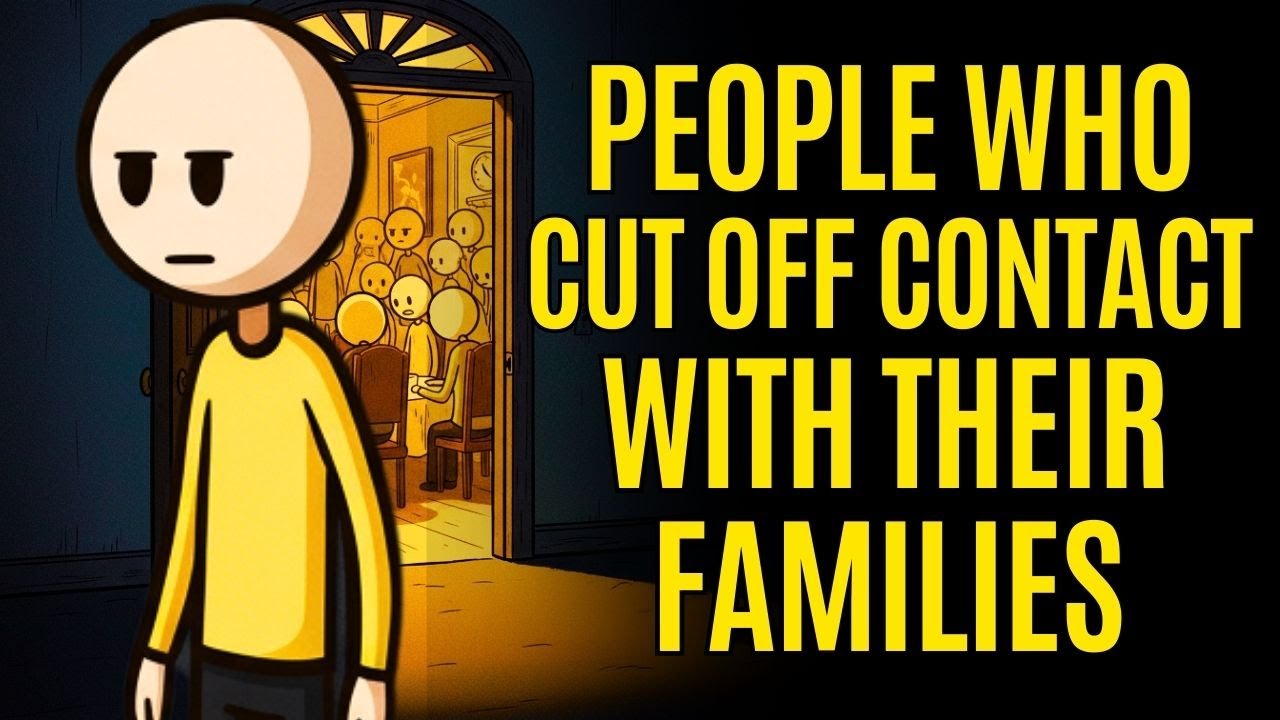
When Your CHILDREN No Longer CALL or VISIT You, Do THIS IMMEDIATELY
There is a kind of silence that can feel louder than an argument.
It is Sunday afternoon.
The coffee is already cold.
You look at your phone even though you know there are no missed calls.
Your daughter has not called this week.
Your son has not visited in more than a month.
You tell yourself they are busy.
Work is demanding.
The grandchildren have activities.
Traffic is terrible.
Life moves quickly.
All of that may be true.
But somewhere underneath those explanations is another thought you may not want to say out loud:
**“Have my children stopped needing me — or stopped wanting me?”**
For a parent who spent decades caring for a family, that question can hurt in a way few people understand.

You remember the nights you stayed awake when they were sick.
The school events.
The rides.
The bills.
The birthdays you made special.
The times you put your own needs second because that was simply what parents did.
Now the house is quieter.
And one of the hardest parts is not knowing what the silence means.
Did you do something wrong?
Are they simply overwhelmed with their own lives?
Should you call again?
Should you stop calling completely?
Should you tell them how much they have hurt you?
There is no single answer that fits every family.
Adult relationships are complicated, and distance can happen for many reasons.
But there are some things you can do that protect your dignity without automatically pushing your children farther away.
Start here.
## 1. Don’t Panic and Start Chasing Every Call
When someone important becomes distant, the natural response is often to move toward them harder.
You call.
No answer.
So you call again.
You send a message.
Then another.
You ask:
“Are you upset with me?”
Nothing.
Now your anxiety grows.
Maybe you send:
“I guess you’re too busy for your mother now.”
Or:
“Someday you’ll regret not making time for me.”
The pain behind those words is understandable.
But messages sent from panic often create pressure rather than closeness.
The adult child may feel accused.
The parent feels even more rejected.
And what began as silence becomes conflict.
Before you send another emotional message, stop and ask yourself:
**“Am I reaching out because I want connection — or because I desperately need reassurance right now?”**
Those are different things.
If you are hurt, give yourself time to calm down before communicating.
One clear, warm message is usually better than ten messages sent from fear.
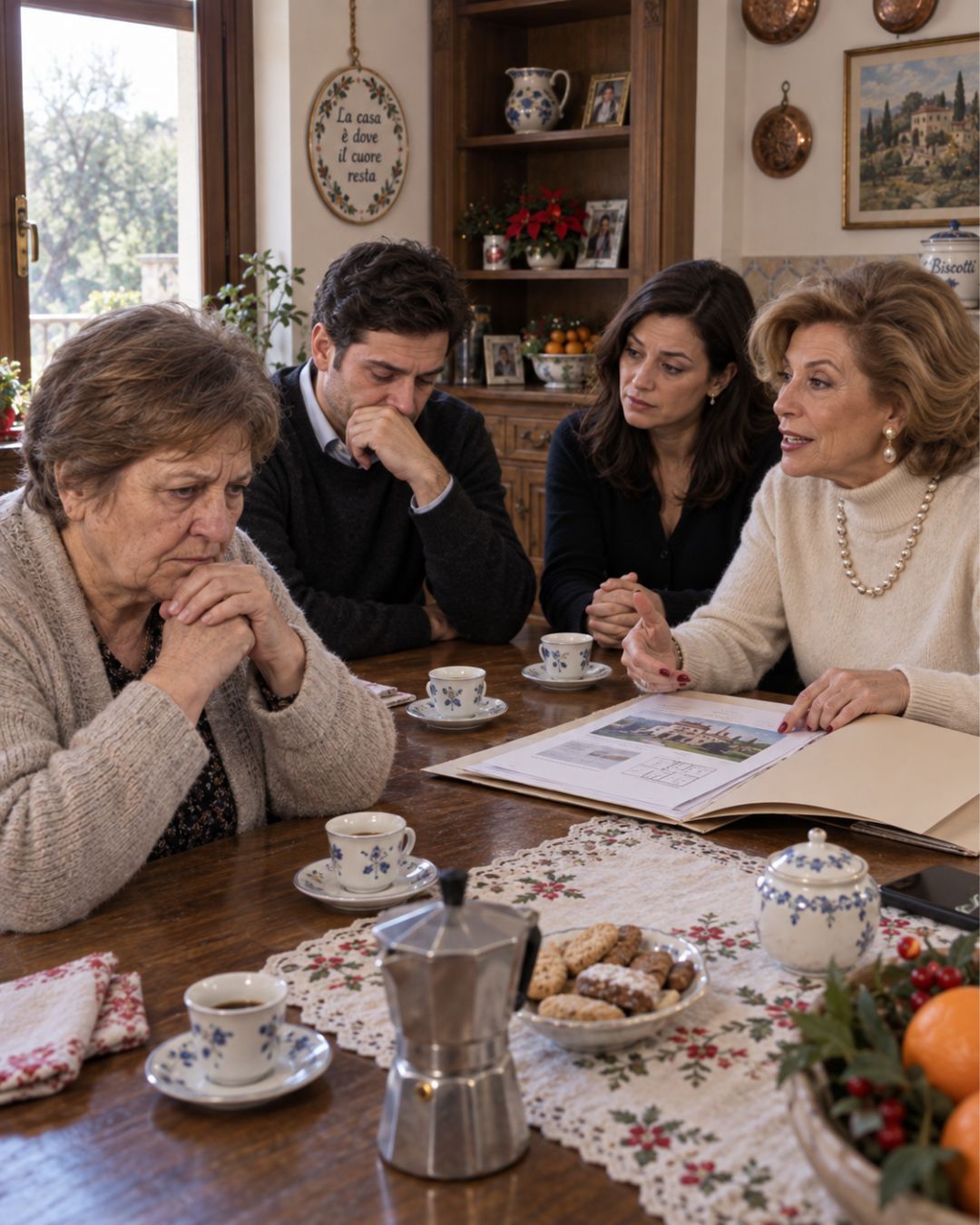
Something as simple as:
**“I miss hearing from you. When you have time, I’d love a call.”**
No accusation.
No guilt.
No scorekeeping.
Just honesty.
Then give the other person room to respond.
You are allowed to reach out.
You do not have to chase.
## 2. Separate What You Know From What You Fear
This may be one of the most important things you can do.
Suppose your son has not called in three weeks.
That is a fact.
But your mind may quickly add:
“He doesn’t care about me anymore.”
That is an interpretation.
Perhaps it is true.
Perhaps it is not.
Maybe work has become overwhelming.
Maybe there is tension he does not know how to discuss.
Maybe he assumes you are doing fine.
Maybe he is struggling with something in his own life.
Maybe there is an unresolved problem between you.
Or maybe the relationship really has become one-sided.
You will not know by guessing.
Older parents can unintentionally torture themselves by turning every silence into a verdict on their worth.
“My daughter didn’t visit.”
becomes:
“I was a terrible mother.”
“My son didn’t call.”
becomes:
“He has forgotten everything I did for him.”
Be careful with that leap.
Try writing down two columns.
### What I know:
“He has called only once this month.”
### What I am assuming:
“He no longer loves me.”
That simple distinction can stop fear from becoming certainty.
It also leaves room for a more honest conversation later.
## 3. Look at the Relationship Honestly — Including Your Side
Protecting your dignity does not mean assuming you did everything perfectly.
And taking responsibility does not mean blaming yourself for everything.
Both extremes can be harmful.
Ask yourself a few uncomfortable questions.
When your children call, what are the conversations usually like?
Do you ask about their lives?
Or does most of the call become a list of complaints?
Do you criticize their spouse, parenting, career, appearance, or choices?
Do you frequently remind them of everything you sacrificed?
Do you become upset if they cannot visit on the day you want?
Have they ever tried to tell you that something in the relationship hurts them?

Did you listen?
Or did you immediately defend yourself?
None of these questions means the distance is your fault.
Relationships involve two adults.
But if there is something you can repair, knowing it gives you more power than pretending it does not exist.
Sometimes a simple sentence can open a door:
**“I’ve noticed we’ve become more distant. If there is something between us that we need to talk about, I’m willing to listen.”**
The important word is **listen**.
Not:
“I’m willing to listen so I can explain why you’re wrong.”
Actually listen.
You may hear something unfair.
You may also hear something useful.
And sometimes you may discover that the distance has little to do with you at all.
Either way, clarity is better than inventing explanations alone in a quiet house.
## 4. Don’t Make Your Children the Only Measure of Your Worth
This can be especially difficult for parents whose identity was built around family.
For thirty or forty years, your life may have revolved around other people.
Meals.
School.
Laundry.
Appointments.
Jobs.
College.
Weddings.
Grandchildren.
Someone always needed something.
Then the children grew up.
And suddenly you were no longer at the center of their daily lives.
That transition can feel like rejection even when it is not.
A dangerous question can quietly appear:
**“If my children don’t need me, who am I now?”**
You are still a parent.
But you are also more than a parent.
You are a friend.
A neighbor.
A sibling.
A person with interests.
A person with memories.
A person who may still learn, travel, read, garden, cook, volunteer, walk, laugh, meet people, or discover something entirely new.
Your children can be an important part of your life without being the entire emotional foundation of it.
This does not mean loving them less.
It means refusing to make every good day depend on whether your phone rings.
Start small.
Call an old friend.
Join a local activity.
Have coffee with someone you enjoy.
Go to a community event.
Return to something you once loved before life became so busy.
Your world should contain more than waiting.
## 5. Stop Saying Yes to Everything Just to Keep Them Close
Some parents become afraid that if they are no longer useful, their children will disappear completely.
So they agree to everything.
“Can you watch the grandchildren?”
Yes.
“Can you lend me money?”
Yes.
“Can you change your plans?”
Yes.
“Can we come over with no notice?”
Yes.
You may tell yourself:
“At least they still need me.”
But there is a painful difference between being loved and being useful.
If you begin feeling that attention appears only when someone needs childcare, money, transportation, favors, or help, pay attention to that feeling.
It does not automatically mean your children are using you.
But it may mean the relationship needs clearer boundaries.
You are allowed to say:
“I can help Saturday, but not Sunday.”
Or:
“I’m not comfortable lending that amount.”
Or:
“I’d love to see you, but please call before coming over.”
A healthy boundary does not punish anyone.
It simply tells people where your limits are.
And here is something many older parents need to hear:
**Saying no occasionally does not erase decades of love.**
You do not have to purchase closeness with endless availability.
## 6. Build Connection Somewhere Else Too
If your children are distant, one of the worst things you can do is make your life even smaller.
You stop going out.
You stop calling friends.
You decline invitations.
You tell yourself:
“Family is all that matters anyway.”
Then the family does not call.
And suddenly there is nobody.
This creates an emotional trap.
The more isolated you become, the more important every call from your children feels.
The more important every call feels, the more painful every silence becomes.
You can break that cycle.
Not by replacing your children.
By expanding your life.
Maybe there is someone you used to work with whom you have not spoken to in years.
Call them.
Maybe a neighbor is also living alone.
Invite them for coffee.
Maybe your library, senior center, faith community, recreation center, or local organization has activities you have ignored because you thought they were “not for you.”
Try one.
Maybe you enjoy gardening.
Find other people who do too.
Maybe you have always wanted to learn something.
Start.
Connection does not have to come from one relationship.
And sometimes, when your emotional world becomes healthier and fuller, conversations with your children become easier too because every interaction no longer carries the weight of your entire loneliness.
## 7. Decide What Kind of Relationship You Want — Even If They Don’t Change
This is the hardest part.
You cannot control whether an adult child calls.
You cannot force someone to visit.
You cannot make another adult apologize.
You cannot make them understand your sacrifices exactly the way you want them to.
But you can decide how you will participate in the relationship.
Maybe your daughter calls only once a month.
You may decide:
“When she calls, I will enjoy the conversation instead of spending half of it telling her she should call more.”
Maybe your son is emotionally distant.
You may decide:
“I will keep the door open, but I will stop begging him to walk through it.”
Maybe there has been real conflict.
You may decide:
“I am willing to repair what I can, but I will not accept repeated disrespect.”
And sometimes, you may decide that you need distance too.
The goal is not revenge.
It is not:
“They ignored me, so now I will ignore them.”
That simply creates two people waiting for the other person to surrender.
The goal is to reach a place where your choices come from clarity rather than panic.
You can love someone without chasing them.
You can miss someone without losing yourself.
You can leave a door open without spending every day standing beside it.
## What Should You Actually Say?
Many parents know they are hurt but have no idea how to talk about it.
They either say nothing for months or explode all at once.
Neither usually works well.
Try simple language.
Instead of:
“You never call me anymore.”
Try:
**“I miss talking with you. I’d like us to stay in touch more often.”**
Instead of:
“You only remember me when you need something.”
Try:
**“I’m happy to help when I can, but I also miss spending time together when nothing is needed.”**
Instead of:
“After everything I’ve done for you…”
Try:
**“Our relationship matters to me, and I don’t want resentment to grow between us.”**
Instead of:
“You obviously don’t care.”
Try:
**“I’m not sure what this distance means, and I’d rather ask than assume.”**
These sentences do something important.
They describe your experience without immediately attacking the other person’s character.
That gives the conversation a better chance.
## Don’t Use Silence as a Weapon
If your children are not calling, you may feel tempted to test them.
“I’m not calling anymore. Let’s see how long it takes them to notice.”
It is understandable.
But tests are dangerous in relationships because the other person may not know they are taking one.
You may spend three weeks thinking:
“If he loved me, he would call.”
Meanwhile, your son may simply think:
“Mom hasn’t called. She must be busy.”
Then both people sit in silence.
If you need space, take space because it helps you.
Do not use it secretly to measure someone else’s love.
And if you want contact, there is no shame in initiating it sometimes.
The important question is whether the relationship has some level of reciprocity over time.
You should not have to carry the entire relationship forever.
But keeping score every week can make closeness impossible too.
## What If They Really Have Pulled Away?
Sometimes the painful answer is that an adult child truly wants distance.
Maybe they ask for space.
Maybe they repeatedly ignore reasonable attempts to communicate.
Maybe they say they do not want contact.
That is deeply painful.
But even then, your life cannot remain suspended indefinitely.
If they have clearly asked for space, respect that boundary.
You can communicate that the door remains open if appropriate.
Then turn your attention toward the life you still have.
This may require support.
Talk to a trusted friend.
A counselor.
A support group.
A faith leader.
Someone who can listen without immediately turning the situation into:
“Your children are terrible.”
or:
“This must be your fault.”
You need clarity, not another person feeding either resentment or shame.
Family estrangement is complicated.
Sometimes reconciliation happens.
Sometimes it takes years.
Sometimes it never happens.
Your well-being cannot depend entirely on an outcome you do not control.
## Be Careful With Guilt
One of the hardest thoughts in later life is:
**“Maybe I failed as a parent.”**
Every parent has regrets.
You probably remember moments you handled badly.
Words you wish you could take back.
Times you were too strict.
Times you worked too much.
Times you did not understand what your child needed.
You were not perfect.
Neither were they.
If there is something you genuinely regret, you can apologize.
Not:
“I’m sorry you felt that way.”
But:
**“I understand that hurt you. I wish I had handled it differently.”**
An honest apology can be powerful.
But apology and lifelong self-punishment are not the same thing.
You cannot spend the rest of your life reopening every mistake from thirty years ago.
Take responsibility for what belongs to you.
Do not take responsibility for everything.
## The Phone Should Not Control Your Day
This sounds small.
It is not.
If you find yourself checking your phone twenty times a day, change the routine.
Put it down.
Go outside.
Make lunch.
Read.
Walk.
Call someone else.
Work in the yard.
Do something that reminds you that the day exists whether or not anyone calls.
Waiting can become a full-time occupation without you noticing.
And there is a painful irony in that.
You may spend so much time waiting for someone to return to your life that you stop living the life that is already in front of you.
## Your Children May Still Love You Differently Than You Expected
Adult relationships often change.
At 10 years old, your child needed you every day.
At 20, maybe every week.
At 40, they may have a spouse, children, career, mortgage, aging in-laws, health worries, and responsibilities you do not see.
Less contact does not always equal less love.
That does not mean you should accept a relationship that consistently hurts you.
It means frequency and love are not always the same thing.
Try to look at the whole relationship.
Do they respond when something matters?
Do they show concern in other ways?
Do they include you when they can?
When you talk, is there genuine warmth?
Do they respect you?
Sometimes the problem is not absence of love.
It is mismatched expectations about what closeness should look like.
That can often be discussed.
## But Your Needs Matter Too
Understanding your children does not mean pretending you have no needs.
You are allowed to want a phone call.
You are allowed to miss them.
You are allowed to say:
“I would really enjoy seeing you more.”
You are allowed to feel disappointed.
Healthy acceptance is not emotional numbness.
It is being honest about what you want without making your entire peace dependent on whether someone gives it to you.
That distinction changes everything.
## Ask Yourself These Three Questions
If your adult children have become distant, ask:
**1. Have I clearly expressed what I want without attacking or guilt-tripping them?**
**2. Is there anything in my own behavior that I genuinely need to acknowledge or change?**
**3. If they do not change, am I still building a life with meaning, friendship, routine, and connection?**
You cannot control the first half of every relationship.
You can control your half.
And sometimes that is where peace begins.
## Don’t Wait for Scraps — But Don’t Close the Door Too Quickly Either
There is a middle ground between begging for attention and cutting someone off.
You can say:
“I love you.”
You can say:
“I miss you.”
You can reach out.
You can apologize when needed.
You can set boundaries.
You can stop chasing.
You can build a full life.
And you can still leave room for things to improve.
Strength does not always look like walking away.
Sometimes strength is remaining open without abandoning yourself.
## The Most Important Shift
Your role as a parent does not end because your children become adults.
But it does change.
You cannot control their schedule.
Their choices.
Their priorities.
Their relationships.
Or how often they call.
What you can control is whether their attention becomes the ruler you use to measure your own value.
You spent decades giving.
That mattered.
It still matters even if nobody calls today to thank you for it.
Now there is another responsibility:
taking care of the person who remains when everyone else goes home.
You.
That does not mean becoming selfish.
It means remembering that your life still belongs to you.
## The Bottom Line
If your adult children stop calling or visiting, do not immediately decide that they no longer love you.
Do not immediately decide that everything is your fault either.
Pause.
Look at what is actually happening.
Reach out calmly.
Listen honestly.
Repair what you can.
Set boundaries where you need them.
Build connections beyond your children.
And stop making the ringing of a phone the proof that your life matters.
Maybe the relationship improves.
Maybe it changes.
Maybe it remains more distant than you would like.
You cannot know today.
But you can decide something much more important:
**You will not spend the rest of your life sitting beside a silent phone, waiting for someone else to give you permission to feel valued.**
Keep the door open where it is healthy to do so.
But keep living.
Because being a parent may always be part of who you are.
It was never the only part.