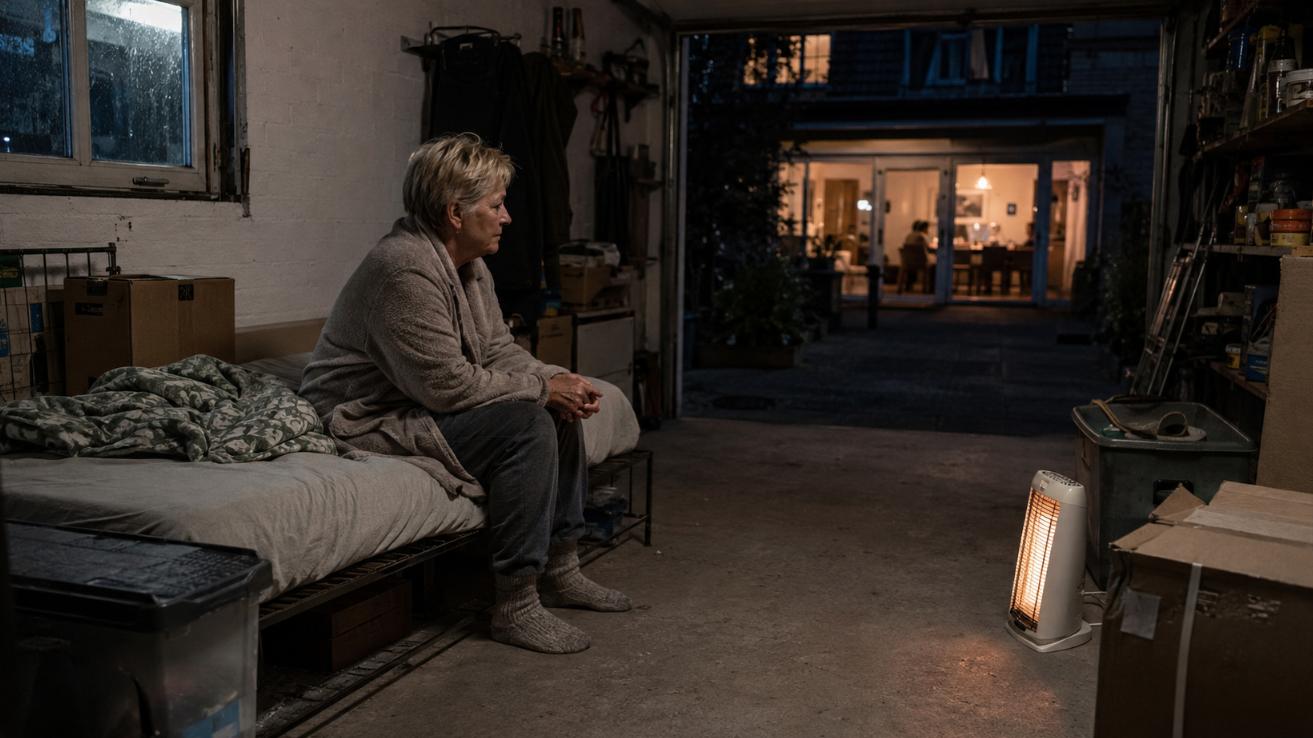
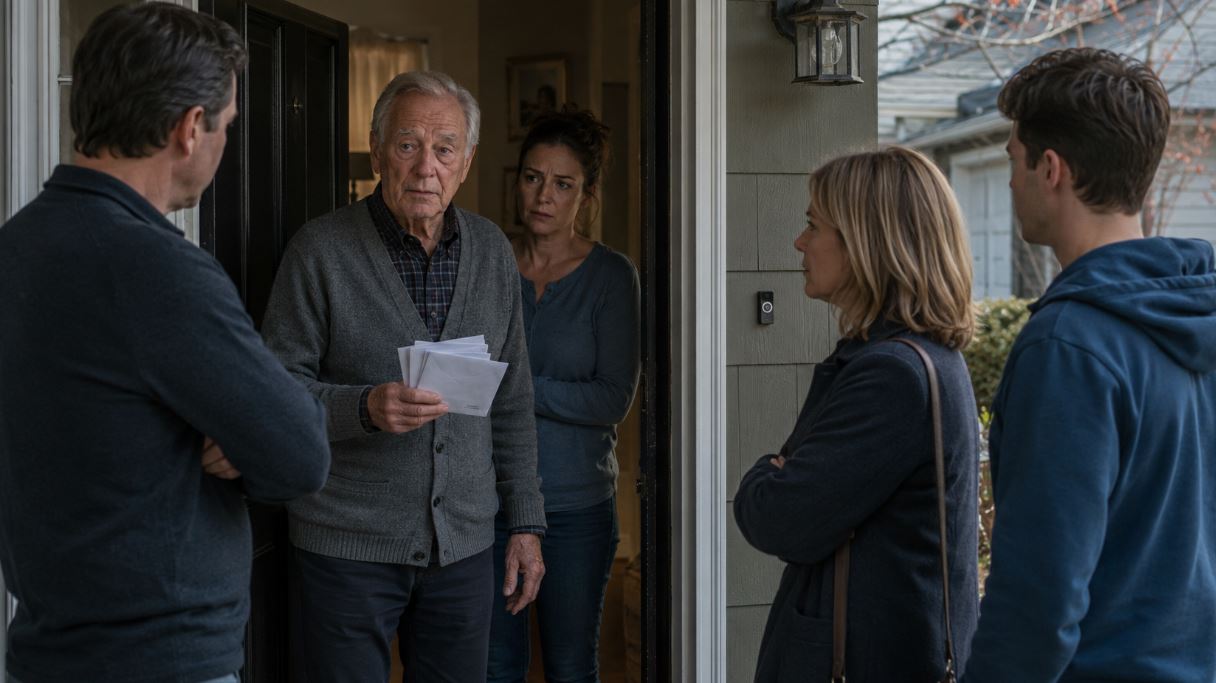
For thirteen long years, a woman faced the painful reality of her mother-in-law’s refusal to eat her cooking. But a single letter changed everything, revealing deep-seated trauma and a family history that had been buried for far too long. This emotional journey unfolded in a way that none could have anticipated.
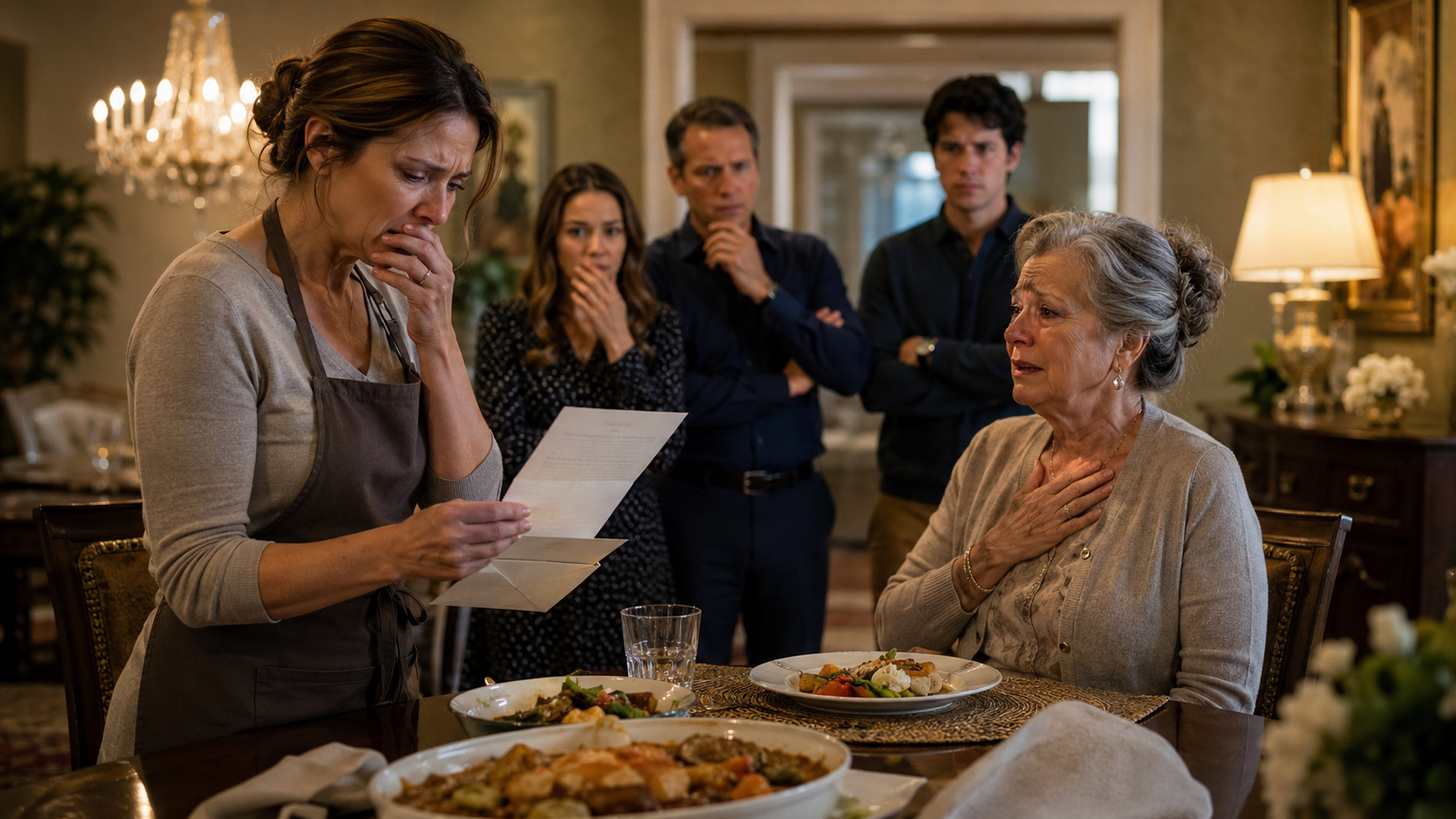
The tension in the room was palpable as the mother-in-law stared at the letter, her hands trembling. The silence was deafening, and it was clear that this moment was monumental. After years of imagining confrontations and apologies, the reality was filled with an unexpected sense of fear.
“What is it?” her husband’s voice broke through the stillness, but there was no immediate response. It was only when the daughter-in-law took the initiative to read the letter that the truth began to surface. The document wasn’t a medical diagnosis but rather a therapist’s recommendation from years prior, shedding light on the mother-in-law’s food-related anxiety linked to unresolved guilt and trauma.
As the words sank in, confusion filled the room. The daughter-in-law looked at her mother-in-law, who seemed to already know the weight of the revelation. Tears welled in her eyes, and for the first time in over a decade, she dropped the façade. “It started with your grandmother,” she confessed, her voice trembling.
The revelation shocked everyone. The mother-in-law recounted her own painful experiences as a young bride, detailing how her mother-in-law had belittled her cooking and made her feel worthless. A particularly cruel Thanksgiving moment, where she was publicly shamed, had left a lasting scar. The realization hit hard: her aversion to her daughter-in-law’s cooking stemmed from years of trauma, not personal dislike.
“I hated myself every time I did it,” she whispered, and the room fell into a heavy silence. The daughter-in-law felt a mix of anger and sorrow, grappling with the years of humiliation that had gone unspoken.
When her husband asked why she hadn’t sought help, her response was laden with bitterness. Admitting her struggles would mean acknowledging that her late mother-in-law still held power over her life, even from beyond the grave. The truth had been buried under layers of lies, and the family had believed them all.
Then, in a moment of vulnerability, the mother-in-law turned to her daughter-in-law and offered a heartfelt apology. “I always wanted to eat your food,” she admitted, her eyes glistening with tears. The weight of her words hung in the air, and the atmosphere shifted.
As she reminisced about the delicious pies the daughter-in-law made, laughter broke through the tears. The realization that the story was about much more than food—that it was about generational pain—hit home for everyone present.
In a surprising turn, the mother-in-law produced another letter, one she had written years ago but never sent. It contained a heartfelt apology, revealing her struggles and the fear that had kept her silent all this time. She had carried it through countless family gatherings, unable to find the courage to share her feelings.
When her husband asked why she chose this moment to reveal everything, she reflected on the empty dining table, realizing that opportunities were fleeting. The fear of never having another chance to confront her past had finally pushed her to act.
“Do you still have the pies?” she asked, prompting a moment of laughter amidst the tears. The next day, the daughter-in-law returned to the shelter where she had donated her baked goods, and one untouched pie awaited her.
That afternoon, the mother-in-law visited without the usual family crowd. As they sat together, the daughter-in-law served her a slice of pie. In that moment, something shifted. The mother-in-law took a bite, and tears streamed down her face—not just from the taste, but from the release of a fear that had haunted her for decades.
Sometimes, healing doesn’t require grand gestures; sometimes, it begins with something as simple as sharing a slice of pie. What other hidden stories might be waiting to be uncovered in our own families?