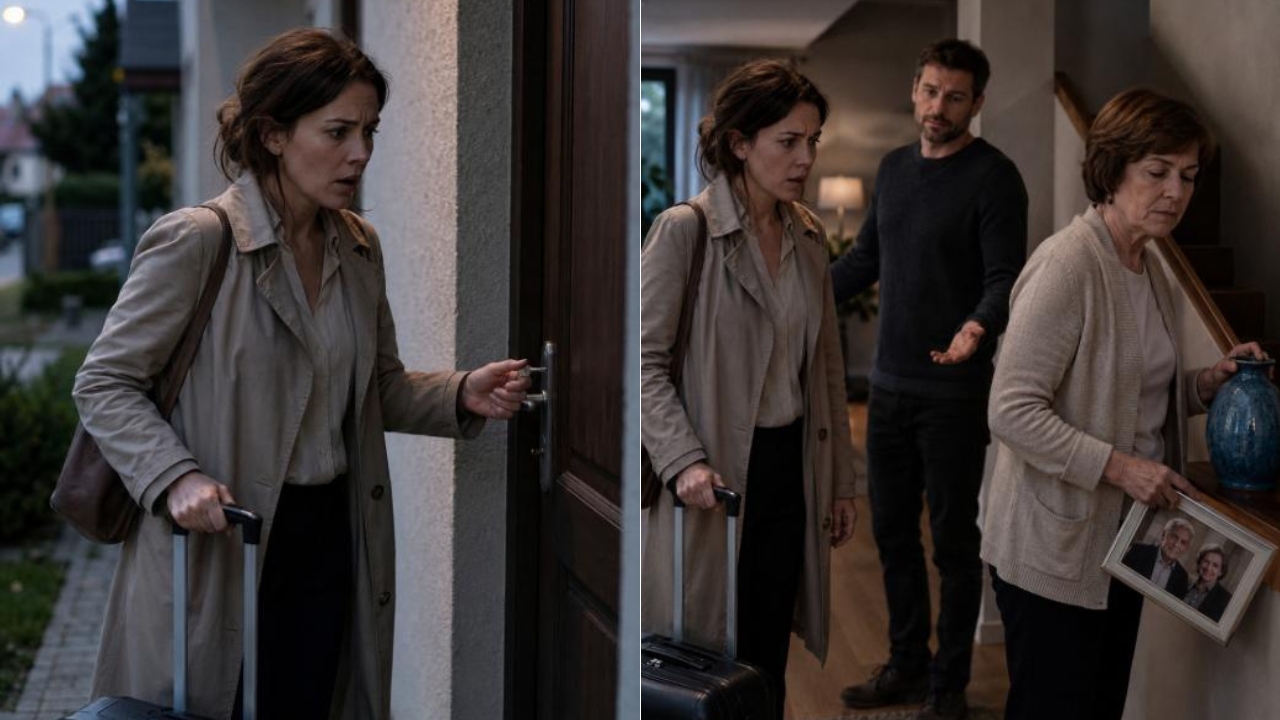
A heart-wrenching family 𝒹𝓇𝒶𝓂𝒶 unfolded when a mother discovered her children were left hungry while their cousins feasted at a family gathering. What started as a typical Sunday dinner quickly spiraled into chaos, revealing deep-rooted issues of favoritism and neglect that would leave lasting scars.
Claire arrived at her parents’ house, grocery bags in hand, only to find her children, Noah and Lily, sitting with empty plates. Meanwhile, her sister Vanessa’s kids were happily munching on a feast prepared by their grandmother. The stark contrast was jarring, and Claire felt a familiar wave of humiliation wash over her as her mother, Patricia, coldly remarked that her children were meant to survive on leftovers.
After years of feeling overshadowed by her sister—who had received more support and attention—Claire’s patience finally snapped. She gathered her kids and left, ignoring the taunts from Vanessa, who mocked their departure. As they drove away, panic erupted inside the house, with Claire later receiving frantic calls about a medical emergency involving her mother and the children who had eaten first.
In a small diner, Claire and her kids found solace, ordering comfort food and vowing to create a safe space away from the turmoil of family expectations. As they enjoyed their meal, Claire reassured her children that they were not less important, despite what had happened.
The following days saw Claire grappling with the fallout. Her mother’s health crisis and the subsequent blame game only intensified the rift in their relationship. Claire chose to protect her children from a toxic environment, refusing to let them be treated as second-class family members.
As the story circulated among relatives, Claire stood firm, sharing her truth without embellishment. The response from family members revealed a shared history of favoritism that Claire had long endured but never fully acknowledged.
Weeks later, her father showed up at her apartment, demanding to see the kids. Claire refused, asserting that her children deserved better treatment than she had received. When her father accused her of turning the kids against him, Claire calmly stated that she was simply protecting them from the very behavior she had endured.
As time passed, Claire focused on healing her children’s emotional wounds. They began counseling to address the feelings of exclusion and anxiety that had taken root. Claire also created a snack shelf in their kitchen, symbolizing a space where her children would always feel welcome and valued.
By the time summer rolled around, Claire had moved her family into a new home, one that felt safe and nurturing. When her mother reached out with an apology, Claire took her time to process it, understanding that some relationships require careful rebuilding.
Eventually, a supervised meeting took place at a park, where Claire’s mother expressed her regrets. Noah’s simple yet profound statement—”We’re not leftovers”—echoed the sentiment that had fueled Claire’s fight for her children’s dignity.
As they drove away from the park, Claire felt a sense of closure begin to form, but the journey of healing was far from over. With every step, she was determined to ensure her children would never feel like they had to wait for scraps from anyone’s table again.
What will it take for families to truly understand the impact of their actions on the next generation?