Your cat may sleep beside you, follow you into the bathroom, or appear the second they hear a treat bag open.
But does that really mean you are their favorite person?
Cats rarely announce their deepest attachment in obvious ways.
Instead, they watch.
They notice how you look at them, whether you respect their space, how you greet them, and even the tone you use when they call.
These moments may feel like tiny tests.
In reality, your cat is learning something more important:
Can they feel safe enough to be completely themselves around you?
If your cat repeatedly does these four things, you may already be the person they trust most.
1. The Slow Blink: “Can I Lower My Guard With You?”
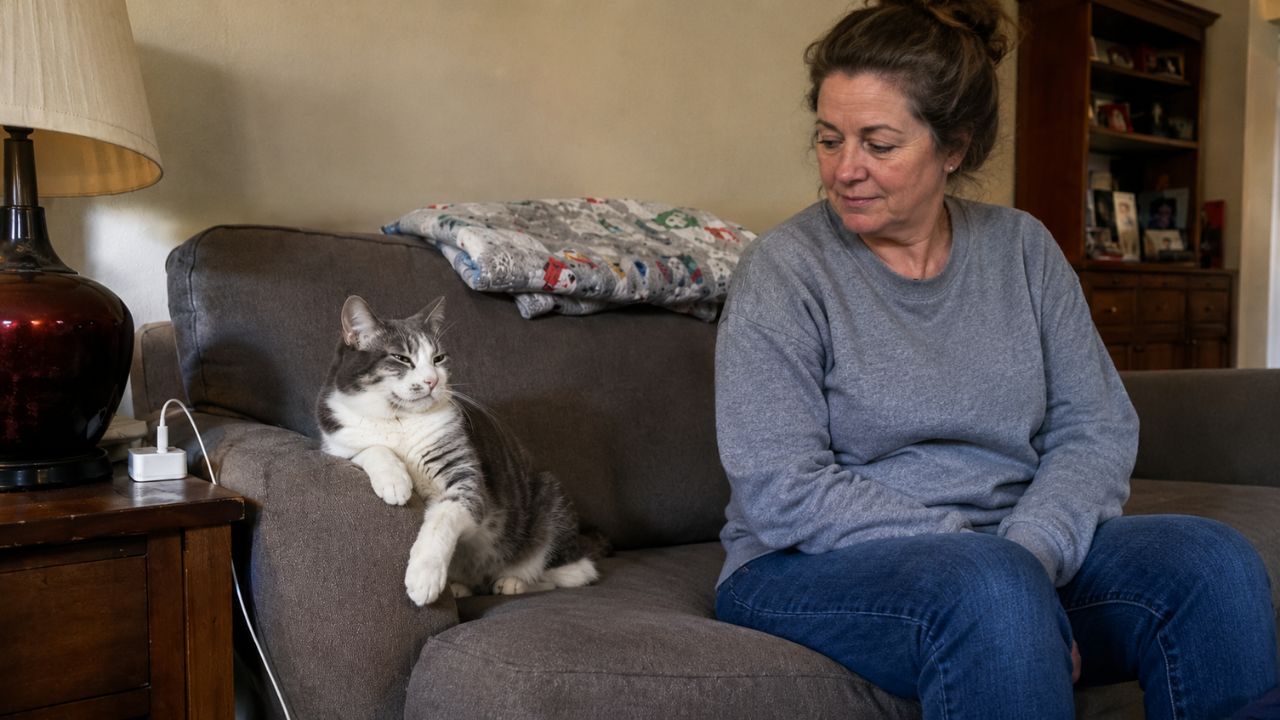
Your cat is resting across the room.
Their body is loose. Their ears are relaxed.
They look directly at you—and slowly close their eyes.
For a second, they are no longer watching what you might do next.
That small gesture matters more than it appears.
Cats are naturally alert animals. Even while resting, they remain aware of movement, sound, and possible danger.
Closing their eyes in your presence means briefly giving up that vigilance.
It is not necessarily a dramatic declaration of love.
It is something quieter:
“I do not believe I need to protect myself from you.”
How you respond can deepen that moment.
Instead of staring with wide, fixed eyes, soften your expression and slowly blink back.
Then look slightly away.
To a cat, prolonged direct staring can feel intense. A relaxed blink followed by a gentle break in eye contact communicates calm rather than pressure.
Your cat may return the gesture.
They may not.
Either way, the fact that they felt comfortable enough to close their eyes around you already says something important.
Trust often begins in the moments when a cat no longer feels the need to keep watching.
2. The Approach: “Will You Let Me Choose?”
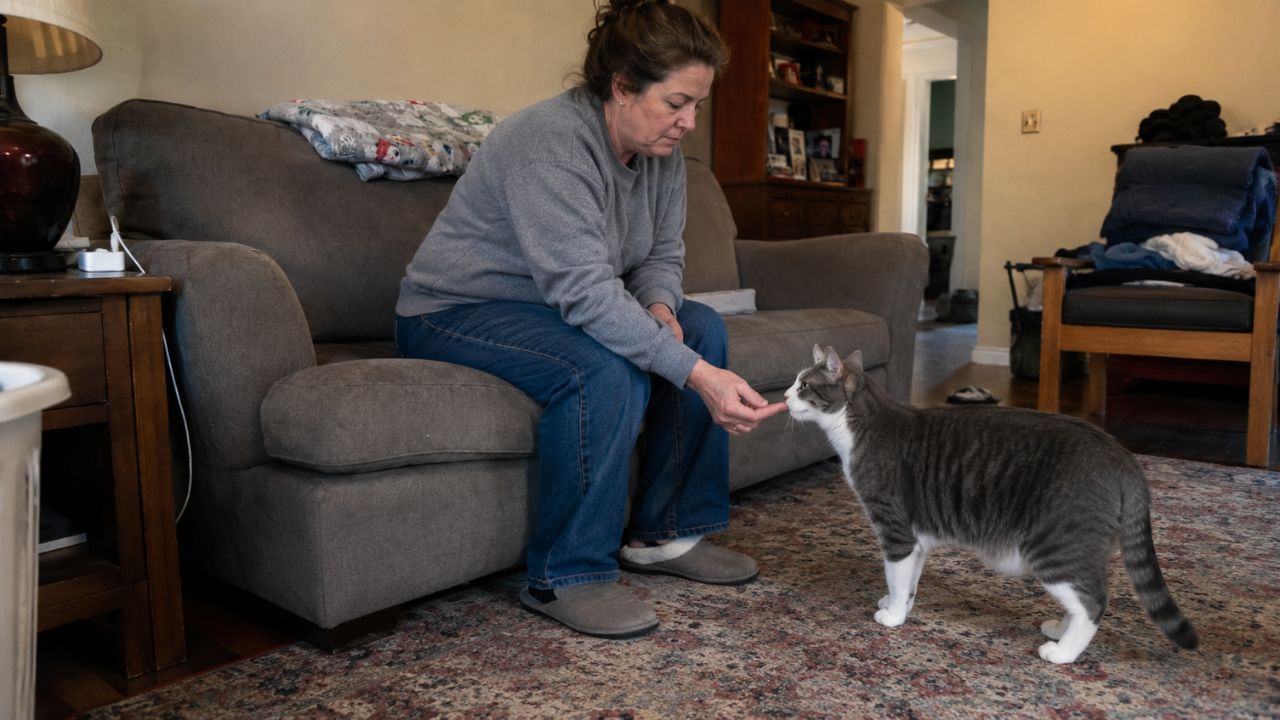
Your cat walks toward you.
They stop just beyond your reach.
They look at your hand, shift their weight, and wait.
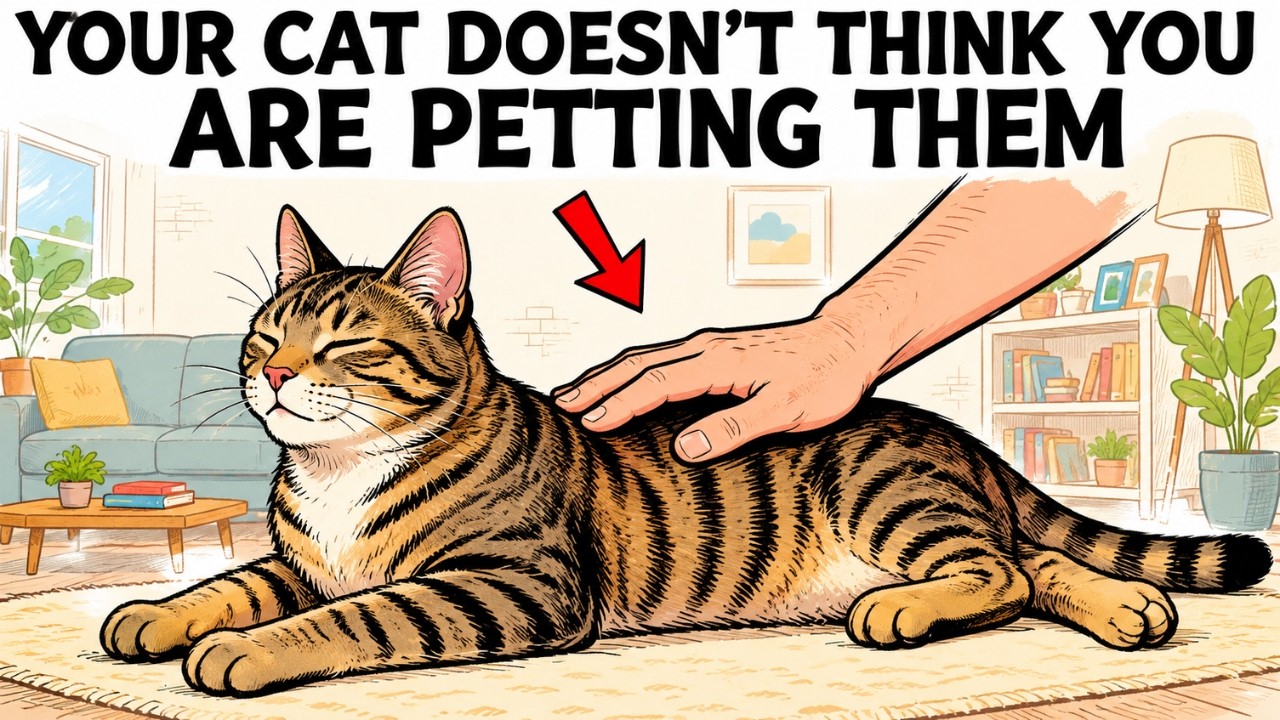
Most people instinctively lean forward.
They reach out, call the cat closer, or begin petting before the cat has fully decided what they want.
But that pause may be one of the most revealing moments in your relationship.
Cats often feel safest when they retain some control over an interaction.
They may want affection—but on their terms.
They may be interested in you while still deciding whether they want touch.
When you allow them to close the final distance, you show that their hesitation will be respected.
Try offering one relaxed finger at nose level rather than reaching over their head.
Let them sniff.
If they rub their cheek against you, lean closer, or remain beside your hand, they may be inviting contact.
If they turn away, let them.
Respecting that choice does not weaken the bond.
It strengthens it.
Your cat learns that approaching you will not automatically lead to being grabbed, restrained, or touched longer than they want.
They do not have to avoid you to protect their boundaries.
They can come close because they know they are still free to leave.
For a cat, that freedom can be one of the clearest foundations of trust.
3. The Greeting: “Do You Notice When I Come to You?”
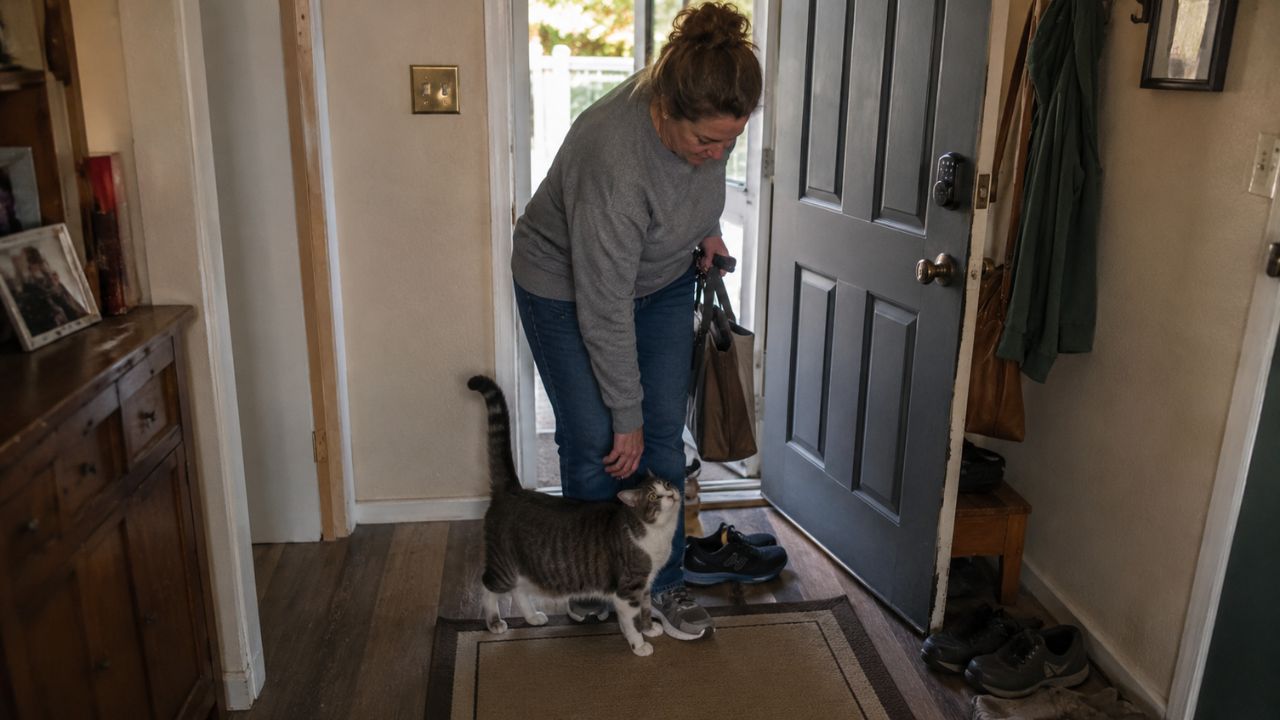
The door opens.
Before you have put down your keys, your cat appears.
Their tail may rise upright.
They may give a soft meow, brush against your legs, or simply stand nearby and look up at you.
It may seem like a small daily ritual.
But to your cat, it can be a moment of reconnection.
They have noticed your absence.
Now they are checking in.
An upright tail, gentle rubbing, relaxed posture, and soft vocalization can all be friendly social signals.
Your response does not need to be dramatic.
You do not have to stop everything and hold them.
A warm voice, a slow blink, a lowered hand, or a few seconds of calm attention may be enough.
What matters is that their approach is acknowledged.
Repeatedly rushing past them may not “hurt their feelings” in the human sense, but it can teach them that greeting you rarely leads to connection.
A cat that feels noticed may continue approaching openly.
A cat that is consistently ignored may eventually become quieter about asking.
The greeting is not just your cat demanding attention.
Sometimes it is their way of saying:
“You came back. Are we still okay?”
And every gentle response helps answer that question.
4. The “Do You Listen?” Test
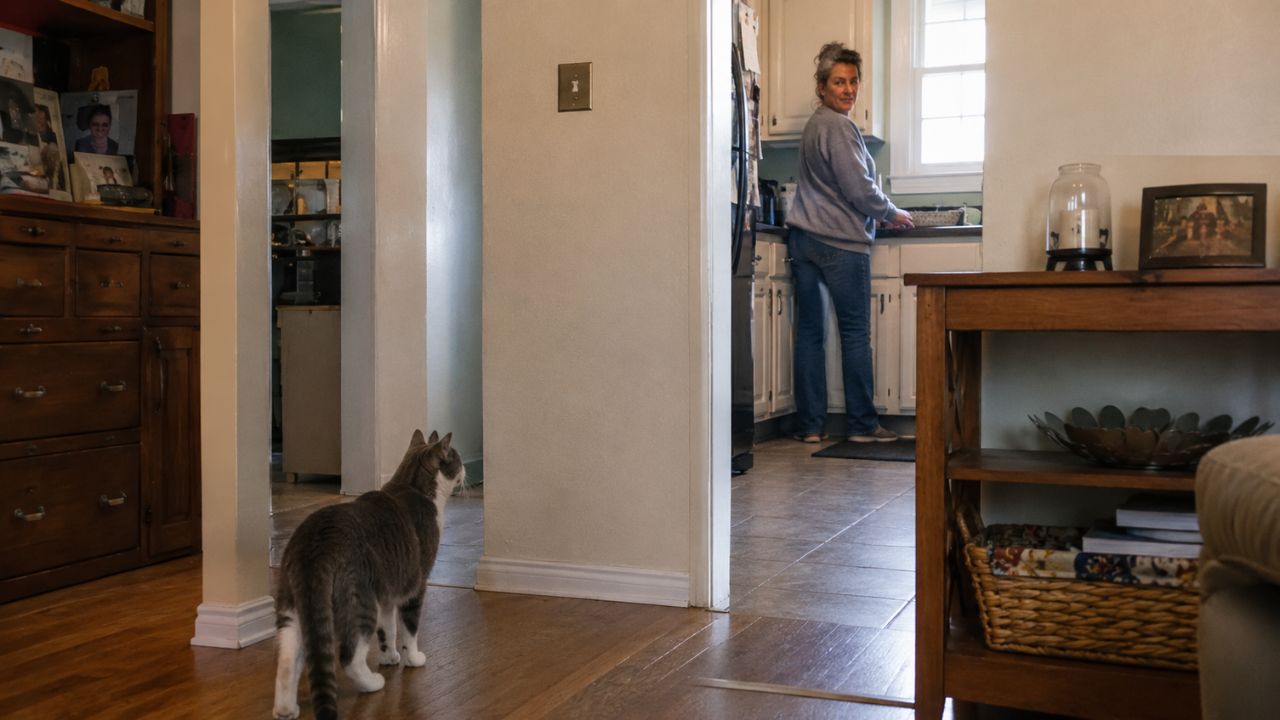
Your cat meows from another room.
It may not sound urgent.
They may not need food.
They may simply be calling to see whether you respond.
Cats often develop different vocal patterns for the people they live with. Over time, they learn which sounds bring someone closer, open a door, start a conversation, or produce affection.
But they are not only noticing whether you answer.
They are also noticing how.
A calm reply sounds different from an irritated one.
A gentle “I hear you” carries a different emotional tone than a sharp command to be quiet.
Cats may not understand every word, but they are sensitive to rhythm, volume, familiarity, and mood.
This does not mean you must respond to every meow immediately.
Doing so may accidentally reinforce constant vocalizing.
But when you do answer, warmth matters.
Sometimes you can speak softly without getting up.
Sometimes you can wait for a quiet pause before offering attention.
And sometimes an unusual or persistent cry deserves closer investigation, especially if your cat is older or their behavior has suddenly changed.
The deeper question is not whether you respond fast enough.
It is whether your cat has learned that communicating with you usually feels safe.
A cat that expects anger may stop trying.
A cat that expects patience may keep inviting you into their world.
Your Cat Is Watching the Small Moments
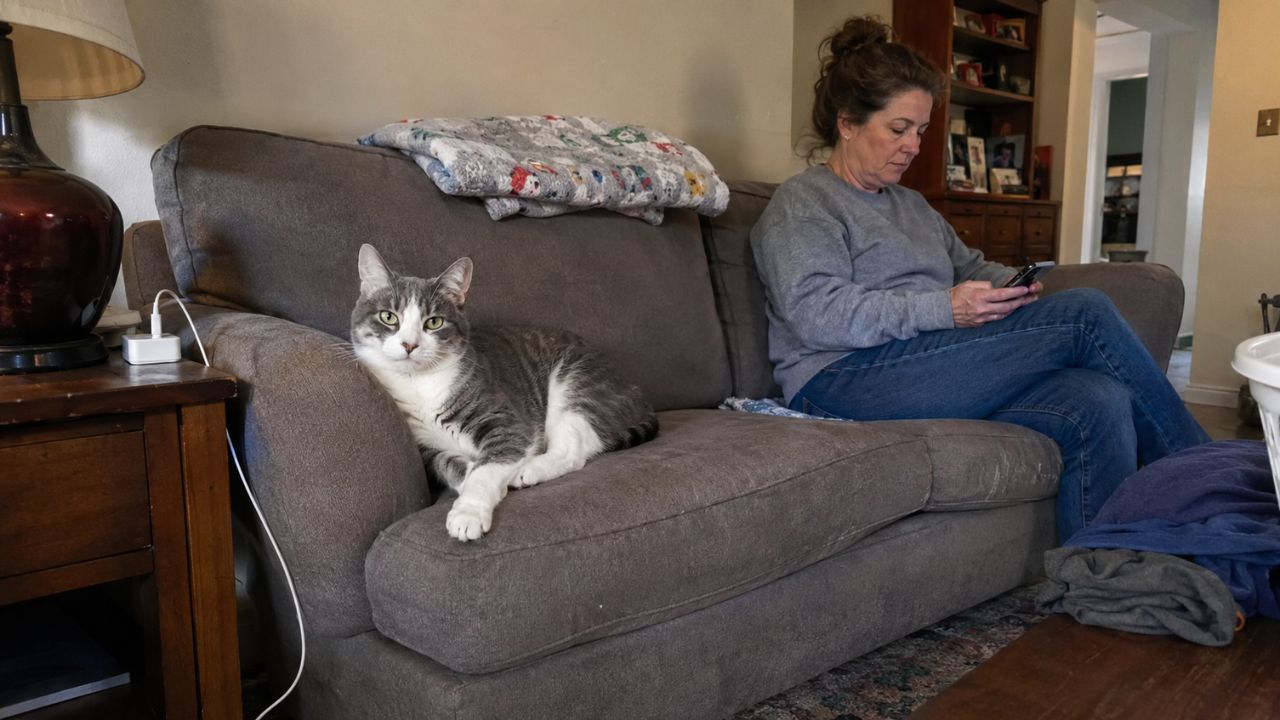
Cats do not choose their favorite person only because that person fills the food bowl.
They often grow closest to the human who feels predictable.
The one who notices without overwhelming them.
The one who offers affection without forcing it.
The one whose voice remains familiar and safe.
You do not need to “pass” every moment perfectly.
Everyone occasionally misses a greeting, reaches too quickly, or responds while distracted.
Trust is not built from one flawless interaction.
It grows from a pattern.
A slow blink returned.
A hand that waits.
A greeting that is noticed.
A voice that remains gentle.
Your cat may never announce that you are their favorite human.
But if they close their eyes around you, approach without fear, look for you when you return, and continue trying to communicate, they may already be giving you the answer.
Not loudly.
Not dramatically.
But in the quiet language cats reserve for the people who make them feel safe.