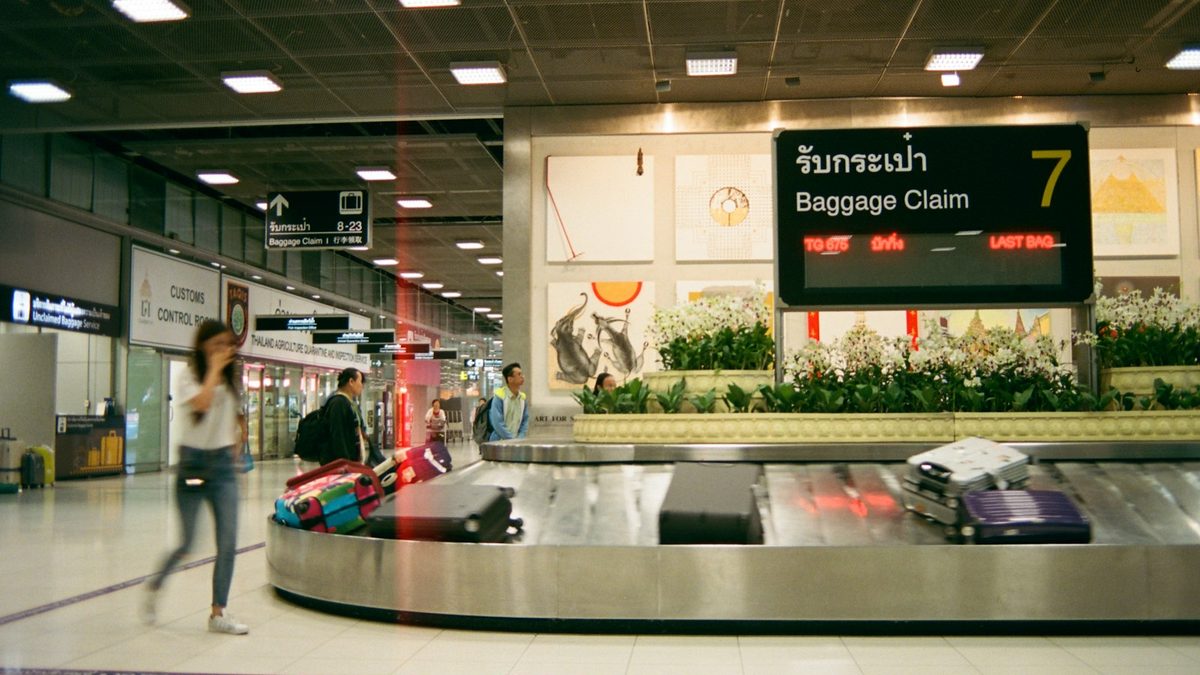
Checked baggage costs money, adds time at both ends of a flight, and occasionally goes to a different country than you do. Packing carry-on only for two weeks sounds like deprivation, but it is mostly a matter of choosing a system before you start rather than throwing things into a bag the night before.
Start with the bag, not the clothes
Cabin allowances vary by airline and change often, so check the current dimensions for the specific airline you are flying rather than assuming. Buy or borrow a bag that fits the smallest allowance you expect to encounter on the trip, not the most generous one.
A soft-sided bag has a practical advantage over hard shell: it compresses slightly when a gate agent puts it in the sizing frame. A bag that opens flat like a suitcase, rather than top-loading like a rucksack, saves a surprising amount of unpacking friction over two weeks.
The one-week wardrobe worn twice
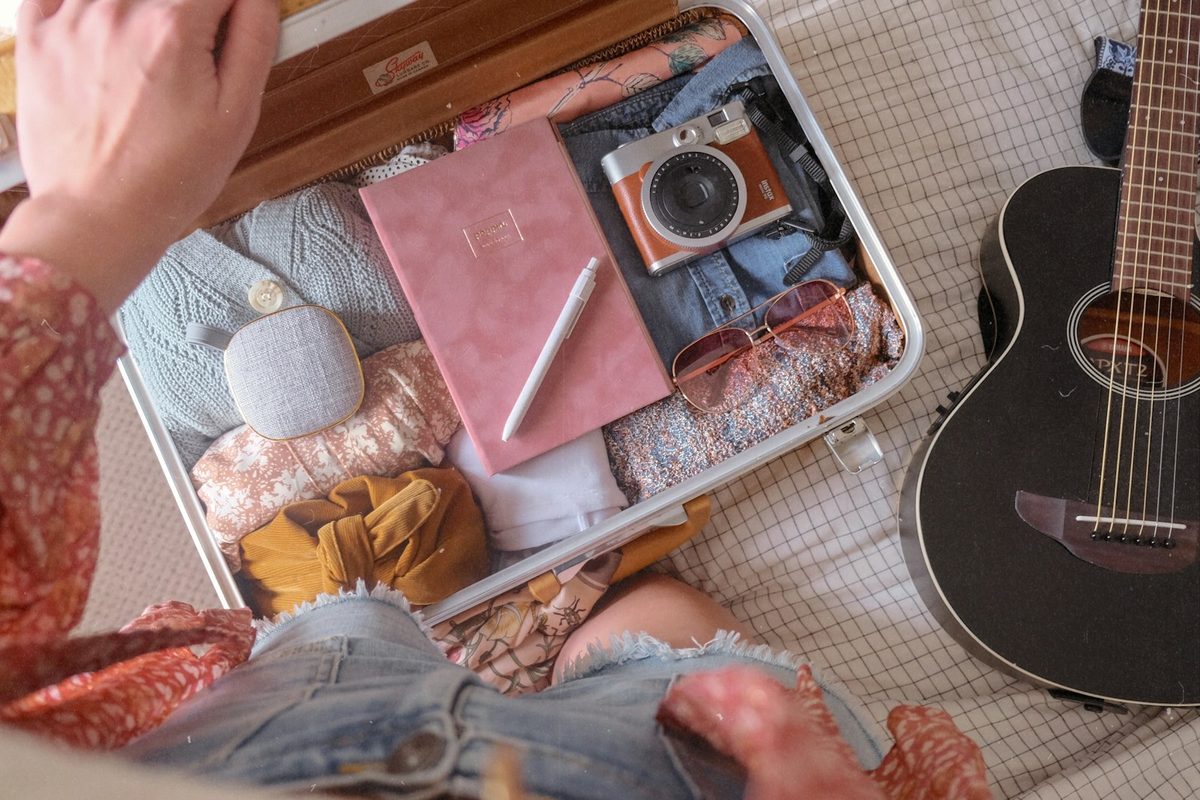
The central trick is that a two-week trip does not need two weeks of clothing. It needs roughly one week of clothing plus access to a washing machine or a sink.
- Pick a single colour palette so every top works with every bottom.
- Favour merino wool or technical synthetics that can be worn several times before washing.
- Three or four tops, two bottoms, one warm mid-layer, one packable waterproof.
- Two pairs of shoes maximum — wear the bulkier pair on the plane.
- Sleepwear that doubles as loungewear rather than a separate set.
Rolling, cubes, and what actually saves space
Rolling clothes compresses air out and reduces creasing on soft fabrics. Packing cubes do not create space by themselves — a cube of shirts is the same volume as those shirts — but compression cubes do, and all cubes make a bag easier to live out of because you stop excavating to find socks.
The genuine space savings come from the decisions before packing: fewer shoes, no bulky towel, and refusing the “just in case” items that account for most of an overweight bag.
Liquids and the rules that catch people out
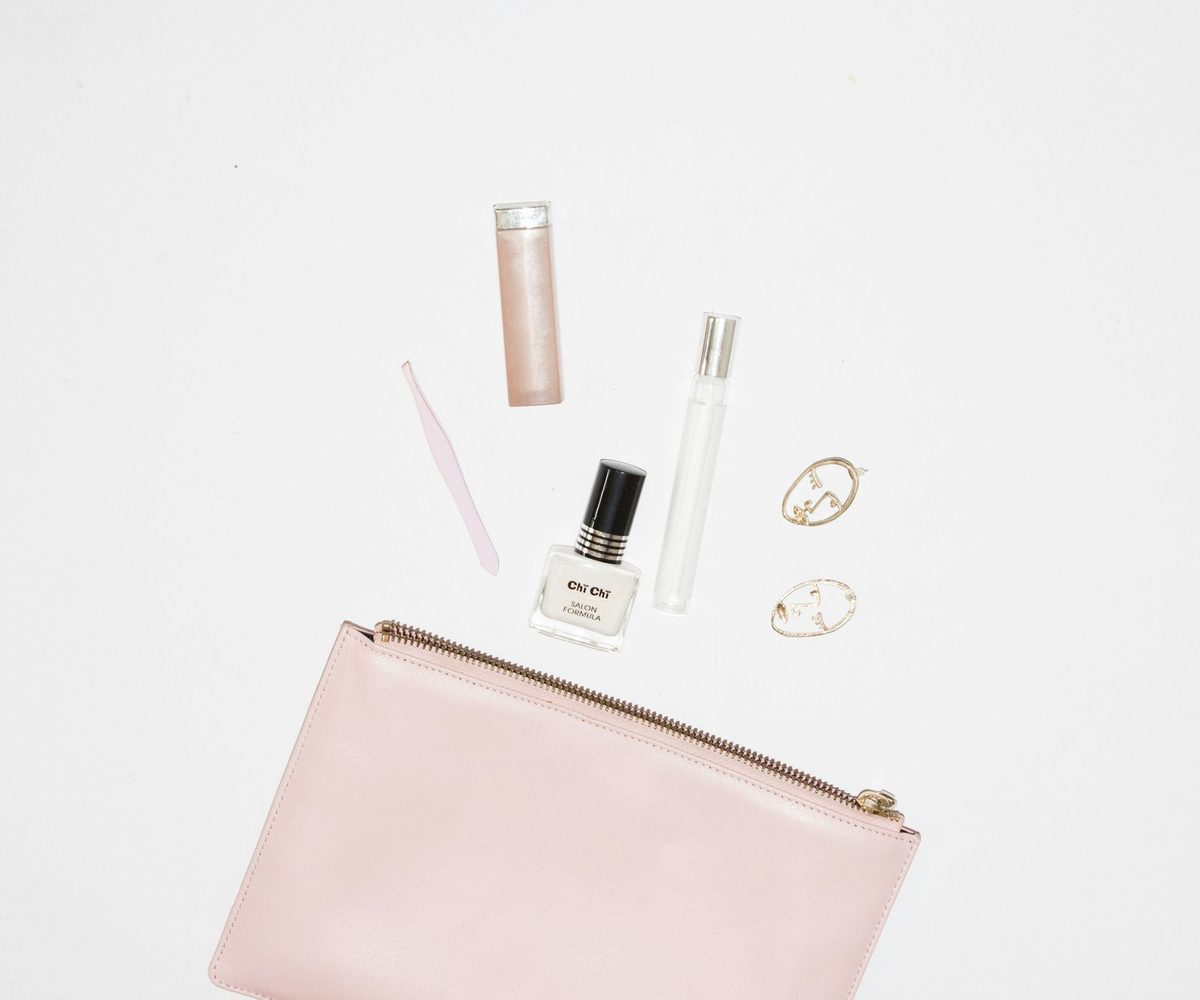
Liquid restrictions differ between airports, and some now have scanners that lift the old limits while others do not. Assume the strictest version unless you have confirmed otherwise for every airport on your route, including connections, and keep liquids accessible at the top of the bag.
Solid alternatives sidestep the problem entirely: bar shampoo, solid deodorant, toothpaste tablets. Anything you can buy cheaply at your destination is worth leaving at home.
Electronics: the quiet weight problem
Cables, chargers and adapters accumulate without anyone noticing. One multi-port charger replaces three plugs. One universal adapter replaces a bag of country-specific ones. A power bank matters more than a second camera lens for most trips.
Keep everything electronic in one pouch. Airport security frequently asks for devices separately, and hunting for a laptop in a full bag while a queue builds behind you is its own kind of holiday memory.
Documents, money and the unglamorous admin
The part of packing that nobody photographs is the part that saves the trip when something goes wrong. Keep it light but deliberate.
- Carry one card in your wallet and a second, different card somewhere separate. Cards get blocked, swallowed or lost, and having two in the same pocket is having one.
- Keep a small amount of local cash for places that quietly do not take cards.
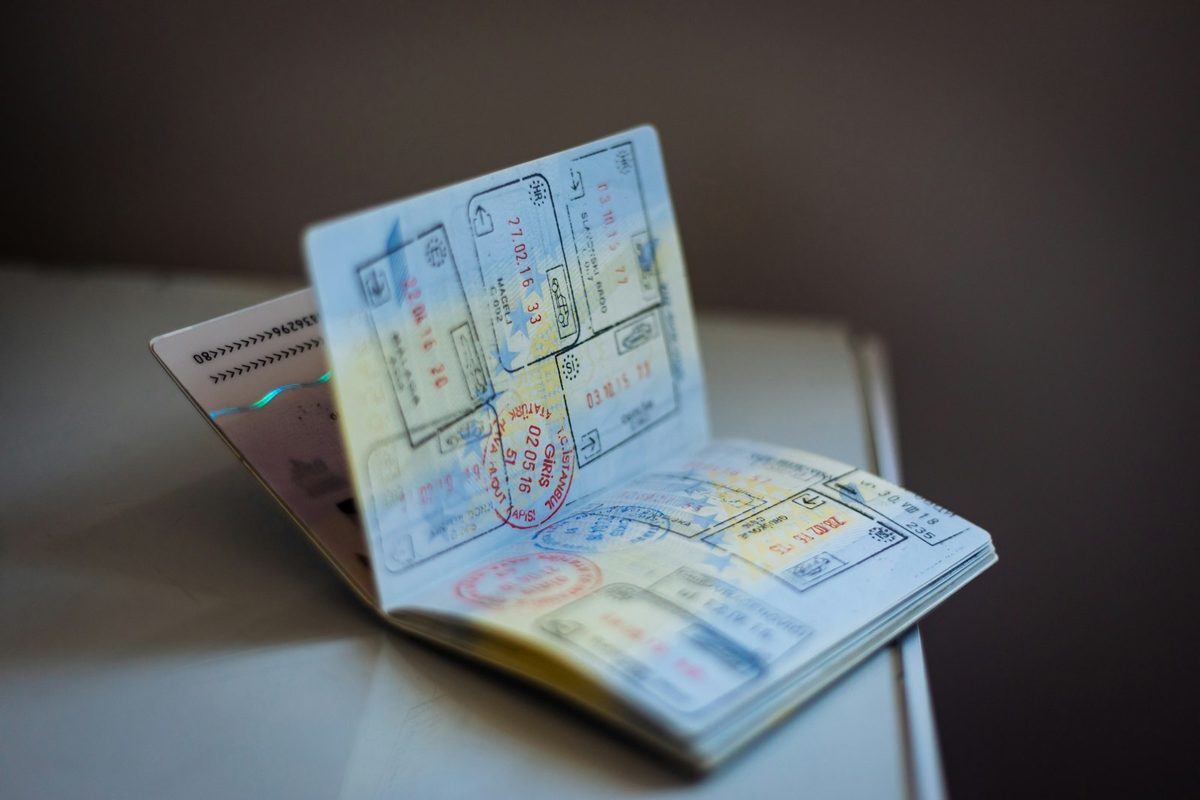
- Store digital copies of passport, insurance policy and any visa confirmation somewhere reachable offline.
- Note the emergency number for your bank and your insurer before you need them.
- Check whether your travel insurance actually covers what you plan to do — many policies exclude specific activities.
None of this takes up space, and all of it is easier to arrange at a kitchen table than in a foreign police station.
What to wear on the plane
Your outfit is free storage. Wear the heaviest shoes, the bulkiest jacket and the warmest layer. Cabins run cold, and a jacket with large pockets absorbs the passport, phone and power bank that would otherwise need a separate bag.
Laundry on the road
Two weeks carry-on works because of one wash cycle somewhere in the middle. Options in order of convenience: an accommodation with a machine, a self-service laundrette, or a sink with a small tube of travel detergent. A flat rubber sink plug weighs almost nothing and solves the third option in places where the plug is missing.
Wash in the evening, hang overnight, and choose fabrics that dry fast. Cotton denim is the enemy of this plan.
A last pass before you close the bag
- Take everything out and put back only what you will definitely use.
- Photograph your passport and store it somewhere you can reach without the passport.
- Weigh the bag if your airline enforces cabin weight, not just dimensions.
- Leave a little space — you will acquire things.
The reward is not just the saved fee. It is walking off the plane and out of the airport while everyone else stands at a carousel.