New Zealand doesn’t have a bad season. There, I said it. But that doesn’t mean every season is right for your trip. The difference between visiting in January versus July is massive — we’re talking opposite experiences entirely.
I’ve been through all four seasons across both islands, and here’s what took me years to figure out: the “best” time depends entirely on what you actually want to do. Hiking the Milford Track? You need summer permits booked 8 months ahead. Skiing Queenstown? Winter only. Avoiding crowds while still getting decent weather? That’s a narrower window than you’d think.
Understanding New Zealand’s Seasons (They’re Backwards)
If you’re from the Northern Hemisphere, flip your mental calendar. December through February is summer. June through August is winter. This trips up more travelers than you’d expect.
The country stretches roughly 1,600 kilometers from top to bottom, so Auckland’s weather and Queenstown’s weather might as well be different countries. The North Island stays warmer year-round. The South Island gets properly cold, especially inland.
One thing nobody mentions enough: New Zealand weather changes fast. Like, four-seasons-in-one-day fast. Pack layers regardless of when you visit. I’ve been sunburned and rained on within the same three-hour hike.
Summer (December – February): Peak Everything

Summer is when New Zealand shines — literally. Long daylight hours mean you can start a hike at 6 AM and still have light at 9 PM. Temperatures hover between 20-30°C (68-86°F) in most areas.
Why Summer Works
This is the only season where swimming at beaches actually feels pleasant. Cathedral Cove, Hot Water Beach, Abel Tasman — they’re all at their best now. The Great Walks are fully operational, and you can access backcountry routes that snow closes off the rest of the year.
If you’re planning a road trip focused on outdoor activities, summer gives you the most flexibility. No worrying about chains for mountain passes. No wondering if that coastal trail is too muddy.
The Summer Downside
Here’s the catch: everyone else knows this too. December 20 through January 15 is absolute chaos. Kiwis take summer holidays, international visitors flood in, and prices spike 30-50% on accommodations.
Milford Sound cruises book out. Campsites fill up. That cute cottage in Wanaka you found? Someone snagged it three months ago.
My honest advice: if you must visit during summer, aim for February. The crowds thin after mid-January, weather stays excellent, and you won’t compete with every family in Australia for the same campgrounds. Similar strategies work for other peak destinations — if you’ve looked into planning a trip to Patagonia, you’ll recognize this “shoulder of peak season” approach.
Autumn (March – May): The Sweet Spot Most People Miss
Autumn might be New Zealand’s best-kept secret. March and April deliver stable weather, dramatically fewer tourists, and something summer doesn’t have: color.
The Autumn Advantage
The South Island transforms. Arrowtown’s trees turn gold and orange. Wanaka’s lakeside poplars become Instagram-famous for good reason. The light gets softer, making everything more photogenic.
Temperatures cool to 15-22°C (59-72°F), which is actually perfect for hiking. You’re not sweating through your base layer, and the trails aren’t dusty.
Prices drop noticeably after Easter. I’ve scored Queenstown apartments for half the December rate in late April. Restaurants have tables available. You can actually get a parking spot at popular trailheads.
Autumn Limitations
By May, things shift. Daylight shrinks. Some highland roads start requiring chains. The Great Walks transition to “winter status,” meaning hut facilities reduce and weather becomes less predictable.
The real sweet spot? March 15 through April 20. You get autumn colors, stable weather, and off-peak pricing. Its the closest thing to perfect timing.
Winter (June – August): Ski Season and Misunderstood Magic

Most international tourists skip winter entirely. That’s a mistake if you’re into skiing, hot springs, or experiencing New Zealand without the crowds.
What Winter Does Well
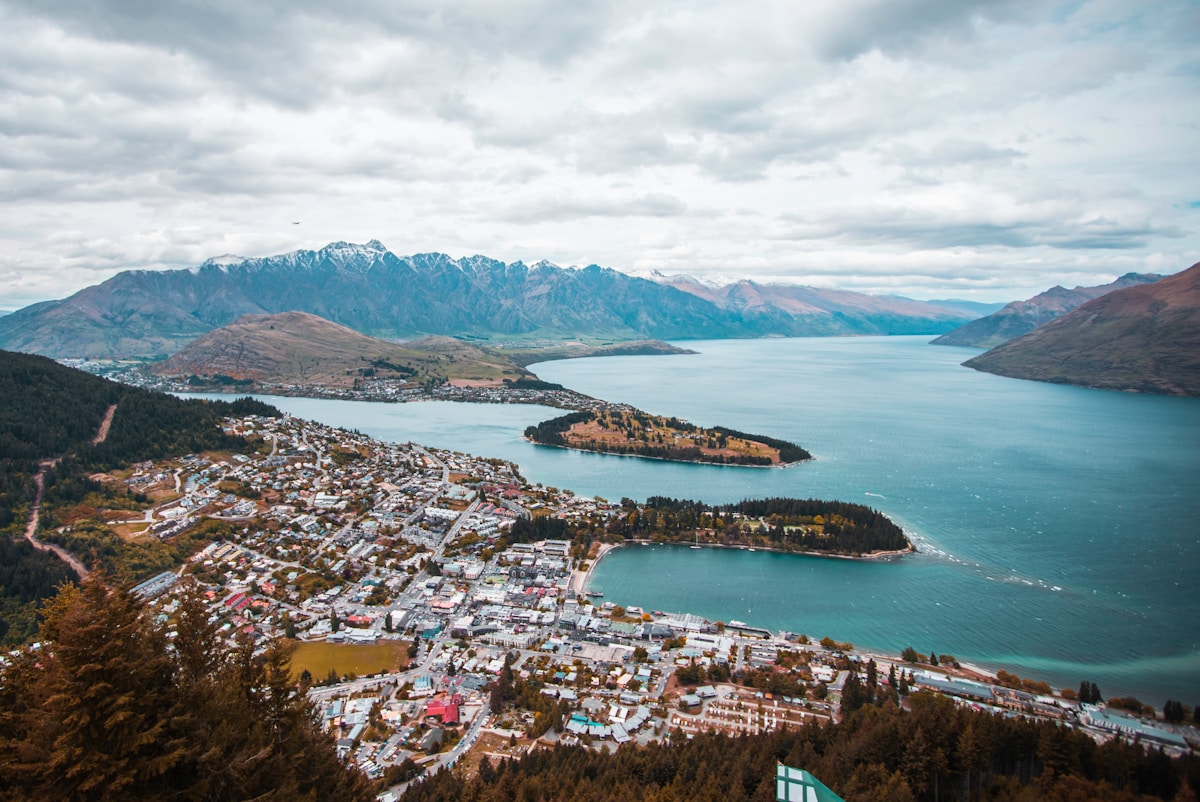
Queenstown and Wanaka become ski towns. Coronet Peak, The Remarkables, Cardrona, Treble Cone — they’re all running. New Zealand skiing isn’t as developed as the Alps or Rockies, but the scenery compensates. Where else do you ski with lake views like that?
Winter also means hot springs hit different. Rotorua’s geothermal pools, Hanmer Springs, even the lesser-known Maruia Hot Springs — they’re genuinely enjoyable when there’s a chill in the air.
And here’s something practical: accommodation prices bottom out. That fancy lodge you couldn’t afford in January? Suddenly within reach.
Winter Realities
The South Island gets cold. Queenstown averages 1-10°C (34-50°F) in July. Frost is normal. Some roads close or require chains.
More importantly, daylight is limited. You get maybe 9-10 hours, which cuts into sightseeing time. Some tour operators reduce schedules or close entirely.
Don’t plan a winter trip around beaches or swimming. But if you’re focused on mountains, wine regions, or urban exploration, winter works fine.
Spring (September – November): The Gamble Season
Spring is unpredictable. That’s both its charm and its frustration.
Spring Potential
Lambing season transforms the countryside into postcards — literally fluffy white lambs dotting green hillsides everywhere. Wildflowers start appearing. Waterfalls run strong from snowmelt.
September and October can deliver stunning clear days. When spring weather cooperates, it rivals autumn for beauty. The lupins around Lake Tekapo bloom in late November, creating those famous purple fields.
Prices stay reasonable through October. You won’t fight crowds at major attractions.
Spring Unpredictability
But spring weather is genuinely volatile. I’ve experienced four consecutive rainy days in October Queenstown. Snow can still fall at higher elevations into November. Wind becomes a factor, especially in Wellington and the Canterbury plains.
If your trip hinges on specific outdoor activities, spring adds risk. Great Walks open progressively through the season, so check specific track dates before booking.
November tends more stable than September-October. If spring is your only option, aim late.
Quick Season Comparison
Best for hiking: February-April
Best for skiing: July-August
Best for budget travel: May-June, September-October
Best for photography: March-April (autumn colors), November (spring blooms)
Best for avoiding crowds: May through September (excluding ski areas)
Practical Booking Timelines
Summer trips (December-February): Book accommodations 4-6 months ahead. Great Walk permits require entering the booking lottery months in advance.
Autumn trips (March-May): 2-3 months lead time is usually fine, though Easter weekend needs earlier planning.
Winter trips (June-August): 1-2 months works for most things, except ski week holiday periods.
Spring trips (September-November): Similar to autumn, 2-3 months gives you good options.
Rental cars during peak summer? Book those early. New Zealand has limited vehicle supply and strong demand. I’ve seen prices triple for last-minute January bookings.
The Bottom Line
For most first-time visitors wanting the classic New Zealand experience — hiking, scenery, mild weather — late February through April delivers the best balance. You get summer’s leftover warmth, autumn’s colors starting, and noticeably fewer tourists.
If you’re flexible and don’t mind cooler weather, May and October offer genuine value with acceptable conditions.
Summer works if you plan far ahead and accept the crowds. Winter works if you’re skiing or specifically want the quieter, moodier atmosphere.
There’s really no wrong answer here. Just different trade-offs depending on what matters most to you.