Why Most People Get Caribbean Island Hopping Wrong
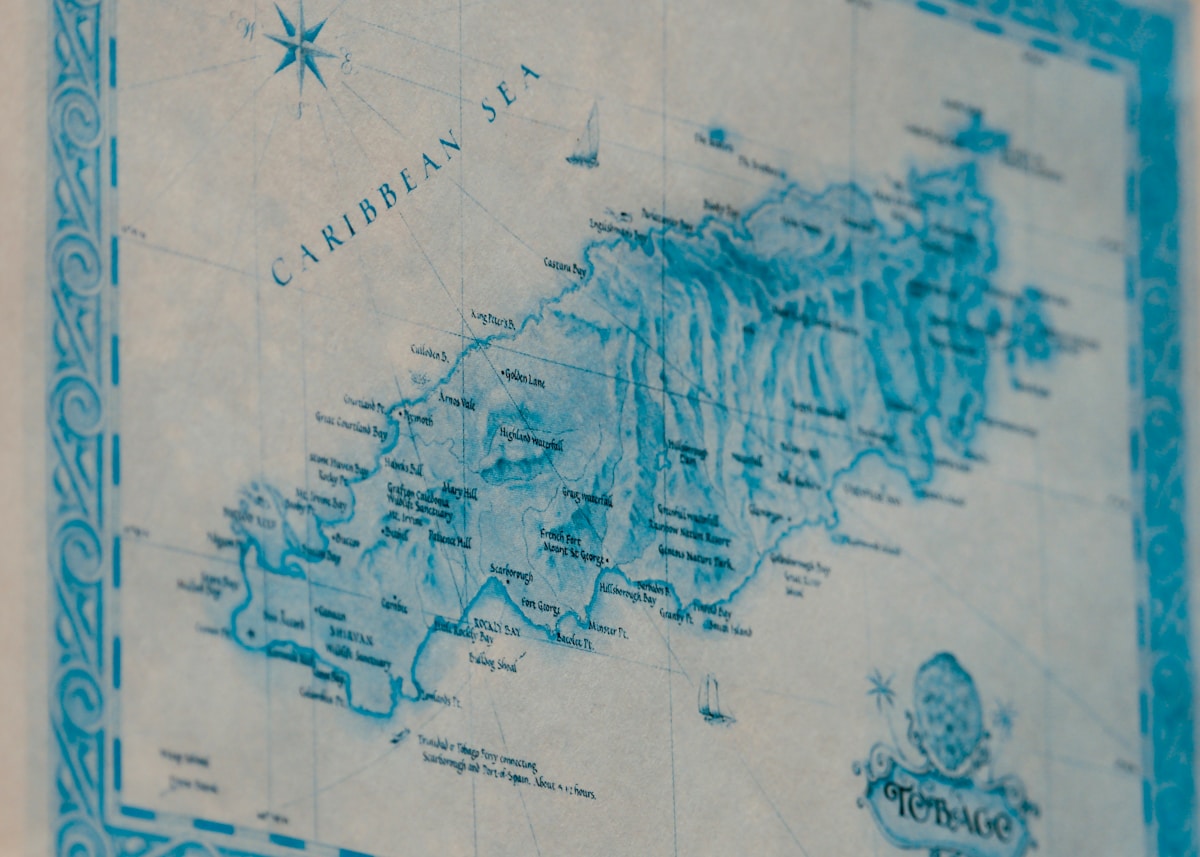
Here’s the thing about the Caribbean: it looks tiny on a map. You’d think hopping from Barbados to Aruba would be like driving across town. It’s not. That “quick jump” involves backtracking through Miami, a 7-hour layover, and $400 you didn’t budget for.
I’ve watched friends plan Caribbean trips like they’re connecting dots on paper. They pick islands based on Instagram photos, not geography. Then they spend more time in airports than on beaches.
The secret? Think in clusters, not countries.
Understanding Caribbean Geography (The Part Nobody Explains)

The Caribbean spans roughly 1,000 miles east to west. Three distinct island groups make planning way easier:
Eastern Caribbean: Barbados, St. Lucia, Martinique, Dominica, Guadeloupe, Antigua. These islands sit in a neat north-south chain. Inter-island flights take 20-45 minutes. Ferries connect several of them.
Southern Caribbean: Aruba, Bonaire, Curaçao (the ABC islands), plus Trinidad and Tobago. Clustered near Venezuela. The ABCs are so close you can literally see one from another.
Western Caribbean/Greater Antilles: Jamaica, Puerto Rico, Dominican Republic, Cuba. Larger islands, farther apart, but excellent flight connections through San Juan.
Pick ONE cluster for your first trip. Seriously. Mixing clusters means expensive positioning flights and wasted vacation days.
The Best Island Hopping Routes That Actually Work
Route 1: The ABC Islands (7-10 Days)
Perfect for beginners. These Dutch Caribbean islands sit within 50 miles of each other.
Day 1-3: Curaçao — Start here. Willemstad’s colorful waterfront gives you that iconic Caribbean postcard shot. The diving is world-class, beaches are uncrowded, and the food scene punches above its weight. Budget-conscious travelers love it.
Day 4-6: Bonaire — A 30-minute flight or ferry ride away. This island exists for divers. If you dont dive, learn here — it’s basically an underwater national park you can access from shore. Quieter vibe, fewer tourists.
Day 7-10: Aruba — End with the most developed island. Better nightlife, more restaurants, easier departure flights to the US. The contrast with sleepy Bonaire feels intentional.
Getting around: Divi Divi Air runs tiny planes between all three islands for $80-150 roundtrip. Book directly on their website — aggregators don’t list these flights.
Route 2: Eastern Caribbean Chain (10-14 Days)
For travelers wanting variety. Each island has distinct personality.
Start: Barbados (2-3 days) — Major hub with cheap flights from the US and Europe. British influence means driving on the left and surprisingly good rum. The east coast waves attract surfers; the west coast calms families.
Middle: St. Lucia (3-4 days) — Those twin Piton peaks you’ve seen everywhere? They’re real and they’re spectacular. More mountainous, more romantic, slightly pricier. Great for hiking the rainforest one day, sailing the next.
End: Antigua (2-3 days) — 365 beaches, one for every day of the year. They actually counted. English Harbour has incredible colonial history and yacht-watching. Easy connections back to major US cities.
Pro tip: LIAT airlines used to dominate this route but collapsed in 2020. Now Caribbean Airlines and interCaribbean Airways fill the gap. Flights run $100-200 per segment. If you’re planning when to visit this region, weather patterns matter more than you’d think — similar to how timing affects Japan travel, the Caribbean has distinct wet and dry seasons that shape your experience.
Route 3: US Virgin Islands + British Virgin Islands (7-10 Days)
No passport needed for USVI. Easy ferry connections between islands.
St. Thomas (2 days) — Your likely arrival point. Charlotte Amalie has duty-free shopping if thats your thing. Magens Bay beach consistently ranks among the Caribbean’s best.
St. John (3-4 days) — Two-thirds national park. Trunk Bay’s underwater snorkeling trail is beginner-friendly and genuinely beautiful. Rent a jeep; roads are steep and exciting.
Tortola, BVI (2-3 days) — Now you need that passport. Ferry from St. John takes 30 minutes. British Virgin Islands feel less commercialized. Sailing culture dominates here.
Virgin Gorda (1-2 days) — The Baths are mandatory. Giant boulders create grottos and pools unlike anything else in the Caribbean. Worth the day trip minimum.
How to Book Without Overpaying

Flights Between Islands
Forget Kayak and Google Flights for inter-island routes. They miss half the options.
Check directly:
- interCaribbean Airways — connects 15+ islands
- WINAIR — St. Maarten hub, northern islands
- Caribbean Airlines — southern islands, Trinidad base
- SVG Air — Grenadines specialists
Book 4-6 weeks ahead for best prices. Unlike planning a European budget trip where booking months ahead saves money, Caribbean airlines release inventory closer to departure.
Ferries Worth Taking
- ABC Islands: Bonaire-Curaçao ferry runs twice weekly, 2.5 hours, around $60
- USVI-BVI: Multiple daily ferries, 30-45 minutes, $30-50 each way
- St. Kitts-Nevis: Frequent service, 45 minutes, under $20
Ferries break up flying monotony and let you see the islands from water level. But don’t romanticize them — Caribbean seas get rough. Take seasickness meds if you’re prone.
Accommodation Strategy
Don’t book the same accommodation type on every island. Mix it up:
- Island 1: Beach resort (splurge, recover from travel)
- Island 2: Local guesthouse or Airbnb (authentic experience, save money)
- Island 3: Boutique hotel (middle ground, treat yourself ending)
Booking platforms work fine for the Caribbean. One exception: smaller islands sometimes have properties only bookable through direct email. Ask in island-specific Facebook groups for recommendations.
Timing Your Trip Right
December-April: Dry season. Best weather, highest prices, most crowded. Book everything months ahead.
May-June: Shoulder season sweet spot. Prices drop 30-40%, weather still mostly cooperative. My personal favorite window.
July-November: Hurricane season. Yes, real risk exists. But also: rock-bottom prices and empty beaches. Travel insurance becomes non-negotiable. I’ve done September trips that were perfect — and ones where we evacuated. Roll the dice only if you’re flexible.
Building Your Custom Route
Start with these questions:
Map your choices geographically. If they don’t cluster, something’s wrong.
What to Pack Different From Normal Beach Trips
Standard beach trip advice applies, plus:
- Reef-safe sunscreen — Many islands now legally require it
- Light layers — Island-hopper flights have aggressive AC; ferries get windy
- Copies of all booking confirmations — Wifi isn’t reliable everywhere
- Cash in multiple currencies — Eastern Caribbean dollars, US dollars, euros (Dutch islands), local currencies all circulate
The Honest Truth About Island Hopping
It’s not relaxing in the traditional sense. You’re packing and unpacking. Dealing with small airlines. Figuring out unfamiliar taxi systems. Some connections won’t go smoothly.
But the payoff? Waking up on three different islands in one week. Seeing how Aruba’s desert landscape differs completely from St. Lucia’s jungle peaks. Understanding the Caribbean as a region, not a monolith.
And unlike cramming Southeast Asia into a first trip where distances truly punish you, Caribbean clusters reward the island-hopping approach. The key is respecting geography instead of fighting it.
Start with one cluster. Three islands maximum. Save other regions for future trips.
Your perfect Caribbean itinerary isnt about seeing everything. Its about seeing connected places deeply enough to actually remember them.