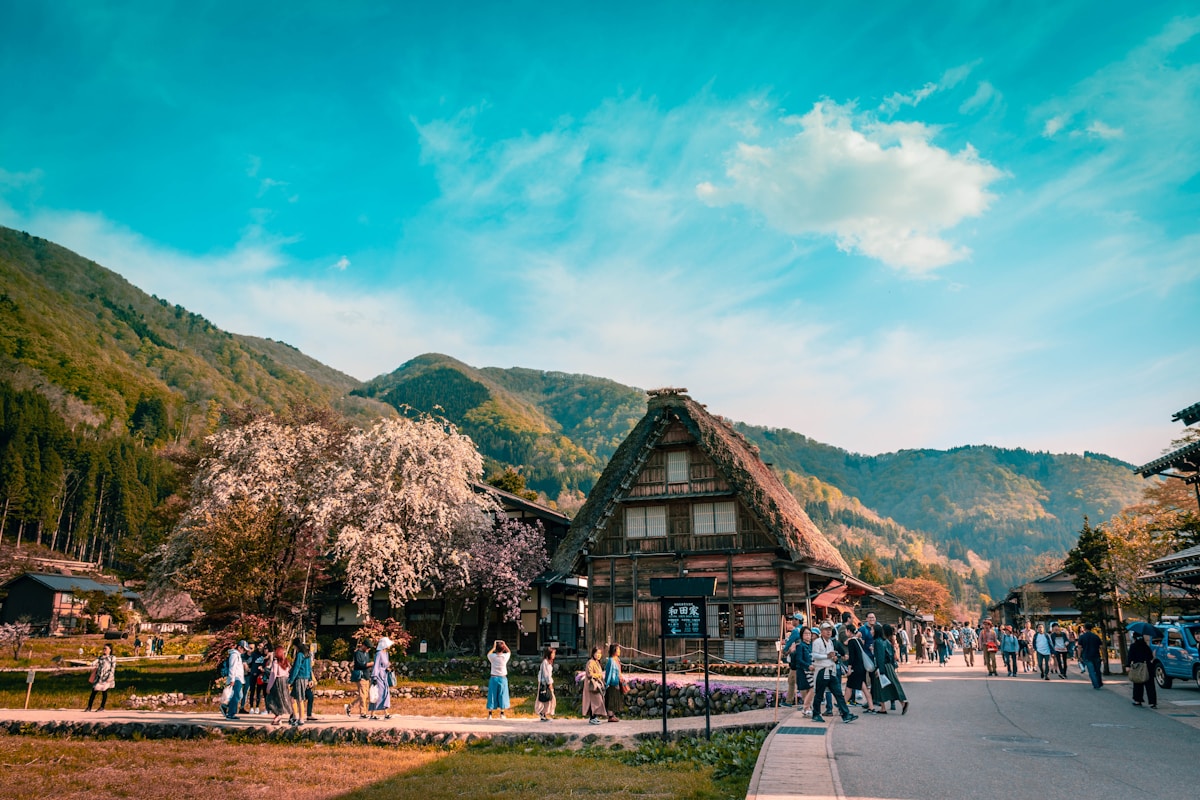
Forget Everything You’ve Heard About “Peak Season”
Everyone tells you to visit Japan during cherry blossom season. And sure, those pink-petaled streets look incredible on Instagram. But here’s what those posts don’t show: shoulder-to-shoulder crowds at every temple, hotel prices that triple overnight, and the very real possibility that the blooms peaked two days before you arrived.
Japan is a 3,000-kilometer archipelago stretching from subarctic Hokkaido to subtropical Okinawa. Picking the “best” time depends entirely on what you want to see, where you’re going, and how you handle crowds. Let me break this down properly.
Spring: March to May

Cherry Blossom Reality Check
The sakura season moves like a wave from south to north. Okinawa sees first blooms in late January. Tokyo and Kyoto hit peak around late March to early April. Hokkaido doesn’t get there until early May.
The window is brutally short — about one week of full bloom per location. Miss it by three days and you’re looking at bare branches or fallen petals. The Japan Meteorological Corporation releases forecasts starting in January, and honestly, you need to check them obsessively.
That said, theres something magical about hanami (flower viewing) season. Parks fill with picnicking families, convenience stores stock sakura-flavored everything, and the entire country feels celebratory. If you can handle the crowds and accept some unpredictability, it’s worth experiencing once.
The Smarter Spring Play
Late April through mid-May offers nearly everything spring promises minus the chaos. Temperatures hover around 15-20°C in central Japan. The wisteria blooms at places like Ashikaga Flower Park create equally stunning — and less crowded — photo opportunities. Plus, Golden Week (late April/early May) is when Japanese domestic tourists travel, so avoiding that specific window keeps things manageable.
Summer: June to August
The Rainy Season Nobody Warns You About
June brings tsuyu — the rainy season. It hits Okinawa first and works northward, lasting roughly six weeks per region. Central Japan (Tokyo, Kyoto, Osaka) gets drenched from early June through mid-July. This isn’t gentle drizzle. Expect heavy, persistent rain that makes outdoor sightseeing genuinely miserable.
Hokkaido skips the rainy season entirely. This makes it the smartest June destination by far.
July and August: Festivals and Humidity
Once the rain clears, summer explodes with matsuri (festivals). The Gion Matsuri in Kyoto spans all of July. Tenjin Matsuri in Osaka brings fireworks and boat processions in late July. The famous Awa Odori dance festival takes over Tokushima in mid-August.
But here’s the trade-off: humidity that feels like walking through soup. Tokyo in August regularly hits 35°C with 80% humidity. Kyoto sits in a basin, making it even more oppressive. You’ll be drenched in sweat within minutes of leaving air conditioning.
If you’re determined to visit in summer, head north. Hokkaido’s lavender fields in Furano peak in July, temperatures stay comfortable, and you avoid the worst of the sticky misery.
Autumn: September to November

This is my honest pick for the best overall time to visit Japan.
Why Autumn Works
September still carries summer heat but with fewer tourists. October brings comfortable temperatures — around 15-22°C in most regions — perfect for walking miles through cities and hiking temple trails. November delivers koyo (autumn colors) that rival cherry blossoms in beauty but draw maybe half the crowds.
The foliage timing follows the opposite pattern from spring: starting in Hokkaido around late September and reaching Kyoto and Tokyo by mid-to-late November. This gives you a wider window to plan around.
Best Autumn Destinations
Kyoto becomes absolutely stunning in November. Temples like Tofuku-ji and Eikando feature red maples against wooden architecture that photographs don’t do justice. The Koyasan temple town offers overnight stays in Buddhist monasteries surrounded by autumn forest.
Nikko, a few hours north of Tokyo, combines waterfalls, shrines, and some of the country’s most vivid autumn colors. If you’re planning a trip that includes multiple countries in the region, November also aligns well with pleasant weather across Southeast Asia.
Winter: December to February
Snow Country and Ski Season
Forget tropical beach escapes — Japan does winter better than almost anywhere. The Japan Alps receive some of the deepest, fluffiest powder snow on earth. Niseko in Hokkaido has become legendary among skiers for good reason.
But winter isn’t just for skiing. The Sapporo Snow Festival in early February features massive ice sculptures and draws visitors worldwide. Shirakawa-go’s traditional thatched-roof houses blanketed in snow look like something from a fairytale. Onsen (hot spring) towns like Ginzan in Yamagata offer the quintessential experience of soaking in steaming outdoor baths while snowflakes fall around you.
Regional Differences Matter
Western Japan along the Sea of Japan coast gets hammered with snow. The Pacific side — including Tokyo — stays relatively dry and sunny, though cold. Okinawa maintains temperatures around 15-20°C, making it a domestic escape for mainland Japanese.
For budget travelers, winter (excluding New Year’s week) offers lower hotel prices and thinner crowds at major attractions. The trade-off: shorter daylight hours and some mountain areas becoming inaccessible.
Regional Breakdown: Quick Reference
Hokkaido (North)
- Best: July-August for flowers and hiking, February for snow festivals
- Avoid: March-April (muddy transition season)
Tokyo and Central Honshu
- Best: Late March-April for sakura, November for autumn colors
- Avoid: June (rain), August (brutal heat)
Kyoto and Kansai
- Best: April and November
- Avoid: Mid-June through mid-July, August
Okinawa (South)
- Best: March-May (warm, fewer typhoons)
- Avoid: August-October (typhoon season)
Money Talk: When Budget Meets Timing
Peak seasons cost significantly more. A mid-range Kyoto hotel that runs ¥15,000/night in February might hit ¥45,000 during cherry blossom week. Flights from North America spike during Golden Week and New Year’s.
The sweet spots for budget-conscious travelers: late January through mid-March (post-New Year, pre-sakura), late May through mid-June (post-Golden Week, pre-heavy rain), and late September through mid-October. These windows deliver good weather without peak pricing.
If you’re working with a tight budget similar to planning a European trip economically, targeting shoulder seasons becomes even more critical.
Making Your Decision
Stop looking for the “perfect” time. It doesn’t exist.
What exists: trade-offs that align better or worse with your priorities.
Want guaranteed good weather and manageable crowds? Go in October. Want cherry blossoms despite the chaos? Book March-April but stay flexible on exact dates. Want skiing and hot springs without spending a fortune? January is your month.
Japan rewards visitors year-round. I’ve been in scorching August Kyoto and February Hokkaido blizzards, and both delivered memorable experiences. The key isn’t picking the objectively best time — it’s picking the right time for what you actually want to do.
Final Planning Tips
Book accommodations early for spring and autumn, especially in Kyoto. Three months ahead isn’t paranoid; it’s necessary.
Check the JR Pass carefully — recent price increases and rule changes mean it’s no longer automatically the best deal for every itinerary.
And whatever season you choose, leave room for spontaneity. Some of my best Japan memories came from stumbling into local festivals I hadn’t researched or taking last-minute detours to towns I couldn’t pronounce. The country has a way of surprising you, regardless of what the weather’s doing.