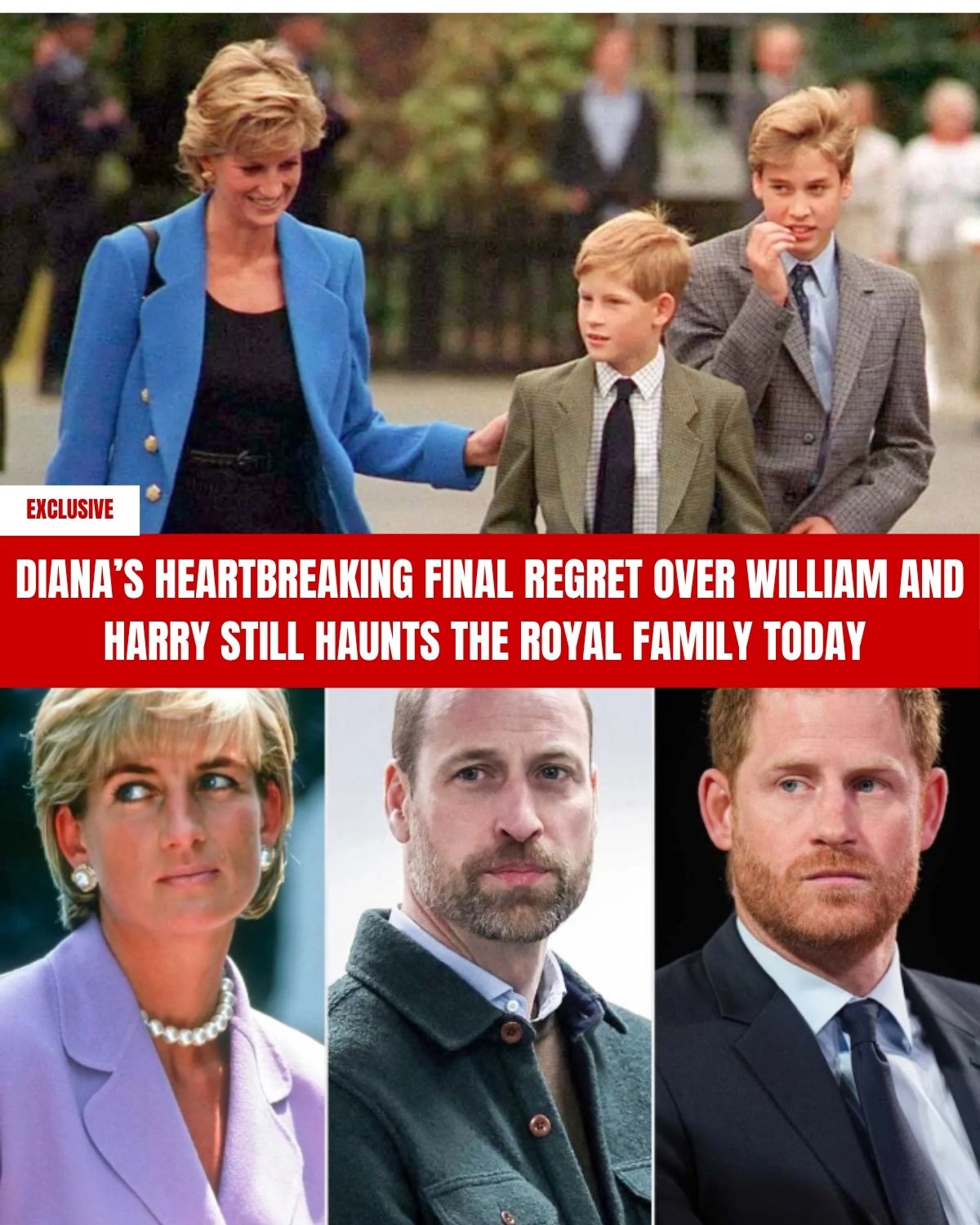
Even nearly 29 years after her tragic death, new revelations show Princess Diana was tormented by fears that her most famous interview had deeply wounded her young sons — a pain that continues to fuel the bitter divide between Prince William and Prince Harry in 2026.
Just ten days before the fatal car crash in Paris on 31 August 1997, during a private holiday in Greece, Princess Diana confided in her closest friend Rosa Monckton. She expressed profound regret over her explosive 1995 BBC Panorama interview — the one that shook the monarchy to its core.
In a powerful new interview with People magazine (late 2025, still making waves this year), Rosa Monckton revealed Diana’s private confession:
“She told me she regretted doing it because of the harm she thought it had done to her boys.”
At the time, William was 15 and Harry was 12. Diana feared the global broadcast — where she openly discussed her unhappy marriage, bulimia, and struggles inside the royal family — had placed an unbearable emotional burden on her sons that she could no longer protect them from.
The Deception That Never Died
We now know the full truth: BBC journalist Martin Bashir used forged documents, fake bank statements, and lies about palace spying to manipulate Diana into the interview. The BBC covered it up for decades. Even in 2026, this betrayal still feels raw — especially as Prince William has openly called it “an open wound that will not heal.”
Diana never lived to discover the extent of the deceit. Instead, she died believing she had spoken out to protect herself — while unknowingly exposing her children to years of pain.
How This Old Wound Keeps Fueling Today’s Feud
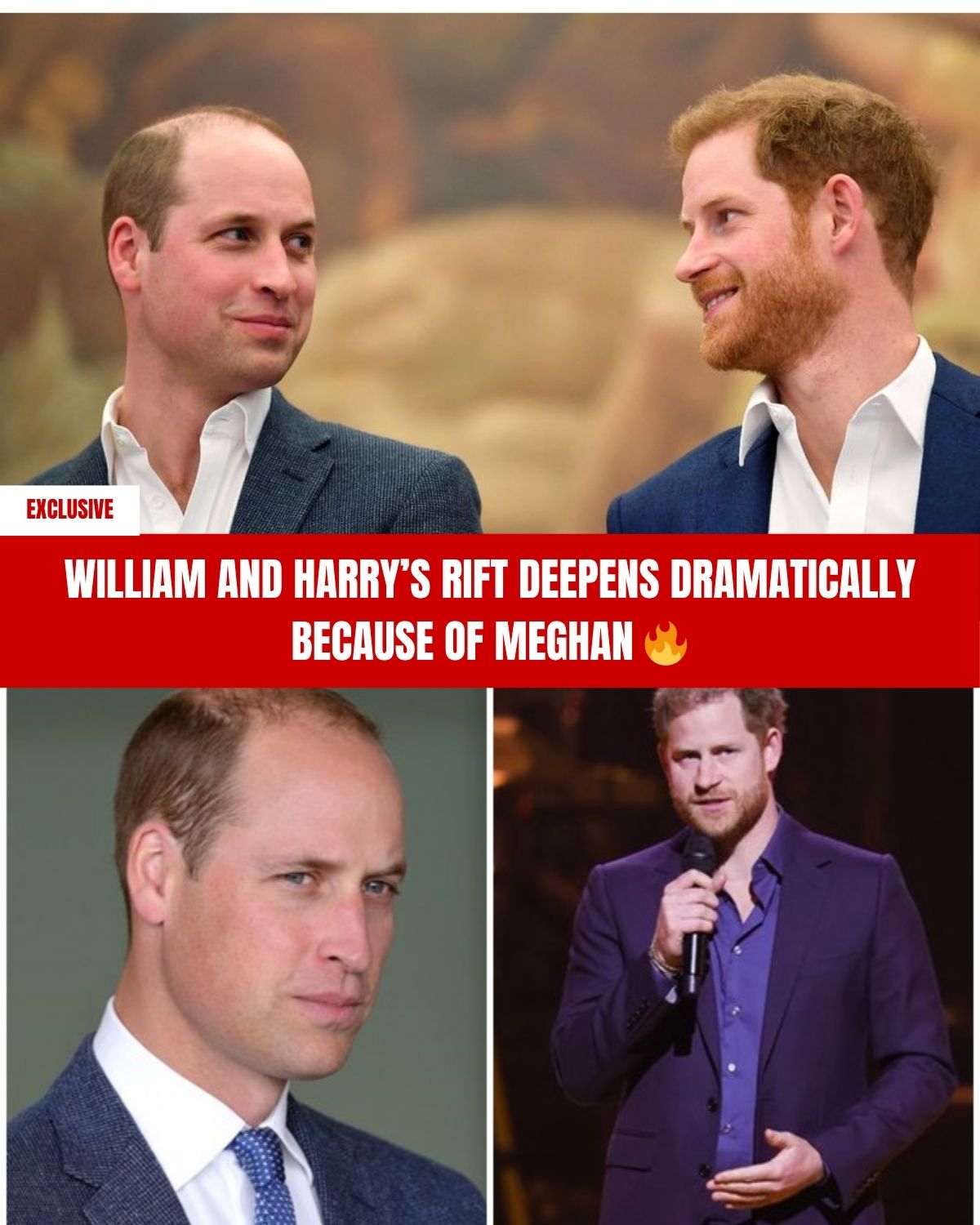
Prince William has made his position crystal clear: the Panorama interview worsened his parents’ relationship and contributed to his mother’s isolation and paranoia in her final years. He holds the BBC accountable — and by extension, anyone who continues to air family grievances publicly.
Prince Harry, however, has taken a different view, even claiming parts of his mother “died” because of that interview. Yet many British voices today point out the painful irony: Harry’s own bombshell interviews, Netflix series, and memoir Spare have repeated the very pattern Diana came to regret — dragging family pain into the spotlight.
This 2025-2026 resurgence of the story is reigniting fury among royal supporters: How many more times must the royal family be torn apart by public confessions? Why does the cycle of betrayal and resentment continue?
Diana wanted to protect her boys. Today, one son is quietly carrying the weight of the Crown with dignity. The other seems unable — or unwilling — to break the cycle she so deeply regretted.
The wound is still open in 2026. And every new revelation makes it bleed again.