Why You Must Clean These 3 Body Parts Daily — Especially After 70
You may have been showering the same way for 40, 50, or even 60 years.
Wash your hair. Soap your arms and chest. Rinse off. Dry yourself. Done.
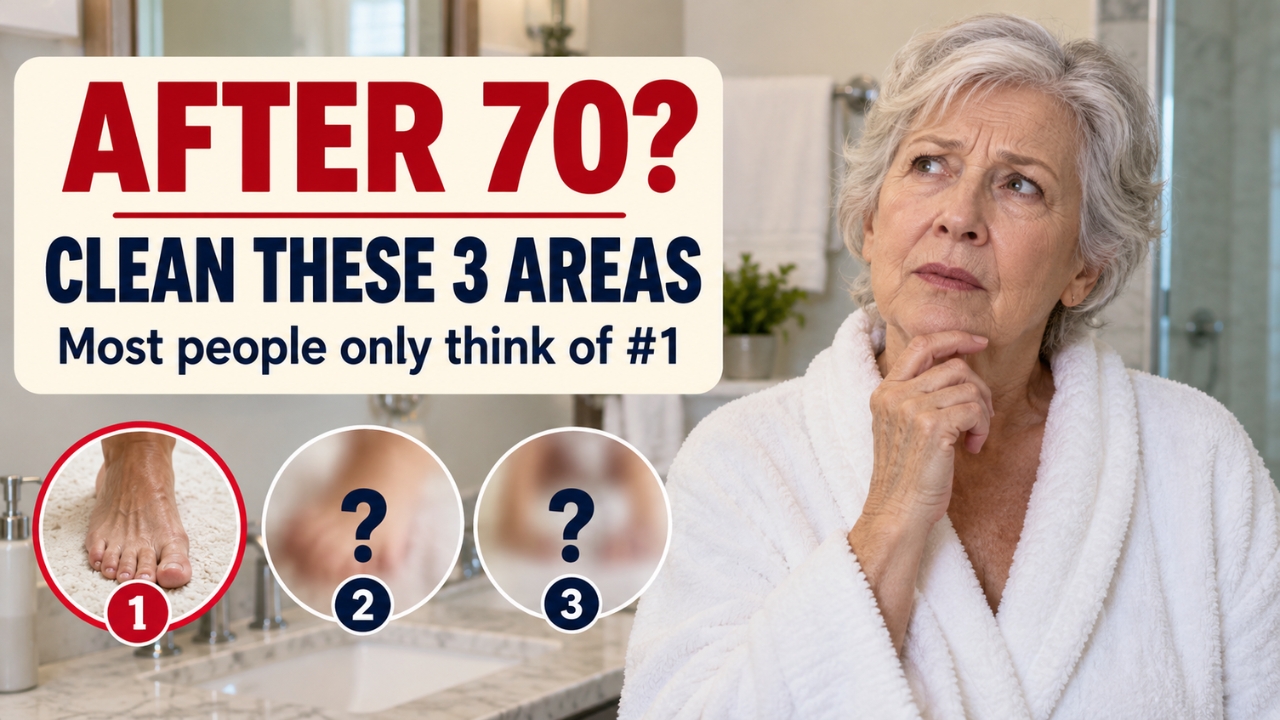
But after 70, a few small areas of the body can become easier to overlook—and more important to pay attention to.
Not because you suddenly became “unclean.”
Aging simply changes the skin.
It may become thinner, drier, more delicate, and slower to recover from irritation. Bending, reaching, or seeing certain areas clearly can also become more difficult. And when moisture stays trapped in small folds or between the toes, irritation can develop before you even notice it.
That is why good hygiene after 70 is not about scrubbing harder or taking longer showers.
It is about knowing where to pay attention.
Three areas in particular deserve a little extra care.
The first affects something every older adult wants to protect: the ability to stay on your feet.
And the second is a spot many people have barely thought about since childhood.
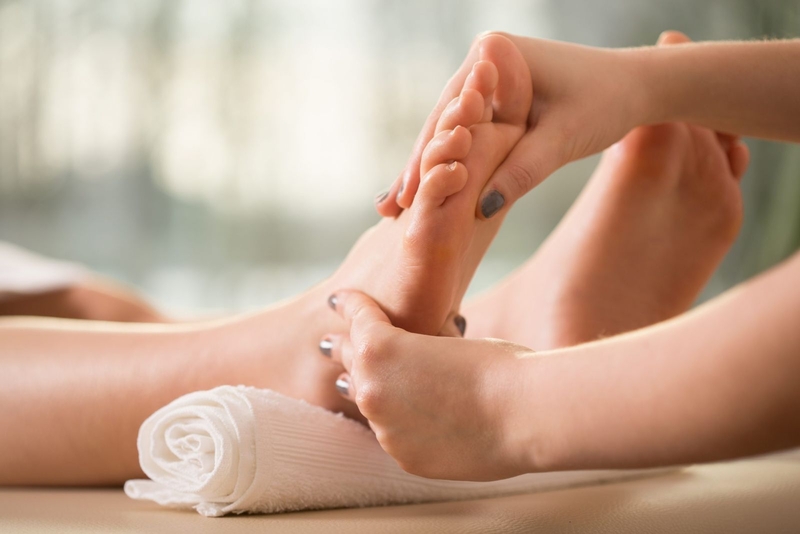
1. Your Feet: Don’t Just Wash Them—Look at Them
Think about the last time you showered.
Did you actually wash between your toes?
Did you look at your heels?
Did you check the bottoms of your feet?
Or did the water simply run over them while you washed everything else?
For many people, feet are an afterthought.
But after 70, they deserve much more attention.
Your feet carry you through almost everything you do.
They get you out of bed.
They take you to the kitchen.
They help you shop for groceries, walk to the mailbox, visit friends, work in the yard, and move through your own home.
That makes foot health closely tied to independence.
As we age, the skin on the feet may become drier and more prone to cracking. Some people also experience reduced circulation or changes in sensation.
And conditions such as diabetes, neuropathy, or vascular disease can make foot problems especially important to notice early.
A small blister or cracked heel may not seem serious.
But if you do not feel it clearly—or never look at it—you may not realize there is a problem.
That is why one of the most useful habits you can develop after 70 takes less than a minute:
**Look at your feet every day.**
### What should you look for?
Pay attention to:
– redness
– swelling
– blisters
– cracks in the heels
– cuts or sores
– changes in skin color
– unusual warmth
– peeling or itching between the toes
– changes in the toenails
If bending down is difficult, a hand mirror can make checking the bottoms of your feet easier.
The point is not to become anxious about every small mark.
It is simply to know what is normal for your feet so you are more likely to notice when something changes.
### How should you wash them?
Keep it simple.
Use warm—not very hot—water and a mild soap.
Gently wash the tops, soles, heels, and between the toes.
Then comes the part many people skip:
**Dry them carefully.**
Especially between the toes.
Moisture that remains trapped there can make the skin more vulnerable to irritation and fungal problems.
Pat rather than rub aggressively.
If the skin on your heels or soles becomes very dry, moisturizer may help, but avoid leaving heavy cream between the toes where moisture can remain trapped.
And if you have diabetes, poor circulation, numbness, or a wound that is not healing normally, foot care deserves extra attention from a healthcare professional.
You do not need a complicated ten-step routine.
Wash.
Dry.
Look.
That small habit can help protect the part of your body that literally keeps you moving.
But the next area is much easier to forget.
In fact, some people rarely clean it intentionally at all.
2. Your Belly Button: The Tiny Spot Almost Everyone Assumes Cleans Itself
When was the last time you deliberately cleaned inside your belly button?
For many people, the answer is:
“I honestly don’t remember.”
That is understandable.
The navel is tiny.
It usually does not hurt.
And because shower water runs across the abdomen, it is easy to assume it automatically gets clean.
But a belly button—especially a deeper one—is essentially a small skin pocket.
Sweat, dead skin, lint, soap residue, and moisture can collect there.
And after 70, changes in the skin and body shape can make the area deeper or harder to see and reach.
That does not mean everyone needs to worry about belly button infections.
Most people do not.
But it does mean this tiny area is worth remembering during your normal hygiene routine.
### A simple way to clean it
You do not need special products.
During your bath, shower, or sponge wash, gently clean the area with warm water and a small amount of mild soap.
A clean fingertip or the corner of a soft washcloth is usually enough.
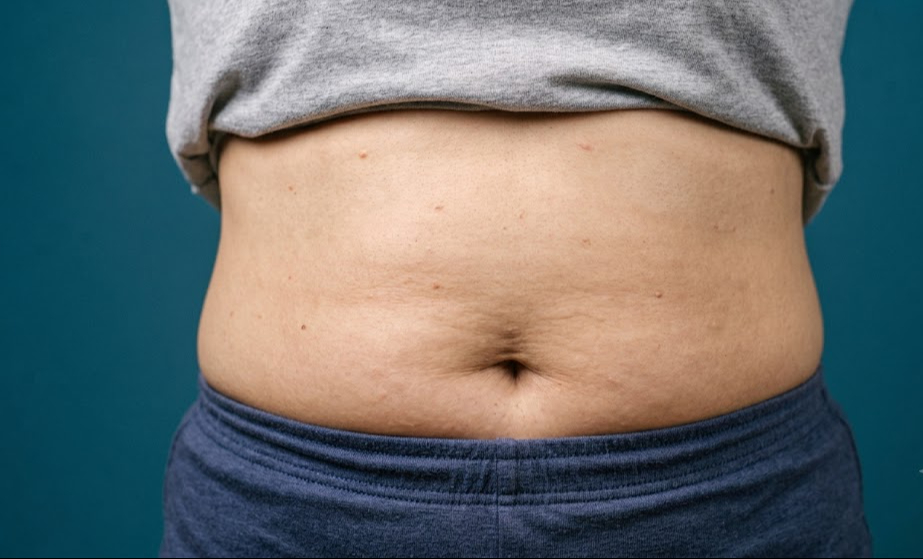
Do not aggressively dig, scrape, or scrub inside.
Delicate older skin can become irritated more easily.
Afterward, rinse away any soap residue and dry the area carefully.
Again, the important word is:
**dry.**
Warm, damp skin folds are exactly where irritation tends to become more likely.
If your belly button is deep, take a few extra seconds to make sure moisture is not sitting inside.
### What changes deserve attention?
Most of the time, there will be nothing unusual.
But do not ignore persistent:
– redness
– swelling
– itching
– tenderness
– unpleasant odor
– ongoing moisture
– unusual discharge
Those symptoms do not automatically mean something serious.
But if they continue, especially if you have diabetes, circulation problems, previous abdominal surgery, or other health concerns, it is worth letting a healthcare professional take a look.
One of the biggest mistakes people make with small skin problems is waiting because they feel embarrassed.
Doctors and nurses have seen these issues countless times.
There is nothing embarrassing about taking care of your body.
And that brings us to the third area.
It is perhaps the one older adults are least comfortable talking about—but also one where moisture and skin irritation can become particularly uncomfortable.
3. The Groin and Skin Folds: Gentle Cleaning Matters More Than Scrubbing
This is not a glamorous subject.
But it is an important one.
The groin naturally stays warmer and more humid than many other parts of the body.
There are skin folds.
There is friction.
There is sweat.
And for some older adults, urinary leakage or the use of absorbent pads can add even more moisture.
All of that means this area benefits from regular, gentle care.
The mistake is thinking that “cleaner” means scrubbing harder.
It does not.
After 70, skin can be more delicate.
Aggressive rubbing, heavily scented soap, or harsh cleaning products can create irritation rather than prevent it.
The goal is simple:
**clean gently and keep the area dry.**
### During your normal wash
Use warm water and a mild, unscented cleanser if needed.
Wash skin folds gently.
Then rinse thoroughly.
Afterward, pat the area dry with a clean towel rather than rubbing aggressively.
Pay particular attention to folds where moisture may remain.
If you use absorbent underwear or pads because of urinary leakage, changing them regularly is also important so wet material is not held against the skin for long periods.
Breathable, comfortable underwear can help reduce heat and friction as well.
Again, none of this needs to be complicated.
Most good hygiene habits are surprisingly simple.
### What should you watch for?
Do not automatically dismiss ongoing:
– redness
– burning
– itching
– unusual odor
– cracked or raw skin
– persistent rash
– painful areas
– sores
Sometimes older adults tolerate discomfort because they assume:
“I’m getting older. Things like this just happen.”
But discomfort is still information.
A persistent skin problem deserves attention regardless of age.
And if an area becomes painful, swollen, develops discharge, or does not improve, a healthcare provider can help determine what is actually causing it.
Trying random creams without knowing the cause can sometimes make irritation harder to understand.
There is no shame in asking.
## The Real Secret Isn’t Washing More
After reading this, you might think the lesson is:
“People over 70 need to shower more.”
That is not really the point.
More washing is not automatically better.
Older skin can become dry and irritated when exposed to very hot water, harsh soaps, or excessive scrubbing.
The better lesson is:
**Be more intentional.**
You may not need a longer shower.
You may simply need to pay attention to areas that are easy to rush past.
Feet.
Belly button.
Groin and skin folds.
Wash gently.
Rinse well.
Dry carefully.
Look for changes.
That is far more useful than scrubbing your entire body harder.
## One Habit May Be Even More Important Than Cleaning
There is another benefit to paying attention to these three areas:
You start noticing your own body.
That sounds obvious, but it matters.
Imagine that you look at your feet every morning.
One day you notice a blister that was not there yesterday.
Because you noticed it early, you can protect the area and watch it.
Or perhaps while drying your skin, you notice a patch of redness that has appeared in a fold.
Instead of ignoring it for three weeks, you pay attention immediately.
That is the real advantage of a simple daily hygiene routine.
It creates a moment when you check in with your body.
Not obsessively.
Not fearfully.
Just attentively.
For older adults, especially those living alone, that small daily check can be valuable.
## Be Especially Careful If You Have Certain Health Conditions
Some people need to pay closer attention than others.
If you have diabetes, neuropathy, poor circulation, reduced sensation, limited mobility, or difficulty seeing parts of your body, small skin changes may be harder to notice.
That does not mean something bad is going to happen.
It simply means prevention and early attention become more important.
If reaching your feet or other areas is physically difficult, do not risk falling in the shower trying to reach them.
Safety comes first.
Use appropriate assistive tools or ask a trusted caregiver or healthcare professional for advice on safer ways to manage personal hygiene.
Independence does not mean refusing all help.
Sometimes using the right support is exactly what helps you remain independent longer.
## Don’t Ignore These Warning Signs
Every small red spot does not require a doctor.
But certain changes should not simply be ignored.
Contact a healthcare professional if you notice symptoms such as:
– a wound that is not healing
– spreading redness
– increasing swelling
– worsening pain
– unusual discharge
– a persistent or worsening rash
– a foul odor that continues despite cleaning
– significant changes in skin color
– fever or feeling generally unwell along with a skin problem
This is especially important if you have diabetes or circulation problems.
Early attention is usually easier than waiting until a minor problem becomes much harder to manage.
## After 70, Small Habits Can Protect Big Things
When people talk about healthy aging, they often focus on major changes.
Eat perfectly.
Exercise every day.
Lose weight.
Take supplements.
Completely change your lifestyle.
But healthy aging is also built from much smaller habits.
Checking your feet.
Drying between your toes.
Remembering a skin fold.
Looking at a place on your body you normally ignore.
Speaking up when something does not look or feel right.
None of these things feels dramatic.
That is exactly why they are easy to overlook.
But independence later in life is often protected by ordinary actions repeated consistently.
You want to keep walking.
You want to stay comfortable.
You want to dress yourself, leave the house, see friends, shop, travel, garden, cook, and live your life without unnecessary discomfort.
Taking a few extra moments to care for your skin can support those bigger goals.
So the next time you shower or wash, remember these three places:
**1. Your feet — wash them, dry between the toes, and look for changes.**
**2. Your belly button — gently clean it and make sure it does not stay damp.**
**3. Your groin and skin folds — clean gently, rinse well, and keep the area dry.**
No extreme routine.
No expensive product.
No fear.
Just a little more attention to places that become easier to overlook as we get older.
And sometimes, the smallest habits are the ones that help us protect the things that matter most:
comfort, mobility, confidence, and independence.