For forty years, Burt had a secret that would leave a lasting impact on countless lives. After his passing, his wife uncovered a heartwarming truth about his seemingly simple habit of withdrawing fifty dollars from each paycheck—a gesture that turned out to be a lifeline for children in need.
When they first tied the knot, Burt’s routine of stopping by the bank every payday struck his wife as peculiar. He would withdraw exactly fifty dollars, no more, no less. Initially, she playfully speculated about his motives, guessing everything from lottery tickets to coffee. But as their life together flourished—raising two children, paying off their mortgage, and enjoying retirement—she learned to accept some mysteries as part of their shared journey.
Burt, who retired from his job at the city bus department, found joy in his role as a crossing guard at a local elementary school. Rain or shine, he greeted children with warmth and familiarity, earning the affectionate title of “Mr. Burt.” Tragically, he passed away peacefully in his sleep last November, leaving a void in their home that felt insurmountable.
Weeks after his funeral, while sorting through his belongings, she stumbled upon his bright orange crossing-guard vest. Deciding to return it to the school, she was met with a sympathetic smile from the secretary, who hinted at a deeper story. “He never told you… did he?” she asked, leaving his wife puzzled.
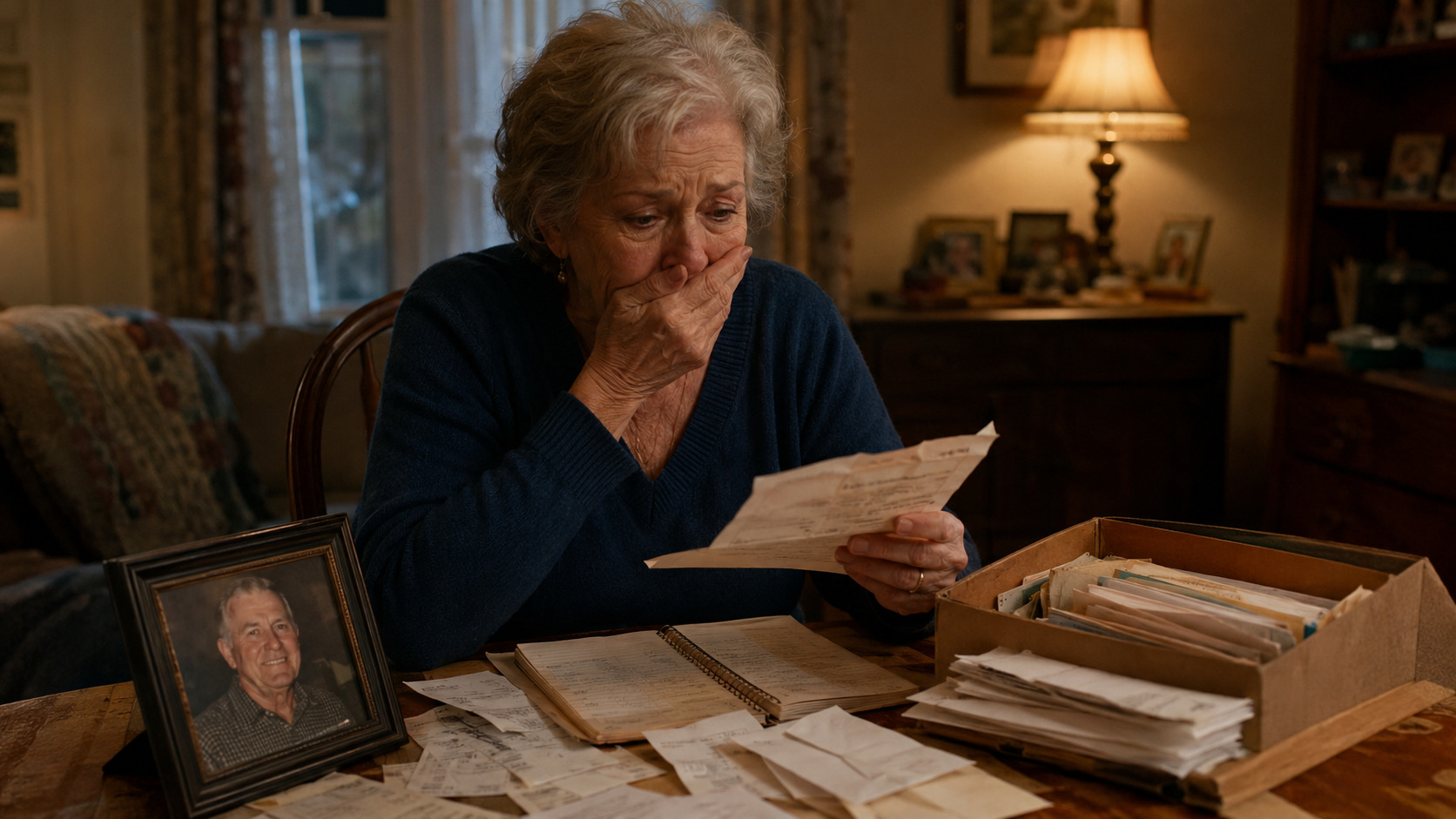
The secretary soon returned with a well-worn binder labeled simply “Mr. Burt.” Inside, she discovered a treasure trove of handwritten notes detailing the names of children, dates, and lunch account balances. Each entry bore the same notation: “Paid anonymously.” Over the years, Burt had quietly covered the lunch expenses for countless children whose families struggled to afford meals.
The earliest entry dated back to 1984, with the most recent just weeks before his death. As she flipped through the pages, her hands trembled, overwhelmed by the realization of Burt’s selfless acts. The secretary shared that Burt believed no child should go hungry due to their family’s hardships, a sentiment that resonated deeply within her.
Among the pages, she found a folded note from Burt, written in his familiar handwriting. It recounted a childhood memory of going hungry when his own lunch account ran out. A kind lunch lady had intervened, and Burt vowed to be that stranger for others in need. “If I can spend the rest of my life becoming that stranger for someone else, it’ll be money well spent,” he had written.
As word of her visit spread, teachers and former students began to share their own stories of Burt’s kindness. One young man, now a pediatric nurse, revealed he was among those whose lunches Burt had funded, expressing gratitude for the support he received during tough times.
That day, she realized Burt’s fifty-dollar withdrawals were not frivolous expenditures; they were investments in the futures of children who would never know his name. Returning home, she found one last envelope addressed to her, revealing Burt’s wish for her to continue his legacy of generosity.
Inspired by his spirit, she established a scholarship fund in his memory, aptly named “A Friend You Never Met.” It serves to support students facing financial challenges, ensuring that Burt’s legacy of kindness lives on.
In a world where wealth is often measured by material possessions, Burt’s true riches lay in the countless children he helped. Now, every time she sees fifty dollars in her wallet, she smiles, knowing exactly where it was always meant to go. What other secrets might we uncover about those we love?