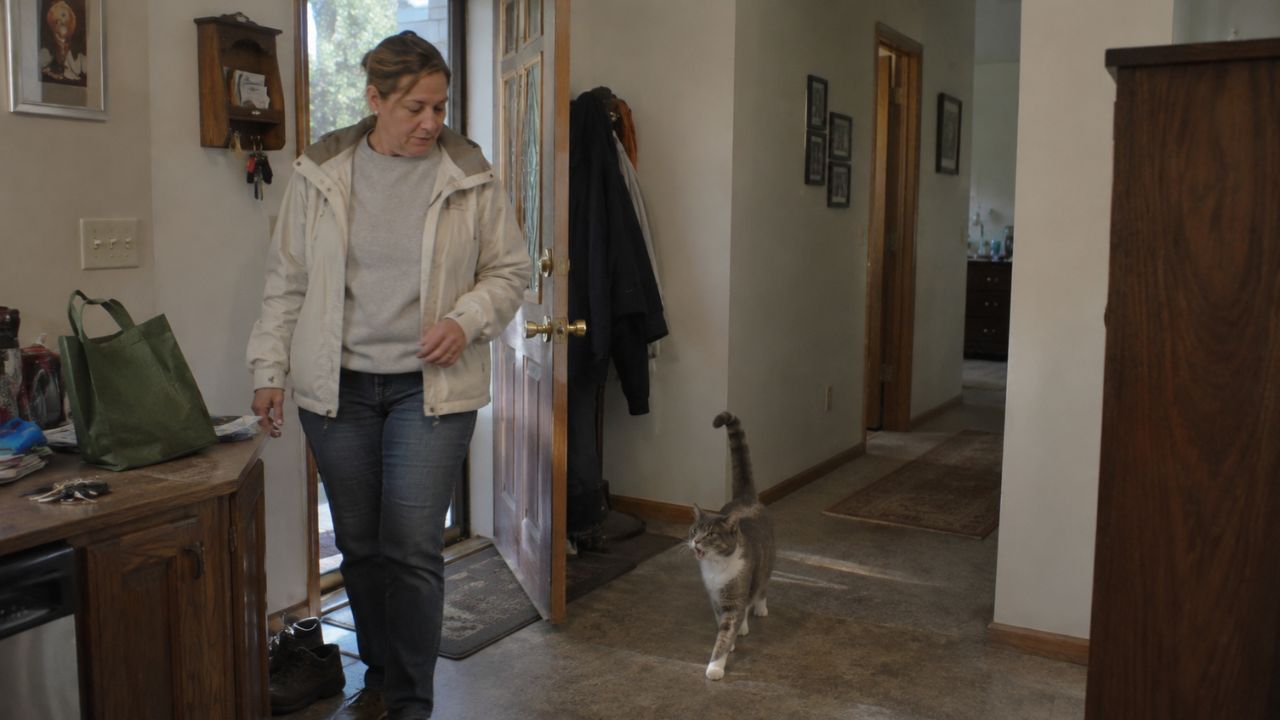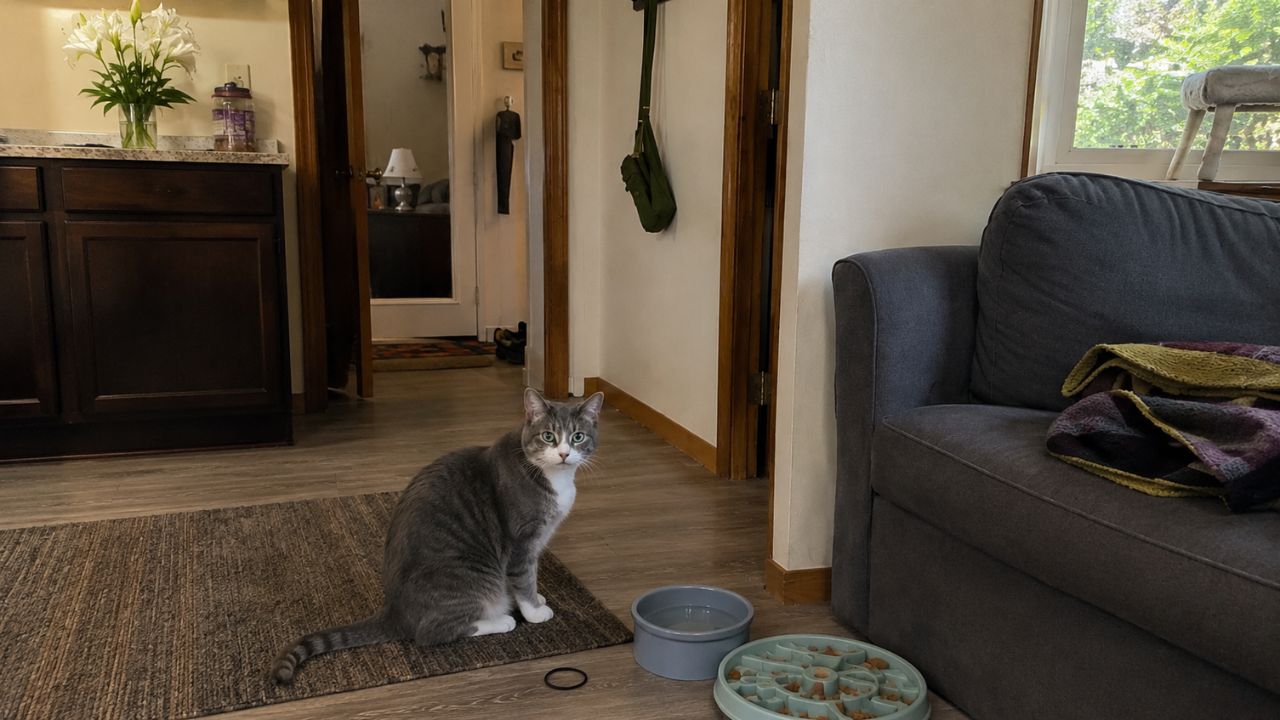
You keep your cat indoors because you love them.
You close the doors, check the windows, fill their bowl, and make sure the outside world cannot reach them.
Home is supposed to be the safe place.
But some of the most dangerous threats an indoor cat may face do not come from traffic, predators, or unfamiliar streets.
They are already inside.
They may be sitting beside the food bowl, hiding beneath the bathroom counter, resting against a window screen, or blooming quietly in a vase.
Most owners do not miss these dangers because they are careless.
They miss them because the danger looks ordinary.
And sometimes, by the time a cat shows that something is wrong, the harmless-looking object has already become an emergency.
1. The Water Bowl That Stays Full
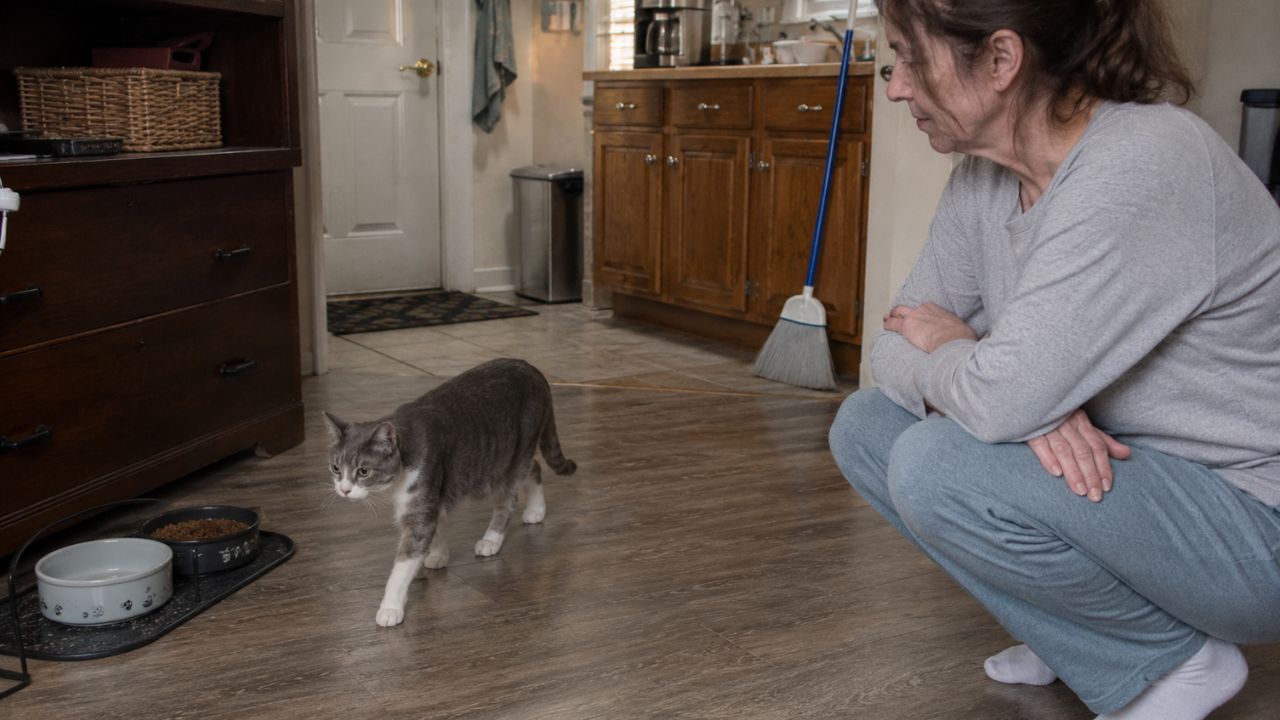
You fill the bowl every morning.
The water looks clean.
Your cat walks past it several times a day.
So it is easy to assume they are drinking enough.
But some cats quietly avoid water placed directly beside their food. Others dislike stale water, narrow bowls, or drinking in busy areas.
They may still take a few sips—just enough that nothing seems obviously wrong.
That is what makes low water intake so easy to miss.
For cats eating mostly dry food, consistently drinking too little may contribute to dehydration and urinary problems.
Try moving the bowl away from the food. Add another water station somewhere quiet. Refresh it regularly. A wide, shallow dish or fountain may also help.
Sometimes love looks like filling the bowl.
Sometimes it means noticing that the bowl is still full at the end of the day.
2. The Tiny “Toy” That Vanishes
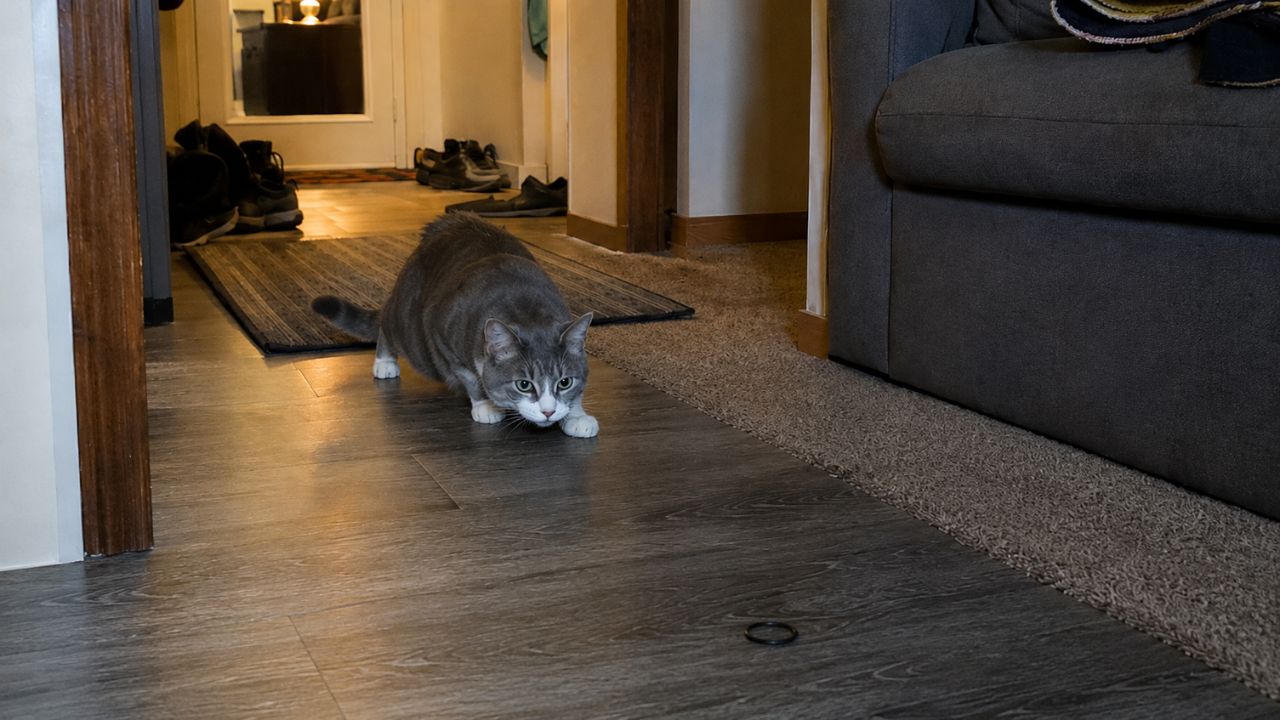
A hair tie slides across the floor.
Your cat freezes.
Their eyes widen. Their body lowers. Suddenly, they are stalking it as though it were alive.
It looks funny.
Until the hair tie disappears.
Cats are naturally drawn to string, ribbon, thread, dental floss, and rubber bands because these objects twist and move like prey.
The danger begins when play turns into swallowing.
A long or flexible object can become trapped inside the digestive tract, causing severe internal damage and sometimes requiring emergency surgery.
The object may be tiny.
The consequences may not be.
Keep hair ties and string-like items in closed drawers. Supervise play with wand toys, then put them away. Remove damaged toys as soon as threads or pieces begin coming loose.
And if you ever see string hanging from your cat’s mouth or rear end, do not pull it.
That instinctive attempt to help may make an internal injury worse.
Call a veterinarian immediately.
The five-second game that made you laugh can become frightening once the “toy” is no longer on the floor.
3. The Window You Thought Was Safe
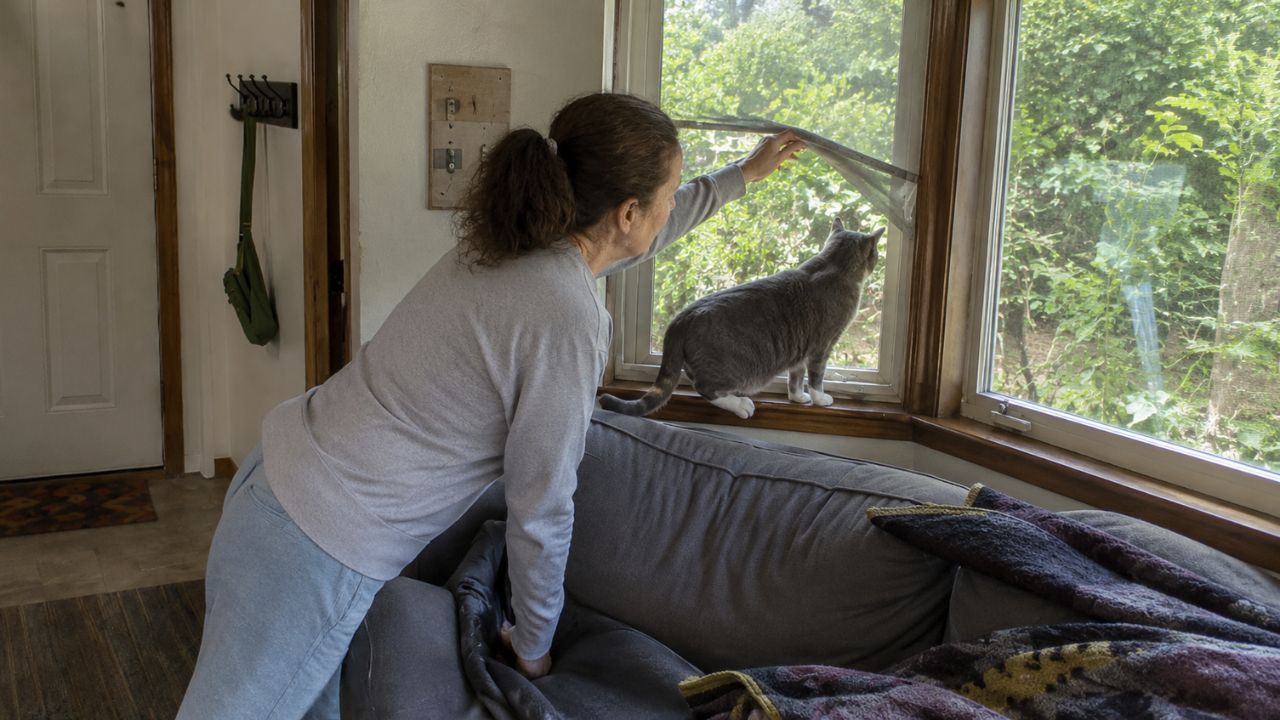
Your cat may sit beside the same window every afternoon.
They watch birds land outside.
They follow insects across the glass.
They look peaceful, careful, completely in control.
Then something moves too close.
One sudden leap is all it takes.
The belief that cats always land safely has caused many owners to underestimate windows and balconies.
Cats can misjudge distance, lose their footing, or push through a loose screen while chasing a bird or insect.
An ordinary insect screen may stop mosquitoes.
It may not hold the weight of a cat launching toward it.
Balconies carry the same risk. A cat may behave calmly for months, then react in a fraction of a second.
That does not mean your cat is careless.
It means instinct can be faster than caution.
Check screens firmly around the frame. Repair loose corners and tears. Never allow unsupervised balcony access unless the space is fully enclosed.
Be especially careful with tilted windows, where cats can become trapped in narrow gaps.
You may have opened the window because your cat loves the fresh air.
Making sure it cannot become a fall is another form of love.
4. The Extra Treat That Feels Like Affection
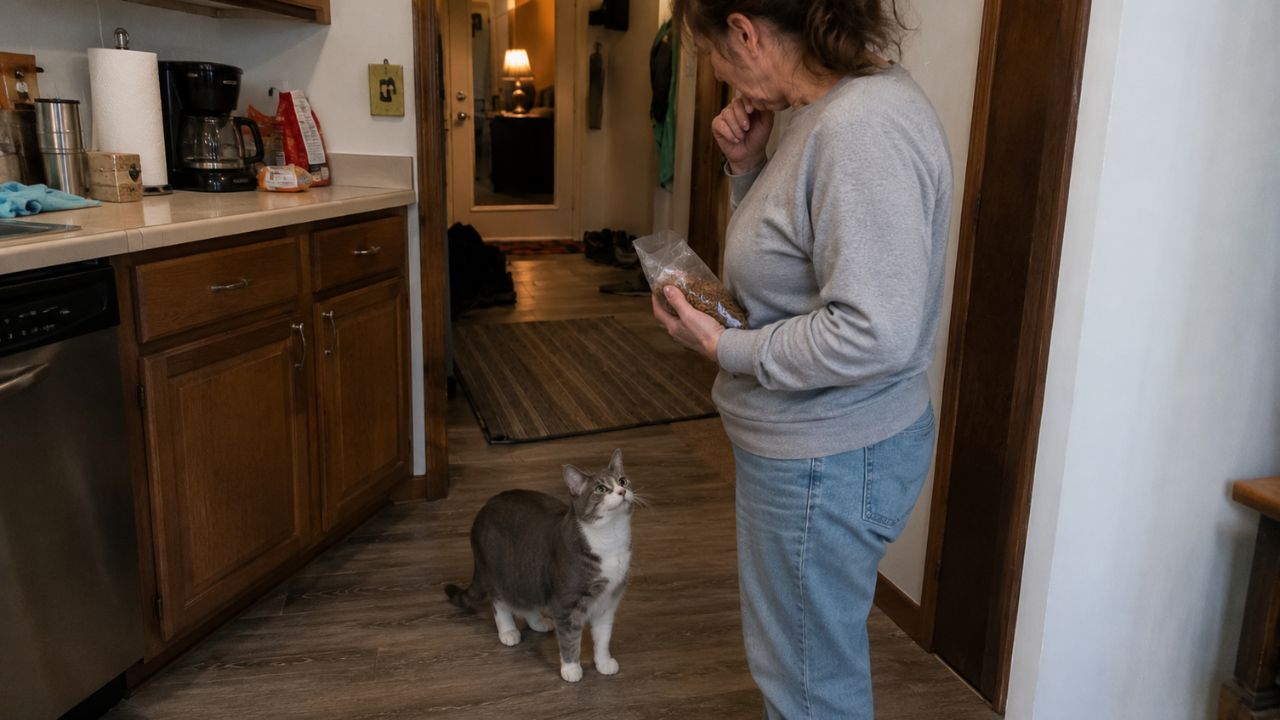
Your cat looks up at you.
They meow.
You reach for the treats.
It is such a small moment that it hardly feels important.
One extra piece cannot matter that much.
But one extra piece given every day becomes hundreds over the course of a year.
Weight gain in cats often happens slowly. Their body changes little by little, making it difficult for owners who see them every day to notice.
A cat may still jump onto the bed, ask for food, and curl up beside you while carrying more weight than their joints and organs can comfortably support.
Over time, obesity can increase the risk of diabetes, joint pain, grooming difficulties, and reduced mobility.
Food is deeply connected to care. We feed the animals we love because giving makes us feel close to them.
But affection does not always need to come from a bag.
A short play session, a cardboard box, a climbing shelf, or ten quiet minutes beside you can mean just as much.
Measure meals instead of guessing. Keep treats to a small part of the day’s calories. Use play to satisfy the instincts that food alone cannot fulfill.
Sometimes the kindest response to another pleading meow is not one more treat.
It is protecting the healthy years you still hope to share.
5. The Beautiful Flower That Can Turn Deadly
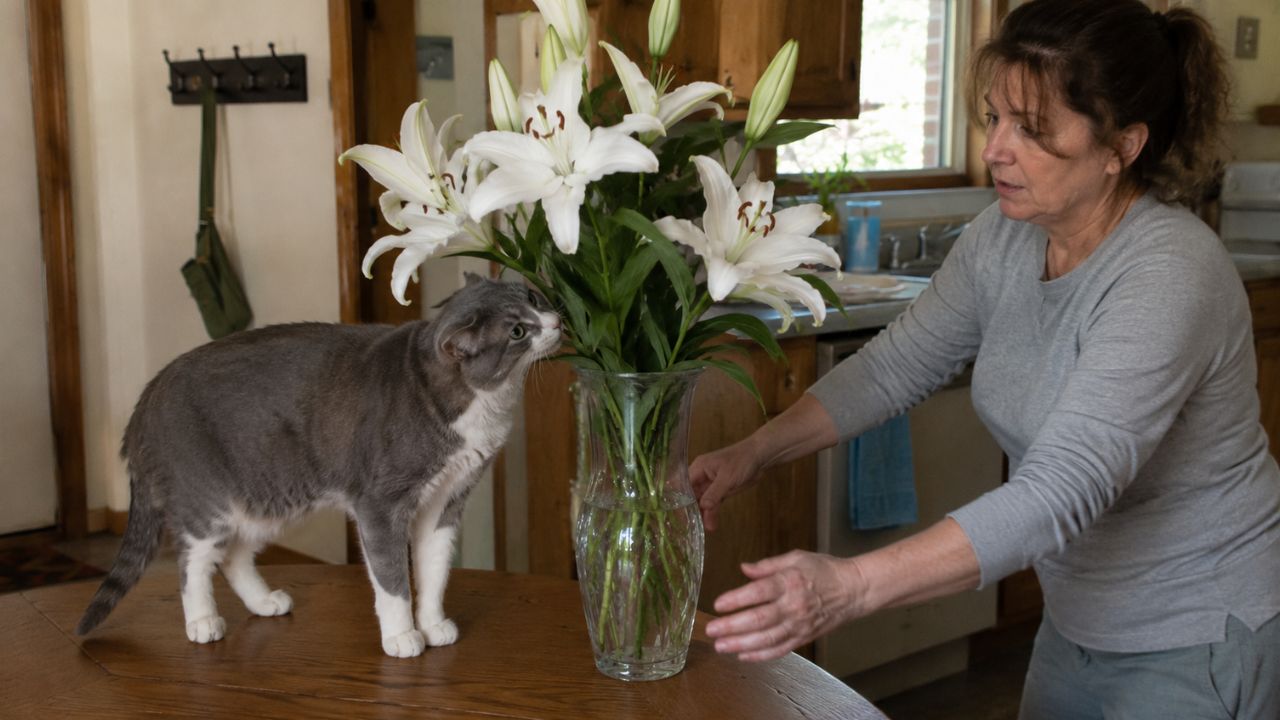
The most dangerous object in the room may not look dangerous at all.
It may have arrived as a birthday gift.
It may be standing on the kitchen counter, filling the house with color.
It may be a vase of lilies.
True lilies and daylilies are extremely dangerous to cats.
A cat does not need to eat an entire flower to be at risk.
A small bite of a leaf or petal may be enough.
Pollen can fall onto the fur and later be swallowed during grooming.
Even drinking water from a vase containing lilies can create a serious danger.
The exposure may happen without a sound.
Your cat walks past the arrangement.
Their coat brushes a flower.
A little pollen settles onto the fur.
No one notices.
Later, your cat cleans themselves as they have done thousands of times before.
By the time vomiting, weakness, poor appetite, or unusual thirst appears, severe kidney injury may already be developing.
That is why suspected lily exposure should never become a “wait and see” situation.
Move your cat away from the area and contact a veterinarian or animal poison service immediately. Do not wait for symptoms.
Lilies are not the only risky plants. Sago palms can cause severe poisoning, while pothos, aloe, and other common plants may cause irritation or illness.
Always check the exact species before bringing a plant into a home with cats.
A flower can be replaced.
Your cat cannot.
Indoor Does Not Mean Invulnerable
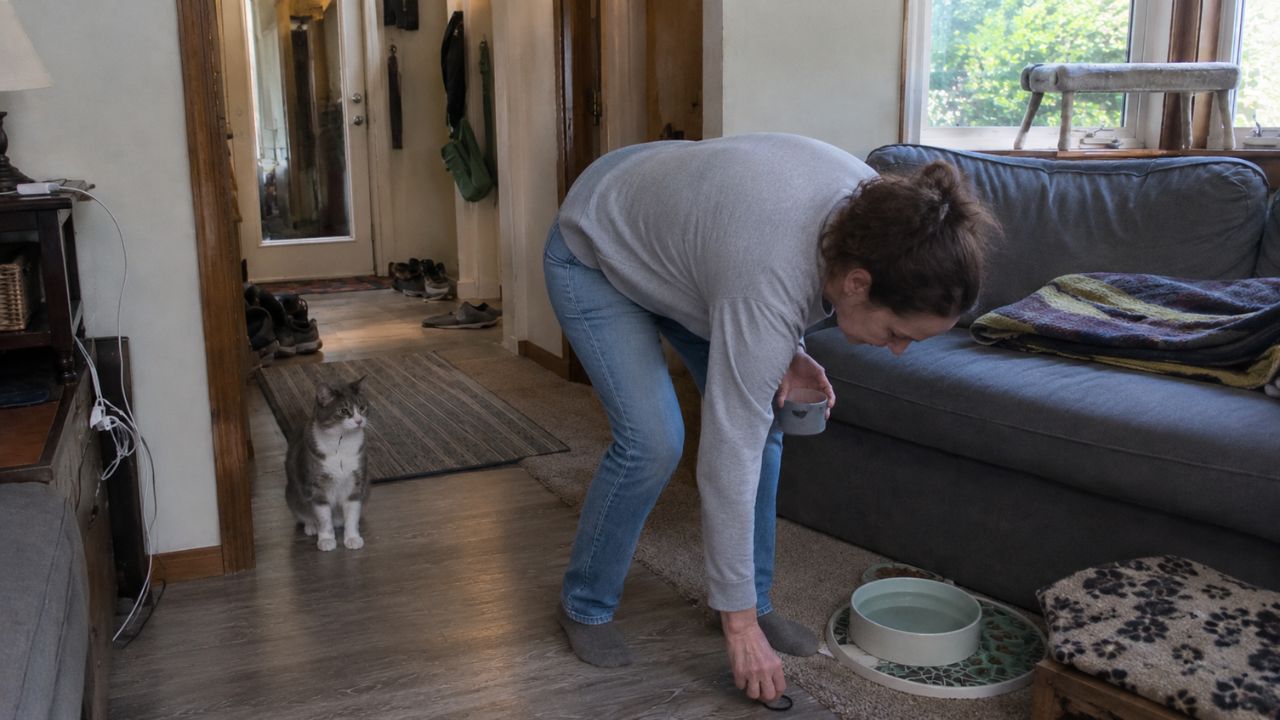
Keeping a cat indoors protects them from many dangers.
But it also means their entire world is made from the things we bring into the home.
They do not know that vase water can be poisonous.
They cannot understand that a hair tie may become trapped inside their body.
They trust the screen to hold because they have no reason not to.
And they cannot measure how many treats are too many.
They depend on us to notice the dangers they cannot see.
Most loving owners will recognize at least one of these mistakes.
That does not make them careless.
It means some risks are almost invisible until someone points them out.
Tonight, look beneath the furniture.
Check the screens.
Notice whether the water bowl stays untouched.
Read the name of every plant in the room.
Removing one small risk may feel insignificant.
To your cat, it could mean everything.