Your cat does not know your job title.
They do not know how much money you earn, how many people admire you, or whether the world considers you successful.
They know something far more personal.
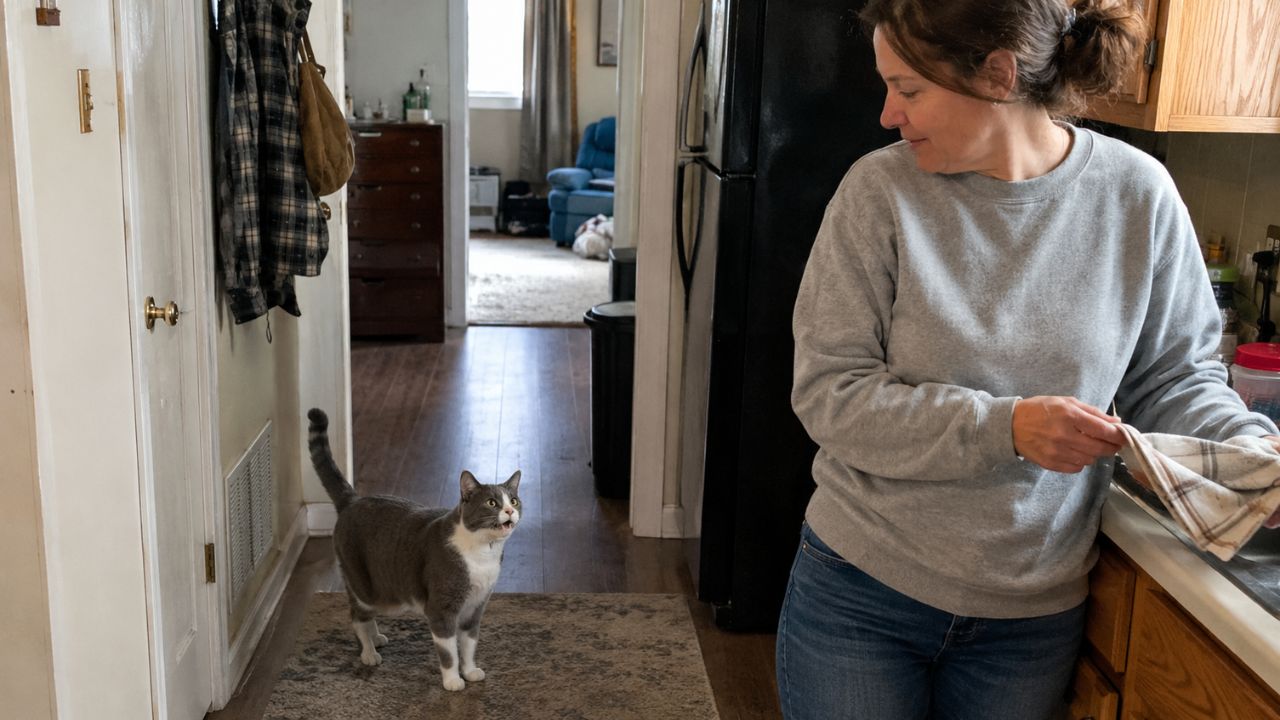
They know what it feels like when you enter the room.
They notice whether your footsteps make them relax or prepare to move away. They remember the hands that wait and the hands that reach too quickly. They hear the difference between a patient voice and one sharpened by frustration.
Cats are not judging whether you are “good” in the way humans judge morality.
They are quietly learning whether you are safe.
And they reach that decision through moments so small that most people never realize they are being noticed.
They Watch How You Enter Their World
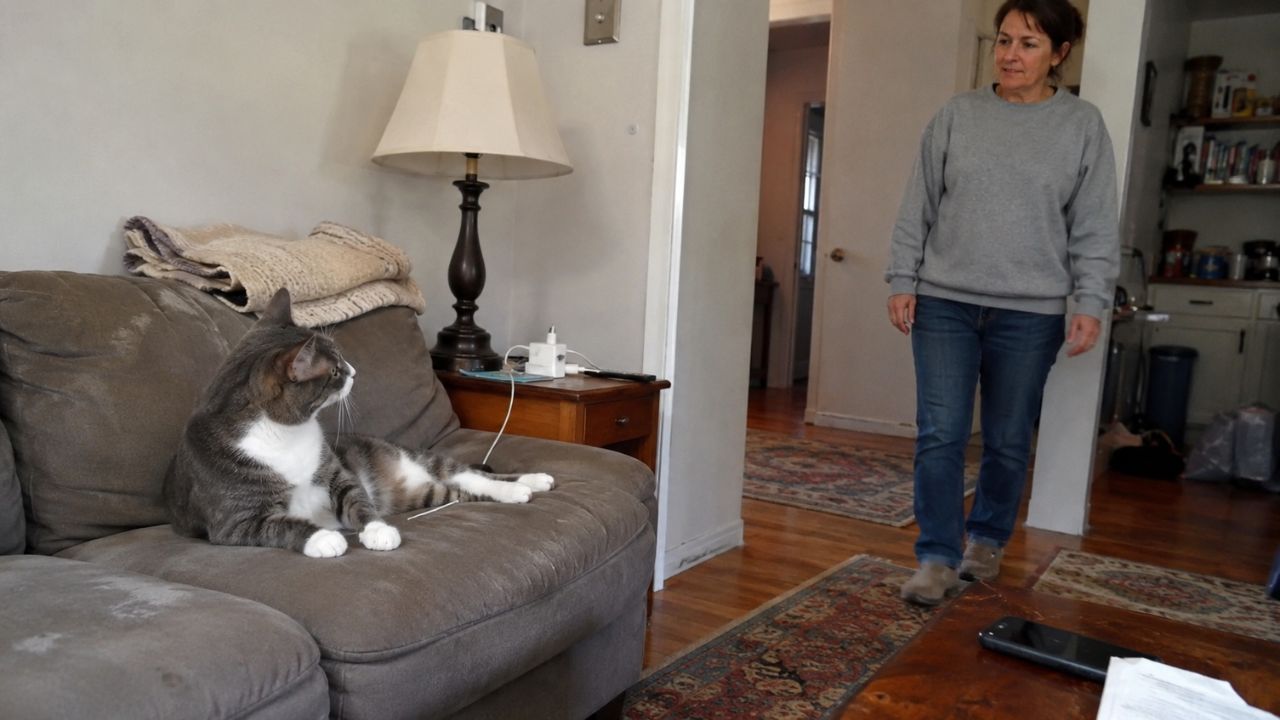
Your cat is resting on the sofa when you walk toward them.
Their eyes follow you.
Perhaps their body remains loose.
Perhaps one ear turns back.
Perhaps their tail makes a small movement against the cushion.
To you, nothing important has happened yet.
To your cat, the conversation has already begun.
A person who rushes forward, bends directly over them, or reaches down without warning can feel overwhelming—even when the intention is affection.
You may only want to kiss their head.
Your cat only knows that something much larger has entered their space.
But when you slow down, turn slightly to the side, soften your hand, and give them time to see you coming, their body may begin to relax.
They learn that your affection does not arrive like a demand.
It arrives like an invitation.
Trust often begins before the first touch.
It begins with the way you approach.
They Notice Whether “No” Is Allowed
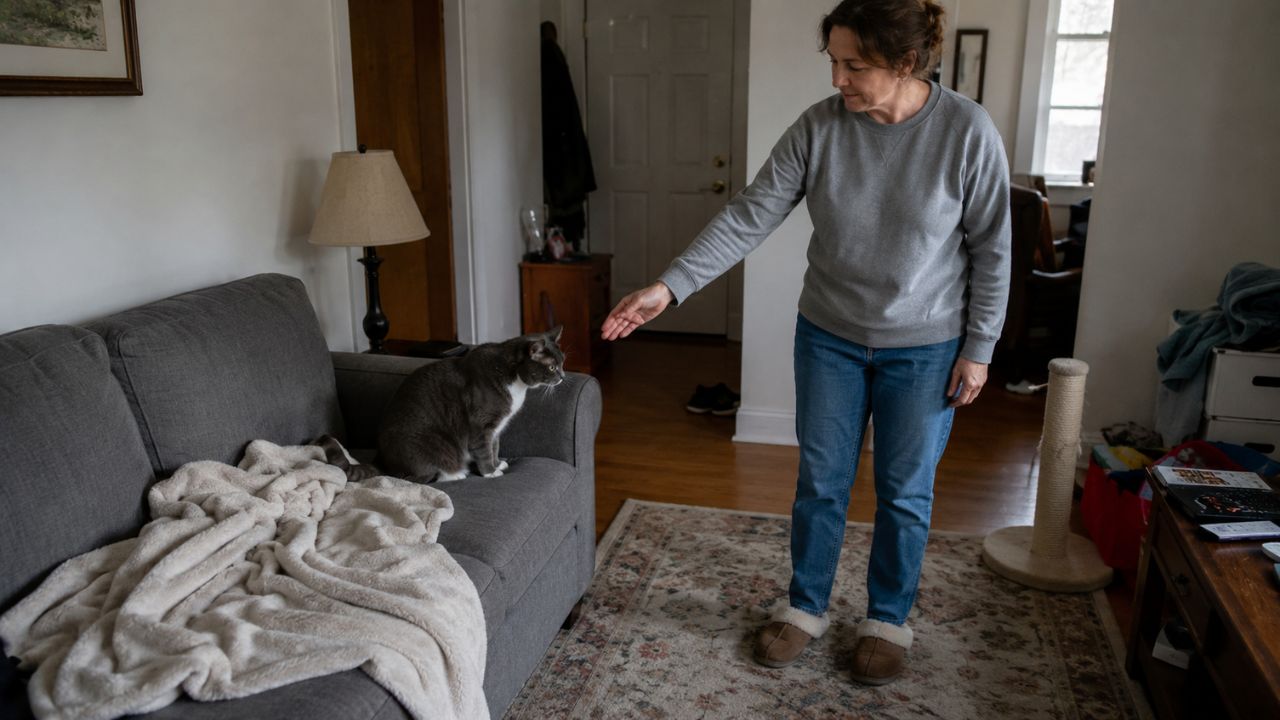
Your cat walks toward you and stops just beyond your fingertips.
You reach out.
For a moment, they lean closer.
Then their ears shift.
Their tail flicks once.
Their head turns away.
This is where many people unknowingly reveal themselves.
Some continue petting because the cat has not scratched or run.
Some pull the cat back when they try to leave.
Some laugh and say, “You came to me,” as though approaching once means the cat has agreed to everything that follows.
But a cat’s consent can change from one second to the next.
The flicking tail, tightened body, flattened ears, or sudden glance toward your hand may be their quiet way of saying:
“That is enough.”
When you notice and stop, something meaningful happens.
Your cat learns that they do not need to escalate.
They do not need to bite to be heard.
They do not need to avoid you because coming close has become a trap.
They can approach without surrendering their freedom.
For an animal that survives by protecting its boundaries, that lesson can become the foundation of a remarkably deep bond.
The person a cat trusts most is often not the one who touches them most.
It is the one who knows when to stop.
They Listen to What Lives Beneath Your Words
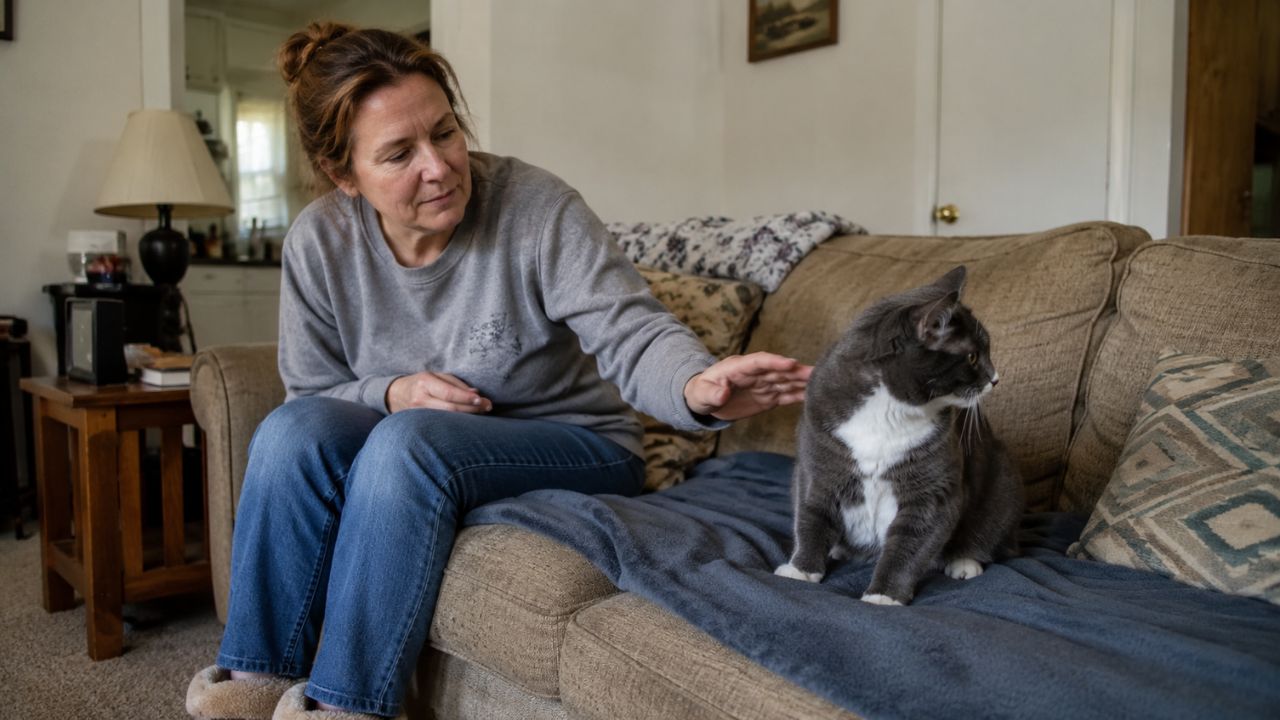
Your cat may not understand every sentence you speak.
But they understand more than silence.
They hear the softness in your voice when you call their name.
They notice when your tone changes after a long, difficult day.
They know the sound of irritation—even when the words themselves appear harmless.
Imagine your cat meowing from the hallway.
Perhaps they want food.
Perhaps a door is closed.
Perhaps they simply want to know where you are.
One evening, the sound makes you smile.
Another evening, after work has drained every bit of patience from you, the same meow feels unbearable.
You answer sharply.
Your cat becomes still.
It is a tiny moment. You may forget it almost immediately.
But cats build their sense of safety through patterns.
One frustrated response will not destroy a loving relationship. No person is endlessly patient.
What matters is what your cat experiences most often.
Does your voice usually make the room feel calmer?
Or does your mood make affection difficult to predict?
Cats are drawn to consistency because consistency allows them to lower their guard.
When your voice remains familiar and gentle, even during ordinary moments, your cat begins to understand:
“I know who this person will be when I call.”
Reliability may not look dramatic.
But to a cat, it can feel like love.
They Remember What You Do to the Places That Make Them Feel Safe
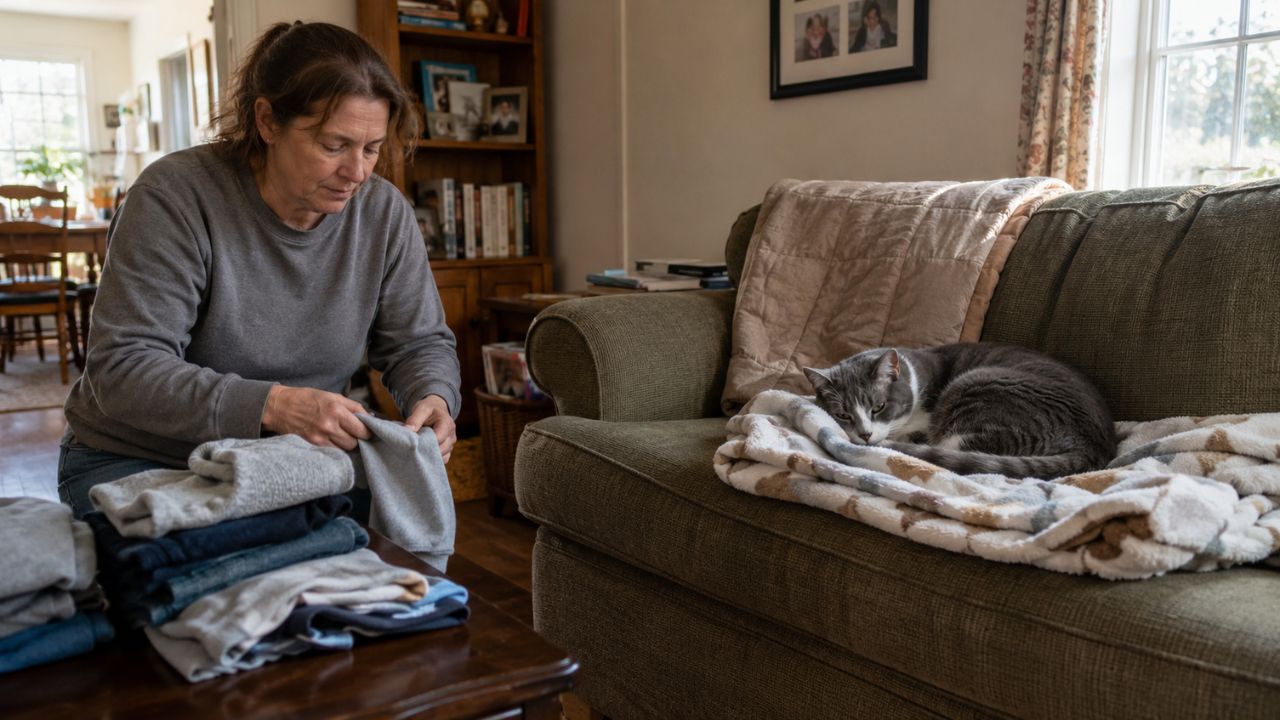
There is a certain corner of the sofa your cat always chooses.
A particular blanket.
A cardboard box that should have been thrown away weeks ago.
A spot near the window where afternoon sunlight warms the floor.
To you, these may look like ordinary places.
To your cat, they are part of the structure of their world.
Cats often find comfort in familiar smells, predictable routines, and spaces where they know what will happen next.
Then one day, the chair is moved.
The box disappears.
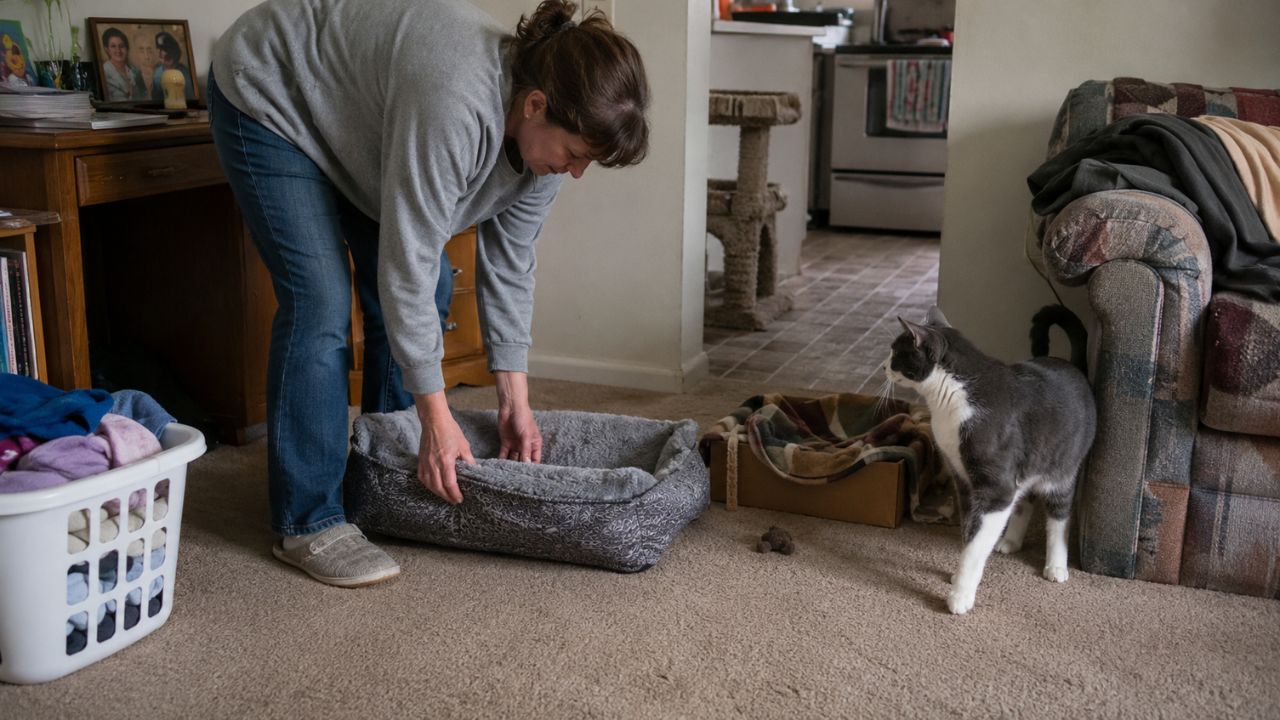
Their bed is washed with a strongly scented detergent and placed somewhere new.
Nothing dangerous has happened.
Yet your cat may walk through the room as though something important is missing.
A good relationship with a cat is not built by never changing anything. Homes change. Furniture moves. Blankets need washing.
It is built by noticing that these changes may matter to them.
Perhaps you leave one familiar blanket unwashed for a little longer.
Perhaps you move their bed gradually instead of removing it without warning.
Perhaps you give them another protected place before taking the old one away.
These gestures may seem insignificant.
But they tell your cat that their comfort has a place in your decisions.
You are not simply allowing them to live in your home.
You are recognizing that, to them, it is home too.
They Watch What Happens When They Become Vulnerable
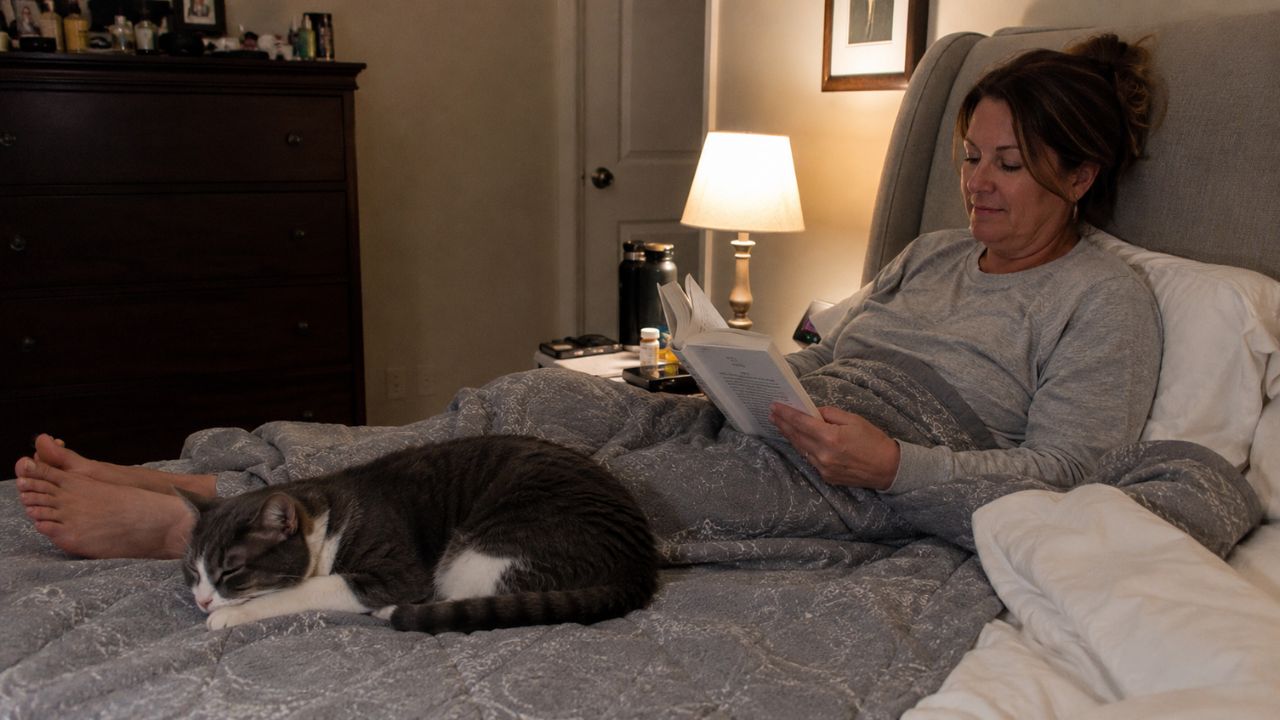
Late at night, your cat jumps onto the bed.
They do not ask for food.
They do not bring a toy.
They simply settle near your feet.
Their eyes begin to close.
For a few minutes, they allow themselves to stop watching the room.
That moment may look ordinary.
But vulnerability is never ordinary to an animal that is both predator and prey.
Sleeping deeply beside someone, exposing the side of the body, turning the back, or resting with paws tucked underneath can signal that a cat does not expect danger from the person nearby.
And sometimes, trust appears even more quietly.
A slow blink from across the room.
A gentle head bump against your hand.
A hesitant step closer when something has frightened them.
These are not performances.
They are openings.
When you respond without overwhelming them—when you blink back, offer a still hand, or simply remain close—you show that their vulnerability will not be used against them.
You do not grab them because they came near.
You do not force the moment to last longer than they want.
You let connection remain something they can choose.
That may be one of the most important things a cat ever learns about a human.
The Moment That Reveals the Most
The clearest sign of your character may not appear when your cat is affectionate.
It may appear when they are inconvenient.
When they wake you too early.
When they knock something onto the floor.
When they hesitate at the doorway while you are trying to leave.
When they become frightened at the veterinarian, hide when guests arrive, or refuse the expensive bed you carefully chose.
Anyone can be gentle when a cat is curled peacefully in their lap.
The deeper test comes when the cat is confused, afraid, overstimulated, or difficult to understand.
Do you punish what you have not tried to interpret?
Do you take their fear personally?
Or do you pause long enough to ask what they might be experiencing?
Your cat does not expect perfection.
They do not need a person who never becomes tired, impatient, or distracted.
They need a person whose kindness returns.
A person who repairs the moment after speaking too sharply.
A person who learns from the scratch instead of only blaming the claws.
A person who understands that trust is not something earned once and owned forever.
It is rebuilt in small moments, every day.
Your Cat Has Its Own Definition of a Good Person
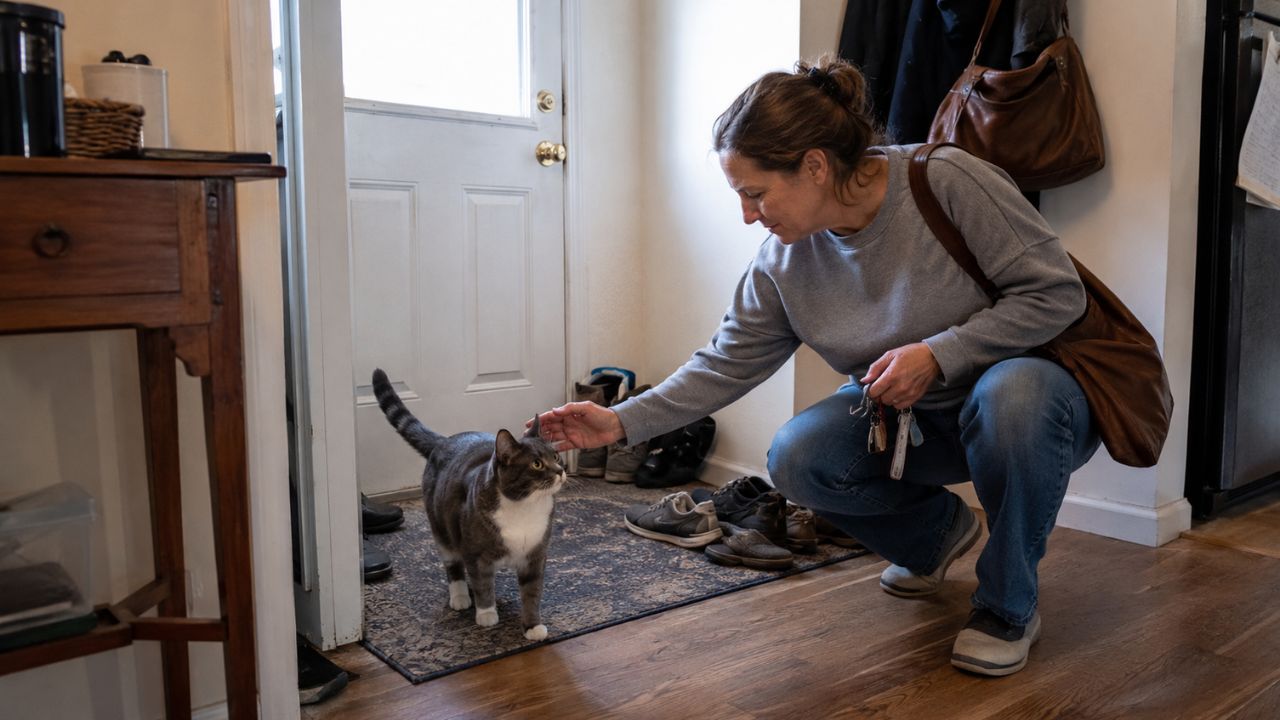
Your cat may never know what the rest of the world thinks of you.
They will never read your achievements or hear the kind things people say when you are not in the room.
Their judgment is simpler.
Do your hands feel safe?
Does your voice feel familiar?
Can they walk away without being followed?
Can they sleep beside you without remaining alert?
Do you notice when their body whispers “no”?
And when they offer you one of their small, vulnerable gestures, do you understand that it is a gift?
To your cat, a good person is not necessarily the one who buys the most expensive food or owns the largest collection of toys.
It is the person who makes them feel that they still belong to themselves—even while being deeply loved.
So the next time your cat approaches, pauses, and looks at you, do not rush to fill the silence.
Let them decide what happens next.
Because your cat may not know whether the world calls you a good person.
They only know how they feel when you enter the room.