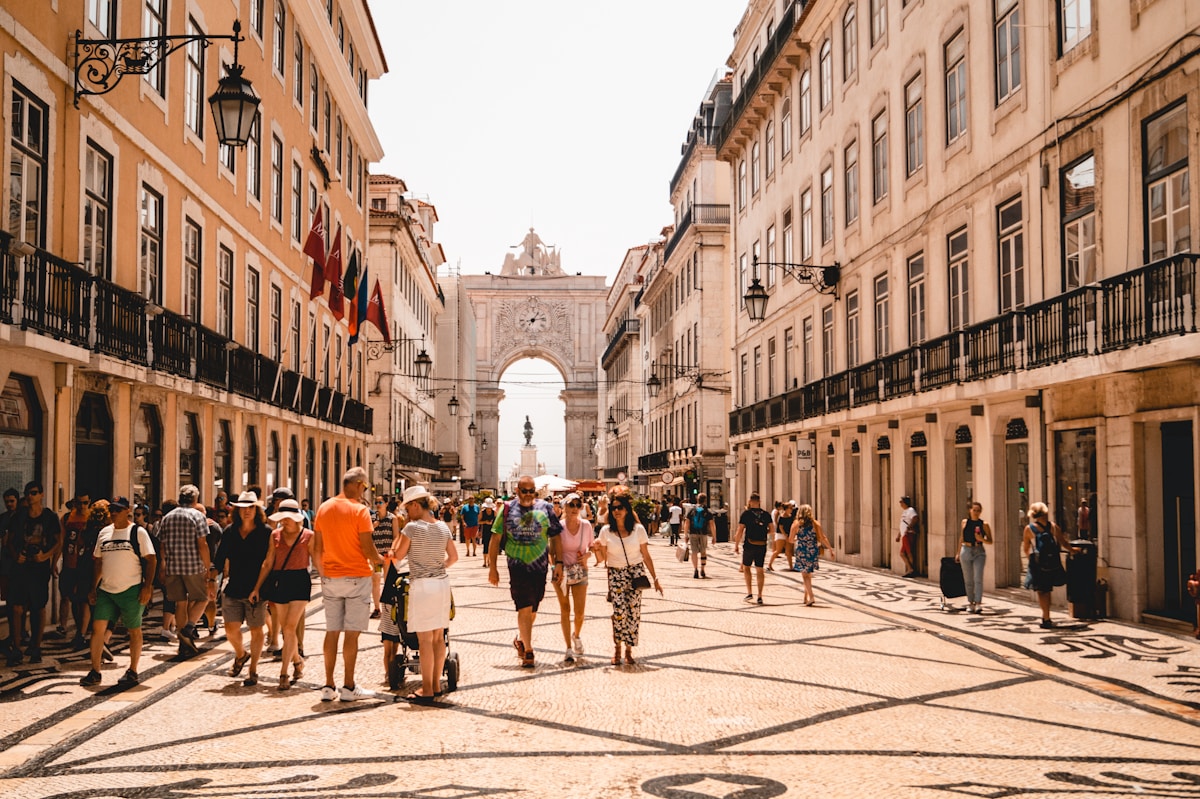
Why Timing Your Lisbon Trip Actually Matters
Lisbon isn’t one of those cities where you can show up any random week and expect the same experience. Visit in August, and you’ll be sweating through your shirt while dodging cruise ship crowds at Belém Tower. Come in January, and you might have the miradouros to yourself — but half the restaurants in Alfama will be closed for renovations.
I’ve been to Lisbon in every season, and here’s the truth: there’s no single “best” time. It depends on what you want. So let me break down exactly what you’re getting into, month by month.
Lisbon’s Climate: The Basics You Need to Know

Lisbon sits on the Atlantic coast, which gives it milder weather than you’d expect for a Southern European capital. Summers are warm but rarely brutal. Winters are cool and rainy, but nothing like Northern Europe’s grey misery.
Quick facts:
- Average summer highs: 28°C (82°F)
- Average winter lows: 8°C (46°F)
- Rainy season: November through February
- Driest months: June through September
- Ocean water is cold year-round (peaks at 20°C in August)
That Atlantic influence is a double-edged sword. It keeps August from becoming unbearable, but it also means the ocean never really warms up for swimming. If you want beach weather, head to the Algarve instead.
The Sweet Spot: Late April to Mid-June
This is it. If you’re forcing me to pick one window, it’s late April through mid-June.
The weather hovers around 20-25°C. Rain is rare but not impossible. Crowds exist but haven’t hit peak intensity yet. Hotel prices sit in that reasonable middle ground.
May specifically offers the best balance. The jacaranda trees explode in purple blooms across the city. Locals are out enjoying their terraces. You can actually get a table at Time Out Market without a 45-minute wait.
What to expect in May:
- Daytime temps: 18-24°C
- Rain days: 4-6 on average
- Crowds: Moderate (growing toward month’s end)
- Hotel prices: 15-25% below peak summer rates
One catch: Portuguese school holidays begin in mid-June. Book anything you want to do in Sintra before that date, or you’ll be standing in a two-hour line for Pena Palace.
Summer: July and August Reality Check

Let’s be honest about summer. July and August in Lisbon mean crowds. Serious crowds. Every narrow street in Alfama becomes a slow-moving river of tourists. The famous Tram 28? Forget it — you’ll wait 30 minutes just to squeeze on.
But summer has its upsides. The city comes alive with festivals. Santos Populares in June spills into early July with street parties, grilled sardines, and cheap sangria. The weather is predictably sunny.
The August emptying:
Here’s something tourists dont realize — many Lisboetas leave the city in August. They head to beaches, mountains, family villages. Some restaurants and local shops close for weeks. You get this weird situation where tourist areas are packed, but certain residential neighborhoods feel deserted.
If you’re planning a trip to Portugal covering multiple cities, consider spending August exploring the coastline rather than being stuck in hot Lisbon.
Summer by the numbers:
- July average high: 28°C
- August average high: 29°C
- Rain: Almost none
- Crowds: Peak levels
- Prices: Highest of the year
Shoulder Season Gold: September and October
September might be the secret winner. Summer crowds thin out dramatically after the first week. Weather stays warm — often warmer than June. Hotel prices drop. And the light takes on this golden quality that makes every photo look like a postcard.
Early September still feels like summer. By late October, you’re firmly in autumn territory with occasional rain showers and temps around 18-20°C.
September highlights:
- Fewer families (kids are back in school)
- Water temperatures at their warmest
- Wine harvest season in nearby regions
- Shoulder season hotel deals
October works too, though you’re gambling a bit more with weather. I spent a week in Lisbon last October and had four perfect days followed by three rainy ones. Pack layers and a light rain jacket.
Winter: November Through February
Winter in Lisbon isn’t harsh, but it’s not exactly vacation weather either. Expect rain. Lots of it. November and December see 10-15 rainy days on average. Temperatures hover between 10-15°C during the day.
Why you might actually want to visit in winter:
The crowds vanish. I mean really vanish. You can walk into any restaurant without a reservation. Museum queues disappear. Prices drop 30-40% from summer peaks.
If you’re the type who travels for food, history, and atmosphere rather than sunbathing, winter Lisbon has a certain charm. Those cozy tascas feel even better when its drizzling outside. The pastéis de nata taste just as good.
Christmas and New Year bring some crowds back, especially the week between holidays. But January and February? The city belongs to locals and a handful of savvy travelers.
Winter considerations:
- Some attractions have reduced hours
- A few restaurants close for annual breaks
- Sintra can get genuinely cold and foggy
- Daylight hours are short (sunset around 5:30 PM)
March and Early April: The Wildcard Months
Spring arrives gradually in Lisbon. March can swing between sunny 18°C days and cold, rainy stretches that feel more like winter. It’s unpredictable.
Early April stabilizes somewhat. Easter brings a temporary spike in visitors, especially if it falls late. But generally, these months offer decent weather at lower prices, with the understanding that you might get rained on.
The upside? Gardens are blooming. Temperatures are comfortable for walking. And you’re ahead of the main tourist wave.
A Month-by-Month Cheat Sheet
| Month | Weather | Crowds | Prices | Overall Rating |
|——-|———|——–|——–|—————-|
| January | Cold, rainy | Very low | Lowest | Good for budget travelers |
| February | Cold, rainy | Low | Low | Similar to January |
| March | Variable | Low-moderate | Low-moderate | Gamble on weather |
| April | Mild, occasional rain | Moderate | Moderate | Solid choice |
| May | Warm, dry | Moderate-high | Moderate-high | Excellent |
| June | Hot, dry | High | High | Very good (early June best) |
| July | Hot, dry | Very high | Peak | Crowded but festive |
| August | Hot, dry | Very high | Peak | Skip if possible |
| September | Warm, dry | Moderate | Moderate | Excellent |
| October | Mild, some rain | Low-moderate | Moderate | Good value |
| November | Cool, rainy | Low | Low | For dedicated travelers |
| December | Cool, rainy | Low (except holidays) | Low-moderate | Christmas has charm |
Final Recommendations Based on Your Priorities
Best weather: May, June, September
Lowest crowds: January, February, November
Best value: January through March, November
Best overall: Late May or mid-September
Avoid if possible: First two weeks of August
Don’t overthink it too much. Lisbon is a fantastic city year-round. Even on a rainy November day, you can duck into a fado bar, eat extraordinary food, and have a memorable trip. The “best” time is simply the time that works for your schedule, adjusted slightly based on what this guide tells you.
And whatever you do, book Sintra tickets in advance during any remotely busy period. Trust me on this one.