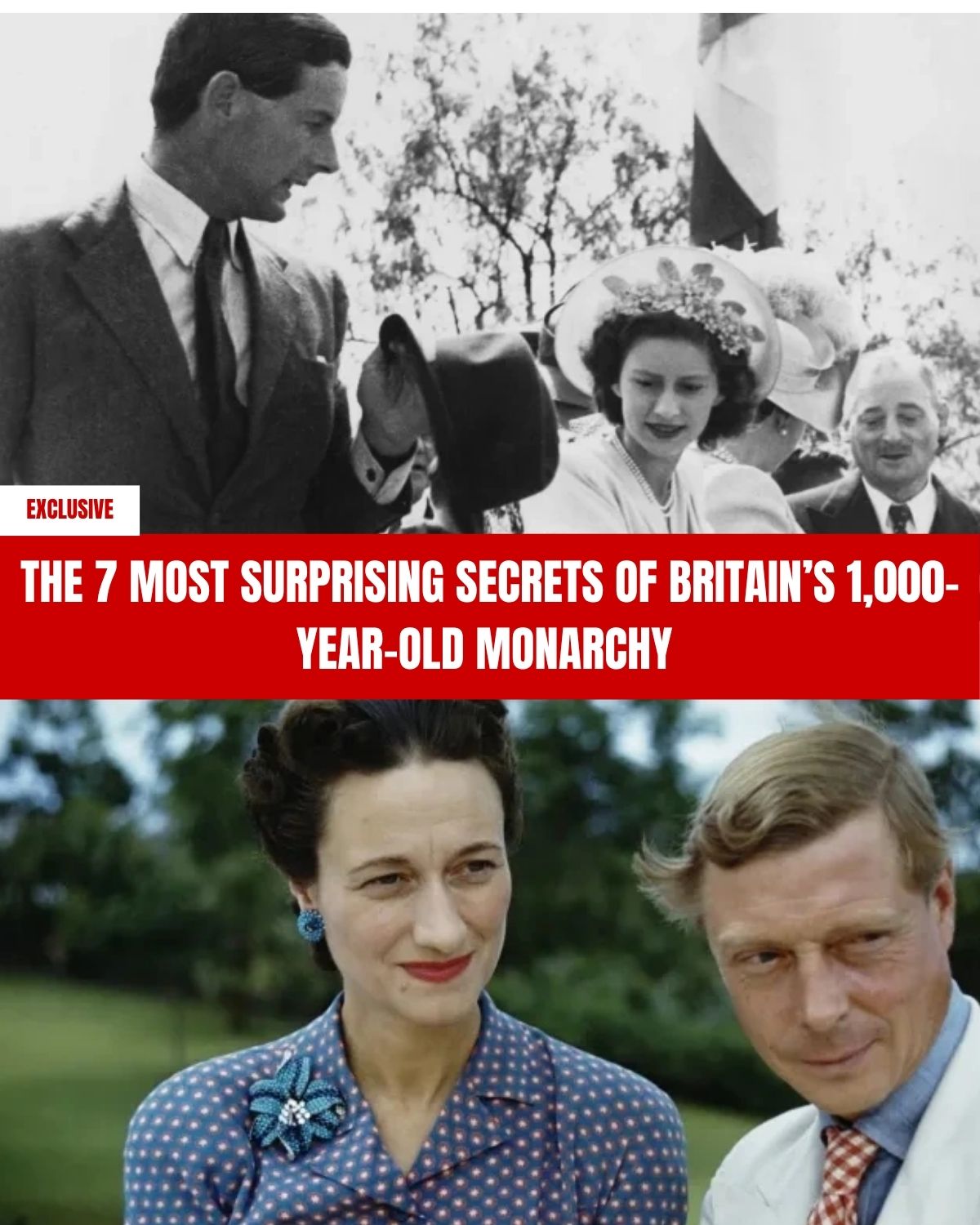
From Viking battles to modern-day marital dramas, the British royal family’s rules have shaped centuries of history — and continue to influence the institution in 2026.
While the monarchy’s role today is largely ceremonial, its ancient traditions, rigid protocols and occasional acts of defiance still fascinate and divide the nation. Here are seven of the most revealing facts that explain why the House of Windsor operates the way it does — and why old tensions never seem far from the surface.
1. The first true King of England was a warrior almost forgotten by history
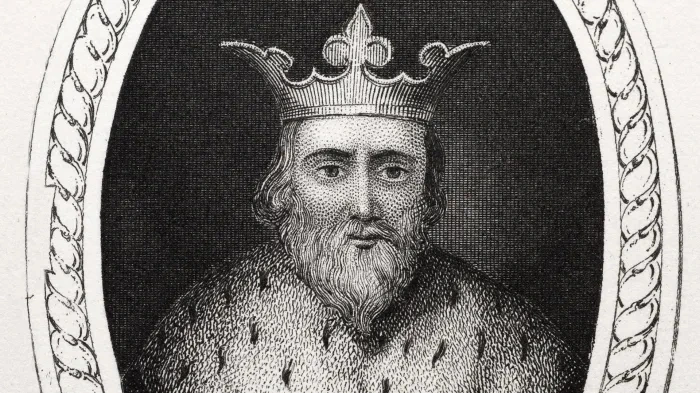
Long before the Tudors or the Windsors, it was Athelstan (895–939) who became the first monarch to rule a united England. Grandson of Alfred the Great and, remarkably, Elizabeth II’s 30th great-uncle, Athelstan defeated the Vikings in 927 and forged a single kingdom. His achievement laid the foundations for everything that followed.
2. For centuries, women were barred from the throne — until the law finally caught up
Since the Norman Conquest, succession favoured the eldest son. It took until 2013 for Parliament to introduce absolute primogeniture, allowing the eldest child — regardless of gender — to inherit. The change secured the positions of Princess Charlotte and future generations, quietly modernising a system once designed to exclude women entirely.
3. The monarch still holds the power to veto royal marriages
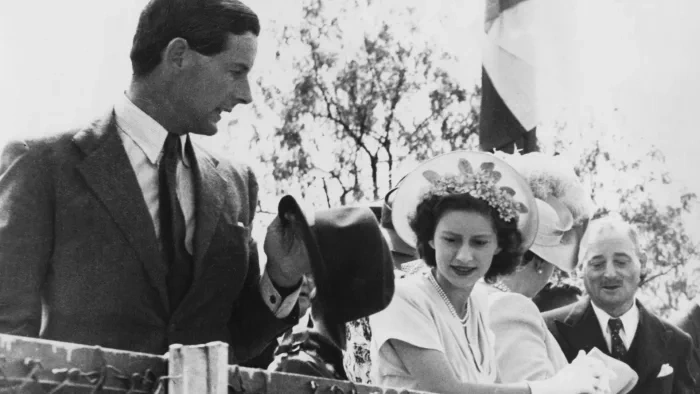
The Royal Marriages Act 1772 gave the Sovereign the right to block any family member’s wedding. Queen Elizabeth II famously used this authority to prevent her sister, Princess Margaret, from marrying the divorced Group Captain Peter Townsend. Although later relaxed, the principle remains: senior royals require permission — a rule that has fuelled countless modern headaches.
4. The royal family had no official surname until the First World War
Until 1917, monarchs used only their Christian name and house title. Amid anti-German sentiment during the war, King George V ditched the German-sounding Saxe-Coburg-Gotha and created the deliberately English House of Windsor. The name change was a masterclass in public relations — and the surname the family still uses today.
5. Marrying a “commoner” is far from a modern phenomenon
Royal-commoner unions date back centuries. In 1464, Edward IV secretly married Elizabeth Woodville, a widow of modest birth. William’s marriage to Kate Middleton and Harry’s to Meghan Markle were simply the latest chapters in a long tradition — though the latter has tested its limits like few before it.
6. Divorce was once considered unthinkable — and nearly destroyed the monarchy
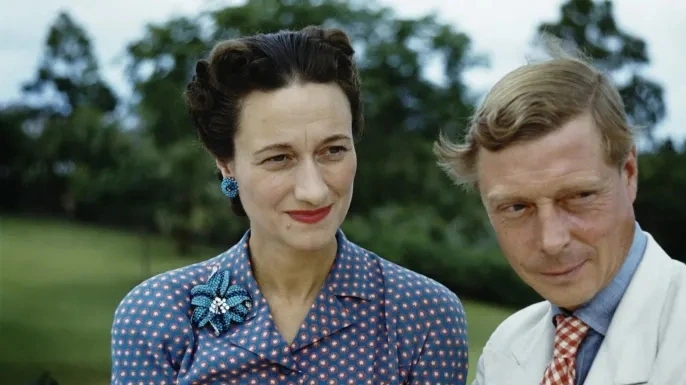
Edward VIII’s abdication in 1936 to marry the twice-divorced Wallis Simpson shocked the world. The Church of England only permitted remarriage for divorcees in 2002. Charles and Diana’s painful 1996 divorce, followed by Charles’s marriage to Camilla in 2005, marked a seismic shift — one that still echoes in today’s debates about duty versus personal happiness.
7. The British monarch wears many more crowns than most realise
Beyond the United Kingdom, the Sovereign serves as Head of the Commonwealth — a voluntary association of 54 nations — and remains Head of State for 14 other realms, from Canada and Australia to smaller island nations. King Charles III’s role is truly global, even as republican sentiments stir in some quarters.