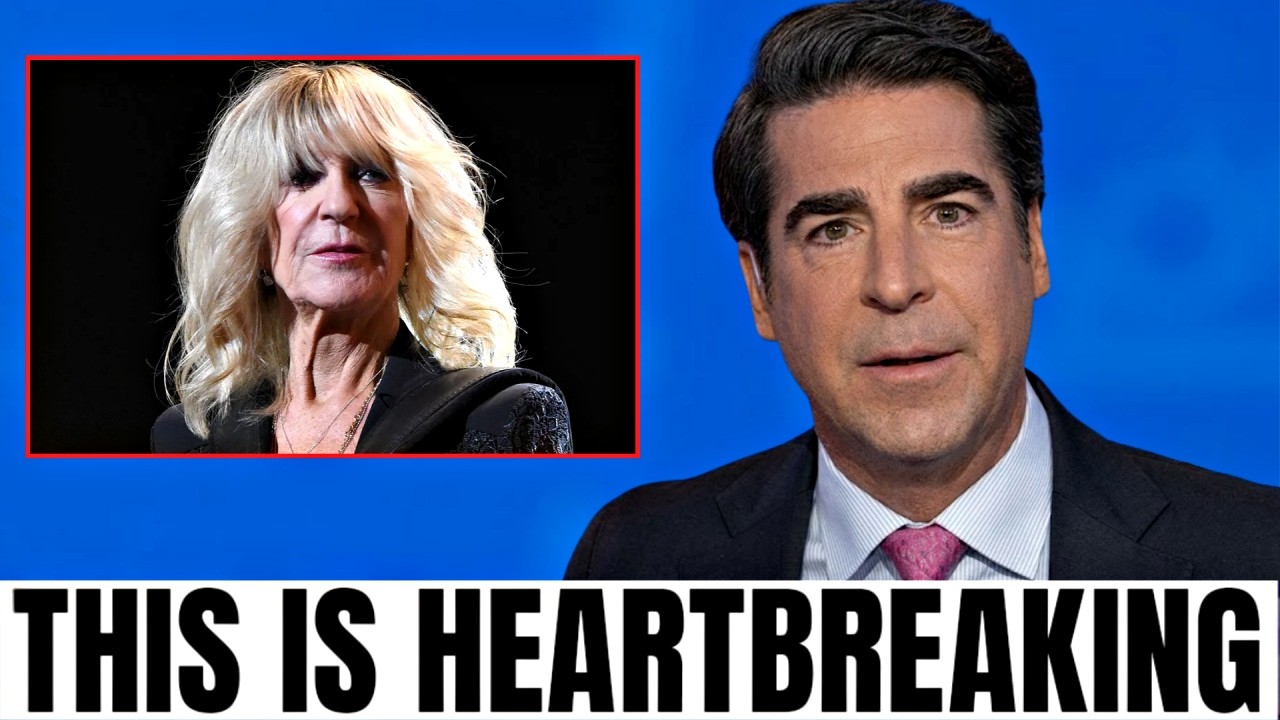
On September 30, 2014, Christine McVie sat down at a keyboard in Minneapolis and did something many Fleetwood Mac fans had assumed they would never see again.
She played with the band.
Not as a surprise guest.
Not for one nostalgic song.
She was back.
Sixteen years had passed since McVie had stepped away from Fleetwood Mac, exhausted by touring and increasingly terrified of flying. During that time, the band kept moving. The songs kept playing on American radio. Rumours continued selling. New generations discovered “Songbird,” “Don’t Stop,” “Everywhere” and “You Make Loving Fun.”
But Christine was somewhere else.
In the English countryside.
With dogs.
A garden.
A barn converted into a recording space.
And, for a while, almost no desire to return to the enormous machine she had helped build.
Then something changed.
The quiet life she had wanted so badly began to feel different.
Peace became isolation.
The woman who once thought she was finished with touring began missing the four people who understood a part of her life almost nobody else could.
Eventually, Christine McVie picked up the phone and asked Mick Fleetwood a question:
How would he feel if she came back?
The answer from Fleetwood Mac was essentially unanimous.
Come back.

When she finally returned, Mick Fleetwood told the crowd that their “songbird” had come home.
It sounds like a triumphant ending.
But Christine McVie’s story becomes far more interesting when you ask why she had left in the first place.
Because before the country house, before the fear of flying, before the divorce songs and stadiums, there was a quiet English girl named Christine Perfect who never seemed destined to become a rock star at all.
1. Christine Perfect Was Raised Between Music and Something Stranger
Christine Anne Perfect was born in 1943 and grew up in England’s West Midlands.
Music surrounded her.
Her father, Cyril Perfect, was a music teacher and violinist.
Her mother, Beatrice, belonged to a very different world.
Christine later described her mother as a healer with psychic abilities.
She herself was uneasy with that side of the family home. She wanted, as she once put it, an ordinary mother rather than someone surrounded by spiritualism and faith healing. Yet decades later, Christine still spoke as if she believed some of her mother’s abilities had been genuine.
Christine initially trained classically.
Then her older brother left a piece of Fats Domino sheet music at the piano.
The effect was profound.
The blues suddenly made sense to her in a way classical exercises never had.
It was less formal.
More physical.
More emotional.
She began following that sound.
The girl with the unusual surname Perfect started discovering what kind of musician she actually wanted to become.
2. She Nearly Left Music Before Fleetwood Mac Entered Her Life
Christine studied sculpture at art college in Birmingham while becoming increasingly involved in the British blues scene.
She eventually joined Chicken Shack.
Her warm, smoky voice and restrained keyboard playing made her stand out in a musical world dominated largely by men.
But a career in music was hardly guaranteed.
At one point she moved to London and worked outside the business.
It would have been easy for Christine Perfect to become one of the countless talented musicians who almost made it.
Instead, music pulled her back.
Chicken Shack shared bills with another British blues band.
Fleetwood Mac.
And among the men in that group was bassist John McVie.
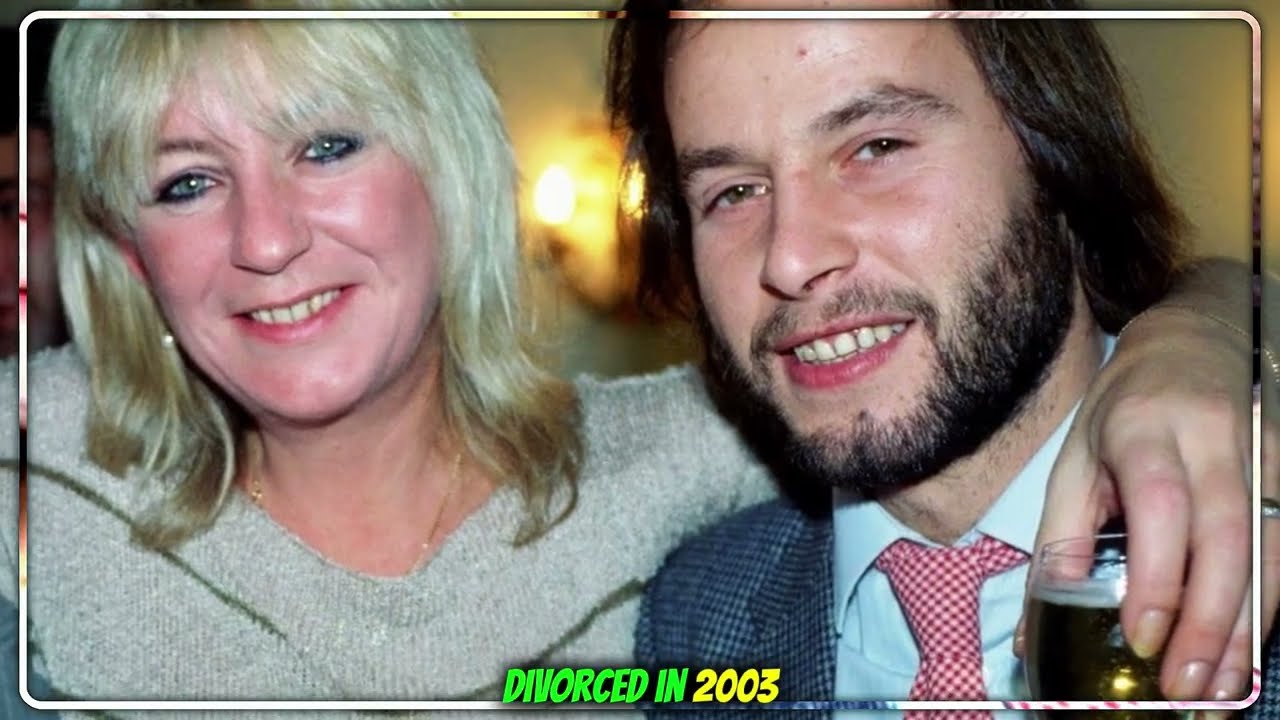
Christine later remembered falling in love with him quickly.
They married in 1968.
She was not yet a member of Fleetwood Mac.
That came later.
And it would eventually make their marriage almost impossible to separate from their work.
3. Christine Joined Fleetwood Mac Because the Band Already Knew What She Could Do
Christine was not simply “John McVie’s wife” added to a successful group.
She was already an established musician.
She had performed with Chicken Shack, recorded solo material and spent time around Fleetwood Mac as both a fellow musician and member of the extended circle around the band.
After founder Peter Green left, Fleetwood Mac’s identity became uncertain.
Christine was invited in.
She accepted.
From her early years in the group, her role became increasingly important.
She brought something Fleetwood Mac desperately needed.
Melody.
Warmth.
A songwriting sensibility that could sound straightforward on first listen and quietly heartbreaking on the second.
Then, in the mid-1970s, the band changed again.
Two Americans joined.
Lindsey Buckingham and Stevie Nicks.
And Fleetwood Mac became something none of them could fully control.
4. The Band Became Huge Just as the Relationships Inside It Began Falling Apart
Fleetwood Mac’s self-titled 1975 album transformed their career in America.
Christine’s “Over My Head” and “Say You Love Me” became major hits.
Suddenly, they were no longer merely a respected rock band.
They were becoming stars.
With the money came touring.
More pressure.
More drugs.
More time together.
And less space for anyone to have a normal relationship.
By the time the band began making Rumours, two couples inside Fleetwood Mac were coming apart.
Stevie Nicks and Lindsey Buckingham were splitting.
Christine and John McVie were also heading toward divorce.
Yet none of them could simply walk away.
They still had an album to make.
Imagine the situation.
You end a marriage.
Then you arrive at the studio the next morning.
Your former husband is standing there with his bass.
Your friends are also breaking up.
Everyone is angry.
Everyone is exhausted.
Everyone still has to make music together.
Instead of destroying Fleetwood Mac, the chaos helped produce one of the most famous albums in rock history.
5. Christine Was Writing Love Songs While Her Marriage Was Ending
One of the strangest things about Rumours is how optimistic many of Christine McVie’s songs sound.
Lindsey Buckingham wrote “Go Your Own Way.”
Stevie Nicks wrote “Dreams.”
Both carried the emotional debris of their breakup.
Christine approached pain differently.
“Don’t Stop” was written during the collapse of her marriage to John.
Instead of attacking him, the song looked forward.
Tomorrow might be better.
Yesterday was gone.
Years later, accounts of the album noted that Christine was essentially encouraging her former husband not to remain trapped in what had happened between them.
Then there was another song.
And this one placed John in an even stranger position.
6. John McVie Played Bass on a Song About Christine’s New Man
During this period, Christine became involved with Fleetwood Mac’s lighting director.
That relationship inspired:
“You Make Loving Fun.”
The song became one of the signature tracks on Rumours.
Which meant John McVie had to play bass on a love song his former wife had written about another man.
You could invent a hundred Hollywood-style Fleetwood Mac scandals and struggle to come up with anything stranger than the reality.
Yet Christine later remembered her relationship with John during those sessions as relatively civil compared with the explosive conflict between Stevie and Lindsey.
The McVies could still talk about the work.
What key?
What part should John play?
What did the song require?
Whatever had happened privately, they found a way to function musically.
That became one of Christine’s defining qualities inside Fleetwood Mac.
When everything around her became theatrical, she often remained practical.
7. Rumours Turned Private Pain Into Public Property
Rumours became enormous.
Its sales eventually climbed into the tens of millions.
It turned Fleetwood Mac into one of the biggest bands on Earth.
But success did not magically repair the people who made it.
Touring intensified.
Cocaine became part of the band’s mythology—and its reality.
Christine later spoke openly about participating, although she distinguished her own behavior from some of the more extreme excesses around her.
She even joked decades later that cocaine and champagne sometimes made her perform better.
What is striking is how grounded Christine often sounded when recalling an era that other musicians described almost like a war zone.
She knew it had been excessive.
She knew relationships had imploded.
But she did not spend decades turning every memory into tragedy.
She kept writing.
And she kept falling in love.
8. Then Came Dennis Wilson
Christine’s romantic life did not become simpler after John.
She became involved with Dennis Wilson of the Beach Boys.
Wilson was famous in his own right.
Charismatic.
Unpredictable.
And living with serious personal problems.
Their relationship became one of the best-known romances connecting two major American and British rock worlds.
Christine later wrote “Only Over You” about him.
The relationship did not last.
Dennis Wilson died in 1983 at only 39.
Christine rarely built her public identity around grief over Dennis, and it would be irresponsible to invent private confessions she never made.
What can be said is simpler.
He mattered enough to become part of her music.
As so many people in Christine McVie’s life did.
She seemed to understand relationships partly by turning them into songs.
9. Christine Kept Producing Hits While Fleetwood Mac Kept Producing Chaos
By the 1980s, Fleetwood Mac had survived enough breakups, drugs, arguments and lineup tensions to destroy several bands.
Christine remained.
Her songs kept coming.
“Hold Me.”
“Little Lies.”
“Everywhere.”
She co-wrote “Little Lies” with Eddy Quintela, the musician she married in the 1980s. That marriage later ended as well.
Again and again, Christine’s songs sounded emotionally accessible even when the life around them was complicated.
That was part of her gift.
Stevie Nicks could sound mystical.
Lindsey Buckingham could sound furious.
Christine often sounded like the person sitting beside you after the argument had ended.
She was not necessarily less wounded.
She simply communicated differently.
That temperament helped stabilize Fleetwood Mac.
But eventually, being the stable one became exhausting too.
10. By the Late 1990s, Christine Wanted Out
Fleetwood Mac reunited its famous Rumours-era lineup for The Dance in 1997.
It was a major success.
For fans, it looked like a restoration.
For Christine, it became something closer to an ending.
Years of touring had worn her down.
More importantly, a fear of flying that had long troubled her had become increasingly difficult to manage.
In 1998, she left Fleetwood Mac.
Mick Fleetwood later remembered that she was definitive about it.
He understood there was no point begging.
Her message to him was essentially:
Don’t ask me.
So he didn’t.
Christine returned to England.
She sold her Los Angeles home.
And for the first time in decades, she attempted to become what she later jokingly called an English “country lady.”
11. At First, Disappearing Felt Like Freedom
Christine moved to Kent.
The contrast with Fleetwood Mac could hardly have been greater.
No airport every few days.
No hotel rooms.
No arena soundchecks.
No need to perform “Don’t Stop” for another twenty thousand people.
She had dogs.
A countryside home.
Mud.
A Range Rover.
And privacy.
In a 2022 interview, Christine remembered one simple pleasure particularly clearly:
she could walk around and people did not know who she was.
She loved it.
This is where exaggerated versions of her story turn the period into a “secret double life.”
It wasn’t.
Christine’s retirement was known.
Her home in Kent was discussed publicly.
She gave interviews.
She even made another album.
What she had escaped was not her identity.
It was the demand to perform it constantly.
For a while, that was exactly what she needed.
12. In a Barn, Christine Discovered She Could Still Make Music Without Rejoining the Machine
Christine had not left Fleetwood Mac intending to launch a major solo career.
She thought she had retired.
Then she began making music casually with her nephew, Dan Perfect.
There was no huge studio campaign.
No arena tour being planned.
No pressure to produce the next Fleetwood Mac blockbuster.
They worked in a makeshift studio inside a converted barn on her Kent property.
Christine later said they were essentially having fun and writing songs.
Eventually that informal work became the 2004 album In the Meantime.
She did not follow it with a large promotional campaign.
She did not want to tour.
The point was not to prove she could still be commercially successful.
The point seemed to be that she could still create without returning to the life she had escaped.
For someone who had spent years inside one of the biggest bands in the world, that freedom must have felt unusual.
But retirement had another side.
13. The Quiet Life Slowly Became Too Quiet
At first, Christine had loved the isolation.
Years later, she acknowledged that it eventually went too far.
Living alone in the country began to affect her.
She became increasingly isolated.
She described becoming depressed and unwell.
And slowly, the thing she once regarded as freedom began to feel like loneliness.
This is the emotional center of Christine McVie’s retirement story.
Not a fake name.
Not a secret identity.
Not hidden letters discovered after her death.
A much more ordinary realization:
Sometimes the life we dream of escaping to is not the life we actually want forever.
Christine had spent decades surrounded by noise.
She ran from it.
Then one day she began missing some of that noise.
Especially four particular people.
14. She Missed Fleetwood Mac
Christine began thinking seriously about the band again.
Not only the songs.
The people.
Mick.
John.
Stevie.
Lindsey.
The strange family she had spent much of her adult life with.
She had divorced one of them.
Watched two others spend decades fighting.
Endured drug-filled tours.
Left the group convinced she was finished.
Yet nobody else could fully understand what those years had been like.
In 2014, she explained the realization simply:
she missed the camaraderie.
She missed everything about it.
There was still one major obstacle.
She had to get on an airplane.
15. Therapy Helped Her Face the Fear That Had Helped Drive Her Away
Christine sought therapy for her fear of flying.
Eventually she decided to test herself.
She planned a trip to Maui.
Mick Fleetwood happened to be in England and offered to fly with her.
She made the journey.
Once in Hawaii, Christine played with Mick’s local band.
Something opened.
The fear had not simply disappeared by magic, but she had crossed a barrier that had once seemed impossible.
Then in September 2013, another test arrived.
Fleetwood Mac were performing at London’s O2 Arena.
Christine joined them for “Don’t Stop.”
For one song, she was back inside the band.
The response was enormous.
And Christine looked across the stage at people she had known for most of her adult life.
She later described the feeling as seeing her family again.
After that, retirement became harder to defend.
16. Christine Made the Call Herself
One detail matters enormously.
Fleetwood Mac did not drag Christine out of retirement.
Mick Fleetwood had promised not to pressure her.
Stevie Nicks had made it clear how much she missed Christine, but the decision had to belong to Christine.
Eventually Christine called Mick.
She asked how he would feel if she came back.
Mick contacted the others.
They held a band conversation.
Christine later remembered the response with humor:
“Come baaaack!”
That was it.
The woman who had once been absolutely certain she was finished changed her mind.
At 70.
Not 30.
Not during the peak of Fleetwood Mac’s fame.
At an age when society often expects people to reduce their ambitions, Christine McVie decided she wanted another chapter.
17. “Our Songbird Has Returned”
Fleetwood Mac officially confirmed Christine’s return in early 2014.
By September, the classic lineup was touring North America again.
Their first full show together in 16 years took place in Minneapolis.
The audience understood what it was seeing.
This was not simply another reunion tour.
Christine had once seemed permanently gone.
Now “You Make Loving Fun” returned to the set.
So did “Little Lies.”
“Everywhere.”
“Songbird.”
And during the encore, Mick Fleetwood said what countless fans were thinking:
Their songbird had returned.
Christine later said she felt regenerated.
She wanted to write again.
The extraordinary part is that she had needed to leave Fleetwood Mac in order to discover she wanted Fleetwood Mac back.
18. The Return Was Not About Recreating 1977
Christine did not pretend she was returning to the old Fleetwood Mac.
Nobody could.
They were older.
The relationships had changed.
The cocaine-fueled madness of the Rumours era belonged to another time.
Christine herself emphasized that.
In 2014 she described the reunited band as happier and more mature, without the old poisonous behavior surrounding drink and other excesses.
This mattered.
She wasn’t going backward.
She was returning differently.
There is a distinction.
In youth, Fleetwood Mac had been ambition, chaos, sex, drugs, betrayal and enormous success.
In later life, it could be companionship.
History.
Shared language.
Work that still mattered.
Christine was not trying to become the woman she had been at 34.
She was allowing the woman she had become at 71 to sit at the same piano.
19. She Still Had New Music Left
Christine did more than perform old hits.
She continued writing.
In 2017 she and Lindsey Buckingham released Lindsey Buckingham Christine McVie, an album built from new material and supported by Mick Fleetwood and John McVie.
The project demonstrated that Christine’s return was not merely nostalgia.
The melodic instinct was still there.
Her history with the people involved was almost absurdly complicated.
John was her ex-husband.
Lindsey had been part of the band through decades of turmoil.
Mick had respected her decision to leave.
Yet decades after Rumours, they could still sit together and make something new.
Maybe that is one of the overlooked Fleetwood Mac stories.
The relationships did not become uncomplicated.
The people learned how to live with the complications.
20. Christine and Stevie Had Survived a Different Kind of Bond
Popular histories of Fleetwood Mac naturally focus on romance.
Stevie and Lindsey.
Christine and John.
Mick and the complicated relationships around him.
Dennis Wilson.
But one of Christine’s most durable relationships inside the band was not romantic.
It was Stevie Nicks.
When Stevie and Lindsey joined Fleetwood Mac in the mid-1970s, Christine was initially cautious.
She understood immediately that bringing another woman into a male-dominated band would change the balance.
Then she and Stevie connected.
For decades, the two women navigated an environment filled with strong male personalities, drugs, breakup drama and enormous fame.
In a 2013 interview, they jokingly described themselves during one period as almost like “rock’n’roll nuns.”
Whatever happened around them, their bond survived.
That made what happened in November 2022 particularly painful.
21. Christine McVie Died at 79
On November 30, 2022, Christine McVie’s family announced that she had died peacefully in hospital after a short illness.
She was 79.
Family members were with her.
Fleetwood Mac released a statement describing her as:
“the best musician anyone could have in their band and the best friend anyone could have in their life.”
Stevie Nicks responded in a way that was even more personal.
She wrote by hand about learning only shortly before Christine’s death how seriously ill her friend had become.
For fans who had spent decades watching the two women stand on opposite sides of Fleetwood Mac’s stage, the loss felt larger than another celebrity obituary.
An entire chapter of the band’s history had closed.
22. She Was Never Really the “Quiet One”
Christine McVie was often described as the quiet member of Fleetwood Mac.
Compared with Stevie Nicks’s mystique, Lindsey Buckingham’s intensity and Mick Fleetwood’s giant personality, that description made sense.
But “quiet” can be misleading.
Christine had to be remarkably strong.
She survived the male-heavy British blues scene.
Joined a band containing her husband.
Divorced him without leaving the band.
Played through one of rock music’s most famously dysfunctional recording periods.
Had relationships scrutinized through songs heard by millions.
Spent decades touring.
Then, when she had enough, she walked away from one of the biggest bands in the world.
And sixteen years later, she did something equally difficult.
She admitted she had changed her mind.
23. The Real Story Was Not That Christine McVie Lived Two Lives
That is where the exaggerated versions of her story get Christine wrong.
There was no newly exposed secret identity.
No documented evidence that she spent years pretending to be a librarian under a false name.
No credible trove of private letters suddenly revealing that Fleetwood Mac’s friends never knew where she had gone.
Her retirement was public.
Her country life was discussed in interviews.
Her 2004 album came from a studio on her property.
Fans knew Christine McVie had left.
What they may not have fully understood was why the silence changed meaning for her over time.
At first, anonymity felt wonderful.
Then isolation began hurting.
At first, quitting felt like freedom.
Then she missed the people she’d escaped.
At first, flying seemed impossible.
Then she went to therapy and faced it.
That transformation is more believable than a “double life.”
It is also more human.
24. She Had to Leave the Stage to Learn Whether She Still Wanted It
Christine McVie spent much of her career writing songs about emotional contradictions.
Wanting someone while fearing what they could do to you.
Leaving someone while hoping they would be all right.
Finding joy inside situations that were falling apart.
Her own retirement contained the same contradiction.
She wanted quiet.
She got quiet.
Then she discovered she wanted something else too.
She wanted connection.
She wanted music.
She wanted the strange family called Fleetwood Mac.
That does not mean the 16 years in Kent were a mistake.
Perhaps they were necessary.
Without them, Christine might never have known whether she was still playing because she wanted to—or simply because she had never stopped.
By the time she returned in 2014, the answer was clear.
She wanted to.
25. The Woman Who Walked Away Came Back on Her Own Terms
There is a famous temptation in celebrity stories to interpret retirement as tragedy.
The star disappears.
The applause stops.
Therefore something must have gone terribly wrong.
Christine McVie complicates that idea.
Walking away initially made her happy.
She enjoyed ordinary life.
She made music when she felt like making it.
She didn’t have to board another plane simply because thousands of strangers had bought tickets.
Then she changed.
Her needs changed.
Her fears changed.
Her idea of home changed.
And instead of clinging to a decision she had made years earlier, she gave herself permission to reverse it.
At 70, Christine McVie called an old friend and essentially said:
I think I want back in.
Fleetwood Mac opened the door.
Sixteen years after leaving, she sat at the piano again.
Not because a record company demanded it.
Not because she needed to prove she still mattered.
And not because her country life had been fake.
She came back because after spending years learning what life felt like without Fleetwood Mac, she finally knew what the band still meant to her.
The world had never lost Christine McVie completely.
Her voice remained on the records.
Her songs were still playing.
But for sixteen years, Christine herself had chosen something quieter.
Then one day she decided she had been quiet long enough.
And when she returned, Mick Fleetwood gave the moment the simplest possible description:
The songbird had come home.