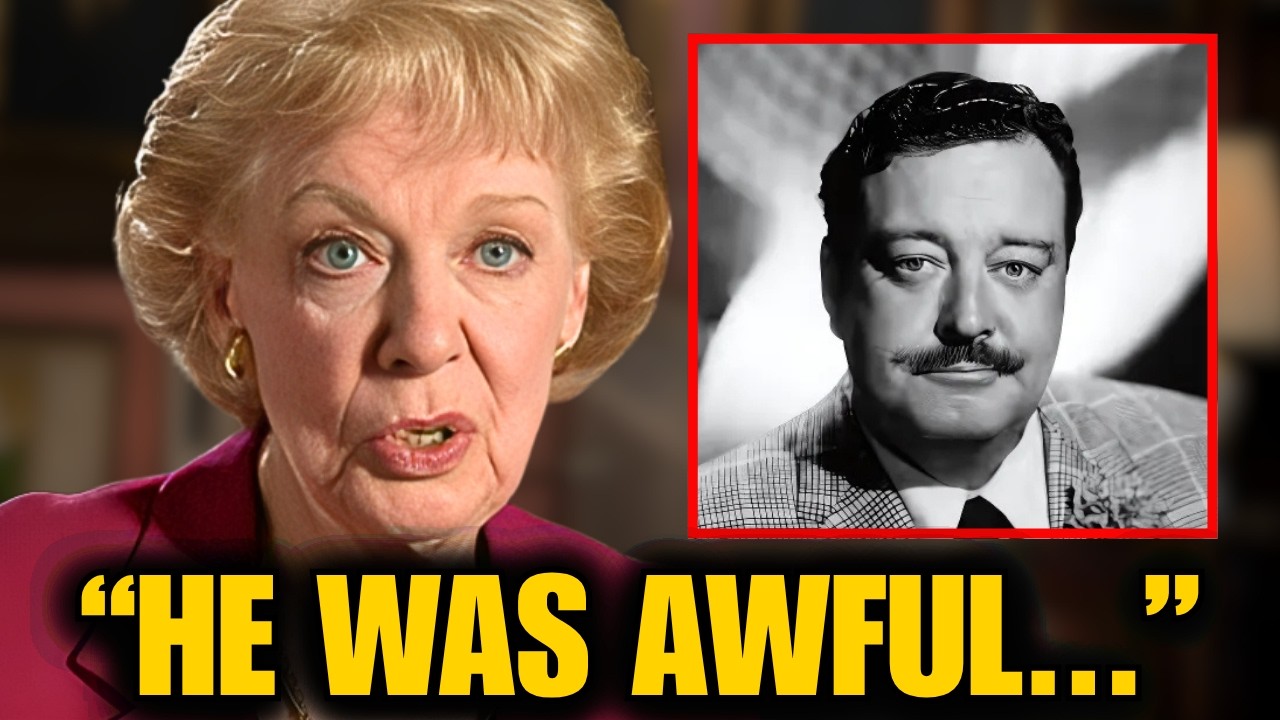
Two days before Jackie Gleason died, Audrey Meadows called him.
By then, millions of Americans had spent decades thinking of them as Ralph and Alice Kramden—the loud, frustrated Brooklyn bus driver and the wife who could puncture his biggest schemes with a single look.
But this was not television.
There was no studio audience.
No applause.
No familiar kitchen set.
Gleason was seriously ill at his Florida home. His wife, Marilyn, warned Audrey that his speech had become difficult to understand.
Still, she carried the phone to him.
Audrey heard Marilyn say:
“Jackie, it’s Audrey. It’s your Alice.”
Then Meadows told the man who had changed her life that she loved him.
She also said something she apparently felt she should have said years earlier.
She thanked him for giving her Alice.
What Jackie Gleason said back became one of Audrey Meadows’ most memorable stories about him.
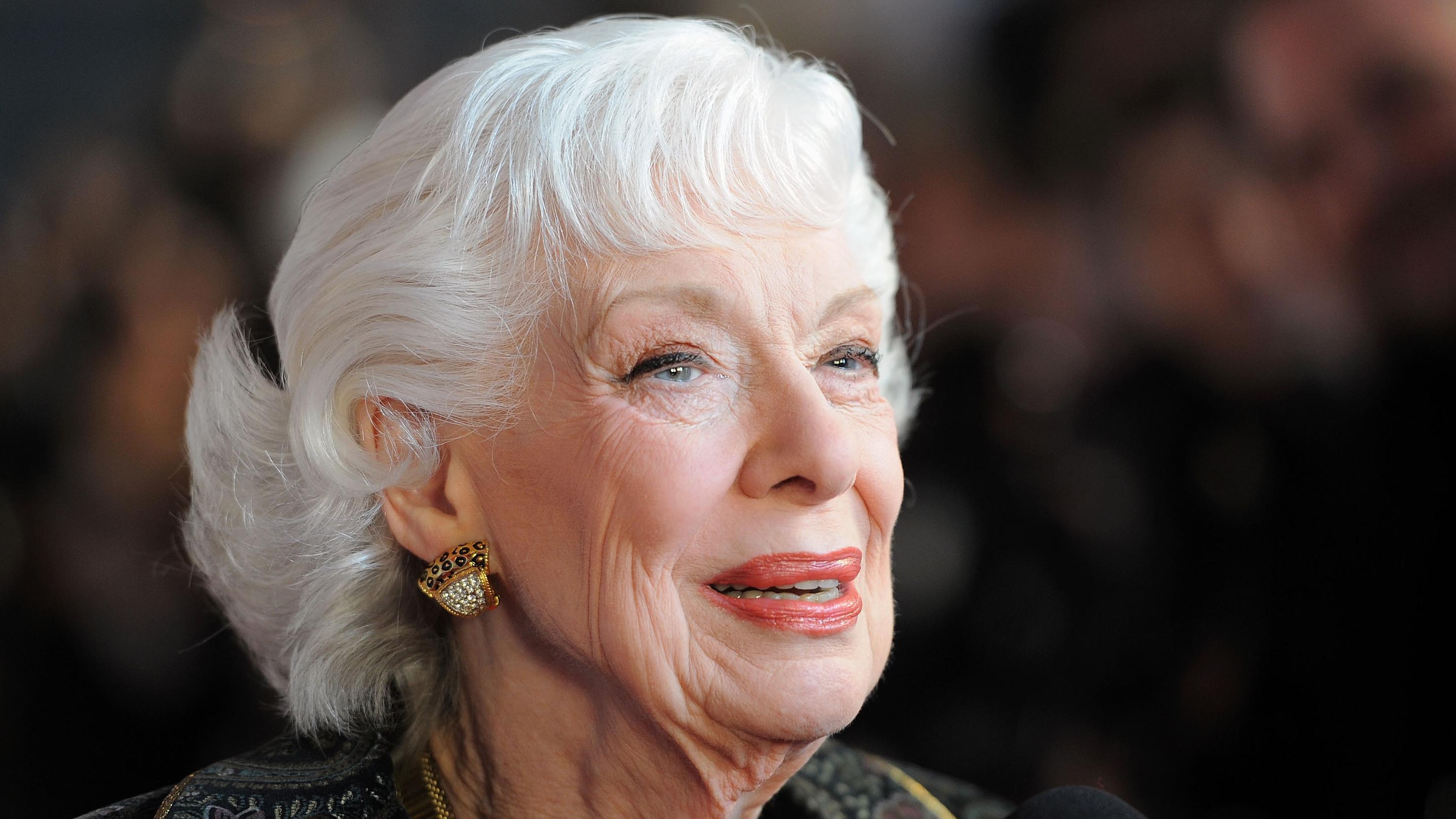
But to understand why those few final words mattered so much, you have to understand the strange relationship that came before them.
Because Jackie Gleason was not always easy.
He barely rehearsed.
He controlled almost every aspect of his show.
His way of working could terrify performers who were accustomed to preparation.
And Audrey Meadows had originally been rejected before she ever became Alice.
Yet when she finally wrote her memoir decades later, she did not use it to destroy Gleason.
She did almost the opposite.
That may be the most surprising truth of all.
Jackie Gleason Didn’t Want Audrey Meadows
Audrey Meadows was not the original Alice Kramden.
Pert Kelton had played Ralph’s wife before her.
When circumstances opened the role, Meadows wanted it badly.
There was one problem.
Jackie Gleason took one look at her and decided she was wrong.
His objection was almost absurd considering what came next:
Audrey looked too young and too pretty to be Ralph Kramden’s wife.
Meadows could have accepted the rejection.
Instead, she decided Jackie Gleason had seen the wrong Audrey.
She arranged for a photographer to take deliberately unflattering pictures.
No glamorous television-star styling.
No polished makeup.
She messed with her hair, put on old clothes and an apron, and posed in a kitchen holding a frying pan.
Then the photographs went back to Gleason.
This time, he saw Alice.
According to Meadows’ later recollection, Gleason did not initially realize the woman in the photographs was the same actress he had rejected.
Once he discovered what Audrey had done to prove herself, he laughed.
Her determination helped win him over.
The woman he had thought was too glamorous suddenly had the part that would define her life.
Audrey Had Won the Role. Now She Had to Survive Jackie’s Way of Working.
Getting cast was only the beginning.
Meadows entered a television environment that would feel almost impossible by modern standards.
Preparation was minimal.
Jackie Gleason famously disliked extensive rehearsal.
The performers might receive scripts shortly before shooting.
They could go through an episode only once or twice before performing it in front of an audience.
For the “Classic 39” filmed episodes of 1955–56, the cast worked with an advanced filming process, but Meadows later said they performed those shows with the energy and danger of live television.
There was very little margin for error.
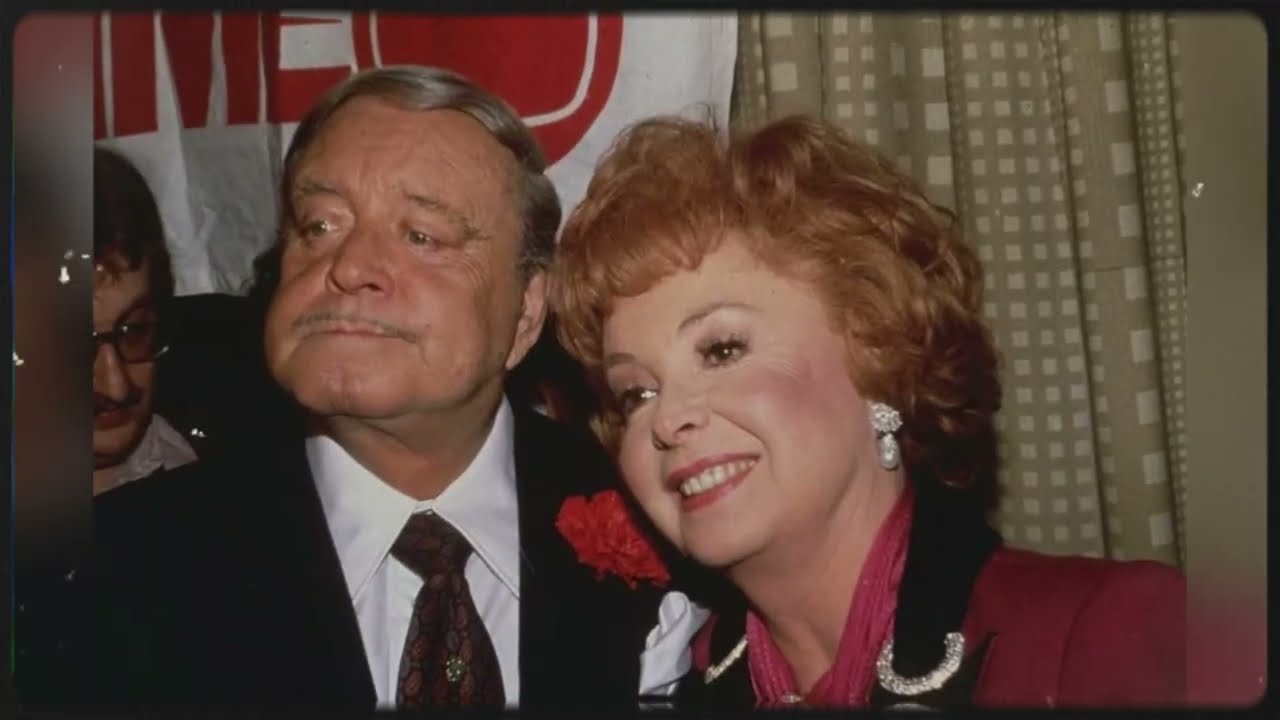
If somebody missed a line, there was no comfortable expectation of endless retakes.
If a prop failed, the performers had to react.
If Gleason changed something, everybody else had to stay with him.
Years later, Joyce Randolph remembered the atmosphere as genuinely frightening for some actors. One performer, she said, became physically sick in the wings from the pressure of going on with so little rehearsal.
Gleason himself admitted that his production method could make the show difficult.
But he believed repetition could kill comedy.
He wanted freshness.
Spontaneity.
Danger.
And Audrey Meadows discovered very quickly that if she wanted to work with Jackie Gleason, she had better be ready for anything.
One Broken Prop Showed Jackie Exactly Who Audrey Was
An early sketch gave Meadows an unexpected test.
A prop steak was supposed to be slammed onto the table.
Instead, something went wrong.
The fake steak broke.
A piece flew away.
The scene could have collapsed.
Gleason looked toward his new co-star.
Audrey did not freeze.
She turned the accident into the joke and kept going.
That ability—to remain calm when the planned scene suddenly ceased to exist—was exactly what Gleason’s style demanded.
Audrey Meadows did not merely memorize Alice’s lines.
She became known for knowing the material around her as well.
If something went wrong, she could help steer the scene back.
That made her far more than Ralph Kramden’s straight woman.
She became one of the people Gleason could trust when television became unpredictable.
And on a Jackie Gleason production, unpredictability was not an occasional accident.
It was practically part of the method.
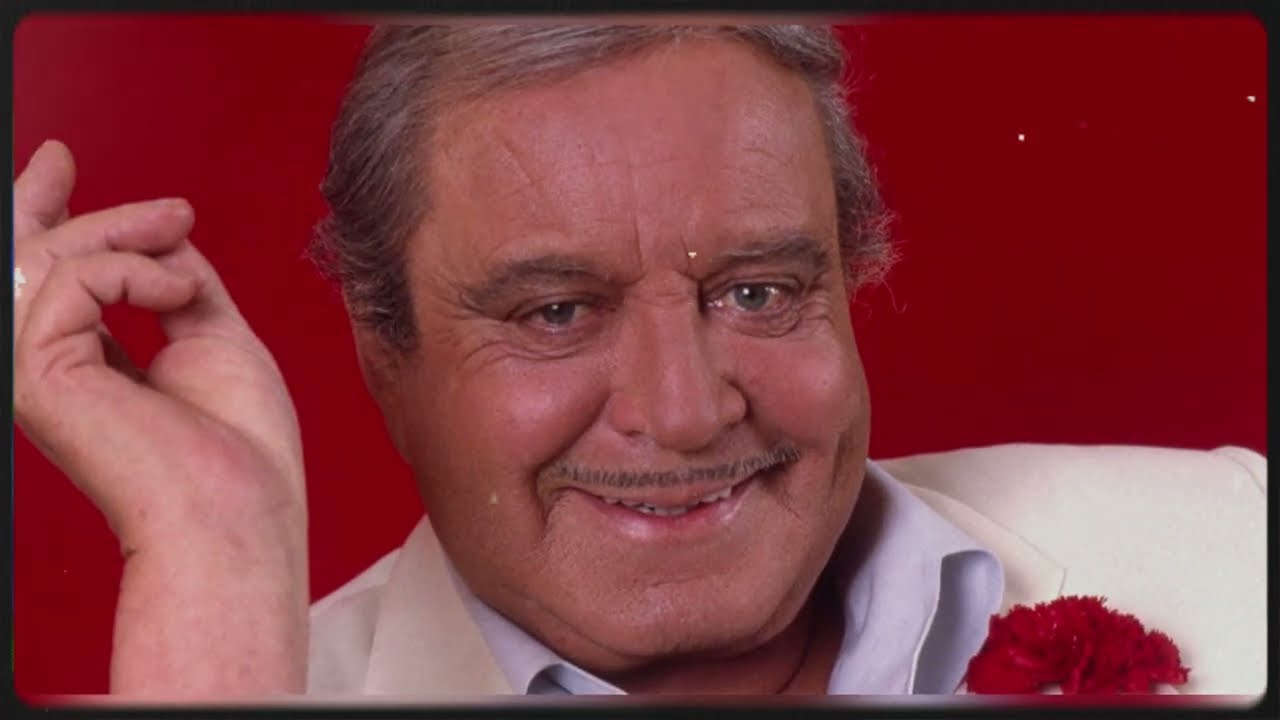
Gleason’s Refusal to Rehearse Wasn’t Simply Laziness
This is where later retellings often flatten the story.
It is easy to say:
Jackie refused to rehearse because he was arrogant.
Audrey suffered because Jackie was impossible.
Reality was more complicated.
Gleason had an unusual confidence in instinct.
He believed comedy could become stale if performers repeated jokes too often before the audience arrived.
He wanted the reaction to feel alive.
Meadows later remembered the lack of rehearsal not simply as a nightmare, but as part of what gave The Honeymooners its distinctive energy.
In a 1993 interview, she called working with Gleason “the best time I ever had.”
That single sentence destroys much of the darker mythology later built around their relationship.
Did Gleason’s working style create pressure?
Absolutely.
Was he an enormous personality who controlled his production?
Yes.
But Audrey did not look back on those years as decades of secret torment.
Quite the opposite.
She believed the danger helped create something audiences could feel.
Ralph and Alice Needed Each Other
Ralph Kramden was enormous.
Not merely physically.
Emotionally.
He entered that tiny Brooklyn apartment carrying huge dreams and even bigger frustrations.
He was always going to become something.
Buy something.
Invent something.
Win something.
And almost every plan collapsed.
Alice knew it would.
That was the comedy.
But she could not simply stand there quietly while Ralph exploded.
The character needed someone capable of pushing back.
Audrey Meadows gave Alice a weapon more effective than Ralph’s shouting:
precision.
A raised eyebrow.
A perfectly timed sentence.
A pause.
She rarely needed to match Gleason’s volume.
She just needed to wait until Ralph had finished building his absurd tower—
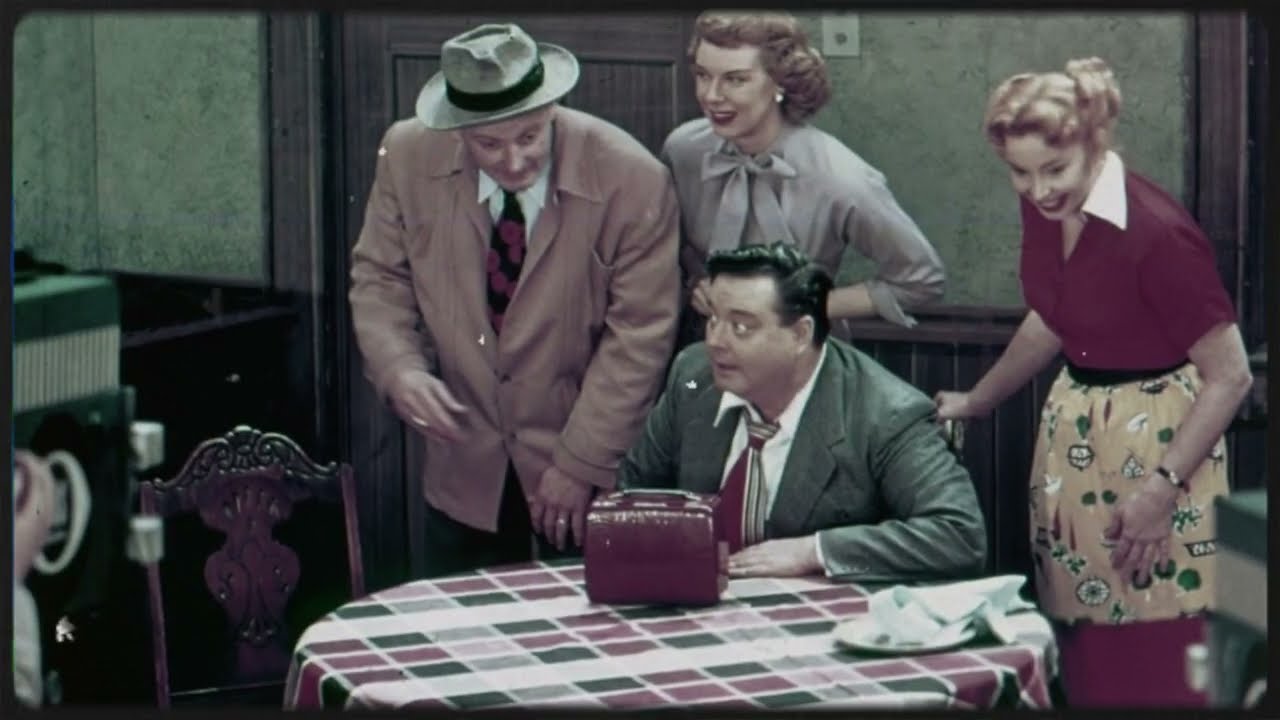
and remove one brick.
The audience knew what would happen.
Ralph would rage.
Alice would puncture the fantasy.
Ralph would eventually realize he had gone too far.
Then came the line:
“Baby, you’re the greatest.”
Underneath the noise, that was the heart of The Honeymooners.
Ralph and Alice fought constantly.
But the audience never really doubted that Ralph loved her.
And Audrey Meadows understood that distinction better than almost anyone.
The Marriage Looked Miserable — Yet Audiences Believed the Love
Viewed through modern eyes, some of Ralph’s famous threats can feel uncomfortable.
“Bang! Zoom!”
“To the moon, Alice!”
But Alice was never written or played as frightened of Ralph.
She challenged him.
Mocked him.
Beat him verbally.
Gleason himself later credited Alice as an unusually strong television wife—someone who could give as much as she received.
That dynamic mattered.
If Audrey had played Alice as weak, Ralph might have become unbearable.
If she had played her as genuinely contemptuous of Ralph, the marriage would have become depressing.
Instead, Meadows found the narrow space between the two.
Alice knew Ralph was ridiculous.
She also knew there was a decent man underneath all the noise.
Perhaps that is one reason Audrey later resisted attempts to turn Jackie Gleason himself into a one-dimensional monster.
She understood better than most that contradictions could coexist.
Jackie Gleason Wasn’t the Only Genius in the Room
Because The Honeymooners is so closely identified with Gleason, it is easy to forget just how extraordinary the ensemble was.
Art Carney transformed Ed Norton into one of television’s great comic characters.
Joyce Randolph gave Trixie a grounded warmth.
Audrey made Alice formidable without losing affection.
And Gleason understood something essential about comedy:
sometimes the star is funniest because everyone around him is excellent.
One writer later recalled Gleason being told that an episode did not contain many jokes for Ralph.
Gleason’s concern was not simply whether he had punch lines.
He wanted to know whether he had something good to react to.
That tells you something about his comic intelligence.
He understood reaction.
Timing.
Rhythm.
He did not need every laugh handed directly to Ralph.
And that helps explain why Audrey could criticize aspects of his personality while still regarding him as a remarkable comic talent.
Audrey Was Much More Than the Woman in Ralph’s Kitchen
Another reason sensational versions of her story feel wrong is that they often turn Audrey into a powerless actress trapped by a difficult male star.
That badly underestimates her.
Audrey Meadows was sharp.
Professionally and financially.
The woman playing a Brooklyn housewife worried about Ralph’s latest get-rich-quick scheme understood business remarkably well.
When her contract was negotiated, Meadows and her representatives secured something unusually forward-looking:
a financial interest connected to future reruns.
At a time when television syndication was still developing, that clause proved enormously valuable as The Honeymooners lived on decade after decade.
Accounts of the agreement credit Meadows’ brother, an attorney, with helping secure the provision.
The result was extraordinary.
While Alice Kramden was forever worrying about the household budget, Audrey Meadows continued benefiting financially from the show’s afterlife.
That is a far more interesting “hidden truth” than the claim that she silently suffered for decades.
Audrey understood her value.
Then the “Classic 39” Ended
This is another strange piece of television history.
The version of The Honeymooners that became most iconic consisted of only 39 filmed half-hour episodes from the 1955–56 season.
Thirty-nine.
That was enough.
Enough for Ralph’s apartment to become one of the most recognizable rooms in American television.
Enough for entire generations to learn the rhythms of Ralph, Alice, Ed and Trixie.
Enough for lines spoken in the 1950s to survive into the twenty-first century.
The characters later returned in other formats and specials, but those Classic 39 took on a life of their own through reruns.
Audrey Meadows could have spent the rest of her life resenting the way Alice typecast her.
And she did acknowledge a real professional cost.
After The Honeymooners, she found herself repeatedly offered variations on the same domestic character.
She once joked about seemingly always being offered something involving a kitchen.
But that frustration never erased her affection for Alice.
Audrey’s Career Paid a Price for Becoming Unforgettable
Typecasting is one of Hollywood’s strangest punishments.
An actor succeeds too completely—
and suddenly producers can imagine them doing nothing else.
Audrey Meadows became Alice Kramden so convincingly that the role followed her everywhere.
Audiences saw her face and immediately saw that Brooklyn kitchen.
That kind of recognition is priceless.
It can also be limiting.
Meadows worked afterward in film and television, but Alice remained the role attached permanently to her name.
She could have blamed Gleason for that.
She could have blamed the show.
She could have written a memoir about opportunities lost.
Instead, when she eventually wrote about The Honeymooners, even a contemporary reviewer noted something striking:
people hoping for a Jackie Gleason takedown were going to be disappointed.
Her Memoir Wasn’t an Exposé
In 1994, Audrey Meadows published Love, Alice: My Life as a Honeymooner with Joe Daley.
The title itself should have been a clue.
This was not:
Surviving Jackie.
It was not:
The Monster Behind Ralph Kramden.
It was:
Love, Alice.
Kirkus Reviews observed at the time that Meadows’ book was partly intended as a corrective to biographies of Gleason she believed had been excessively harsh.
The reviewer essentially warned readers seeking hot gossip to look somewhere else.
That fact completely changes the premise of her “final revelation.”
Audrey was not breaking decades of silence to expose Jackie Gleason.
She was preserving her version of him.
That did not mean pretending he was perfect.
It meant insisting that flaws were not the whole man.
She Had Seen a Jackie Gleason the Audience Could Not
Audiences saw the Great One.
Audrey saw the coworker.
She knew his working habits.
His appetite.
His humor.
His enormous personality.
His ability to control a room.
His strange routines.
His confidence.
And his eccentricities.
She also saw generosity and loyalty.
The memoir’s contemporary reviews emphasize that Meadows remembered Gleason with real affection.
There is an important difference between saying:
“This person was easy.”
and saying:
“This person mattered to me.”
Audrey never needed the first statement in order to believe the second.
That distinction would become painfully clear when Gleason became seriously ill.
By 1987, Jackie Was Dying
Jackie Gleason died on June 24, 1987.
He was 71.
Cancer had taken a devastating toll.
By then, the booming voice that had once filled television studios was weak.
Audrey was in Los Angeles.
Jackie was in Florida with his wife, Marilyn.
Meadows knew time was running out.
So she called.
This is the conversation she later described publicly in 1988—years before her memoir.
That alone disproves the story that Audrey maintained some mysterious thirty-year silence before suddenly revealing everything near death.
She had been telling stories about Jackie.
What she had not been doing was trying to destroy him.
“Jackie, It’s Audrey. It’s Your Alice.”
Marilyn warned her that Jackie could barely speak clearly.
Still, she brought him the telephone.
Audrey heard Marilyn introduce her using the name that connected all three of them to television history:
“It’s your Alice.”
Audrey told Jackie she loved him.
His first response was so weak that she could not understand what he was saying.
Then Audrey continued.
There was something else she wanted him to know.
For all those years—
all those shows—
all those reruns—
all those people who still stopped Audrey on the street because they loved Alice—
she felt she had never properly thanked him.
So she did.
She thanked Jackie Gleason for giving her the role.
And suddenly his voice returned.
Clear.
Recognizable.
The Great One again, if only for a moment.
His answer was five words:
“I knew what I was doing!”
That was Jackie.
Even near the end.
Confidence intact.
And for Audrey, apparently, it was enough.
There Was No Final Reckoning
That is what makes the conversation so much more moving than an invented exposé.
Audrey had an opportunity to say anything.
If decades of secret resentment had defined the relationship, this was the moment when it might have surfaced.
Instead:
I love you.
And:
Thank you.
Jackie’s answer did not apologize for being difficult.
Audrey did not demand an apology.
They did not rewrite their history.
They acknowledged what mattered most.
He had seen Alice in her.
She had turned Alice into television history.
And both of them knew it.
After Jackie Died, Television Wanted Audrey to Say Goodbye to Ralph
Then came another moment that reveals how seriously Meadows took the difference between Jackie Gleason and Ralph Kramden.
For an Emmy Awards tribute after Gleason’s death, producers wanted Audrey to return to the old Kramden kitchen dressed as Alice.
They wanted a eulogy.
The visual would have been devastating:
Alice alone in the apartment.
Ralph gone.
Television grieving television.
Audrey refused.
She thought the idea was wrong.
Why?
Because Jackie Gleason had died.
Ralph Kramden had not.
In Audrey’s view:
“Ralph will live forever.”
That statement now feels almost prophetic.
Decades later, people still watch Ralph.
Still watch Alice.
Still know Norton.
Still recognize the apartment.
The performers died.
The characters did not.
Audrey Understood Something About Television Before Most People Did
In the 1950s, television could feel disposable.
Shows went out over the air.
Another episode arrived.
Then another.
No one could know exactly which programs would still be watched seventy years later.
Audrey’s financial agreement anticipated reruns.
Her attitude toward Ralph anticipated something even larger.
Television characters could outlive the people who created them.
That knowledge explains why Meadows took the legacy seriously.
She did not want Ralph’s fictional death attached to Jackie’s real death.
And she did not want a simplistic version of Jackie Gleason attached permanently to his memory either.
She could remember the chaos without rewriting the affection.
Her Own Ending Was Quiet
Audrey Meadows published Love, Alice in 1994.
Less than two years later, she was gone.
She had developed lung cancer.
According to her family, Audrey kept the seriousness of the illness extremely private.
Her sister Jayne Meadows did not learn how grave the situation had become until late.
Audrey was admitted to Cedars-Sinai Medical Center in January 1996.
She died on February 3.
Contemporary reports noted confusion over her exact age, something that followed Meadows for years, but later biographical research generally places her birth in 1922.
What was not uncertain was the place Alice Kramden held in American television history.
She Died, but Alice Didn’t
The logic Audrey had applied to Ralph now applied to her own character.
Audrey Meadows was gone.
Alice remained.
The reruns continued.
A new generation could enter that apartment without knowing anything about the real people behind the characters.
They could laugh at Ralph’s latest disaster.
Watch Norton wander through the door.
Wait for Alice to deliver the line that ended the argument.
And for half an hour, everybody was alive again.
That is television’s strange form of immortality.
Audrey understood it.
Maybe better than anyone.
So What Was Audrey Meadows’ “Shocking Truth” About Jackie Gleason?
There really was one.
It just was not the one sensational headlines promise.
Jackie Gleason could be difficult.
He barely rehearsed.
His methods placed enormous pressure on everyone around him.
His personality dominated productions.
Working with him demanded preparation, instinct and nerves.
Audrey knew all of that firsthand.
But she also knew something people who only read about Gleason later did not.
She had been there when it worked.
She had stood across from him when his instincts produced exactly the right reaction.
She had felt the audience explode with laughter.
She had seen how much trust was required to make apparently chaotic comedy function.
She knew the difference between an easy colleague and a great one.
Jackie Gleason was not necessarily the first.
To Audrey Meadows, he was unquestionably the second.
The Memoir Didn’t Break Her Silence. It Protected Complexity.
This may be the most important correction to the entire story.
Love, Alice was not Audrey Meadows finally freeing herself from Jackie Gleason’s shadow.
It was not a revenge book.
It was not a deathbed confession.
Contemporary reviewers recognized it as an affectionate account, even noting Meadows’ desire to push back against portrayals of Gleason she believed were unfairly negative.
That does not make the book less interesting.
It makes it more interesting.
Anyone can wait until someone dies and tell the worst stories.
Audrey did something harder.
She acknowledged that working relationships can contain irritation, pressure, admiration, friendship and love at the same time.
Jackie did not have to become a saint.
He did not have to become a monster.
He could remain Jackie Gleason.
Complicated.
Perhaps Audrey’s Greatest Strength Was Knowing the Difference Between Ralph and Jackie
Alice Kramden had to win arguments against Ralph.
Audrey Meadows did not have to win history against Jackie Gleason.
That is why the final phone call matters.
She knew Gleason’s shortcomings.
She knew the pressure of his methods.
She knew what being Alice had cost professionally.
She also knew what the role had given her.
A place in television history.
Financial security from reruns.
A character audiences loved.
A creative partnership that millions still remembered.
So when Jackie was dying, Audrey did not use the last conversation to settle an old score.
She told him the simplest truth.
She loved him.
And she thanked him.
Jackie Gleason Had One Last Ralph Kramden Answer
Then came that voice.
Clear for a moment.
Certain.
Proud.
Audrey told him she had never thanked him for giving her Alice.
Jackie answered:
“I knew what I was doing!”
Of course he did.
It is hard to imagine a more Jackie Gleason final line.
And perhaps that is why Audrey kept telling the story.
Not because it exposed some dark secret.
Because it captured the man.
The ego.
The humor.
The affection.
The certainty.
Everything compressed into five words.
Audrey Meadows Never Needed to Pretend Jackie Gleason Was Easy
That is the part worth remembering.
She did not need to pretend the pressure was imaginary.
She did not need to pretend his style suited everyone.
She did not need to erase his flaws in order to value what they had made together.
Nor did she need to turn those flaws into the defining story of The Honeymooners.
When she looked back, she remembered the chaos.
But she also remembered calling it the best job she ever had.
She remembered the man who initially said she was wrong for Alice.
The man she tricked with a photograph.
The man who barely rehearsed.
The man she learned to keep pace with.
The man who helped create one of television’s most durable couples.
And when he was almost gone, the last important thing she wanted him to hear was not an accusation.
It was gratitude.
That may be the real revelation Audrey Meadows left behind.
She knew Jackie Gleason could be difficult better than almost anyone. But after all the arguments, pressure and years of television history, she still wanted the last thing between them to be love.