Prince Harry has once again placed himself at the centre of a royal firestorm, reigniting long-standing tensions between the Sussexes and the British public with a renewed and deeply emotional accusation against the Royal Family and the media ecosystem surrounding it.
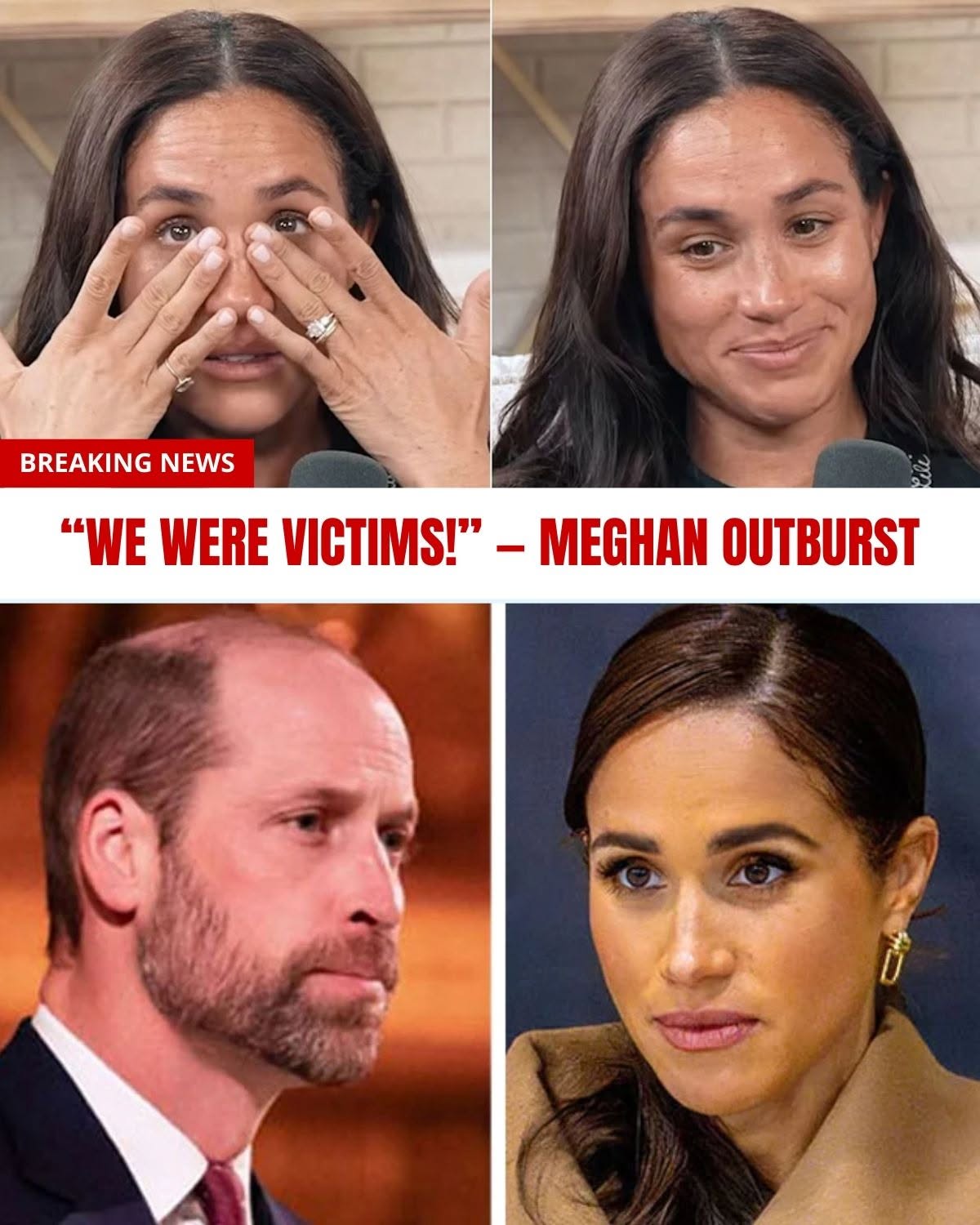
In his latest remarks, Harry reiterated a central theme that has defined much of his post-royal narrative: that he and Meghan Markle were “victims of media mind-games,” left exposed, unprotected, and targeted during their time as working members of the Royal Family.
But this time, the tone of his message has shifted in a way that has drawn even sharper criticism.
“We Were Victims” — and the Escalation of the Claim
Harry’s statement, framed around the idea that “we were victims,” goes beyond earlier critiques of press intrusion or institutional silence. Instead, it reinforces a more structural accusation: that the Sussexes were systematically left vulnerable while others inside the monarchy were protected.
According to Harry’s framing, the Royal Family did not simply fail to defend him and Meghan — they actively allowed narratives to develop that damaged their public image.
He describes this as a form of institutional abandonment in which media pressure was met with silence, rather than protection.
While these claims have been part of Harry and Meghan’s broader narrative for several years, the latest articulation has intensified public reaction due to one specific implication: comparison.
The Most Explosive Element: The William Comparison
What has triggered the strongest backlash in Britain is Harry’s suggestion that he was treated differently — and, in some interpretations of his remarks, worse than Prince William.
Harry has repeatedly implied that William, as the heir to the throne, received a higher level of institutional protection, particularly in relation to media narratives and internal Palace communications.
In his most forceful language, Harry has suggested that he was:
- Singled out within the institution
- Left without adequate internal support
- Exposed to reputational damage without intervention
- And, in his words, “offered up” while others were protected
This framing has become the most controversial aspect of his entire narrative.
Because while critics dispute the accuracy of these claims, they also highlight what they see as the underlying accusation: that the monarchy intentionally prioritised one brother over the other.
“Left to Burn” — The Emotional Language Fueling the Divide
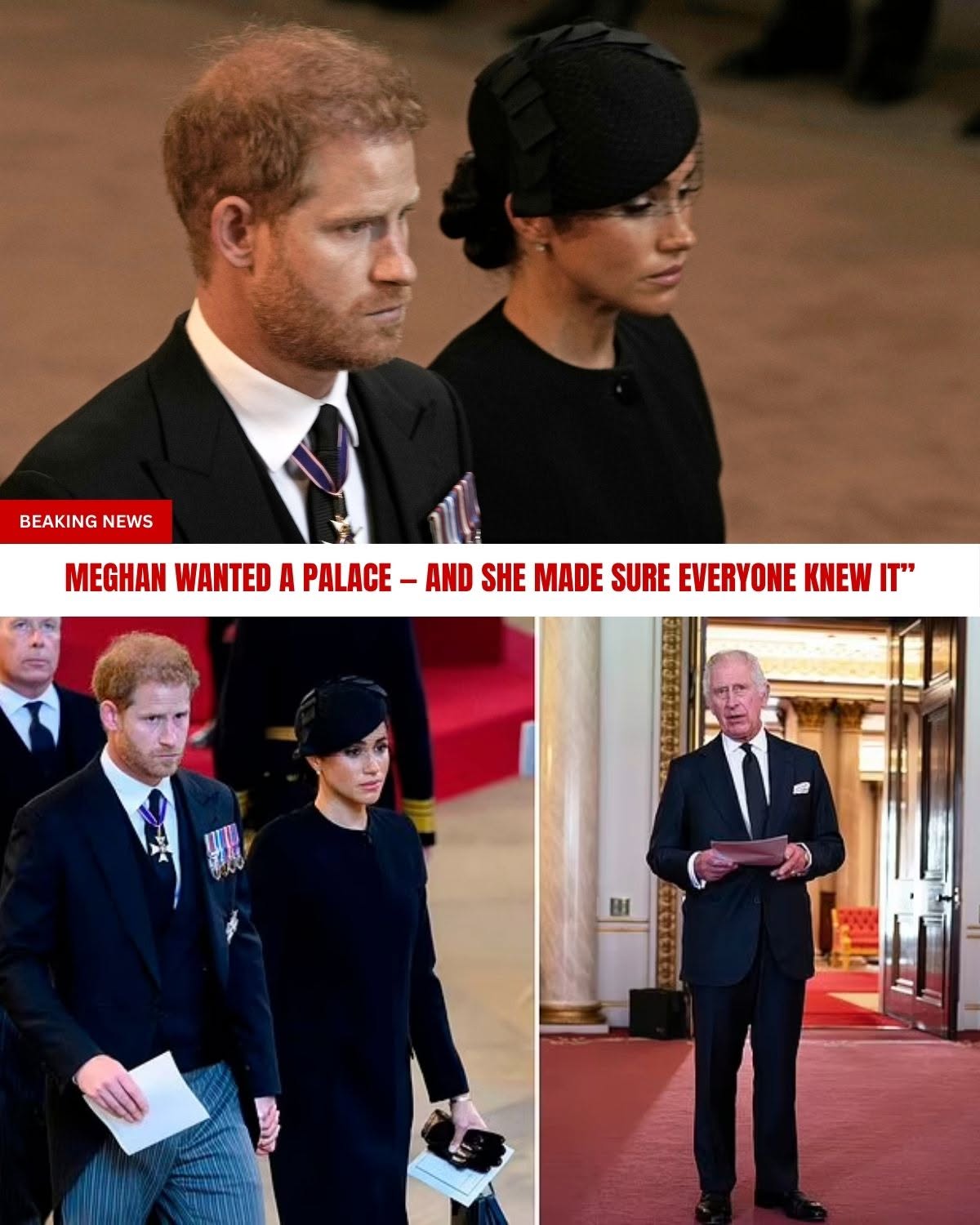
Harry’s description of himself as “the one they offered up” and “the one they allowed to burn” has been widely circulated in media coverage and commentary.
Supporters interpret this language as the expression of long-term emotional trauma — rooted in the death of Princess Diana, years of intense media scrutiny, and what Harry describes as a lack of institutional emotional support.
Critics, however, argue that this rhetoric escalates personal grievance into public accusation, further deepening the rift between Harry and the Royal Family.
The language itself has become part of the controversy, as it moves the discussion beyond policy, protocol or media strategy, and into the realm of personal betrayal.
The Palace Position: Silence Maintained
Buckingham Palace has not issued direct responses to Harry’s latest remarks.
Instead, it has consistently adhered to its established communication approach: avoiding public engagement with personal accusations made by members of the Royal Family.
Historically, the Palace has maintained that internal matters should remain private, and that public disputes do not serve the institution or its members.
However, this silence has also created space for competing narratives to grow without resolution — allowing Harry’s version of events and the Palace’s institutional perspective to exist in parallel, without reconciliation.
Why Britain Reacts So Strongly
The public reaction in the UK has been particularly intense, with many critics expressing frustration not only at what Harry is saying, but at the repetition of the claims over time.
For some, the issue is fatigue: the sense that the same grievances are being reintroduced in increasingly dramatic form.
For others, it is perception: the belief that Harry’s framing consistently positions the Royal Family as the source of personal suffering while minimising the complexity of institutional roles and constraints.
Supporters of Harry, however, argue that his willingness to speak openly about emotional harm, media pressure, and institutional dynamics represents an important challenge to traditional silence within the monarchy.
This division is what continues to fuel public outrage and debate.
The Core Conflict: Family or Institution?
At the heart of the dispute lies a fundamental question that the Royal Family has never publicly resolved:
Is the monarchy first and foremost a family — or an institution governed by hierarchy, duty, and constitutional stability?
Harry’s argument is rooted in the idea of family: emotional fairness, protection, and equal support between siblings.
The institutional perspective, however, operates on hierarchy: the heir is prioritised, continuity is protected, and communication is managed strategically to preserve stability.
These two frameworks do not easily align.
And that misalignment is where the conflict continues to intensify.
Conclusion: A Narrative That Keeps Reopening
Harry’s renewed claim that he and Meghan were “victims” has not introduced a new controversy so much as reopened an existing one — but with heightened emotional intensity.
Each new statement does not resolve the debate. Instead, it reinforces the divide between two interpretations of the same history.
One view sees Harry as exposing uncomfortable truths about media culture and institutional coldness.
The other sees a former royal repeatedly reframing personal grievances as systemic injustice.
What remains clear is that the story is far from settled.
Because in the absence of a shared version of events, every new accusation becomes not an endpoint — but another ignition point in a conflict that continues to define the modern Royal Family.