An alarming silent mistake by countless cat owners is drastically shortening indoor cats’ lives, hidden behind seemingly innocent habits. This covert crisis reveals how everyday routines—unchanged bowls, overlooked litter box behavior, and ignored subtle signs—slowly damage feline health, pushing beloved pets toward urgent, often fatal conditions unnoticed until it’s too late.
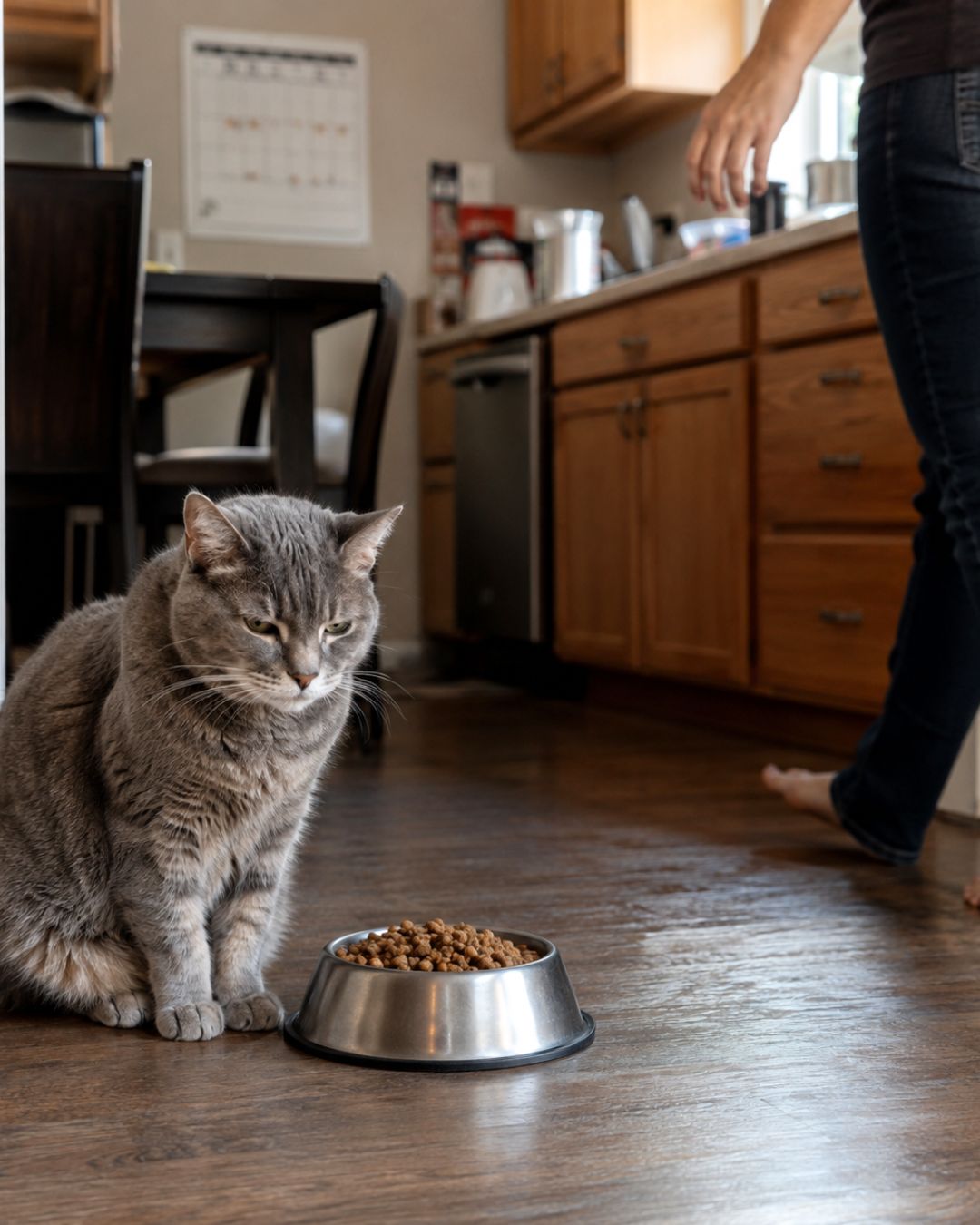
 The first unsuspected culprit is the perpetually full food bowl, which masks early warning signs. Cats naturally signal illness through appetite changes, but constant grazing eliminates visible meal patterns. Without observing a full meal, vital health declines remain concealed for weeks, delaying critical veterinary intervention in diseases like kidney failure or dental pain.
Transitioning to scheduled meals twice daily restores a crucial health checkpoint. This simple shift doesn’t just control portions—it creates daily moments for owners to assess their cat’s appetite and detect abnormalities promptly. Early detection hugely increases survival odds in chronic illnesses by transforming vague unease into concrete action.
Water intake habits silently undermine kidneys over time. Cats evolved hydrating through prey moisture, not drinking water, so those on dry food diet suffer chronic dehydration. Positioning water bowls near food or using deep, narrow containers exacerbates avoidance due to feline instincts about contamination and whisker sensitivity, worsening this hidden danger.
Owners must relocate water bowls to separate, wider dishes made of ceramic, glass, or steel, refreshing water daily. Bacterial films form rapidly and are detectable by cats before humans notice, risking avoidance of fluids. Addressing this quietly escalating dehydration is vital to prevent irreversible kidney damage.
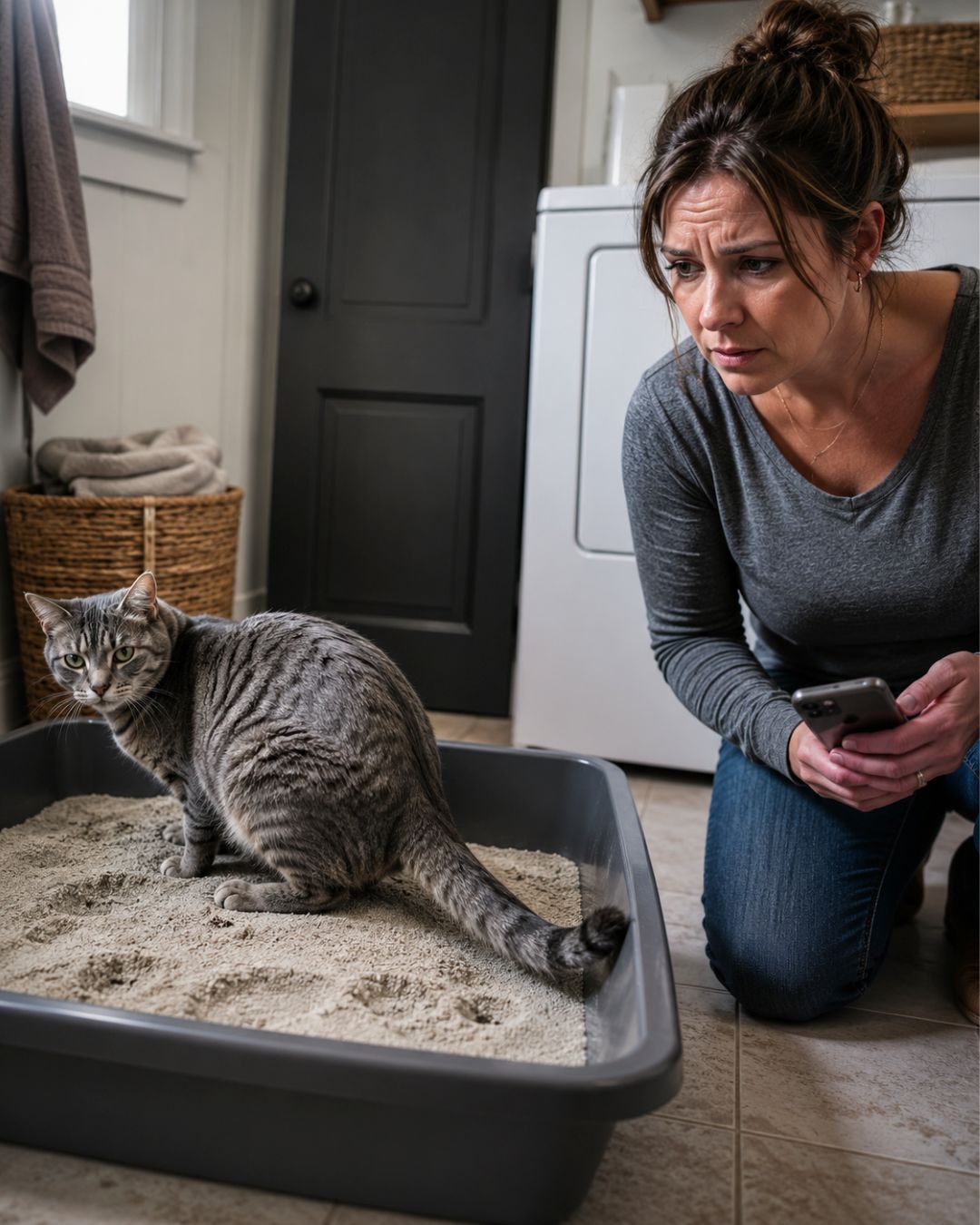
The litter box conceals one of the most urgent threats: urinary blockage, particularly common in neutered males. Straining with no output signals an emergency, not constipation. Crystals blocking the urethra lead to toxic bladder backup and death within days if untreated. Neglecting this creates a deadly time bomb.
Risks multiply with dry diets, dirty shared boxes, and stress-induced holding behavior. Any repeated unproductive litter box trips demand immediate veterinary care. Waiting can turn a seemingly healthy cat’s world upside down overnight due to this fast-moving, fatal emergency.
Common perceptions glamorize lazy indoor cats, but inactivity hints at under-stimulation and chronic stress, which inflicts real physiological harm. Suppressed immunity, bladder inflammation, and compulsive grooming erupt from unmet hunting drives. Active play twice daily awakens natural instincts, dramatically improving overall feline wellness.
Rotating toys or secreting treats encourages hunting behavior inside, crucial for mental and physical health. A cat still sleeping excessively might be suffering hidden distress, not comfort. Recognizing and addressing inactivity transforms a shadowed health decline into a renewed, vibrant life.
Obesity lurks as a disguised adversary, with enhanced risks of diabetes, liver disease, and joint strain. The real peril arises when overweight cats suddenly stop eating. A two-day fast triggers hepatic lipidosis—a fatal liver disorder. Overfeeding, misinterpreted as kindness, sows seeds for this severe crisis.
Immediate vet attention is non-negotiable when an overweight cat refuses food beyond one day. This silent collapse swiftly turns life-𝓉𝒽𝓇𝑒𝒶𝓉𝑒𝓃𝒾𝓃𝑔. Awareness and restraint in feeding habits can prevent this fatal cascade, underscoring owners’ key role in protective intervention.
Cats excel at masking pain, distorting owners’ perceptions of normalcy. Subtle signs—slowed eating, hiding, dull coat, cautious movements—are easily misconstrued as aging. By the time overt illness manifests, weeks of irreversible decline have often passed. Early vigilance saves lives through simple weekly checks of weight and grooming.

Household hazards compound the threat. Lilies and essential oils inflict acute kidney failure or toxic reactions rapidly. Even contact or airborne particles from these common items are deadly to felines, with grooming behaviors amplifying exposure. Industry awareness and rigorous home safety are urgent demands.
Assumptions about indoor safety prove deadly with unsecured windows. “High-rise syndrome” causes severe injuries or death from falls triggered by sudden feline hunting instincts. Flimsy screens give false security; robust window protection is a quick fix that prevents life-or-death accidents from a single moment’s misstep.
This cascade of hidden risks reveals a nationwide crisis of unintentional neglect. Most owners mean well but unknowingly jeopardize their cats with normal-looking habits. Awareness and rapid adoption of protective measures can halt this tragedy—an urgent call to re-examine daily routines and safeguard indoor cats before irreversible harm occurs.
The silent nature of these threats demands immediate attention, restructuring care approaches from casual to conscientious. By recognizing simple behavioral and environmental cues, owners can become vigilant guardians instead of unwitting perpetrators in their cat’s decline. Knowledge is literally life-saving.
Every cat owner holds the power to reverse these deadly trends through informed adjustments—scheduled feeding, water management, litter box vigilance, active play, weight control, hazard elimination, and secure living environments. These straightforward strategies forge a frontline defense against invisible killers.
Failing to act leaves cats vulnerable to fatal diseases masquerading as routine behavior. This revelation shakes the very foundations of pet care, urging a paradigm shift away from complacency and toward proactive health monitoring. The stakes are as high as the love owners hold for their feline companions.
The urgency of this matter cannot be overstated: delayed response risks preventable deaths and heartbreaking emergencies. Every moment counts when silent symptoms loom. Immediate education and home modifications can change life expectancy trajectories, preserving the joy cats bring to millions of households.
As veterinary science uncovers these stealthy killers embedded in daily care, the onus falls heavily on owners to assimilate and implement lifesaving knowledge. Ignorance is no longer an excuse; these are avoidable dangers lurking within perfectly normal routines. Swift adaptation is the only safeguard.
The future of indoor cats hinges on widespread awareness campaigns and reformed pet care standards emphasizing early detection and environmental safety. Collaborative efforts between vets, behaviorists, and owners will be essential in transforming lethal habits into protective rituals.
For now, this wake-up call resounds urgently: review your cat’s feeding schedule, water access, litter box habits, activity levels, weight, home toxins, and window security immediately. The life you save could be your cherished indoor cat’s. Act fast, act decisively—their silent struggle requires your loud response.