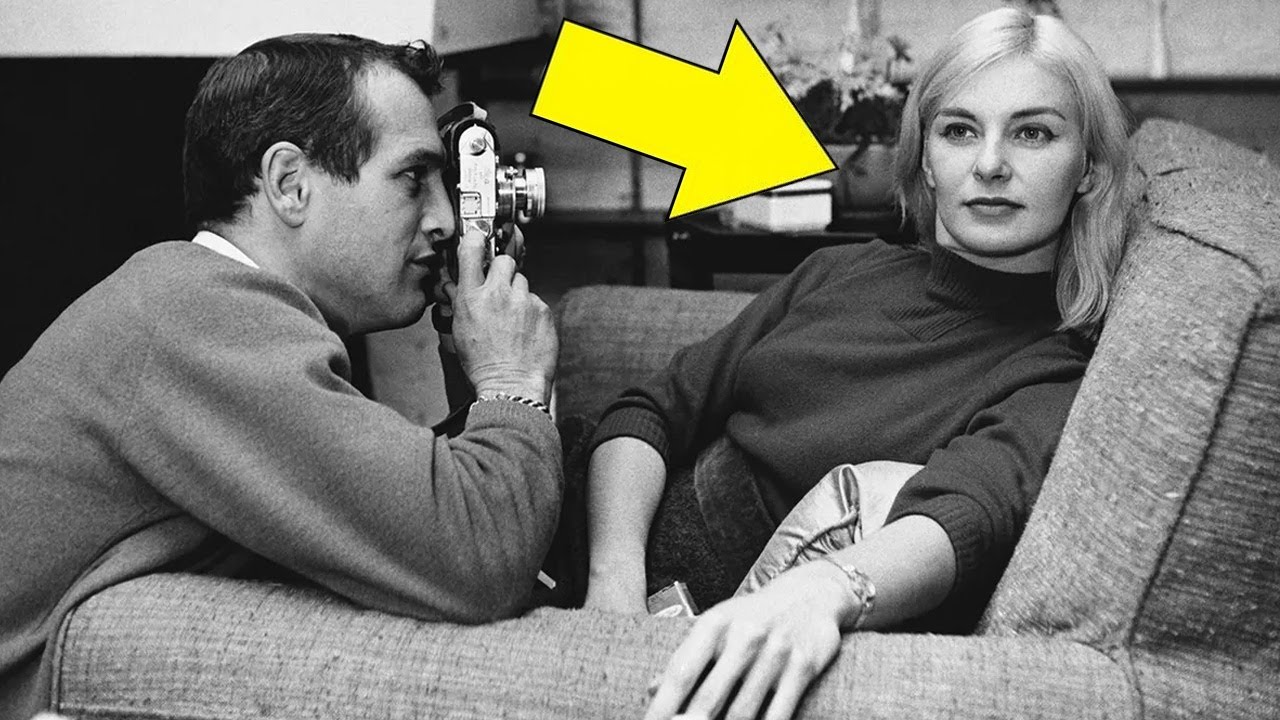
Paul Newman spent the last decades of his life doing something almost unheard of for a Hollywood superstar.
He gave the money away.
Salad dressing became pasta sauce.
Pasta sauce became popcorn, lemonade, pizza and dozens of other products bearing those unmistakable blue eyes.
And instead of turning Newman’s Own into another celebrity fortune, Newman declared that the profits should go to charity.
It became one of the most extraordinary philanthropic experiments ever attached to a famous name.
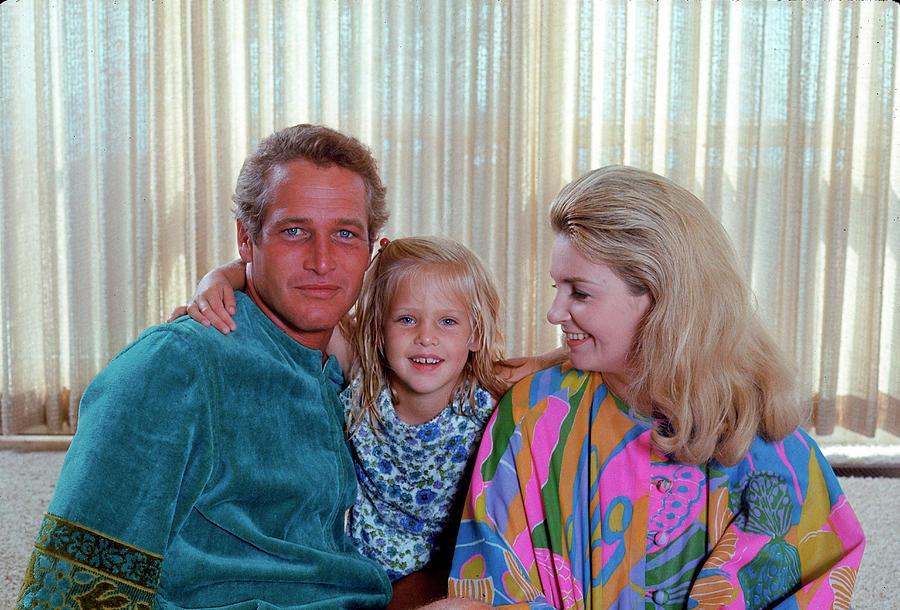
Today, Newman’s Own says more than $600 million has been donated to good causes since the company began in 1982.
For years, that seemed like the perfect final chapter for the man America knew from The Hustler, Cool Hand Luke, Butch Cassidy and the Sundance Kid and The Sting.
Movie star.
Race-car driver.
Devoted husband to Joanne Woodward.
Father.
Philanthropist.
The handsome man who had somehow figured out what to do with fame after Hollywood was finished applauding.
Then, fourteen years after his death, two of his daughters went to court.
Nell Newman and Susan Newman weren’t asking for their father’s millions.
They said something more complicated had happened.
They believed part of the charitable structure Paul Newman had carefully built was no longer being carried out the way he intended.
And buried inside their lawsuit was an even more unsettling allegation:
some of the important changes to their father’s estate planning, they said, had been made during the final months of his life—while he was fighting cancer and acknowledging problems with his memory.
Newman’s Own Foundation rejected their interpretation.
The result was not a simple inheritance fight.
It became a battle over a much harder question:
Who gets to decide what a dead man’s legacy really means?
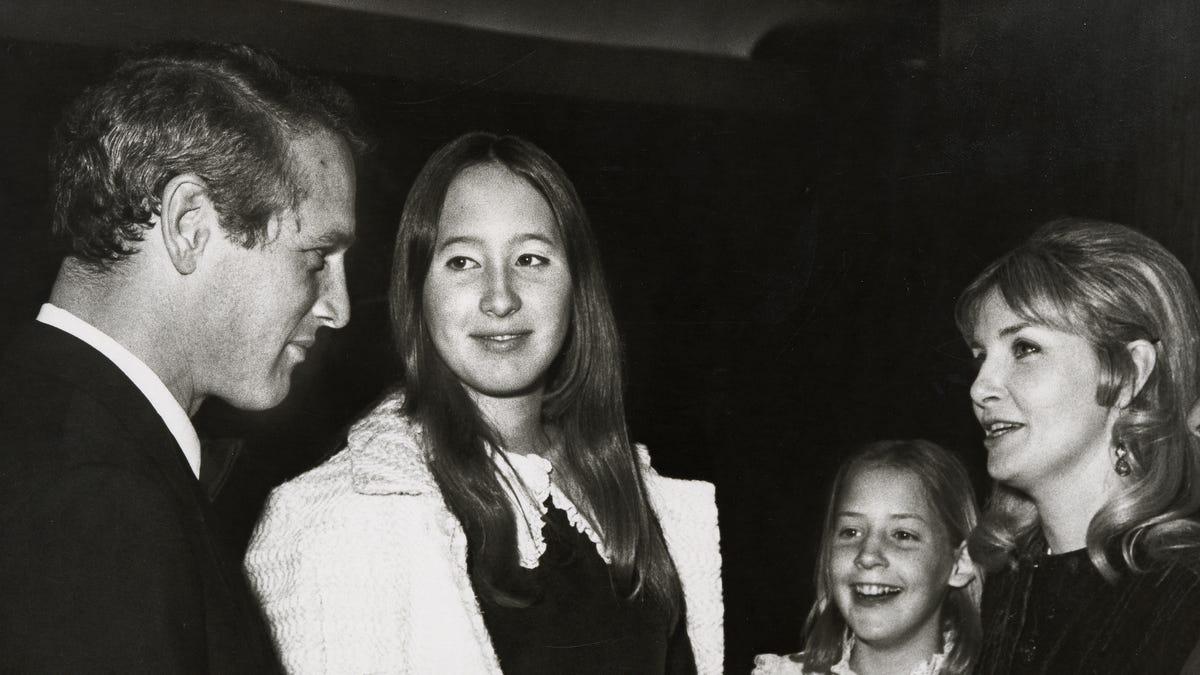
1. Long Before the Lawsuit, Paul Newman Wanted to Destroy His Own Myth
Paul Newman understood that people had created a version of him that was almost impossible for the real man to live up to.
The eyes did much of the damage.
They were extraordinarily blue.
Hollywood photographed them relentlessly.
Women adored him.
Men wanted to look like him.
By the 1960s, Newman had become one of those actors whose public image seemed larger than any particular film.
But the private man was far less comfortable with himself.
Years before his death, Newman began an unusual memoir project with screenwriter Stewart Stern.
He did not simply dictate flattering memories.
He asked Stern to interview friends, family members, colleagues, his first wife and others—and encouraged them to speak honestly.
Newman’s stated goal was to correct the mythology surrounding him and leave something more accurate for his children.
The resulting material, rediscovered years later, became the foundation for the 2022 memoir The Extraordinary Life of an Ordinary Man and helped inform Ethan Hawke’s documentary series The Last Movie Stars.
What emerged was not the destruction of Paul Newman.
It was something more interesting.
The perfect man had never existed.
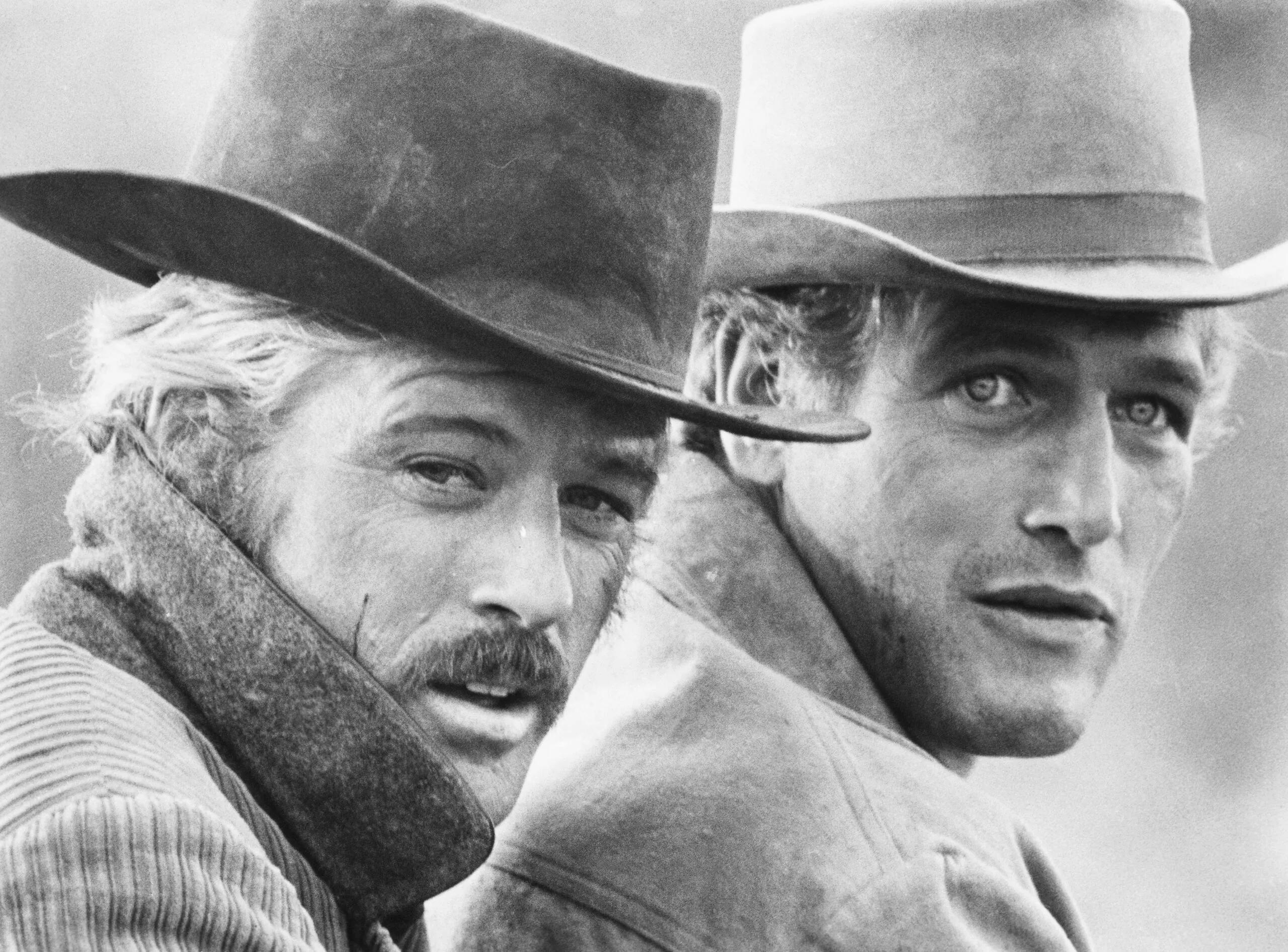
2. Even Hollywood’s “Perfect Marriage” Had Begun With an Affair
Paul Newman and Joanne Woodward eventually became one of Hollywood’s favorite examples of lasting love.
They were married for 50 years.
They acted together.
He directed her.
They raised a family in Connecticut, far from much of Hollywood’s machinery.
Photographs of them still circulate as evidence that genuine romance could survive fame.
But their beginning was messy.
When Newman met Woodward while working on the Broadway production of Picnic in the 1950s, he was married to his first wife, Jackie Witte, with whom he already had children.
Newman and Woodward fell in love.
The relationship eventually contributed to the breakup of his first marriage.
Newman married Woodward in January 1958.
That fact alone complicates the fairy tale.
So does what happened afterward.
3. Joanne Loved Him. That Didn’t Mean Living With Him Was Easy
The marriage endured for half a century.
But both Newman and Woodward acknowledged rough periods.
Newman’s posthumous memoir dealt candidly with his drinking and the strain it caused at home. His daughter Claire later said the material helped puncture the idea that her parents had lived inside some flawless romantic bubble.
In a 1990 interview, the couple themselves dismissed the fantasy.
Woodward attributed some of their survival simply to luck and the fact that they spent time apart.
Newman acknowledged there had been stretches when the marriage was anything but easy.
Once, after an argument, he said he actually packed up and left.
He made it about fifteen minutes before realizing he had nowhere he wanted to go.
So he turned around and came home.
That small story may explain their marriage better than the glamorous photographs.
They fought.
They disappointed each other.
They stayed.
4. Fatherhood Was Even More Complicated
Newman had six children between his two marriages.
With Jackie Witte, he had Scott, Susan and Stephanie.
With Joanne Woodward, he had Nell, Melissa—often called Lissy—and Claire, known as Clea.
Being Paul Newman’s child came with obvious privilege.
It also came with a father whose face belonged partly to the rest of the world.
His career took him away.
His racing took him away.
His drinking affected the family.
And in the memoir material assembled after his death, Newman did not portray himself as an ideal father.
He carried guilt.
Especially over one child.
Scott.
5. Scott Newman Spent His Life Under a Name He Could Never Escape
Scott was Paul’s only son.
That made comparisons almost inevitable.
He tried acting.
He worked as a stuntman.
He struggled with the expectations surrounding the Newman name.
But his difficulties were not evidence of some secret family conspiracy, as later sensationalized stories sometimes suggest.
The documented tragedy is painful enough.
Scott developed serious problems with drugs and alcohol.
On November 20, 1978, at only 28, he died from an accidental overdose involving drugs and alcohol.
Paul Newman was devastated.
For a man already prone to questioning his failures as a father, Scott’s death became a wound that could not be repaired.
He could not bring his son back.
So he tried to turn the loss into something useful.
6. Scott’s Death Changed What Paul Did With His Money
After Scott died, Newman became involved in efforts aimed at drug-abuse education and prevention.
The Scott Newman Foundation and later the Scott Newman Center worked to improve the way young people were educated about substance abuse.
In the 1980s, Newman committed more than $1 million to expand that work.
This pattern would repeat itself throughout the rest of his life.
Something hurt him.
He looked for a practical response.
Fame embarrassed him?
Use it to sell something.
The product made money?
Give the profits away.
Children were seriously ill?
Build them a camp.
Newman’s philanthropy was not simply an accessory to his acting career.
Over time, it became one of the central things he believed his name was good for.
7. Then Came a Bottle of Salad Dressing
The origin of Newman’s Own has become almost as famous as the company.
Around Christmas 1980, Newman and his friend, writer A.E. Hotchner, mixed homemade salad dressing and gave bottles to friends.
People liked it.
The joke grew.
In 1982, Newman’s Own salad dressing officially went on sale.
According to the company, it generated more than $300,000 in profit during its first year.
Newman’s response was extraordinary:
give the profits away.
All of them.
More products followed.
Pasta sauce.
Popcorn.
Salsa.
Drinks.
Pizza.
Cookies.
The actor’s face became increasingly visible in grocery aisles even as Newman himself tried to retreat from celebrity.
8. Nell Newman Became Part of the Family Business
One of the children who took her father’s philanthropic instincts seriously was Nell.
Unlike Paul, she did not become an actor.
She became deeply interested in environmental issues and organic agriculture.
In the early 1990s, she helped create Newman’s Own Organics, building a separate organic-food business using the family name.
By the late 1990s, she was already talking publicly about the strange issue of succession.
Would she someday run Newman’s Own?
She said she and her father sometimes discussed it.
But even then, there was no clear answer.
That uncertainty would become much more important after Paul was gone.
9. Newman Didn’t Stop at Food
Money from salad dressing could write checks.
But Newman wanted to create places too.
In 1988, he opened The Hole in the Wall Gang Camp in Ashford, Connecticut.
The name came from Butch Cassidy and the Sundance Kid.
The purpose had nothing to do with Hollywood.
Newman’s idea was to give children with cancer and other serious illnesses a place where illness did not have to define every hour of their lives.
They could swim.
Ride horses.
Make friends.
And, in Newman’s famous phrase, “raise a little hell.”
The camp was free for families.
The idea eventually grew into a wider global network of programs serving children with serious medical conditions.
Paul Newman was no longer merely donating money.
He was building an infrastructure designed to outlive him.
And that is precisely why what happened after his death mattered so much to his daughters.
10. The More Money He Gave Away, the More Complicated His Legacy Became
Giving away a few thousand dollars is relatively simple.
Giving away hundreds of millions across decades is not.
There are boards.
Trusts.
Intellectual-property rights.
Corporate structures.
Tax rules.
Grant-making strategies.
Executives.
Lawyers.
And eventually a central problem every founder faces:
What happens when the founder is no longer there to explain what he meant?
As Newman aged, that question became unavoidable.
In 2005, Newman’s Own Foundation was created to help carry the philanthropic mission forward.
By then, the Newman name itself was enormously valuable.
The blue eyes were not simply movie-star nostalgia.
They sold products.
And the profits funded charities.
Who could use that image—and for what—became part of the legacy.
11. Paul Newman Was Dying When Some of the Final Decisions Were Made
In 2008, Newman was battling cancer.
He was 83.
He had also begun acknowledging some problems with memory, according to allegations later contained in the daughters’ lawsuit.
Nell and Susan would eventually argue that several changes to their father’s estate planning occurred during this late period.
Their complaint did not establish that Newman lacked legal capacity.
That is important.
It alleged that people around him had acquired too much influence over decisions concerning his estate and charitable legacy.
Among those named in the allegations were longtime advisor Robert H. Forrester and business manager Brian Murphy.
The foundation disputed the daughters’ interpretation.
There is no reliable evidence that a mysterious lover inherited Paul Newman’s fortune.
There was, however, a genuine dispute over who controlled his philanthropic vision after he could no longer speak for himself.
12. Paul Newman Died on September 26, 2008
Newman died at his Connecticut home after battling cancer.
He was 83.
He and Joanne had celebrated their 50th wedding anniversary earlier that year.
Hollywood remembered the movies.
Racing remembered the driver.
Charities remembered the man who had discovered that putting his face on a salad-dressing bottle could pay for extraordinary things.
Robert Redford mourned a friend.
Newman’s children mourned their father.
And Newman’s Own Foundation inherited a mission that was much larger than a grocery-store brand.
For a while, the structure continued without becoming a national story.
Then tensions began to surface.
13. The Fight Was Not About Daughters Demanding Their Inheritance
This distinction is crucial.
When Nell and Susan eventually sued Newman’s Own Foundation, they were not claiming that Paul should have given them his food-company fortune for personal use.
Their dispute centered on charitable control.
According to their 2022 lawsuit, Paul had arranged for each of his five surviving daughters to have an annual pool of money they could direct toward charities consistent with his philanthropic priorities.
The daughters said that amount had originally been $400,000 annually for each daughter.
They alleged the foundation later cut it to $200,000 and feared family involvement would be reduced further.
The foundation argued that perpetual guaranteed allocations were inconsistent with responsible nonprofit governance and said funding decisions had to be made according to available resources and charitable priorities.
Both sides therefore claimed to be protecting Paul Newman.
That is what made the dispute so difficult.
14. “What Dad Wanted” Became the Central Question
The daughters’ position was essentially:
Our father wanted his children involved in directing part of his charitable giving.
The foundation’s position was:
The organization has legal obligations and cannot simply freeze grant-making forever according to one interpretation of an old plan.
Nell and Susan sought more than $1.6 million, but stated that the recovered money would be directed to charity—not into their personal bank accounts.
That detail changes the emotional meaning of the case.
This wasn’t primarily:
Give us Dad’s money.
It was:
Let us keep participating in giving Dad’s money away.
For a family whose patriarch had made “give it all away” almost a personal creed, the irony was impossible to miss.
15. The Daughters Also Challenged How Their Father’s Image Was Being Used
Money was only part of the fight.
Paul Newman’s face had become intellectual property.
That sounds cold until one remembers how valuable the image was.
Those blue eyes could sell products decades after his death.
The daughters argued that their father’s name and likeness should be used in ways consistent with the restrictions and purposes he had established.
In 2024, the Connecticut court issued a temporary injunction restricting some uses of Newman’s publicity and intellectual-property rights for non-food licensing, including certain advertising and branded arrangements.
For the daughters, this was not merely an abstract trademark issue.
It was their father.
For the foundation, it was also an asset tied to a charitable mission.
That collision between family identity and institutional responsibility sat at the heart of the case.
16. Robert Forrester Became a Flash Point
Robert H. Forrester had been close to Newman professionally and became an important figure in the foundation after Newman’s death.
Some members of the Newman family increasingly distrusted his leadership.
Susan Newman publicly criticized his stewardship years before the 2022 lawsuit.
Forrester disputed those criticisms.
In 2019, he was removed as chief executive after an internal investigation into allegations concerning inappropriate professional conduct, though that controversy was separate from the daughters’ claims about their father’s estate plans.
Again, this is where sensational retellings often take an unsupported leap.
Forrester did not “inherit Paul Newman’s $600 million fortune.”
Newman’s Own Foundation is a charitable organization.
The money controlled by the foundation exists for charitable purposes.
The real disagreement concerned governance, donor intent and family participation.
That story is complicated enough without turning an executive into a secret beneficiary.
17. And No, “RR” Was Not Robert Redford
One of the most seductive versions of the Newman story claims a mysterious set of initials in a secret document pointed to Robert Redford.
There is no reliable evidence supporting that narrative.
What is documented is far less scandalous—and more meaningful.
Paul Newman and Robert Redford developed one of Hollywood’s most famous friendships.
They made only two major films together:
Butch Cassidy and the Sundance Kid in 1969.
The Sting in 1973.
Yet the friendship lasted for decades.
After Newman died, Redford described him as a genuine friend.
And after Redford died in September 2025, Nell Newman spoke publicly about what he had really meant to her family.
Her memories did not reveal a hidden romance.
They revealed loyalty.
18. Nell Said Redford Became More Than a “Movie Friend”
When Nell spoke after Redford’s death, she described a relationship that had started through movies and grown into something deeper.
She remembered Redford as a quiet philanthropist.
She credited him with influencing her father’s environmental awareness.
She recalled spending time with his family around Sundance.
And she remembered him personally helping her when she was a young woman looking for work after college.
There were also the pranks.
Newman and Redford famously tormented each other with elaborate jokes.
One involved a wrecked Porsche reportedly being delivered back and forth in increasingly absurd forms.
It was the behavior of two men who knew each other well enough to be ridiculous together.
For Nell, Redford was not a mysterious pair of initials.
He was part of the family landscape.
19. Their Friendship Matters Because Paul Newman Did Not Trust Fame Easily
Newman spent much of his life uncomfortable with being Paul Newman.
He disliked the gap between the face on the movie poster and the man inside it.
That makes the people he trusted especially interesting.
Redford was one of them.
So was screenwriter Stewart Stern.
A.E. Hotchner.
Joanne Woodward.
His racing friends.
His children, though those relationships could be complicated.
The memoir Newman attempted late in life suggests a man trying to reduce that gap before it was too late.
He wanted his children to know he had not been the mythology.
He had been insecure.
Sometimes selfish.
Too dependent on alcohol.
A difficult father.
A flawed husband.
A man capable of enormous generosity.
All of those things could be true simultaneously.
20. Scott May Have Been the Failure He Could Never Stop Reconsidering
Of all Newman’s contradictions, Scott’s death remained among the hardest.
There was no secret explanation that could make it easier.
Scott had struggled.
Paul had struggled to reach him.
Then Scott died.
Newman could not undo the relationship.
But he could allow the loss to change what came afterward.
The Scott Newman drug-abuse programs.
Newman’s Own.
The Hole in the Wall Gang Camp.
None existed solely because of Scott.
But taken together they reveal a man who increasingly converted personal fortune into public usefulness.
Perhaps philanthropy offered what acting could not:
a measurable way to make something better.
21. Newman’s Own Became Bigger Than Paul
That may have been both its triumph and its problem.
A founder can control an organization while he is alive.
A legacy organization, by definition, must eventually function without him.
Today Newman’s Own says that more than $600 million has been donated worldwide since 1982. Its continuing model directs profits toward charitable work, with a major current emphasis on children facing adversity.
The company therefore succeeded at something Newman desperately wanted:
it survived him.
But survival creates independence.
And institutional independence creates the possibility that future leaders will interpret the founder’s wishes differently from his family.
That is exactly what happened.
22. The Lawsuit Did Not End With a Dramatic Courtroom Verdict
For almost three years, the dispute moved through Connecticut’s courts.
There were arguments about charitable allocations.
Newman’s image.
Intellectual-property licensing.
The daughters’ role.
The meaning of Paul Newman’s trust documents.
Then, in March 2025, Nell and Susan withdrew the lawsuit.
The case ended without a public trial resolving every disputed claim.
The terms of the resolution were not publicly disclosed.
That may frustrate anyone hoping for a perfect ending.
But it also makes the story more human.
No judge delivered a final verdict explaining exactly what Paul Newman would have wanted in every situation.
Perhaps no court ever could.
23. The Family Had Been Fighting Over Something Money Couldn’t Completely Measure
The easiest interpretation of any estate dispute is greed.
One person wants more.
Another person wants control.
But Newman’s Own complicates that assumption.
Paul Newman had deliberately built a system designed to separate his fortune from ordinary inheritance.
The money was supposed to move outward.
Toward sick children.
Food programs.
Environmental causes.
Education.
Arts.
Community organizations.
When Nell and Susan went to court, they argued they wanted to remain part of that process because their father had deliberately included them in it.
The foundation argued it too was acting to protect his charitable mission.
The strange result was a family and a foundation fighting over how best to give money away.
That may be the most Paul Newman conflict imaginable.
24. Joanne Was Never “Erased” From Paul’s Life
Sensational versions of the story sometimes claim that Newman’s final arrangements proved his 50-year marriage had been fake.
The evidence points somewhere else.
Paul’s marriage to Joanne was imperfect.
It began painfully for his first family.
His drinking caused problems.
Both partners admitted rough periods.
Yet Newman’s surviving private letters to Woodward reveal intense affection, particularly in the early years of their relationship.
Their daughter Melissa later helped preserve those letters in a book specifically about their parents’ relationship.
Paul did not need to be a perfect husband for the love to have been real.
Joanne did not need to have lived a fairy tale for 50 years of marriage to matter.
The more credible version is harder and better:
they loved each other—
and sometimes made that love difficult.
25. His Children Eventually Helped Reveal the Father He Had Tried to Explain
There is another irony.
Newman once abandoned his memoir project and destroyed the original tapes.
Years later, transcripts survived.
His daughters helped bring the material back into public view.
Instead of protecting the spotless Paul Newman image, the family participated in revealing a more complicated father.
The alcoholic tendencies.
The insecurity.
The difficult childhood.
The guilt over Scott.
The imperfections of the marriage.
His discomfort with celebrity.
His obsessive interests.
His capacity for both emotional distance and extraordinary generosity.
That hardly sounds like children determined to preserve a fake saint.
They were willing to let the myth crack.
26. And Then Robert Redford Died
On September 16, 2025, Robert Redford died at 89.
For generations of movie fans, the news immediately resurrected images of two young men running from a posse or pulling off an elaborate con.
But for Nell Newman, the loss was personal.
She remembered the man who had known her father outside the movies.
The environmentalist.
The family friend.
The person who had helped her at a vulnerable point in her own young adulthood.
Their tribute offered something the sensational rumors could not.
A view of Paul Newman’s world from someone who had actually lived inside it.
And there was no shocking confession.
No mysterious “RR.”
Just friendship.
27. Maybe the Most Shocking Truth About Paul Newman Was That He Wasn’t the Man on the Poster
Paul Newman spent most of his adult life trapped inside a contradiction.
The public thought he was extraordinarily handsome.
He often felt insecure.
Hollywood thought he was cool.
He worried about whether he was a good actor.
His marriage was considered perfect.
It wasn’t.
He was celebrated as a father.
He carried enormous guilt about his son.
He became wealthy.
Then he spent decades trying to get rid of the profits.
His name became one of the most valuable celebrity brands in America.
Yet he wanted the money attached to that name to belong to people he would never meet.
The contradictions did not destroy the legacy.
They created it.
28. Nell’s Real Challenge to Her Father’s Legacy Was More Interesting Than a Secret Affair
Nell Newman never needed to reveal a hidden lover to complicate Paul Newman’s image.
What she and Susan actually did was more consequential.
They asked whether an institution bearing their father’s face was still respecting the promises and intentions he had left behind.
The foundation said it was.
The daughters said important parts had changed.
Both invoked Paul Newman.
Neither could bring him into the courtroom to settle the argument.
That is what happens when a man’s identity outlives the man himself.
Every surviving person remembers a different Paul.
Father.
Husband.
Friend.
Actor.
Boss.
Driver.
Philanthropist.
Face on a bottle.
All of them are partly true.
None of them is complete.
29. He Wanted His Children to Know the Truth About Him
That may be the most important detail of all.
When Newman first began recording material for the memoir decades before his death, he explained that he wanted to leave an accurate record partly for his children.
He knew the public record was distorted.
He wanted to puncture the legends.
He wanted the person underneath the face to survive.
In that sense, the complicated stories published after his death are not necessarily betrayals of Paul Newman.
Some are exactly what he asked for.
Provided they are true.
He did not need another legend.
He already had too many.
30. What Paul Newman Left Behind Was Bigger Than an Estate
Paul Newman died in 2008.
But his face still appears in grocery stores.
Children still attend camps inspired by his vision.
Charitable organizations still receive money generated by products carrying his name.
The Newman’s Own model continues giving away profits, and the total has now passed $600 million.
His daughters challenged part of how that legacy was being administered.
Their lawsuit eventually ended without a public resolution of every disagreement.
Robert Redford, one of Paul’s closest Hollywood friends, lived another seventeen years after Newman and died in 2025.
Joanne Woodward survived the husband with whom she had built one of Hollywood’s longest and most complicated famous marriages.
Scott did not.
And perhaps that is why the real Paul Newman story cannot be reduced to an inheritance, a friendship or a marriage.
He spent a lifetime becoming a legend.
Then he spent years trying to explain that the legend wasn’t really him.
The man underneath the blue eyes made mistakes.
He hurt people.
He doubted himself.
He failed to save his son.
He fought with his wife.
He loved racing almost recklessly.
He drank too much.
And then, in one of the strangest second acts in Hollywood history, he put his face on a bottle of salad dressing and began giving the money away.
Years after his death, his daughters went to court because they believed part of that giving had drifted from the plan he intended.
They were not asking the world to believe their father had been perfect.
Paul Newman himself had already rejected that idea.
They were asking something far more difficult:
When a person is gone, who has the right to decide what he meant?
For a man who spent his final decades trying to separate himself from his own mythology, perhaps that is the most fitting unanswered question of all.