He shared a name with a comic-book character.
But the crimes Wade Steven Wilson was convicted of in Florida had nothing to do with fiction.
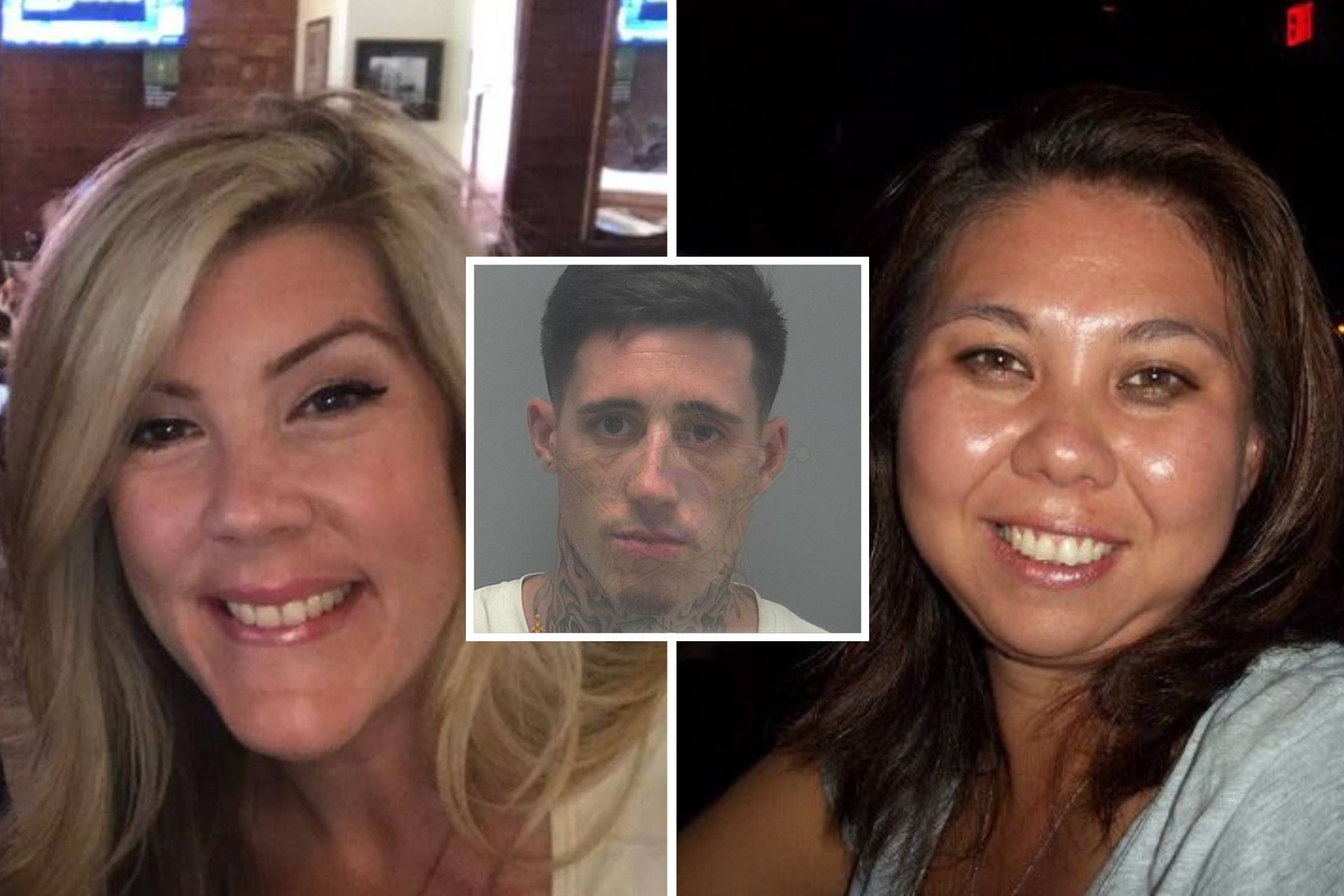
In October 2019, two women in Cape Coral — Kristine Melton and Diane Ruiz — were killed within hours of each other. One had gone out for what should have been an ordinary night. The other was simply trying to get through her morning.
By the time police began piecing the timeline together, the case had already taken on a disturbing shape: two women gone, one suspect, a phone call to his father, and a level of violence that left even seasoned investigators shaken.
Years later, Wilson would become known online as the “Deadpool Killer,” a nickname tied to his legal name and the Marvel character Wade Wilson. But behind that viral label were two real women, two grieving families, and a death penalty case that continues to raise questions long after the verdict.
A Night Out That Turned Into a Timeline of Fear
On the evening of October 6, 2019, Kristine Melton was out in the Fort Myers area. She was 35 years old and had crossed paths with Wade Wilson during the night.
According to prosecutors, Wilson later went to Melton’s home. What happened there became the first part of a case that would eventually lead to two first-degree murder convictions.
The next day, Kristine was found dead.
But the timeline did not stop there.
After Melton’s death, prosecutors said Wilson took her vehicle. Hours later, another woman, Diane Ruiz, crossed his path. Diane was 43, a mother, and a bartender. She was not part of Wilson’s life in any meaningful way. She was simply in the wrong place at the wrong time.
That randomness became one of the most chilling parts of the case.

The Second Victim
Diane Ruiz was walking when she encountered Wilson.
Prosecutors said he lured her into the vehicle under false pretenses. What followed became the second killing in the case, and one of the reasons prosecutors argued that Wilson deserved the harshest sentence Florida law allows.
For Diane’s family, the details were more than evidence. They were the final moments of someone they loved.
For the public, the case was terrifying because it seemed to move without a clear personal motive. There was no long history between Wilson and Diane. No relationship. No known conflict that could explain why she became a target.
That absence of a simple answer is part of why the case still grips true crime followers.
Sometimes the hardest cases to understand are not the ones with complicated motives.
They are the ones where the motive appears almost impossible to accept.
The Phone Call That Changed the Investigation
As investigators searched for answers, Wilson made a phone call that would become central to the case.
According to trial testimony and reports, Wilson contacted his biological father and made statements about what had happened. His father later alerted authorities.
That call became a crucial turning point. Prosecutors said it helped connect Wilson to the deaths of both women and supported the argument that he knew exactly what he had done.
Wilson was arrested soon after.
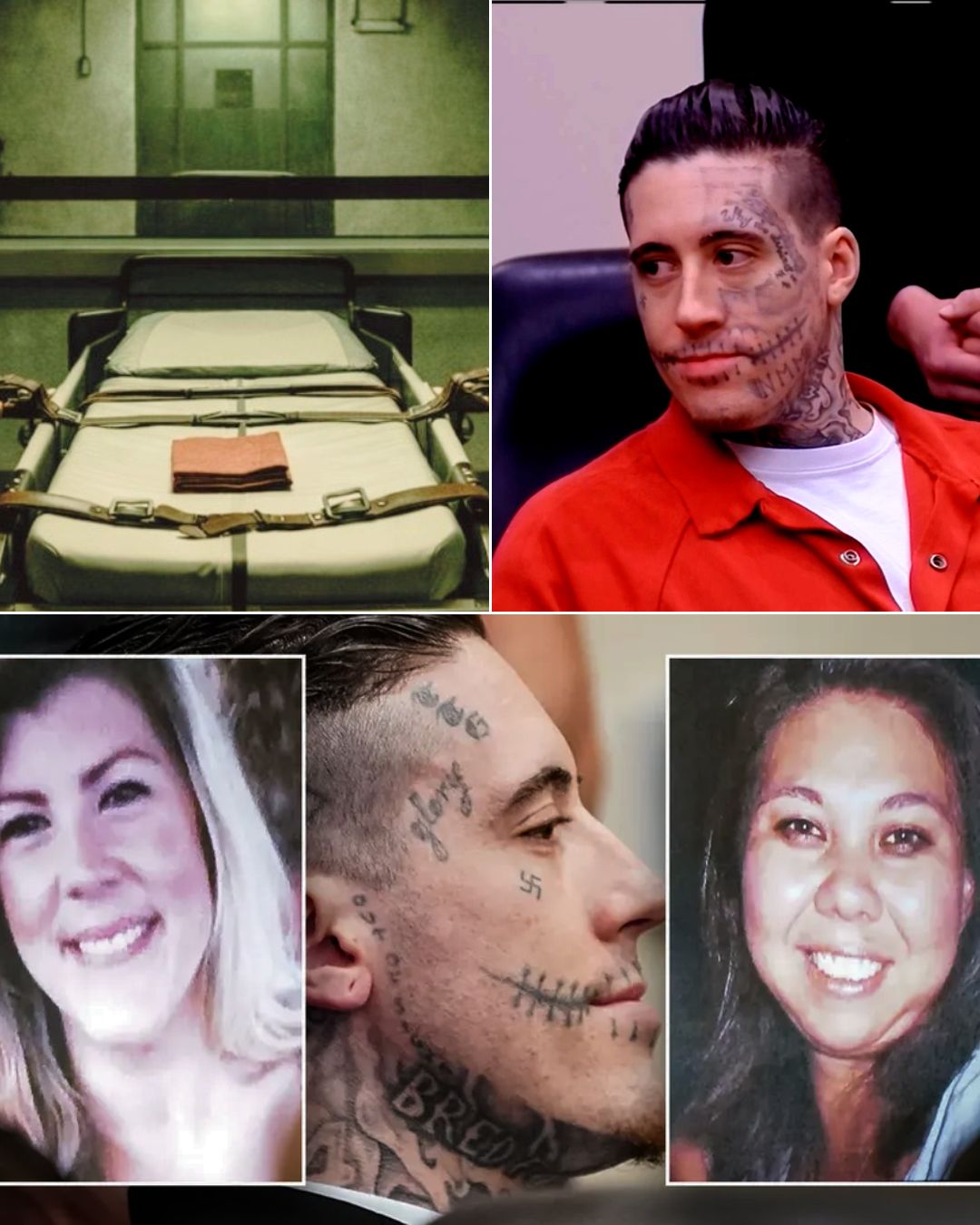
From there, the case moved through years of delays, hearings, jail incidents, and intense public attention. His appearance in court — including his facial tattoos — added to the media fascination, but the center of the case remained the same:
Kristine Melton and Diane Ruiz were dead.
And prosecutors said one man was responsible.
The Trial
In June 2024, nearly five years after the killings, Wade Steven Wilson went to trial.
The jury found him guilty of two counts of first-degree murder, along with other charges, including grand theft of a motor vehicle, burglary, battery, and theft-related offenses.
The penalty phase then turned to the question that would decide the rest of Wilson’s life:
Should he be sentenced to life in prison, or should Florida impose the death penalty?
The prosecution argued that the aggravating factors were overwhelming. The defense pointed to Wilson’s background, reported drug use, mental health questions, and other mitigating factors.
But the jury recommended death.
In August 2024, Judge Nicholas Thompson sentenced Wilson to death for the murders of Kristine Melton and Diane Ruiz.
Why the Sentence Became Part of a Bigger Debate
Wilson’s case did not unfold in a legal vacuum.
Florida had changed its death penalty law. The state no longer required a unanimous jury recommendation for a death sentence. Instead, a lower threshold could support a death recommendation.
That change became one of the major legal questions surrounding Wilson’s sentence.
His attorneys have challenged the constitutionality of the death penalty recommendation process, arguing that the sentence should not stand under the newer standard. Reports from 2026 indicate that Wilson’s legal team has continued to challenge the sentence, even as the conviction itself is not the main focus of the appeal.
That distinction matters.
The question is not simply whether Wilson was convicted.
The question is whether the path to his death sentence was legally sound.
No Execution Date Has Been Set
Despite viral posts claiming that Wilson is “set for execution,” there is no publicly confirmed execution date at this time.
He has been sentenced to death. He remains in the Florida prison system. But his appeals continue, and death penalty cases can take years before an execution date is ever signed.
That is why the phrase “set for execution” is misleading.
The more accurate statement is this:
Wade Steven Wilson has been sentenced to death for the murders of Kristine Melton and Diane Ruiz, but his case is still moving through the legal system.
The Victims Behind the Viral Name
One of the most uncomfortable parts of this case is how quickly the nickname overtook the victims’ names.
Online, many people know Wilson as the “Deadpool Killer.”
But Kristine Melton was not a headline.
Diane Ruiz was not a footnote.
They were women with families, routines, histories, and people who expected them to come home. Their loved ones sat through testimony, impact statements, and years of delays while the case moved forward.
For those families, the legal debate is not abstract.
It is personal.
Every appeal, every headline, every viral post brings the case back again.
The Question That Still Follows the Case
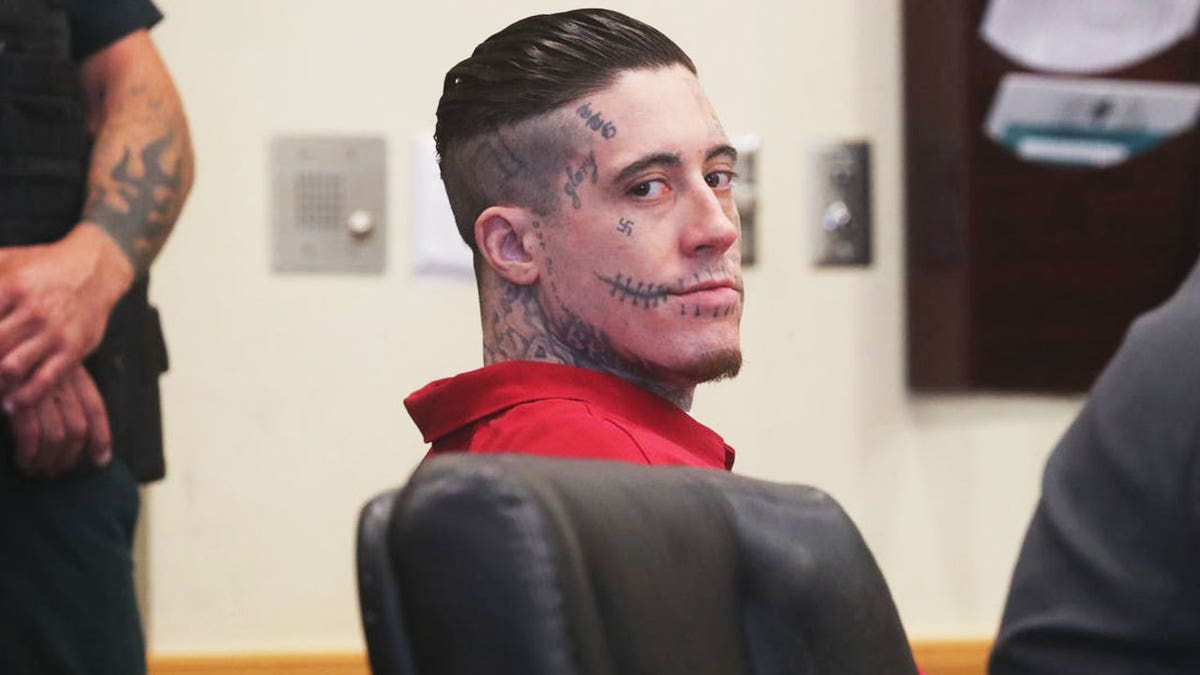
To many people, Wilson’s death sentence represents accountability for two lives taken in a terrifying sequence of events.
To others, the case raises a difficult legal question: when a state changes how death sentences can be recommended, how carefully should courts review the cases that follow?
That is what makes this story more than another death row headline.
It is a case about two victims.
It is a case about a man convicted of killing both of them.
And it is also a case about how far the justice system can go when the final punishment is death.
For now, Wade Steven Wilson remains alive on death row.
Kristine Melton and Diane Ruiz are gone.
And the question still hanging over the case is not whether the crimes shocked Florida.
They did.
The question is whether the final sentence will survive every challenge still ahead.