Everyday actions by well-meaning dog owners are silently shattering their pets’ emotional wellbeing, experts warn. Subtle behaviors often dismissed as affection or discipline actually fracture trust and safety, leaving dogs confused, fearful, and emotionally withdrawn. Immediate awareness and change are crucial to prevent unnoticed heartbreak in millions of cherished companions.
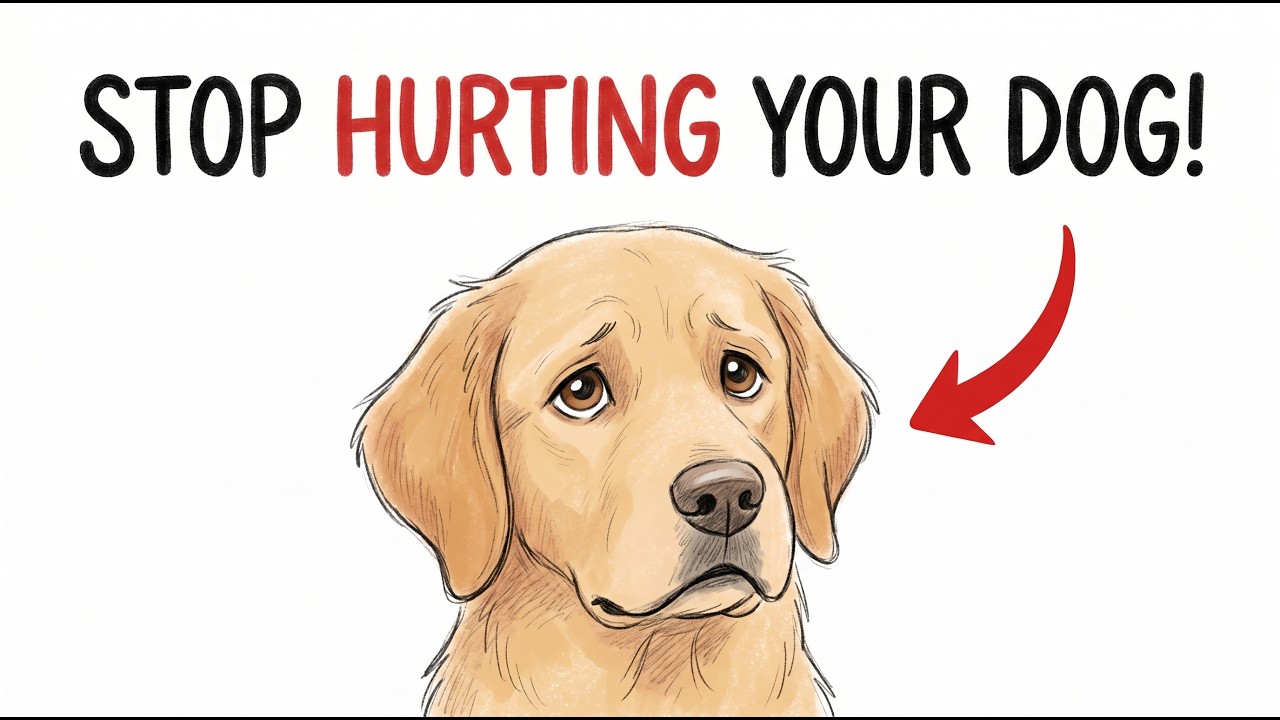 Most dog owners think they’re giving love, yet many unknowingly harm their dogs by misreading or ignoring their emotional signals. Dogs don’t see love the way humans do—they measure it through safety, clarity, respect, and consistent communication. What feels harmless to us can be deeply confusing or frightening to a sensitive canine heart.
A critical mistake is punishing dogs for warning signs, like growling, which signals discomfort. When owners suppress these early cues by telling dogs “no,” they teach silence over honesty. Instead of calming, this breeds fear and mistrust, causing dogs to internalize distress rather than express it, fracturing the essential bond of trust.
Physical affection without consent is a silent heartbreak. Hugging, face-licking, or pressing a dog when they haven’t shown comfort signals can feel imposing, not loving. Dogs may tolerate but don’t necessarily enjoy this, and ignoring subtle rejection signs teaches them their comfort is secondary to human desire, eroding mutual respect.
Inconsistent rules based on the owner’s mood breed confusion. Dogs rely on patterns for security; fluctuating boundaries make the world unpredictable. When sofa privileges, jumping behavior, or barking triggers shift unpredictably, dogs live in low-level stress. This uncertainty chips away at emotional stability and damages the secure base they need.

Turning walks into rushed, command-heavy chores strips dogs of crucial mental enrichment. Walks are not just physical exercise but exploratory, sensory experiences where dogs gather vital information about their environment. Interrupting this slows their mental processing and signals their pace and curiosity don’t matter, creating frustration and emotional distance.
Pushing dogs through fear to build “strength” is a dangerous misconception. Forcing interaction with stressors overwhelms dogs rather than teaches resilience. Emotional safety arises from gentle, supported exposure allowing choice and recovery. Ignoring a dog’s distress turns fear into demoralization, isolating them emotionally and damaging trust with their owner.
Ignoring quiet cues in favor of attention only when dogs are loud reinforces needy, exaggerated behaviors. The subtle bids for connection—a soft lean, a gentle gaze—often go unnoticed. When only disruptive signals gain response, dogs learn that calmness is invisible, fostering anxiety and needy behavior through a heartbreaking cycle of misunderstanding.

Using intimidation at moments of confusion is the most damaging. Stern voices, looming postures, and leash jerks teach fear, not obedience. Scientific studies reveal dogs trained with aversive methods develop a pessimistic worldview, associating their owner with distress rather than security. This deep emotional wound quietly erodes the dog’s sense of safety.
These revelations are not accusations but urgent calls for change—our dogs deserve relationships built on clarity, respect, and understanding. Love must translate into safety and communication they recognize. By tuning in to the real signs of comfort and distress, owners can transform pain into profound, heartfelt connection.
The consequences of ignoring these emotional needs extend beyond behavior; they impact dogs’ fundamental mood and wellbeing. The silent heartbreak festers daily, unnoticed but devastating. Recognizing these subtleties is essential for any dog owner committed to genuine care, preventing unintentional cruelty driven by misunderstanding.

Experts underscore that dogs don’t seek perfection but consistency and predictability in their relationships. When owners strive to “speak dog,” respecting boundaries and signals, trust flourishes and emotional wounds heal. This makes for dogs who aren’t just obedient but emotionally fulfilled and secure, creating stronger, happier bonds.
The lesson is urgent: every interaction matters. By stopping these common mistakes now—punishing warning signs, forced affection, inconsistent rules, rushed walks, fearful exposure, attention only to noise, and intimidation—owners can save their dogs from quiet heartbreak. The pathway to healing is understanding and respect.
Immediate reflection and adjustment in how we care for dogs is more than helpful—it’s imperative. If we ignore these silent cries, dogs pay the emotional price in confusion and fear. But when we listen and adapt, we gift them safety, love, and a home they truly feel in with their whole heart.