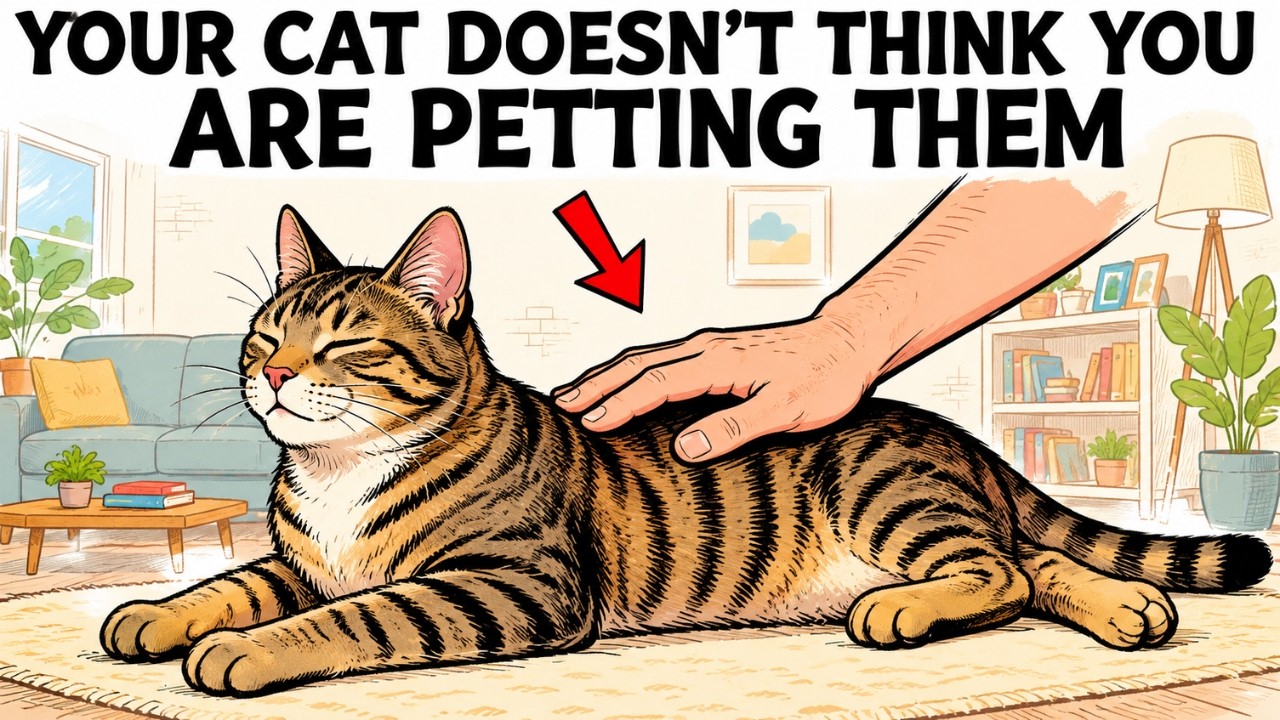
Are you sure your cat enjoys those affectionate pets? Many cat owners might be shocked to learn that their furry friends could be tolerating their touch rather than truly loving it. Understanding the nuances of feline communication could be the key to building a deeper bond with your beloved pet.
One common misconception is that when you scratch the base of a cat’s tail and they raise their rear, they’re begging for more. While that reaction might seem enthusiastic, it can quickly turn into irritation. The area above a cat’s tail is packed with sensitive nerve endings, and what starts as a pleasant scratch can easily become overwhelming.

Cats often shift from comfort to discomfort in the blink of an eye, and a sudden bite or swat isn’t always aggression; it’s their way of saying, “That’s enough!”
To pet your cat effectively, moderation is crucial. If your feline friend presents that area, a few gentle strokes are usually sufficient. After that, take a moment to observe their body language.
A relaxed cat will appear loose and comfortable, while a twitching tail or tense muscles indicate it’s time to stop.
Another mistake many owners make is petting too quickly. Unlike dogs, cats prefer slow, deliberate interactions. When you rush through petting with quick pats or energetic rubs, it can be startling for them.

Instead, try a gentle, slow stroke. You might be surprised at how much more your cat enjoys a calm approach, often responding with purring and half-closed eyes.
And what about those irresistible moments when your cat is sleeping? It’s hard to resist giving them a quick stroke, but interrupting their slumber can create anxiety. Sleep is a vulnerable state for cats, and frequent disturbances can lead them to associate rest with uncertainty.
Allow them to enjoy their naps undisturbed, and they may seek your affection when they wake up naturally.

When your cat seems to enjoy your attention, it’s tempting to use both hands for extra affection. However, this can create a feeling of restriction for some cats. They value their freedom and sense of control over their environment.
Instead of overwhelming them with touch, try using one hand and let your cat dictate the pace of the interaction. This way, they can choose to engage or step away as they please.
Lastly, consider how you initiate contact. Many people approach their cats and immediately reach out to pet them, but this can feel intrusive. Cats prefer to investigate first.

Instead, extend your hand slowly and give them the chance to come to you. If they sniff or rub against your hand, they’re inviting you to continue. This small change can significantly enhance your relationship, allowing your cat to feel more in control.
Ultimately, the bond between you and your cat can be strengthened by understanding their unique communication style. By respecting their signals and allowing them to choose when to engage, you may find that your cat becomes more affectionate and trusting. So, the next time your furry friend approaches, will you take the time to truly listen?